
Introduction
A living room can feel completely furnished and still seem visually incomplete if the wall space is underused, mismatched, or too plain. That is exactly where Wall Art for a Living Room Modern Design becomes powerful. The right artwork does more than fill an empty wall. It creates a focal point, adds identity, balances furniture proportions, softens rigid architecture, and gives the room a finished, intentional atmosphere.
Modern interiors are especially dependent on visual structure. Clean lines, neutral palettes, open layouts, and simple furniture can look elegant, but they can also feel a little flat without a strong design anchor. Wall art solves that problem. A single oversized canvas, a curated gallery wall, a textured abstract, or a pair of framed prints can completely change the energy of the room.
Today’s modern living rooms favor a thoughtful mix of form and feeling. Popular choices include oversized statement art, warm neutral abstracts, line drawings, monochrome photography, textured mixed-media pieces, and minimalist gallery walls that feel curated rather than crowded. The best modern wall art is not just attractive in isolation. It works with the sofa, rug, lighting, and room proportions so the entire space feels coherent.
This guide explains what modern wall art really means, how to choose the right style, how to size it correctly, where to place it, and how to make it work in small homes, large open spaces, rentals, and premium interiors. It also includes practical sizing advice, placement rules, room-by-room suggestions, and FAQs you can keep exactly as they are for your article.
Why Wall Art for the Living Room Matters in Interior Design
Modern wall art matters because it gives a room direction. Without it, even a beautifully arranged living room can feel unfinished, disconnected, or visually unbalanced. Furniture may look expensive, but if the walls are bare, the whole space can still read as temporary or incomplete.
Art works as a visual anchor. It pulls the eye toward a focal point and helps the room feel organized. This is especially important in living rooms, where multiple elements compete for attention: the television, fireplace, windows, shelving, sofa, coffee table, and lighting fixtures. A carefully selected wall piece brings those elements together and creates a stronger design hierarchy.
Another reason modern wall art matters is mood. Art can make a living room feel peaceful, grounded, refined, dramatic, airy, or warm. A black-and-white photograph creates sharp contrast and clarity. A soft abstract with beige, taupe, and ivory tones creates calm. A botanical or landscape print introduces comfort and softness. A textured piece adds depth and tactility. The right wall art does not just decorate the wall; it communicates the emotional tone of the space.
What Counts as Modern Wall Art?
Modern wall art usually feels current, composed, and visually edited. It does not have to be abstract only, and it does not need to be minimal to qualify as modern. The main traits are clarity, simplicity, and purpose. Modern wall art often relies on strong composition, a controlled color story, and a clean relationship between positive space and negative space.
Common forms of modern wall art for living room spaces include:
- abstract paintings
- neutral canvas prints
- geometric compositions
- line art
- oversized statement pieces
- black-and-white photography
- botanical or landscape art with a modern style
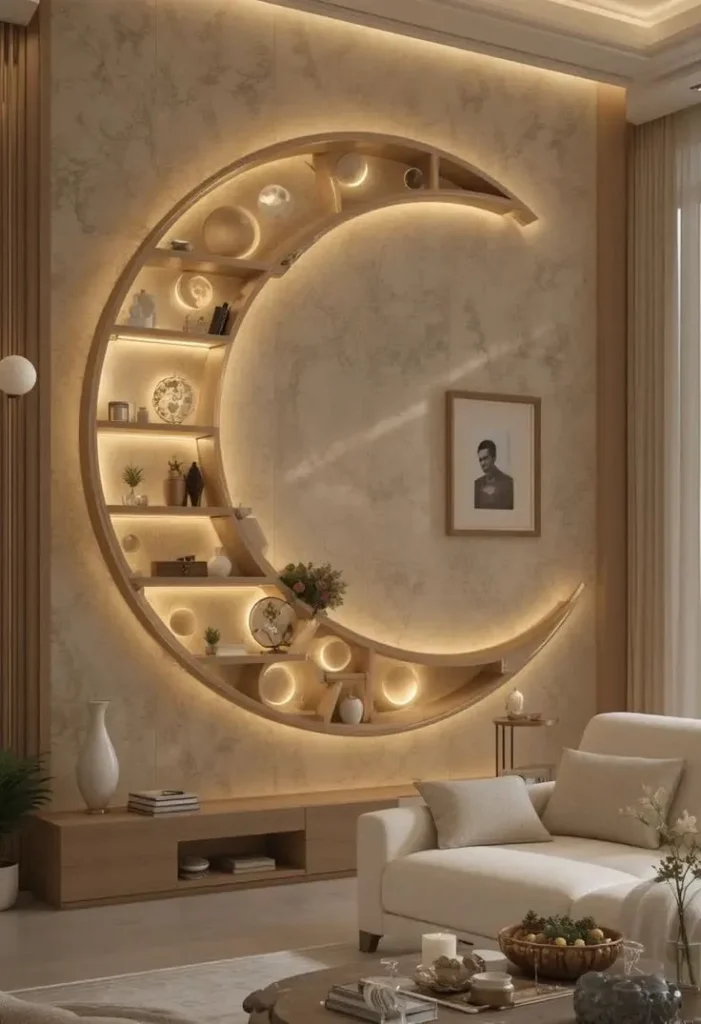
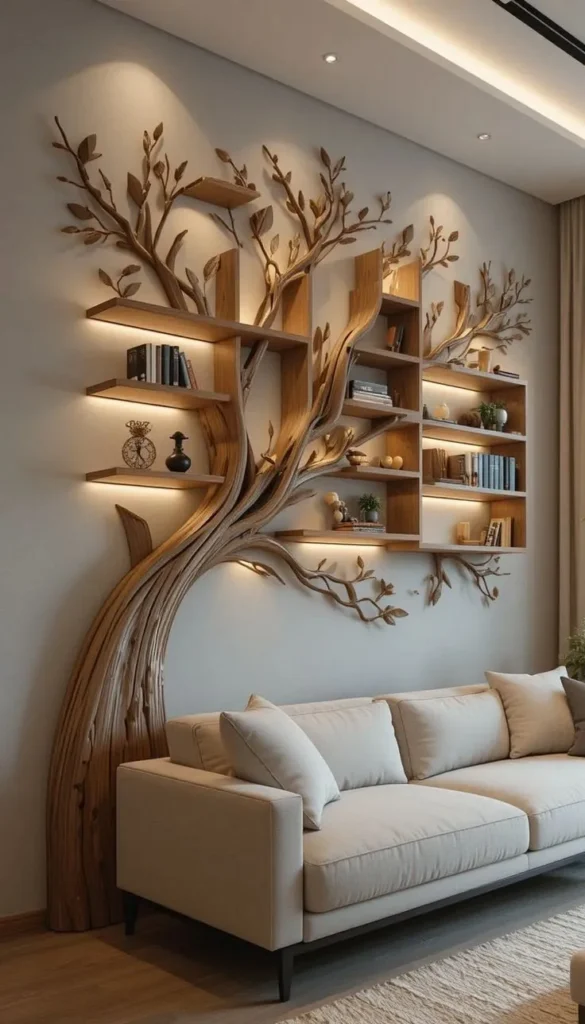
- sculptural wall decor
- mixed-media and textured artworks
- metal, wood, or woven wall pieces
Modern wall art does not mean sterile or cold. It simply means the piece feels intentional and visually calm. There is room for warmth, softness, and personality as long as the composition remains balanced.
Modern does not mean boring.
A modern living room can still feel inviting, expressive, and layered. In fact, the best modern interiors often combine structure with warmth. A neutral abstract can feel serene. A textured canvas can feel luxurious. A minimal line drawing can feel elegant. A bold geometric piece can feel energetic without becoming chaotic.
The key is coherence. The artwork should support the room instead of fighting against it.
Modern Wall Art Styles That Work Beautifully in Living Rooms
Abstract and Minimalist Pieces
Abstract art remains one of the strongest choices for a modern living room because it offers visual movement without overwhelming the eye. It can be expressive or quiet, depending on color and composition. In a room with streamlined furniture and simple architecture, an abstract piece adds energy while preserving the modern mood.
Minimalist abstracts are especially effective when the room already has strong structural elements. Soft brushwork, muted layering, gentle tonal gradients, and organic shapes create interest without visual noise. Popular shades include stone, sand, clay, taupe, ivory, charcoal, ash, mushroom, and warm beige. These tones blend beautifully with contemporary sofas, wood accents, and natural textiles.
This style is ideal when you want the room to feel calm, elevated, and uncluttered.
Oversized Canvas Wall Art
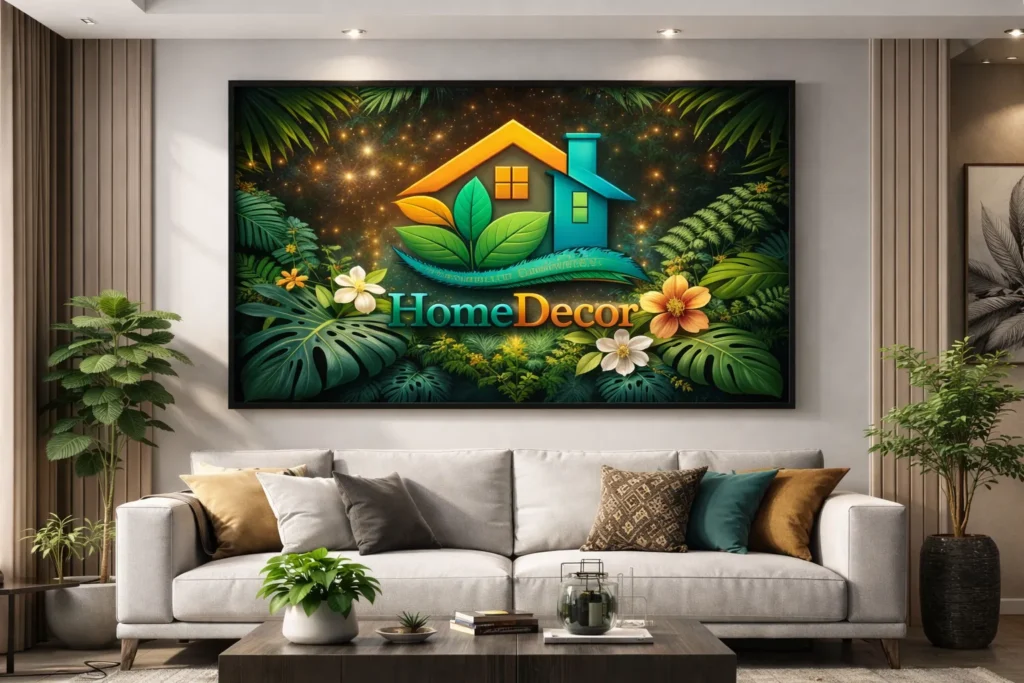
Oversized art is one of the easiest ways to make a living room look designed rather than merely decorated. A large canvas instantly establishes presence. It works especially well above sofas, sectionals, console tables, fireplaces, and expansive empty walls.
This style is particularly effective in:
- open-plan homes
- rooms with tall ceilings
- minimalist interiors
- spaces with limited wall decor
- large blank walls that need a bold focal point
One oversized work often feels more sophisticated than several small pieces because it reduces visual fragmentation. It creates clarity, and clarity is a hallmark of modern design.
Geometric and Line Art
Geometric art adds rhythm, order, and architectural precision. It works well in interiors that already include strong shapes, angular furniture, or structured layouts. Line art offers a lighter, more delicate alternative. It is especially popular in Scandinavian, Japandi, and contemporary spaces because it feels refined without trying too hard.
This style is an excellent choice when you want something modern but understated. It brings balance to the room while keeping the overall feel open and relaxed.
Geometric and line art are especially useful when the room already contains bold textures or strong furniture silhouettes. They provide structure without heaviness.
Nature-Inspired and Organic Prints
Nature-inspired art is one of the most reliable ways to warm up a modern space. Botanical prints, soft landscape scenes, organic silhouettes, and earthy imagery help a room feel more approachable and less rigid.
This style works beautifully with wood furniture, linen curtains, woven rugs, and indoor greenery. It fits current interior directions that favor warmth, tactility, and layered neutrals over cold minimalism.
If your goal is to make a modern room feel calmer, softer, and more lived in, nature-inspired art is a strong option.
Typography and Word Art
Typography art can work in a Modern Living Room when used with restraint. Clean lettering, single words, or short phrases can add personality without clutter. However, too many words or overly decorative fonts can quickly make the wall feel busy.
Typography works best in:
- family rooms
- creative spaces
- casual modern interiors
- gallery corners
- rooms with simple, neutral decor
The best approach is to keep the treatment minimal. The typography should feel like part of the composition, not the dominant message.
Textured and Mixed-Media Art
Texture is one of the strongest visual trends in contemporary wall decor. A textured piece introduces depth, shadow, and tactile interest, which is especially valuable in modern rooms that rely on muted colors and simple silhouettes.
This category includes:
- raised paint surfaces
- layered canvas work
- resin pieces
- carved wall panels
- woven wall decor
- wood, metal, ceramic, or plaster-based art
Textured art is ideal for neutral interiors because it adds dimension without requiring bright color. If a room feels flat, textured art is one of the fastest ways to enrich it.
Best Wall Art for Living Room Modern Choices by Living Room Style
| Living Room Style | Best Wall Art Type | Why It Works | Best Placement |
| Minimalist | Abstract line art, black-and-white prints | Keeps the room clean and calm | Above the sofa or one main wall |
| Scandinavian | Soft neutrals, botanical art, simple geometry | Matches airy, light spaces | Above a console or near windows |
| Mid-century modern | Warm abstracts, graphic prints, retro tones | Pairs well with wood and vintage silhouettes | Above the sofa or the sideboard |
| Contemporary | Oversized canvas, textured pieces, sculptural decor | Creates a strong focal point | Main wall behind seating |
| Luxury modern | Large textured art, mixed media, metallic accents | Feels rich and layered | Fireplace wall or statement wall |
| Small apartment | Vertical art, diptychs, slim gallery wall | Saves space and prevents clutter | Narrow walls and corners |
This kind of pairing matters because the best wall art depends on the room’s design language. A modern living room should feel connected from floor to ceiling, not random or pieced together without a plan.
How to Choose the Right Wall Art for Your Living Room
Start With the Wall Size
The wall should guide the art selection. A small print on a large wall can look underwhelming. A massive canvas on a very narrow wall can feel overpowering. The goal is proportion.
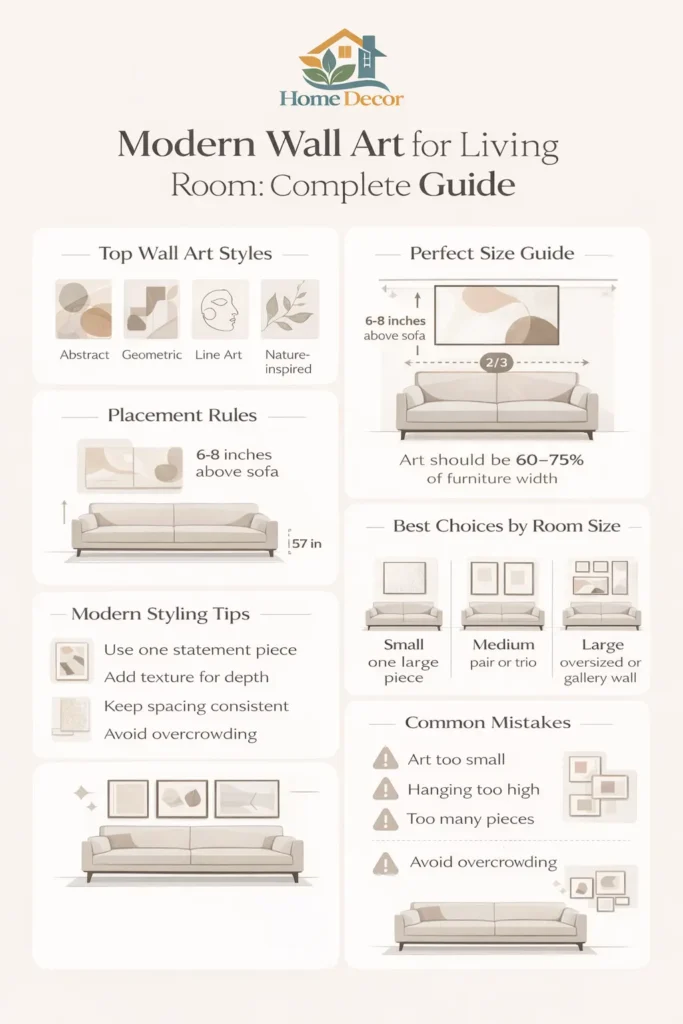
A useful rule is to choose artwork that measures roughly two-thirds the width of the furniture below it, especially above a sofa. That proportion helps the wall feel balanced and intentional. It also prevents the artwork from looking too small or too disconnected from the furniture.
Match the Mood, Not Just the Color
Many people make the mistake of matching art too literally with the room palette. That can make the space feel too controlled or flat. A better strategy is to match the emotional tone.
For example:
- warm and relaxed room → earthy art
- urban and sharp room → monochrome or graphic art
- quiet and serene room → soft abstracts or botanicals
- playful and expressive room → brighter compositions or dynamic shapes
This is a smarter, more sophisticated way to choose wall art because it supports atmosphere instead of merely repeating color.
Consider the Existing Furniture
Before buying art, look at the sofa, rug, curtains, coffee table, shelving, and lighting. If the furniture is bold, the wall art should balance it. If the room is simple and neutral, the art can add personality. The goal is harmony, not competition.
Modern wall art should feel like a continuation of the room’s story, not a separate object added at the last minute.
Choose the Right Material
Material changes the entire feeling of the artwork.
- Canvas prints: clean, approachable, and easy to style
- Framed prints: polished, flexible, and timeless
- Metal art: sleek, contemporary, and dimensional
- Textured mixed media: rich, artistic, and tactile
- Woven or sculptural pieces: soft, organic, and visually interesting
If you want a modern room to feel elevated, the surface quality of the art matters just as much as the image.
Decide Whether You Want Calm or Contrast
There are two strong modern approaches to wall art:
Blend in: choose art that sits close to the existing room palette for a soft, seamless effect.
Stand out: choose one contrasting piece to become the visual centerpiece.
Both strategies work. The right one depends on whether you want the room to feel quiet and soothing or expressive and energized.
Placement Rules That Make Wall Art Look Professional
Above the Sofa
This is the most common placement and one of the most important. Art above the sofa should feel related to the furniture below it, not detached from it.
For a polished result:
- Leave about 6 to 8 inches between the top of the sofa and the bottom of the artwork
- Center the art over the sofa, not just the wall
- aim for artwork that is about two-thirds the width of the sofa
These proportions help the room feel anchored and visually connected.
At Eye Level
For standalone art, a common placement rule is to position the center of the piece around 57 inches from the floor. This museum-style eye level helps the piece feel natural and easy to view.
That height is especially useful in living rooms where the art is meant to be appreciated independently rather than only as a sofa topper.
On a Gallery Wall
A gallery wall can still feel modern when it is carefully planned. The key is structure. A strong gallery wall usually includes:
- one anchor piece
- consistent spacing
- a unified color story or theme
- balanced frame sizes
- breathing room around the arrangement
The goal is curated variety, not visual clutter. Modern gallery walls feel deliberate, not accidental.
Near Architectural Features
Wall art can also be placed in areas beyond the main sofa wall, such as:
- beside windows
- above a console table
- next to built-in shelving
- near a fireplace
- on a narrow side wall
- in an open-plan transition area
These placements can make awkward or overlooked spaces feel more purposeful.
Sizing Guide for Modern Wall Art for Living Room Walls
| Wall / Furniture Area | Best Art Size Idea | What It Does |
| Small sofa | One medium or large piece | Keeps the wall from looking empty |
| Standard 3-seater sofa | One large piece or a two-piece set | Adds balance and structure |
| Sectional sofa | Oversized canvas or two large pieces | Matches the width of the furniture |
| Fireplace wall | One strong statement piece | Completes the mantel area |
| Narrow wall | Vertical art or tall diptych | Uses height better than width |
| Large blank wall | Oversized art or gallery wall | Prevents the wall from feeling cold |
Easy sizing rule
If the art is going above furniture, focus on proportion first. A large wall usually needs a larger piece than people initially expect. Too-small art is one of the most common reasons a room feels unfinished.
Modern Wall Art Ideas for Different Living Room Sizes
Small Living Room
A small living room benefits from visual discipline. Too many tiny frames can make the space feel busier and smaller than it really is. Instead, choose one meaningful piece, a vertical arrangement, or a clean diptych.
Better choices include:
- one large piece
- a tall vertical print
- a slim diptych
- a small but organized Gallery Wall
- light frames and soft colors
Surprisingly, oversized art can make a small room feel more spacious because it creates one strong focal point rather than many competing details.
Medium Living Room
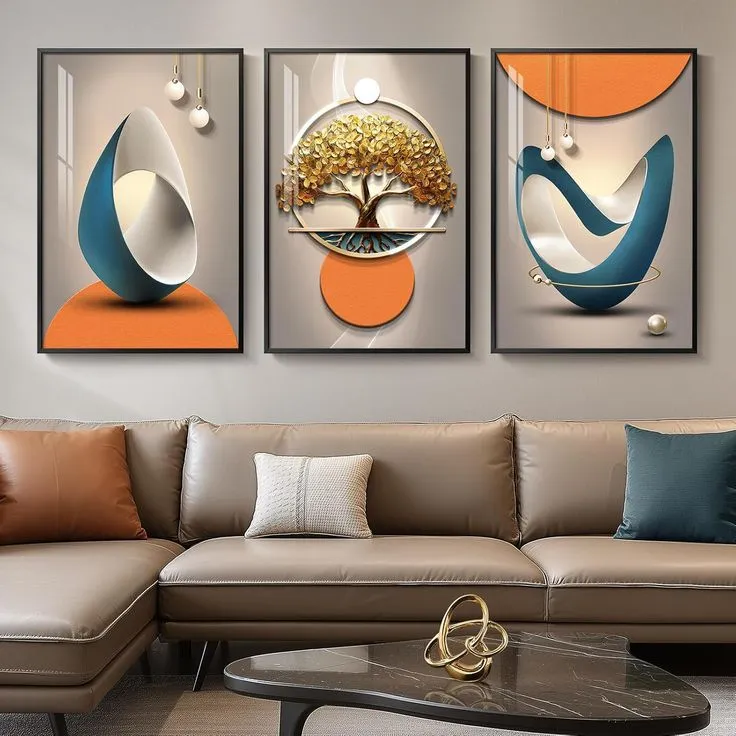
A medium-sized living room offers flexibility. You can use one large canvas, a pair of framed prints, a three-piece arrangement, or a more controlled gallery wall. This is the most forgiving room size because proportion is easier to manage.
For medium rooms, the main goal is balance. You want enough presence without overwhelming the wall.
Large Living Room
Large living rooms usually need bolder artwork because the wall space can easily dwarf smaller pieces. In these rooms, the art must hold its own against the architecture and furniture scale.
Strong choices include:
- oversized abstract art
- large textured wall decor
- a wide set of framed prints
- a gallery wall with a clear anchor
- sculptural decor that adds dimensional interest
A large room can handle more visual weight, but the design still needs structure.
Budget-Friendly Modern Wall Art Ideas
A stylish modern living room does not require expensive artwork. Some of the most elegant spaces use simple, budget-friendly solutions very effectively.
Try these affordable options:
- printable art in sleek frames
- black-and-white photography
- one large canvas instead of many small pieces
- DIY abstract art using a neutral palette
- poster-style prints with refined framing
- a modest gallery wall with consistent spacing
- removable wall art for rentals
Low-cost art can still look premium when the scale is right and the framing is clean. In many cases, the frame matters as much as the print itself.
Example
A beige abstract print in a thin black frame can look far more refined than a bright poster in a cheap frame. That is because presentation controls perceived value. The art is part of the design, but the frame and placement complete the effect.
Premium and Luxury Wall Art Ideas
If you want a higher-end result, focus on craftsmanship, composition, and surface quality. Luxury wall art tends to feel quieter, deeper, and more intentional.
Luxury wall art often includes:
- hand-painted surfaces
- custom sizing
- premium framing
- layered textures
- sculptural or mixed-media finishes
- limited-color palettes with strong compositional balance
In many premium living rooms, the most elegant choice is a restrained piece with exceptional proportion and finish.
Best luxury approach
Choose fewer pieces, but make each one stronger. In a luxury setting, a single exceptional artwork can do more than a wall full of average pieces.
Gallery Walls: Still Modern When Done Right
Yes, gallery walls can absolutely feel modern. The difference is curation. A modern gallery wall is not random. It has structure, spacing, and visual logic.
A modern gallery wall should include:
- a clear framework
- a cohesive palette
- balanced spacing
- a mix of sizes that still feels organized
- One anchor element that leads the eye
Good gallery wall formulas
Clean and simple
Three matching frames in one row.
Soft modern mix
One larger center print with two smaller side pieces.
Balanced grid
Four or six frames in a tidy grid.
Casual but controlled
Mixed prints and photos with one consistent frame color.
The main rule is consistency. Sloppy spacing, random frame choices, and no focal point can make a gallery wall feel chaotic very quickly.
Gallery wall spacing tip
Keep the gaps even. Uneven spacing is one of the fastest ways to make the arrangement look messy.
Common Mistakes to Avoid
Choosing Art That Is Too Small
This is the most common mistake. Small art on a large wall usually looks weak, accidental, and unfinished.
Hanging Art Too High
Art should stay visually connected to the sofa, console, or wall segment below it. If it floats too high, the room can feel disconnected.
Matching Everything Too Perfectly
When art matches the sofa, rug, and pillows too exactly, the room can look flat. A little contrast usually adds depth and sophistication.
Overcrowding the Wall
Too many small pieces can create visual noise. Even when using a gallery wall, the arrangement should feel organized and spacious enough to breathe.
Ignoring Natural Light
Lighting changes the artwork dramatically. Glossy surfaces, dark tones, and reflective glass can behave very differently in morning light and evening light.
Forgetting the Room Mood
Modern wall art is not only about style. It is also about emotional tone. The artwork should support the atmosphere you want the room to convey.
Maintenance, Care, and Durability Tips
Modern wall art should look good long after installation day. Proper care helps preserve both appearance and structure.
Use these practical tips:
- Keep framed art out of harsh direct sunlight when possible
- dust canvas, frames, and sculptural decor gently
- Use proper hooks, anchors, and supports
- Avoid hanging heavy art on weak walls
- Choose moisture-safe materials for humid areas
- Rotate art occasionally if you like, refreshing the space
For rentals, lightweight frames and removable hanging systems are especially useful. They help you protect the walls while keeping the room flexible.
Smart, Modern, and Future-Ready Wall Art Ideas
Modern homes are becoming more adaptable, more personalized, and more texture-driven. Interior design trends increasingly favor warmth, natural materials, and layered visual depth instead of stark minimalism. That means wall art is moving toward pieces that feel human, tactile, and expressive.
Future-ready wall art ideas include:
- modular art that can be rearranged
- digital prints that can be updated easily
- sustainable materials
- handmade or artisanal surfaces
- custom pieces sized for your exact wall
- mixed-media decor that adds depth without extra furniture
The smartest modern living room does not chase every trend. It chooses artwork that can evolve with the home and remain relevant over time.
Featured-snippet style takeaway
The best modern wall art for living room spaces is the piece that fits the wall scale, supports the room’s mood, and gives the space a clear focal point.
FAQs
A strong starting point is artwork that is about two-thirds the width of the sofa or furniture below it. That proportion usually creates balance and prevents the art from looking too small.
The most common spot is above the sofa, but it also works well above a console, beside a fireplace, or on the main wall visible when you enter the room. For standalone pieces, the center is often placed around 57 inches from the floor.
Abstract art, minimalist prints, geometric art, black-and-white photography, textured canvases, and sculptural wall decor usually feel the most modern.
Yes, when it is curated well. A modern gallery wall uses clean spacing, a controlled color palette, and a balanced layout instead of a random mix of frames.
Choose art with simple shapes, quiet colors, or subtle texture. One large piece usually works better than many small pieces in a minimalist room.
Conclusion
Modern wall art is one of the most effective ways to transform a living room without replacing furniture or remodeling the space. The best artwork does three things well: it fits the wall, supports the mood of the room, and creates a strong focal point.
Whether you prefer a large abstract canvas, a neat gallery wall, a geometric print, a warm botanical piece, or a textured handmade work, the key is balance. Keep the scale correct, avoid unnecessary clutter, and choose art that makes the room feel complete the moment you walk in.
The strongest modern living rooms do not feel overloaded. They feel Composed, thoughtful, and intentional. That is why the best wall art for a modern living room design is simple, elegant, and made to work with the space around it.
