
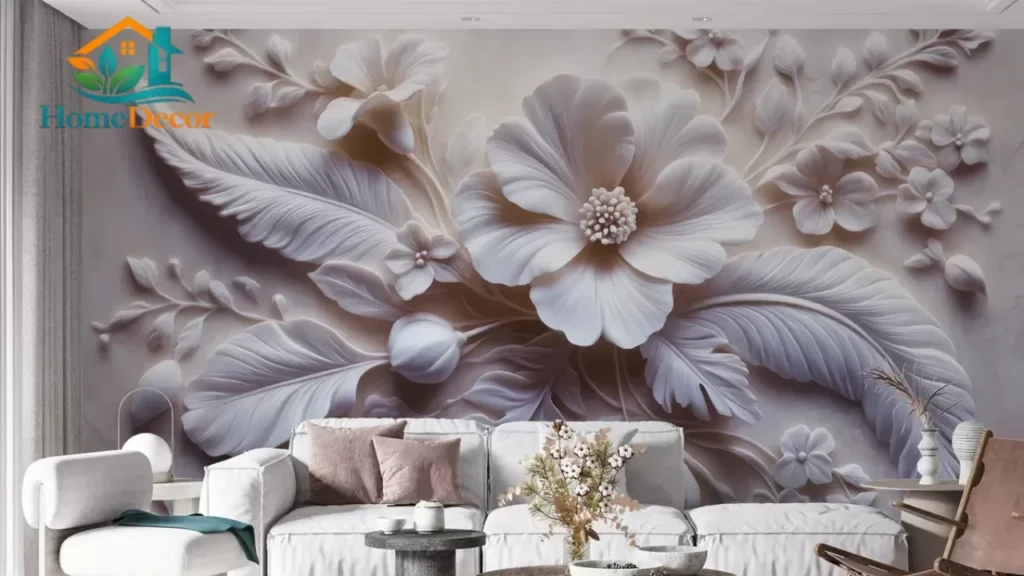
3D Wall Decor Ideas
A plain wall can make a room feel unfinished, even when the furniture is beautiful. That is why 3D Wall Decor has become such a powerful interior design choice. It adds depth, shadow, texture, and personality without needing a full renovation. Instead of relying only on color or framed art, you can turn one wall into a statement that feels architectural, modern, and intentional. In 2026, that matters even more because current design trends are moving toward tactile finishes, embossed surfaces, sculptural details, and walls that feel curated rather than empty.
What makes this style so useful is that it works in many ways. A textured wall can make a living room feel richer, a bedroom feel calmer, a dining room feel more elegant, and a small apartment feel more designed. It can also suit many budgets, from peel-and-stick wallpaper to premium wood panels and handcrafted wall art. The key is choosing the right material, the right placement, and the right level of visual drama for the room.
What Is 3D Wall Decor?
3D wall decor refers to wall treatments or wall-mounted pieces that create real depth or the illusion of depth. This can include 3D wall panels, embossed wallpaper, carved wall art, fluted wood, plaster finishes, relief-style decor, stone-look surfaces, or sculptural objects arranged on the wall. Unlike flat decoration, these surfaces interact with light and shadow, which makes them feel more alive and more architectural. Houzz and Architectural Digest both show that textured and sculptural walls are often used to create warmth, contrast, and visual interest.
Snippet-ready answer
3D wall decor is any wall treatment that adds real depth or the appearance of depth through texture, panels, relief, or sculptural design. It is usually used as a feature wall because one strong surface creates more impact than covering every wall.
Why 3D Wall Decor Matters in 2026
The biggest reason this trend is still growing is simple: people want homes to feel warmer, more personal, and less flat. In 2026, current design coverage points toward tactile interiors, including embossed wallpaper, trompe l’oeil effects, natural textures, and handcrafted finishes. That means walls are no longer just a background; they are part of the story of the room.
Another reason is practicality. A single textured wall can create a focal point without adding clutter. That is especially valuable in open-plan homes, apartments, and smaller spaces where too many competing elements can make a room feel busy. IKEA’s wall-decor approach also reflects this idea: one strong wall treatment can make a room feel personal and complete without requiring a full makeover.
Mini summary
3D wall decor is trending because it solves two problems at once: it adds style, and it gives a room a stronger visual identity.
Best Types of 3D Wall Decor
1. 3D Wall Panels
These are ideal for strong accent walls. They can be geometric, fluted, wave-like, linear, or organic. Wall panels are especially effective when you want the wall to feel built-in or architectural. Houzz’s paneling galleries show how widely panel systems are used in bedrooms, living areas, and custom millwork projects.
2. 3D Wallpaper
This is one of the easiest ways to get dimensions without heavy construction. Current wallpaper trend coverage highlights embossed wallpaper, trompe l’oeil effects, and natural-texture finishes that mimic plaster, stone, linen, or wood. It is a smart choice for renters, smaller rooms, and homeowners who want flexibility.
3. Sculptural Wall Art
This includes carved wood, ceramic pieces, metal wall sculpture, and handcrafted relief art. It feels premium and editorial, especially when you want the wall to look curated rather than purely decorative. Architectural Digest’s 2026 forecast leans strongly toward sculptural, tactile interiors and personalized statement walls.
4. Textured Plaster and Paint Effects
Venetian plaster, microcement, and other textured finishes create a subtle but high-end look. They do not shout for attention, but they do make a room feel richer. Architectural Digest notes that textured paint and plaster-like finishes are useful for adding character and hiding imperfections.
5. Wood Slats and Fluted Surfaces
These are popular because they feel warm, modern, and timeless. They work especially well in living rooms, TV walls, and bedrooms where a calm architectural effect is desired. Houzz paneling examples show wood paneling as a strong way to warm a room and create depth.
Best Materials for 3D Wall Decor
| Material | Best For | Style Impact | Maintenance | Budget Level |
| MDF / composite | DIY panels, painted feature walls | Clean, modern, flexible | Easy to moderate | Budget to mid |
| PVC / vinyl | Peel-and-stick walls, rentals, and moisture-prone areas | Practical and versatile | Easy | Budget |
| Wood | Living rooms, bedrooms, premium interiors | Warm and architectural | Moderate | Mid to premium |
| Gypsum/plaster | Seamless statement walls | Soft luxury, custom look | Moderate | Mid to premium |
| Ceramic / stone | Luxe feature walls, curated spaces | Artistic and refined | Easy to moderate | Premium |
| Textile / grasscloth-style finishes | Cozy, warm, refined rooms | Soft, tactile, elegant | Moderate | Mid to premium |
Texture choice matters because it changes how the room feels, not just how it looks. Houzz notes that textured wallpaper can mimic wood, brick, or stone, while BHG’s 2026 wallpaper coverage emphasizes natural, embossed, and tactile finishes that add character without major construction.
Mini summary
Choose materials based on three things: durability, look, and how much maintenance you want to handle.
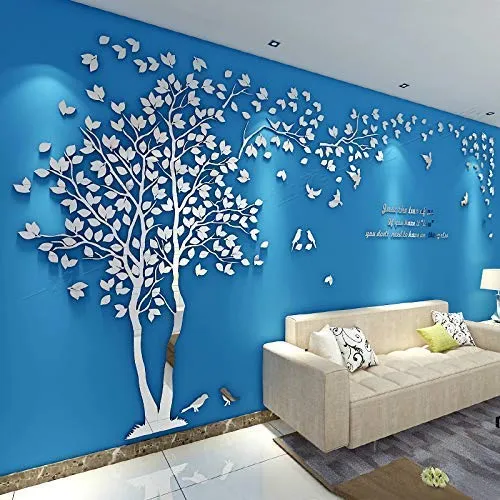
Best 3D Wall Decor Ideas by Room
Living Room
The best placement is usually the wall behind the sofa or the main focal wall. This is where geometric panels, fluted wood, or subtly textured wallpaper can do the most visual work. IKEA’s living-room wall ideas also support this approach: one well-planned wall can create personality and balance without overwhelming the space.
Bedroom
The wall behind the bed or headboard is the most natural place for 3D decor. Soft wave patterns, upholstered panels, or muted textured surfaces work well because they add calm depth rather than loud energy. Houzz Bedroom Paneling examples show how paneling can create a cozy and sophisticated atmosphere.
Dining Room
A dining room is ideal for a more dramatic feature wall because the room often needs one strong focal point. Sculptural panels, textured plaster, or premium wallpaper can make the room feel elegant and more intentional. Architectural Digest’s 2026 design direction supports richer, more expressive surfaces in social spaces.
TV Wall
The best TV wall design is one that frames the screen instead of competing with it. Fluted panels, wood slats, and subtle relief patterns are strong choices because they add texture without visual noise. This is an inference based on the feature-wall logic emphasized across current textured-wall and paneling coverage.
Small Space
In small rooms, use 3D wall decor on just one wall. Keep the color palette lighter and the pattern simpler so the room feels depth-enhanced rather than crowded. BHG’s wallpaper trend coverage and IKEA’s wall advice both support the idea that a restrained treatment often works better than over-decorating a compact room.
Comparison: 3D Wall Decor vs Flat Wall Decor
| Feature | 3D Wall Decor | Flat Wall Decor |
| Visual effect | Adds depth and shadow | Depends mostly on color and image |
| Feeling | Architectural, tactile, premium | Clean, simple, minimal |
| Best use | Feature walls, focal points | Background walls, subtle styling |
| Light interaction | Strong | Limited |
| Maintenance | Depends on the material | Usually easier |
| Best for | People who want more character | People who want a simpler finish |
Flat decor is easier to live with, but 3D decor has a stronger emotional impact because it changes the way light moves across the room. That is why textured walls are repeatedly linked with warmth, character, and quiet luxury in current design coverage.
How to Choose the Right 3D Wall Decor
Start with the room’s purpose.
A living room, bedroom, and dining room all need different moods. A social room can handle more drama. A bedroom usually needs a softer texture.
Study the lighting
Textured walls become more visible when light grazes across them. Houzz explains that grazing light and wall washing are especially effective for revealing stone, brick, and other textured surfaces.
Match the scale to the wall.l
Large walls can carry bold panels. Small walls usually need a lighter, simpler texture.
Set a budget
Budget choices include peel-and-stick wallpaper and lightweight panels. Premium choices include wood, plaster, and custom millwork.
Think about cleaning and durability.
Some materials are beautiful but harder to maintain. AD notes that textured surfaces can be more time-consuming to repair or remove, so practicality matters.
Numbered guide: choosing in 5 minutes
- Pick one wall.
- Decide the mood: calm, cozy, bold, or luxury.
- Choose a material that fits your budget.
- Check the room’s natural and artificial light.
- Confirm the decor will work with your furniture, not against it.
Mini summary
The best 3D wall decor is not the most dramatic one. It is the one that matches the room’s scale, lighting, and function.
Budget-Friendly Options
You do not need a major renovation to use this trend. Good budget options include:
- peel-and-stick 3D wallpaper
- lightweight PVC panels
- painted MDF panels
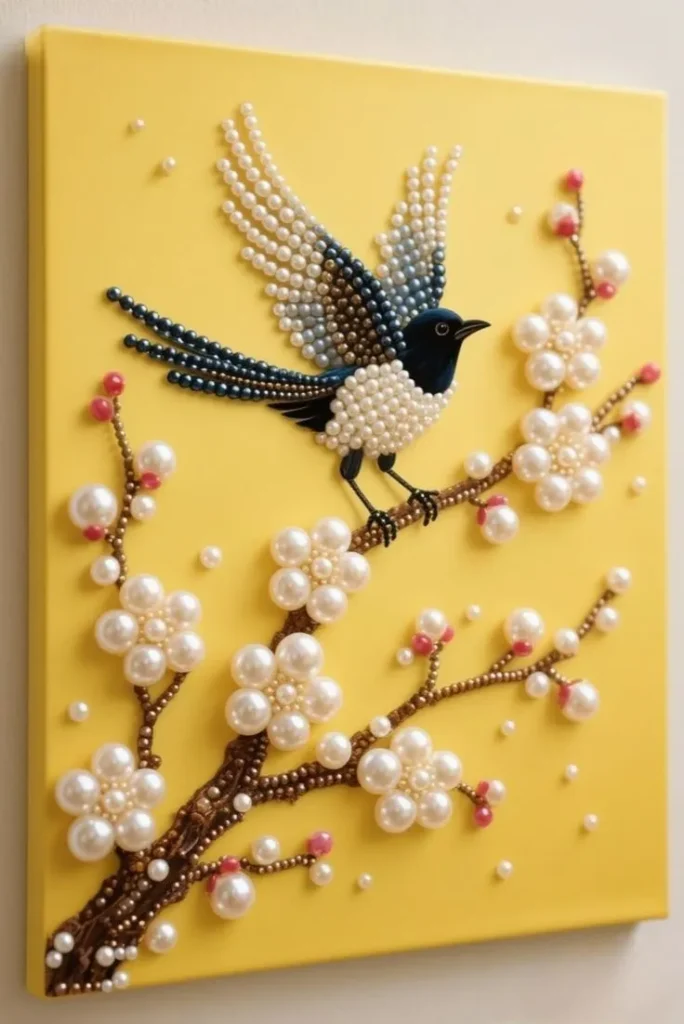
- framed sculptural wall art
- small relief pieces grouped as one composition
IKEA’s wall-decor guidance is useful here because it shows how a wall can feel finished through smart layering rather than expensive materials alone.
Pros
- affordable
- renter-friendly options exist
- easier to replace later
- Good for testing the style
Cons
- Some cheaper textures can look flat up close
- Adhesive products may not last as long
- Lightweight materials can feel less premium
Premium / Luxury Options
Luxury 3D wall decor usually includes:
- custom wood slat walls
- plaster finishes
- stone or ceramic reliefs
- built-in panel systems
- handcrafted art installations
Architectural Digest’s 2026 forecast points toward richer, more expressive interiors, where sculptural details and tactile surfaces play a central role. The look is less about loud decoration and more about material quality and confidence.
Pros
- high-end appearance
- stronger resale-style appeal
- better visual depth
- more custom and memorable
Cons
- higher cost
- more planning needed
- may require professional installation
Smart and Modern Design Trends for 2026
Current trend coverage points to a few clear directions:
- embossed wallpaper
- trompe-l’œil wall effects
- natural texture
- artisan-made surfaces
- quiet-luxury finishes
- sculptural feature walls
BHG’s wallpaper trend coverage and Architectural Digest’s forecast both show that walls are becoming more tactile and expressive in 2026. The common thread is not excess; it is a richer texture with better intention.
Best Color Combinations for 3D Wall Decor
- Warm white + oak
- Beige + stone grey
- Soft greige + brass
- Charcoal + walnut
- Sage green + natural wood
- Cream + textured linen tones
Neutral palettes are especially strong because they let the texture do the work. BHG’s quiet-luxury coverage supports warm neutrals, natural materials, and lighting that creates a soft glow rather than harsh contrast.
Lighting Tips That Make Texture Look Better
Lighting can make or break a textured wall. If the light is too flat, the texture disappears. If the light is placed well, the wall becomes the focal point.
Use:
- wall washers
- uplights
- picture lights
- sconces
- hidden LED strips
Houzz explains that grazing light and directed lighting are especially effective for highlighting texture on stone, brick, and similar surfaces. Its lighting guidance also emphasizes ambient, task, and accent lighting working together for balance.
Common Mistakes to Avoid
- using a 3D texture on every wall
- choosing a style that fits the furniture
- ignoring room scale
- forgetting lighting
- installing heavy pieces without proper support
- using low-quality adhesive products in humid areas
The most common failure is overdoing the effect. A single well-placed feature wall usually looks stronger than three competing textured surfaces. That is consistent with current feature-wall and tactile-wall guidance across interior design sources.
Expert Tips Most People Ignore
- Texture looks best when the room is edited, not crowded.
A bold wall needs visual breathing room. - Shadow matters as much as color.
Texture is most visible when lighting hits it at an angle. - One premium surface beats many cheap accents.
A single strong wall often has more impact than several small decorative pieces. - The room function should drive the style.
A bedroom wall should feel calm; a dining wall can feel more dramatic. - Materials should match your lifestyle.
Easy-clean finishes matter if the wall is in a high-touch area. Houzz and AD both note that practical application and maintenance matter when choosing textured surfaces.
How to Maintain 3D Wall Decor
Maintenance depends on the material:
- Wood: dust regularly, avoid excess moisture
- PVC/vinyl: wipe gently with a soft cloth
- Textured wallpaper: clean lightly and follow the manufacturer’s instructions
- Plaster: avoid harsh scrubbing
- Ceramic/stone: dust and spot-clean carefully
Textured surfaces can be more beautiful but also more delicate to maintain, especially if they have deep grooves or custom finishes. AD specifically notes that textured wall treatments can be harder to repair or remove, so care should be part of the buying decision.
Who Should Choose 3D Wall Decor?
This style is ideal for:
- homeowners who want one strong focal wall
- renters who want a removable texture
- apartment dwellers who want more depth without renovation
- design lovers who prefer tactile, modern interiors
- Anyone styling a bedroom, living room, dining room, or TV wall
Who Should Avoid It
It may not be the best fit if:
- You want a completely minimal blank-wall look
- You dislike visual texture.
- Your room already has many strong finishes
- You need the easiest possible cleaning routine
People Also Ask
Yes. Current design coverage shows that texture, embossing, sculptural forms, and tactile finishes are very relevant in 2026. The trend is strongest when used as a feature wall rather than everywhere.
Peel-and-stick textured wallpaper and lightweight panels are usually the easiest options. They are especially useful for renters and quick room updates.
Living rooms and bedrooms are the safest starting points. Dining rooms and TV walls can also work well if the texture is balanced and the lighting is planned.
It can if the pattern is heavy or the room is already crowded. In smaller rooms, lighter colors and one feature wall usually work best.
Wood, plaster, ceramic, and custom panel systems usually create the most premium effect. Architectural Digest’s 2026 forecast supports sculptural, tactile finishes as part of a richer luxury interior direction.
Conclusion
If you want a wall that feels modern, memorable, and more expensive without looking overdone, 3D wall decor is one of the strongest choices you can make. The best results usually come from a single feature wall, the right material for the room, and lighting that brings out the texture. That approach works for homeowners, renters, small spaces, and luxury interiors alike. It also fits the direction of 2026 design, which is moving toward tactile, sculptural, and more Personal Walls.
For TheRoomsArt.com, this topic is a strong pillar article because it connects home decor, interior design, room makeovers, wall art, and modern styling into one useful guide. Readers can move from inspiration to action without leaving the page. That is exactly what ranking content should do.
Legal disclaimer: Prices, materials, trends, and product availability may change over time depending on region, suppliers, and brands. Always verify dimensions, materials, and compatibility before purchase or renovation.
