
Introduction
Wall Panel Decor has moved far beyond simple trim and traditional woodwork. In 2026, it is one of the smartest ways to add texture, warmth, and architectural interest to a room without rebuilding the entire space. That matters because today’s interiors are leaning into richer surfaces, stronger color choices, tactile finishes, and comfort-driven design. Architectural Digest’s 2026 forecast highlights wellness details, artisanal touches, and more expressive interiors, while other 2026 design coverage points to saturated walls, color-drenching, and warm wood-forward spaces as major directions.
For homeowners, renters, and design lovers, that creates a big opportunity. Wall panels can make a living room feel more expensive, a bedroom feel calmer, a hallway feel finished, and a bathroom feel more polished. They can also solve practical problems: hiding imperfect walls, improving sound, and giving plain rooms a clear focal point. Home Depot describes wall panels as an affordable DIY way to add architectural interest and texture, while IKEA’s wall-panel and acoustic-panel ranges show how panels can also bring durability and noise control into the picture.
This guide is built to answer the full search intent around wall panel decor: what it is, which type works best, how much it may cost, how to install it, how to style it, and how to avoid expensive mistakes. It is designed to help readers make a confident decision instead of bouncing back to Google for more answers.
Quick AI Overview Answer
Wall panel decor is a design upgrade that adds texture, depth, and style to plain walls using materials like MDF, wood slats, PVC, beadboard, or acoustic panels. It works especially well for accent walls, small rooms, bedrooms, living rooms, and moisture-prone areas when the right material is chosen.
What is Wall Panel Decor?
Wall panel decor means using decorative panels or panel-style treatments on interior walls to create texture, structure, and visual interest. The look can be traditional or modern, subtle or dramatic. It includes everything from board-and-batten and picture-frame molding to 3D panels, slat walls, beadboard, and marble-effect PVC panels.
In simple terms, wall panels turn a plain flat wall into a design feature.
They can be used to:
- frame a bed or TV wall
- Create a dining room focal point
- make a hallway feel less empty
- Add character to a bathroom or kitchen
- soften the noise in bedrooms and home offices
A good wall panel design does more than look nice. It helps the room feel intentional. That is why it is such a strong choice for modern interiors, especially when the goal is a more finished, high-end feel without a full renovation.
Mini summary
Wall panel decor is both decorative and functional. It adds texture, defines spaces, and can improve comfort, acoustics, and perceived value.
Why Wall Panels Matter in 2026
Wall panels are especially relevant right now because interior design is moving toward texture, warmth, craftsmanship, and more expressive walls. AD’s 2026 forecast emphasizes artisanal details and luxury interiors with more character, while broader trend coverage highlights saturated color, color drenching, and rich, lived-in finishes. BHG’s 2025–2026 design coverage also shows that wood-drenched and panel-led rooms are being used to create cozy, nature-forward spaces.
Three reasons they matter now:
- They solve the “blank wall problem.”
Many modern homes use open layouts and smooth drywall. Panels add structure. - They help rooms feel warmer.
Texture and wood tones make a room feel less cold and more grounded. - They work in both budget and luxury spaces.
You can use painted MDF, peel-and-stick panels, or premium slat systems, depending on budget.
This is why wall panels work so well for 2026 searches. Readers are not only looking for inspiration. They want a wall treatment that feels current, practical, and worth the effort.
Mini summary
Wall panels match 2026 design trends because they add texture, warmth, and personality while still solving practical room-design problems.
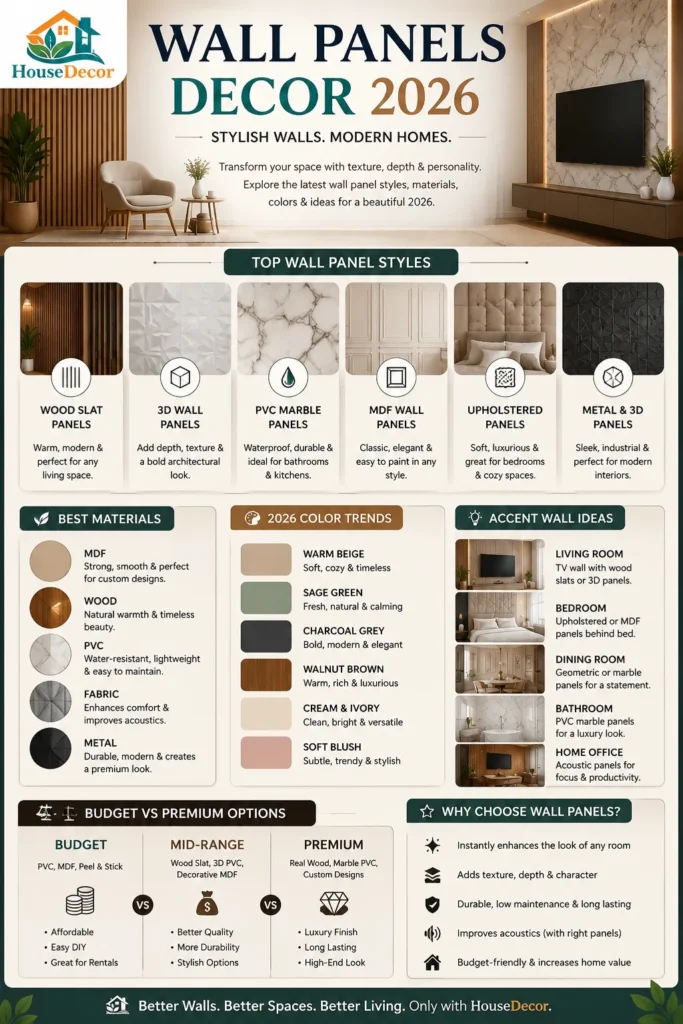
Best Types of Wall Panel Decor
| Panel Type | Best For | Main Benefit | Watch Out For |
| MDF panels | Bedrooms, living rooms, hallways | Smooth, paintable, versatile | Not ideal for high moisture |
| Wood slat panels | Living rooms, offices, media walls | Warm, modern, acoustic feel | Higher cost than MDF |
| 3D panels | Accent walls, retail-style looks | Strong visual depth | Can feel too busy in small rooms |
| PVC marble panels | Bathrooms, kitchens, feature walls | Waterproof look, easy care | Quality varies by brand |
| Beadboard | Bathrooms, mudrooms, cottages, coastal rooms | Classic texture and charm | Can feel dated if overused |
| Board and batten | Bedrooms, dining rooms, entryways | Clean, elegant structure | Needs careful layout |
| Upholstered panels | Bedrooms, luxury spaces, media rooms | Softness and sound reduction | More maintenance |
| Acoustic panels | Offices, bedrooms, apartments | Noise control and comfort | Must be chosen for real sound needs |
BHG’s wall paneling coverage shows how broad the category is, from board-and-batten and millwork to geometric patterns. It also points out that the best choice depends on room size, architectural style, and layout. IKEA’s acoustic panels show the functional side of the category, especially for reducing noise in bedrooms and offices.
Which type is best overall?
There is no single winner. For most readers, the safest all-round choice is painted MDF paneling for dry rooms and PVC or acoustic solutions for bathrooms, kitchens, or noise-sensitive spaces.
Wall Panels by Room: Best Ideas That Actually Work
Living Room
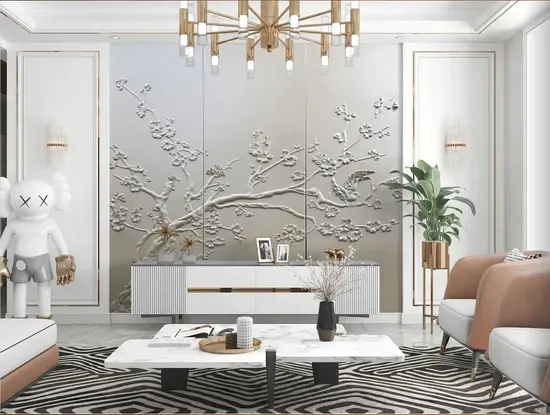
Living rooms usually need a strong focal point. A full or partial panel wall behind the TV, Sofa, or fireplace works well because it frames the room instead of leaving it visually flat.
Best ideas:
- wood slat TV wall
- geometric MDF accent wall
- picture-frame molding behind a sofa
- dark painted panel wall for a luxe effect
BHG shows that bright or patterned wall paneling can instantly upgrade a living room accent wall, especially when the goal is depth and character.
Bedroom
Bedrooms benefit from softer paneling choices that feel calm. Paneling behind the bed can also act like a built-in headboard.
Best ideas:
- upholstered panels behind the bed
- board-and-batten in a soft neutral
- vertical slats for a Scandinavian feel
- painted geometric trim for a custom look
Dining Room
Dining rooms are ideal for more dramatic paneling because they are usually used for social moments.
Best ideas:
- deep color panel wall
- paneling with brass accents
- half-wall treatment with art above it
- full-height geometric molding
Bathroom
Bathrooms need the right material, not just the right look. The safest choices are waterproof or moisture-resistant wall panels.
Best ideas:
- PVC marble-effect panels
- beadboard wainscoting
- tile-look panel systems
- painted paneling above splash zones if the product is moisture-safe
IKEA’s wall panel range highlights easy-clean, durable wall panels and splashbacks, showing why moisture-friendly options matter in kitchens and similar areas. BHG also notes that bathroom paneling can add visual interest even in a small bathroom.
Home Office
Office walls should feel focused, not distracting. Acoustic panels are a strong choice because they support concentration while still looking decorative.
Hallway / Entryway
Hallways often need character more than furniture. Vertical paneling, board-and-batten, or narrow molding grids can make a tight passage feel more designed.
Best Wall Panels Decor Ideas by Interior Style
| Style | Best Panel Choice | Color Direction |
| Modern luxury | Glossy paneling, dark wood slats, geometric trim | Black, walnut, cream, burgundy |
| Scandinavian | Light oak slats, simple MDF lines | White, sand, beige, pale oak |
| Minimalist | Flat panels, subtle vertical slats | Warm white, taupe, gray |
| Boho | Textured wood, cane-inspired panels, soft natural finishes | Clay, tan, sage, ivory |
| Farmhouse | Board-and-batten, shiplap, beadboard | White, soft gray, muted green |
| Industrial | Metal-look panels, darker geometric walls | Charcoal, iron, wood tones |
| Coastal | Beadboard, painted slats, airy trim | White, blue-gray, sand |
| Neo Deco/luxe modern | Sculptural panels, bold trim, lacquered finishes | Emerald, aubergine, tobacco, gold accents |
The current design direction favors richer color stories and tactile surfaces. AD’s 2026 coverage points toward more expressive, luxurious interiors, and BHG’s trend reporting supports warmer, wood-forward rooms and stronger visual character. That makes wall panels a very strong fit for modern style storytelling.
Comparison: Wall Panels vs Paint vs Wallpaper
| Feature | Wall Panels | Paint | Wallpaper |
| Texture | High | Low | Medium |
| Visual impact | Strong | Moderate | Strong |
| Durability | Often high | Medium | Medium |
| Cost | Low to high | Low | Low to medium |
| DIY difficulty | Low to medium | Low | Low to medium |
| Best for | Accent walls, depth, character | Simple refresh | Pattern and mood |
| Best advantage | Architectural feel | Fast and affordable | Style variety |
Which one should the reader choose?
- Choose paint for the fastest refresh.
- Choose wallpaper for pattern and softness.
- Choose wall panels when the goal is architectural interest, a premium feel, or a more permanent design upgrade.
Budget-Friendly, Mid-Range, and Luxury Options
| Budget Level | Example Materials | Ideal Use | Approximate Value |
| Budget | MDF, beadboard, peel-and-stick panels | Rentals, small rooms, DIY accents | Low cost, high style payoff |
| Mid-range | Wood slats, better-grade PVC, trim systems | Living rooms, bedrooms, offices | Balanced look and durability |
| Luxury | Real wood, upholstered panels, custom millwork, premium acoustic systems | Feature walls, high-end homes | Highest impact and customization |
BHG’s paneling and beadboard content reinforces that even budget-friendly panel types can add charm, depth, and character. Home Depot also frames wall paneling as an affordable DIY method to add architectural interest, which makes it a strong fit for cost-conscious readers.
Budget tips that actually help
- Use paneling on one wall only.
- Paint MDF in the same color as the wall for a custom finish.
- Put the money into proportions and placement, not just expensive material.
- Use simpler panel shapes for a cleaner, less costly result.
Step-by-Step Wall Panels Installation Guide
Home Depot’s installation guide shows that a clean panel job starts with planning, numbering, aligning cut openings, applying adhesive in a wave pattern, pressing the panel into place, and finishing with trim and putty for a clean result. That means installation is often more about accuracy than speed.
DIY installation steps
- Measure the wall carefully.
Mark height, width, outlets, Switches, and window lines. - Choose the pattern first.
Vertical, grid, slat, or picture-frame layouts each create a different effect. - Dry-fit the panels.
Lay everything out before the adhesive goes on. - Number the pieces.
This helps keep the pattern aligned. - Apply adhesive properly.
Follow product instructions; many panel systems use glue plus finishing nails or brackets. - Press, level, and secure.
Small alignment mistakes become very visible with panel work. - Finish the edges.
Use trim, caulk, or filler for a polished result.
When to hire a professional
- large feature walls
- ceiling-height installations
- expensive materials
- bathroom or kitchen panel systems
- custom geometric patterns
- any wall with uneven surfaces
Mini summary
DIY paneling is realistic for many rooms, but professional help is worth it when the project is large, permanent, or highly detailed.
Pros and Cons of Wall Panel Decor
Pros
- adds instant architectural interest
- makes a room feel more finished
- works with many styles
- can hide wall flaws
- can improve acoustics with the right product
- It can be budget-friendly or luxury, depending on the material
Cons
- Some materials are not moisture-safe
- Poor installation looks obvious
- Cheap paneling can look flat or plastic
- Bold patterns may overwhelm small rooms
- Custom work can be expensive
Honest verdict
Wall panels are worth it when the goal is depth, character, and a better-designed room. They are less useful when the space needs constant change, when moisture is a major problem, or when the budget only allows very low-quality materials.
Best Color Combinations for Wall Panel Decor
The 2026 color direction is warmer and bolder than the old all-white era. AD’s trend coverage points to saturated shades like aubergine, olive, ochre, burgundy, and tobacco, while BHG’s coverage supports warmer wood-rich spaces and more expressive wall treatments.
Strong combinations to try
- Cream + walnut
- Sage green + light oak
- Charcoal + warm beige
- Burgundy + brass
- Soft white + greige
- Black + natural wood
- Dusty blue + pale wood
- Tobacco brown + ivory
Best rule for beginners
If the panel design is bold, keep the color softer.
If the panel design is simple, the color can be stronger.
That single rule prevents most design mistakes.
Best Materials for Different Goals
MDF
Best for painted decorative walls in bedrooms, living rooms, and hallways. It is smooth, versatile, and ideal for custom patterns. For many projects, it is the best value choice.
Wood
Best for warmth, richness, and timeless appeal. Wood is strong in modern luxury, Scandinavian, and earthy interiors, and it fits the current move toward warmer, wood-based spaces.
PVC
Best for moisture-prone spaces and easy-clean surfaces. IKEA’s wall-panel range shows how practical wall panels can be in kitchens where durability and cleanability matter.
Acoustic felt / fabric panels
Best for bedrooms, offices, and media rooms. IKEA’s acoustic panels are designed to reduce noise and support calmer, more functional spaces.
Beadboard
Best for charm and budget-friendly texture. BHG describes beadboard as a durable, affordable way to add warmth and character across many styles.
Expert Tips Most People Ignore
- Panel size changes the mood.
Tall vertical panels can make a room feel higher. - Paint sheen matters.
A slight sheen can help panel shapes read more clearly. - The wall behind the panel matters.
A panel wall looks best when the rest of the room is not overloaded. - Lighting changes everything.
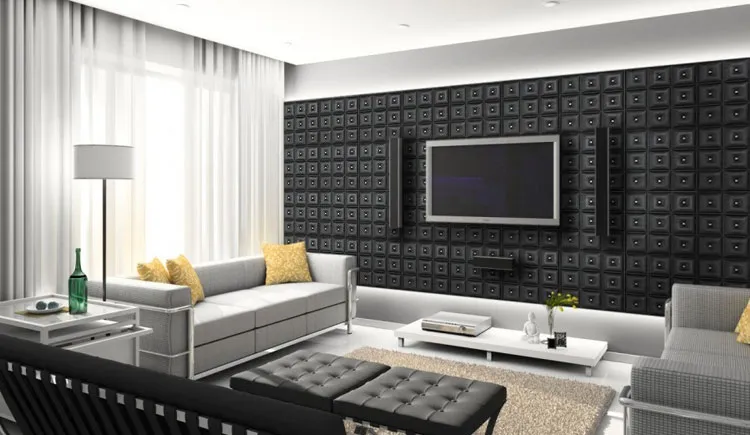
Wall washing, sconces, and warm lamps can bring out the texture. - Texture should have a purpose.
Use more detailed panels where the room needs a focal point, not everywhere.
BHG’s examples show that paneling works best when you consider room size, architectural style, and layout instead of treating it like a generic decorative add-on.
Common Mistakes to Avoid
- choosing the wrong material for a bathroom
- using too many textures in one small room
- ignoring panel proportions
- installing panels without careful measurement
- selecting a style that clashes with existing furniture
- using cheap finishes that look fake under natural light
- forgetting about maintenance before buying
Mini summary
The best wall paneling does not shout. It fits the room, improves the room, and feels intentional.
Maintenance, Care, and Long-Term Value
Different panel types need different care.
- MDF: dust regularly and avoid excess moisture
- Wood: clean gently and protect the finish
- PVC: usually easy to wipe clean with mild care
- Fabric/acoustic panels: vacuum or spot-clean based on the product guide
- Beadboard: repaint or refresh when needed to keep it crisp
IKEA’s wall-panel and acoustic-panel pages emphasize easy-clean, durable, and practical use, especially in kitchens, bedrooms, and office settings. That makes the long-term value of the right panel choice very strong for the right room.
Who Should Choose Wall Panel Decor?
Wall panels are a great choice for:
- homeowners who want a more designed room
- renters using removable or light-touch systems
- DIY decorators who want a major visual upgrade
- people with empty, flat, or awkward walls
- Anyone styling a TV wall, Bed Wall, hallway, or dining feature wall
- buyers who want texture without a full remodel
Who Should Avoid It?
Wall panels may not be the best choice for:
- renters with strict no-modification leases
- very damp spaces without the right material
- people who want to change their décor every few months
- ultra-minimal interiors that cannot handle extra texture
- rooms already crowded with patterns, art, and strong furniture shapes
Best Wall Panels Decor Ideas by Room Size
Small Rooms
Use vertical lines, soft colors, and low-contrast paneling. The goal is to create height and texture without crowding the room.
Best choices:
- vertical slats
- narrow MDF moldings
- soft board-and-batten
- pale beadboard
Medium Rooms
You can add more visual structure here.
Best choices:
- geometric paneling
- picture-frame molding
- wood slat accent walls
- darker painted feature walls
Large Rooms
Large spaces can handle bolder treatments.
Best choices:
- full-height slat walls
- large-scale geometric panels
- dramatic walnut or charcoal walls
- wide-panel luxury treatments
Natural “People Also Ask” Style Questions
Yes. They are very much in style because interiors are shifting toward texture, warmth, and more layered walls. Wood drenching, color drenching, and artisanal finishes all support the look.
Painted MDF, beadboard, and simple DIY trim patterns are usually the most affordable approaches. Home Depot also describes wall panels as an affordable DIY way to add architectural interest and texture.
PVC or other moisture-friendly wall panel systems are the safest starting point. IKEA’s wall-panel guidance highlights easy-clean, durable options for rooms where moisture and cleanup matter.
Yes, if you choose acoustic panels or sound-absorbing systems. IKEA’s acoustic range is designed to reduce outside noise and improve comfort in bedrooms, offices, and shared spaces.
It depends on the goal. Wallpaper is better for pattern, while wall panels are better for depth, structure, and a more architectural finish.
Conclusion
Wall panel decor is one of the strongest ways to make a room feel finished, stylish, and memorable. It adds texture and structure to plain walls, helps define Focal Points, and can even improve comfort when acoustic or moisture-resistant materials are used. For 2026, the most effective wall panel ideas lean into warmth, depth, and more expressive design, making this topic especially relevant for readers who want a modern yet practical home upgrade.
For TheRoomsArt.com, this topic can perform very well because it blends inspiration with decision-making. That is exactly what readers need: clear room-by-room ideas, honest material guidance, budget options, and a visual style that feels current. This article is best for homeowners, renters, DIY decorators, and anyone trying to create a more polished interior without wasting time or money.
Legal disclaimer: Prices, materials, trends, and product availability may change over time depending on region, suppliers, and brands. Always verify dimensions, materials, and compatibility before proceeding..
