
Introduction
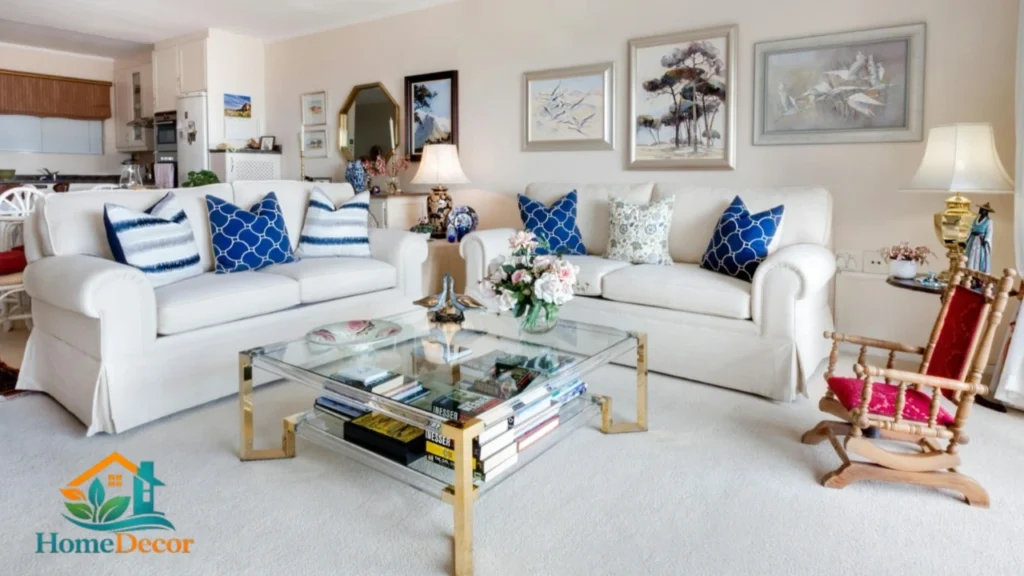
Economy Home Decor is not about making a room look cheap. It is about making smart choices that create a polished home without wasting money. That is why this topic keeps growing: people want beautiful rooms, but they also want practical spending, better storage, and decor that feels intentional.
The smartest economy home decor strategy is simple. Spend on the pieces that change the room most, save on the pieces that are easiest to swap, and use layout, lighting, and texture to make everything feel more expensive than it was. In 2026, that idea matters even more because homeowners and renters are leaning toward functional aesthetics, sustainable styling, and warm, layered interiors that feel lived-in rather than staged.
If you are decorating a small apartment, updating a family home, or trying to refresh one room at a time, this guide gives you the exact framework to do it well.
Quick answer: Economical home decor means creating a stylish, functional home by spending smartly, prioritizing high-impact changes, and choosing durable pieces that fit your space and budget.
What Is Economy Home Decor?
Economy home decor is a budget-conscious decorating approach that focuses on value, not just price. It combines style, practicality, and planning so your home looks thoughtful without feeling overdone or expensive.
It usually includes:
- Reusing what you already own
- Buying only high-impact pieces first
- Choosing versatile furniture and accessories
- Decorating room by room instead of all at once
- Mixing low-cost items with a few better-quality anchors
A good economic decor plan is never random. It starts with the room’s function, then adds color, texture, storage, and personal style in a controlled way.
Mini summary: Economy home decor is smart decorating with a clear budget, not bargain hunting without a plan.
Why Economy Home Decor Matters in 2026
In 2026, home decor is relevant for three big reasons.
First, people are more cost-aware. They want their homes to feel finished without spending heavily on trend-driven items that age fast.
Second, smaller spaces are common. Apartments, compact homes, and multi-use rooms need furniture and decor that work harder.
Third, style preferences are shifting toward warmth, comfort, and practical beauty. Current trend coverage points to warm neutrals, tactile materials, sculptural objects, accessible layouts, and a mix of classic and expressive details.
That is exactly where economy decor wins. It lets you create a home that feels current, calm, and personal without chasing every trend.
Economy Home Decor vs Cheap Decorating
These two ideas are not the same.
| Approach | What It Means | Result |
| Cheap decorating | Buying the lowest-cost item available | Often looks temporary, mismatched, or worn out quickly |
| Economy home decor | Spending wisely for long-term value and style | Looks polished, functional, and more durable |
Cheap decorating asks, “What is the least I can spend?”
Economy home decor asks, “What gives me the best result for the money?”
That difference matters.
A slightly better rug, lamp, mirror, or curtain can transform a room. A very low-cost piece that breaks or looks flimsy can actually cost more over time.
Core Principles of Economy Home Decor
1) Start with a function
Every room must work first. Before buying anything, decide what the room needs most: seating, storage, better light, visual balance, or comfort.
2) Focus on high-impact upgrades
Some changes are more powerful than others. Lighting, rugs, mirrors, art, curtains, and paint usually change a room more than random accessories.
3) Build a neutral base
A neutral base gives you flexibility. Cream, white, beige, gray, soft brown, and muted earth tones make it easier to layer accents without clutter.
4) Use texture instead of excess
When budgets are tight, texture becomes a style tool. Linen, cotton, wood, woven baskets, ceramics, and matte finishes add depth without needing a lot of items.
5) Choose pieces that can move with you
Good economy decor is flexible. A side table, storage bench, floor lamp, or neutral throw can work in several rooms and several homes.
6) Buy slowly
The biggest mistake is rushing. Better homes are built one decision at a time.
Mini summary: Economy decor is not about filling space. It is about choosing the right pieces in the right order.
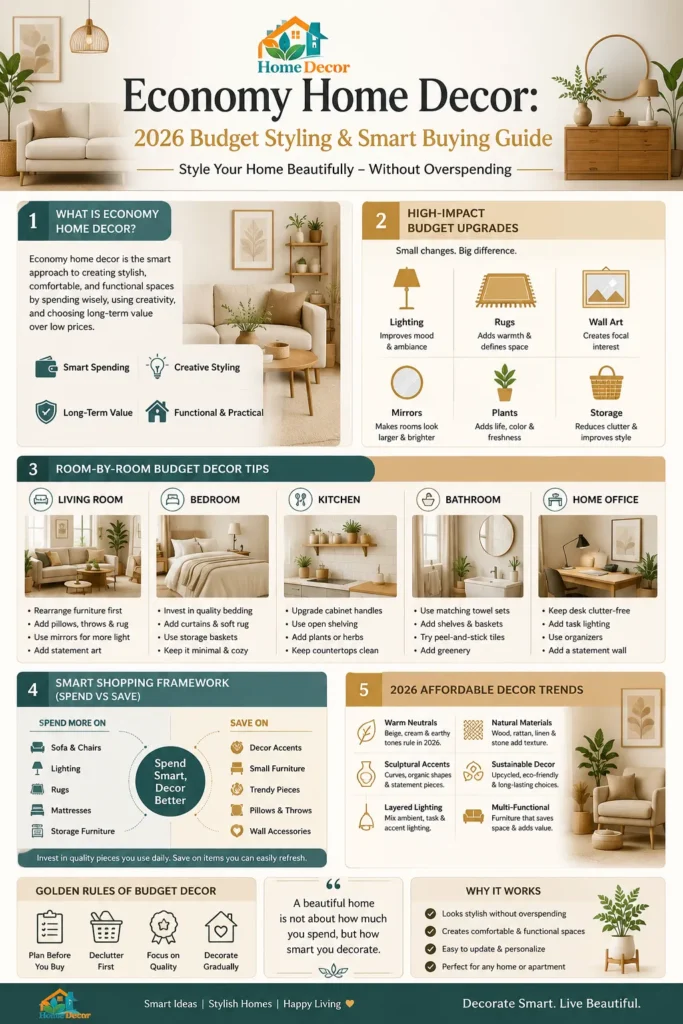
Budget Strategy Table: Where to Spend, Where to Save
| Category | Spend More On | Save On | Why |
| Seating | Sofa, dining chairs, bed frame | Accent stools, occasional chairs | These pieces are the most daily |
| Lighting | Main lamp, ceiling light, task light | Decorative bulbs, simple shades | Lighting changes mood and function |
| Textiles | Rug, curtains, bedding | Throws, small cushions, table runners | Bigger textiles shape the room more |
| Wall decor | One large artwork or mirror | Small frames, DIY prints | One strong piece beats many weak ones |
| Storage | Cabinets, baskets, organizers | Decorative boxes | Storage keeps the room visually calm |
Types and Styles of Economy Home Decor
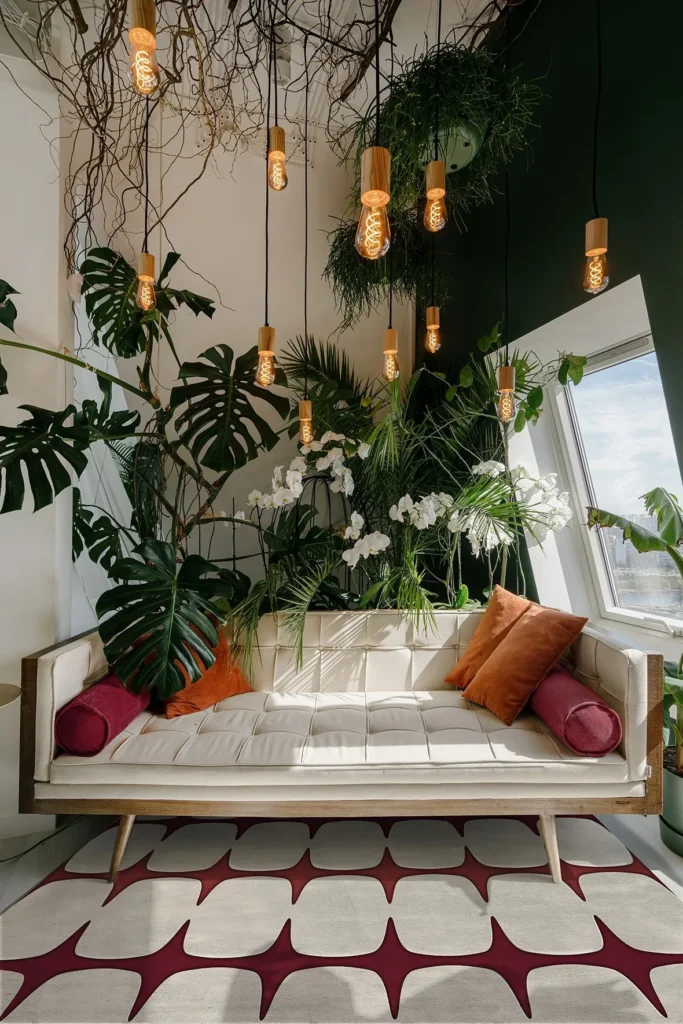
Economy home decor works across many design styles. The budget method stays the same, but the look changes.
Minimalist budget decor
Clean lines, fewer objects, Neutral Colors, and strong function.
Cozy budget decor
Soft lighting, layered textiles, warm tones, and comfort-first furniture.
Modern budget decor
Simple silhouettes, black or metal accents, and a structured layout.
Scandinavian-inspired budget decor
Light woods, airy rooms, soft neutrals, and practical furniture.
Boho budget decor
Natural materials, woven textures, plants, and layered patterns.
Rustic budget decor
Wood, handmade-looking finishes, earthy tones, and warm textures.
Apartment-friendly budget decor
Renter-safe, lightweight, modular, and easy to move.
The style matters, but the rule stays the same: buy fewer things, choose better, and make every item earn its place.
Table: Best Decor Approach by Room
| Room | Best Budget Focus | High-Impact Upgrade |
| Living room | Layout, rug, lighting | Large mirror or statement art |
| Bedroom | Bedding, curtains, storage | Headboard or wall treatment |
| Kitchen | Organization, countertop styling | Lighting or cabinet hardware |
| Bathroom | Towels, storage, mirror | Shelf unit or wall color |
| Home office | Desk setup, task lighting | Organizer wall or backdrop |
How Economy Home Decor “Gets Made” in Real Life
Even though this is not a manufacturing-heavy topic, good economy decor still follows a production logic. The best value pieces usually come from thoughtful material selection, efficient construction, and simple finishing.
Here is what matters behind the scenes:
1) Material choice
Wood, metal, glass, ceramic, cotton, linen, and woven fibers each deliver different price points and durability levels.
2) Construction
Well-made decor and furniture usually feel stable, aligned, and finished cleanly. Loose joints, rough edges, and weak hardware are red flags.
3) Finishing
Paint, stain, fabric edging, stitching, and surface treatment affect how premium a piece looks.
4) Quality control
Even affordable products can look good if the manufacturer checks consistency, stitching, measurements, and finish quality.
5) Shipping and assembly
Flat-pack and modular furniture can be economical because they reduce cost, but the product must still be easy to assemble and stable.
Mini summary: In budget decorating, quality is not only about price. It is about structure, finish, and how the piece performs over time.
Room-by-Room Economy Home Decor Ideas
Living Room
The living room is usually the first space people notice, so it deserves a smart plan.
Start by editing the layout. Move Furniture before you buy anything new. Many rooms only need a better arrangement to feel larger and more functional.
Then focus on these changes:
- Add a rug that anchors the seating area
- Use one large mirror to reflect light
- Choose two or three coordinated pillows instead of many random ones
- Add a lamp for layered lighting
- Use a coffee table tray to make surfaces look organized
- Bring in one statement piece of art rather than many small pieces
For a tighter budget, thrift a side table or repaint an older piece in a clean neutral finish.
Best keyword targets: budget living room decor, affordable wall art, DIY living room makeover
Quick takeaway: The living room changes fast when you improve layout, lighting, and one strong focal point.
Bedroom
A bedroom should feel calm, soft, and uncluttered.
The highest-return bedroom upgrades are:
- Better bedding
- Matching curtains
- A simple bedside lamp
- Under-bed storage
- A rug that softens the room
- Two or three carefully chosen wall pieces
Do not overfill a bedroom with decorative items. The room should feel restful first.
If money is tight, spend on bedding and curtains before buying more decor. Those two items often change the entire mood of the room.
Best keyword targets: bedroom budget decor ideas, cheap bedroom makeover, cozy bedroom decor on a budget
Kitchen
Kitchen decor works best when it is functional.
Try these updates:
- Replace cabinet handles or knobs
- Use matching jars or containers
- Keep counters visually clear
- Add a small plant or herb setup
- Style open shelves with simple, coordinated items
- Upgrade the lighting if the room feels dull
Avoid cluttering the kitchen with too many decorative objects. A clean kitchen almost always feels more expensive than a crowded one.
Best keyword targets: affordable kitchen decor, budget kitchen design, small kitchen styling ideas
Bathroom
Bathrooms can look much better with small changes.
Good budget updates include:
- Coordinated towels
- Better storage baskets
- A cleaner mirror
- Simple shelf styling
- Moisture-safe wall decor
- Fresh lighting if the room feels flat
If the bathroom is renter-friendly, use removable upgrades such as peel-and-stick accents, removable hooks, and storage units that do not require major installation.
Best keyword targets: bathroom budget decor, cheap stylish accents, renter-friendly bathroom decor
Home Office
A home office should reduce mental clutter.
Focus on:
- A clean desk surface
- Proper task lighting
- Cable organization
- One visual backdrop
- A supportive chair
- A small plant or artwork for energy
This room should help you work better, not just look cute on camera.
Best keyword targets: budget home office decor, affordable desk setup, small home office ideas
Entryway
The entryway is small but powerful.
Useful changes include:
- A slim bench
- Hooks or a wall rack
- A mirror
- A tray for keys
- A rug that can handle traffic
This is one of the best places to use economy home decor because a few smart items can make the whole home feel more organized.
Best Shopping Strategies for Economy Home Decor
1) Buy the room’s foundation first
Rug, lighting, curtains, seating, and storage should usually come before decorative extras.
2) Use thrift and secondhand sources
Secondhand shopping can deliver better materials and more character for less money.
3) Watch for sales, bundles, and clearance
This is especially useful for lamps, mirrors, pillows, baskets, and wall art.
4) Mix one better piece with simpler supporting pieces
A good budget room often includes one strong anchor and several low-cost complements.
5) Avoid impulse buys
If an item does not solve a problem or improve the room visually, it probably is not needed.
Comparison Table: Smart Purchases vs Wasteful Purchases
| Smart Purchase | Why It Works | Wasteful Purchase | Why It Fails |
| Large mirror | Opens a room and reflects light | Small random decor pieces | Adds clutter without impact |
| Neutral rug | Anchors furniture and adds softness | Thin decorative mat | Looks temporary and wears fast |
| Quality lamp | Improves mood and function | Cheap lamp with poor balance | Can look flimsy and age quickly |
| Storage baskets | Reduces visual clutter | Unused novelty items | Solves no real problem |
How to Build a Budget Decorating Plan
Use this simple process:
- Walk through the room and note what feels off.
- Decide the room’s main purpose.
- Choose one main color direction.
- Pick one anchor item first.
- Add lighting and storage next.
- Fill in texture with textiles and accessories.
- Stop before the room feels crowded.
This method keeps you from overspending on things that do not matter.
Pros and Cons of Economy Home Decor
Pros
- Affordable way to make a real visual change
- Easier to update over time
- Encourages creativity and personal style
- Works well for renters and small spaces
- Helps avoid wasteful purchases
Cons
- Cheap mistakes can be tempting
- Requires patience and planning
- Lower-cost items may need replacing sooner
- Too many small purchases can still add up
Mini summary: Home decor works best when you buy with purpose, not pressure.
Common Buyer Mistakes to Avoid
1) Buying too many small items
Many small items rarely create a strong design. One larger, more purposeful piece usually works better.
2) Ignoring scale
A tiny rug, an undersized art piece, or a short lamp can make the room feel awkward.
3) Following every trend
Use trends carefully. Choose the ones that fit your home instead of forcing a style that will not last.
4) Forgetting lighting
Poor lighting makes even nice decor look flat.
5) Decorating before decluttering
A cluttered room will never feel polished, no matter how many things you add.
6) Spreading the budget too thin
It is better to improve one room properly than to buy five weak items for five rooms.
Expert Tips Most Buyers Ignore
- Paint or wall color often has more impact than more decor.
- Layering textures matters more than using many colors.
- A room feels better when storage is hidden, not exposed.
- Matching the undertone of wood, fabric, and paint improves cohesion.
- Space is not a mistake. It gives the eye a place to rest.
- One strong focal point is better than a room full of distractions.
These are the details that separate a cheap-looking room from a smart-looking room.
Care, Cleaning, and Maintenance Tips
Budget decor lasts longer when it is maintained properly.
For textiles
Wash according to label instructions, Rotate Cushions, and keep fabrics out of constant direct sun when possible.
For wood and furniture
Dust regularly, use gentle cleaners, and protect surfaces from moisture and heat.
For mirrors and glass
Use a streak-free cleaner and a soft cloth. Avoid harsh scrubbing.
For baskets and woven items
Vacuum lightly or dust gently to prevent buildup.
For wall decor
Check hanging hardware, avoid humid spots when the material is delicate, and clean frames with care.
A well-maintained budget piece can outlast a more expensive item that is ignored.
Who Should Buy Economy Home Decor?
This approach is ideal for:
- Renters
- Homeowners on a budget
- First-time decorators
- Families furnishing multiple rooms
- Small apartment residents
- People who like changing styles without overspending
- Anyone who wants a stylish home with practical spending
Who Should Avoid This Approach?
Economy home decor may not be the best fit for people who:
- Want fully custom luxury interiors
- Prefer designer-only pieces in every room
- Need a complete renovation rather than decorating
- Do not want to plan purchases carefully
That does not mean budget decor is lesser. It just means every style has a different goal.
Future Trends in Economy Home Decor
The next wave of budget decorating will likely focus on:
- Sustainable and secondhand styling
- Warm neutrals and earthy tones
- Tactile materials like linen, wood, stone, and woven fibers
- Sculptural accents and statement objects
- More flexible, multi-use furniture
- Rooms that feel cozy but not crowded
- Practical beauty that works for daily life
Recent 2026 trend coverage from major design publishers points in the same direction, with strong interest in warm colors, tactile materials, handcrafted details, accessible layouts, rich materials, and practical pieces that still feel expressive.
Mini summary: The future of the economy’s home decor is not “cheaper.” It is smarter, warmer, and more intentional.
FAQs
It means decorating your home stylishly and practically while keeping spending under control. The goal is value, not just a low price.
Focus on lighting, layout, large-scale pieces, coordinated colors, and texture. A clean room with one strong focal point often looks more premium than a room full of small items.
Start with the pieces that shape the room most: rug, lighting, curtains, seating, and storage. Those usually have the biggest visual impact.
Yes. Thrift and secondhand pieces can give you better materials, unique character, and more value if you choose carefully.
Limit the number of items, use a consistent color palette, and make storage part of the design. Clutter is the fastest way to make a room feel cheap.
Conclusion
Economy home decor is not about settling for less. It is about choosing better, spending smarter, and designing with intention. When you focus on function first, use texture and lighting well, and buy the right pieces in the right order, even a modest budget can create a polished home.
This guide is best for renters, first-time decorators, families, small-space owners, and anyone who wants a more beautiful home without wasteful spending. If you build it room by room and keep the design simple, your home will feel calmer, more personal, and more expensive than the money suggests.
Add this pillar to your content cluster, link it to your room-by-room guides, and keep expanding around budget decor, small-space styling, storage, and DIY upgrades.
Legal disclaimer: Leather quality, pricing, manufacturing standards, and product availability may vary by country, brand, and supplier. Always verify authenticity, Material Details, and care instructions before purchase.
