
Introduction
Choosing the right Sofa For Small Living Room spaces is one of the most important design decisions you can make. The sofa is usually the largest and most visually dominant piece in the room, so it affects how the space feels, how people move through it, how much light the room keeps, and how comfortable the whole setup becomes. A small living space might turn stuffy fast if the couch doesn’t fit just right. Yet when the shape, size, and color line up, the whole area breathes easier – lighter on the eyes, smoother to move through, somehow calmer to be inside.
Sofa for Small Living Room
Just because a living room is small doesn’t mean it must have a little sofa. What matters most? Proportion, form, fabric, plus where you put it. Too big a couch can swallow the space whole. On the flip side, one too narrow might seem adrift – or worse, leave people standing. Furniture that fits isn’t just about being smaller. It’s how space breathes around it – where ease of movement meets balanced form and cozy function, linked by design sense.
Picture this: picking a sofa for a tiny living room in 2026 doesn’t need confusion. Start by sizing up your floor area – knowing exact dimensions matters more than trends. Once the numbers are clear, stack different models side by side using those measurements. Compact spaces often shine with low-profile designs; they leave breathing room above and around. Instead of crowding one corner, float the piece slightly away from the walls to create flow. Light fabrics bounce light, but texture plays a role too – matte finishes can trick the eye into seeing depth. Slipcovers? They help if life gets messy, though tight upholstery holds shape longer.
Hidden storage under cushions adds function without noise. Fold-out beds work only if guests come monthly, not weekly. Match the frame color to floors or window frames – it ties things together quietly. A good fit feels natural, like it was always meant to be there. Success isn’t about size; it’s about rhythm between object and space.
Why Choosing the Right Sofa for Small Living Room Spaces Matters
A tiny space makes each furnishing matter more, both in look and purpose. Not merely a place to sit, the sofa becomes the centerpiece of the lounge area. Its presence shapes how the room feels, moves, and works. Too large, and it cuts off paths, swallows sunlight, and leaves little breathing room. When picked thoughtfully, though, it opens things up, brings order, settles the air.
Now here’s how furniture shapes a space. Lighter frames with slender arms plus exposed legs give off an airy, clean impression. When the back rises too tall, or the frame swells wide, tight areas start closing in. Size isn’t just about fitting through the door. Even snug rooms sometimes handle larger pieces – just not ones that crowd the walls or swallow floor area. Balance shifts everything.
A good sofa picks up where comfort leaves off. It holds its shape after years of use. One that fits the room without crowding it stands out quietly. Style matters only when it doesn’t shout. Lasting value hides in stitching, not slogans.
A space needs breathing room, so size matters more than you might think. Litter must stay off the trails. Paths work better when clear. A space works best when it fits what you need it for. It should look visually light. Comfort matters when you use it every day. Together, these pieces make a tiny space seem bigger than it really is. Not cramped anymore – just clear, clean, done right.
How to Measure Your Small Living Room Before Buying
Buying a sofa without measuring is one of the most common and expensive mistakes people make. A sofa may look perfect online or in a showroom, but if it does not fit through the doorway, cannot turn the hallway corner, or blocks the natural movement of the room, it becomes a problem rather than a solution.
Measuring before buying solves that problem early. It helps you avoid delivery issues, layout mistakes, and scale mismatches. It also gives you confidence because you are choosing based on real room dimensions instead of guesswork.
Measure the room itself.
Start with the basic dimensions of the room. Record:
wall length
wall width
ceiling height
window height and placement
door positions and swing direction
radiators, vents, power outlets, and built-in features
These numbers matter because they define your actual usable space. A sofa must fit within the room, but it must also work around the existing architecture. A window ledge, outlet, or door swing can determine where the sofa should or should not go.
Measure the walking space.
A small living room still needs circulation. People should be able to move around the sofa without squeezing through narrow gaps or turning sideways. If the room feels difficult to cross, it will feel smaller than it really is.
Try to keep movement paths as open and direct as possible. Even a few extra inches of walkway can dramatically improve the comfort of the room. This is one of the easiest ways to make a compact living room feel less cramped and more usable.
Measure the delivery route.e
The sofa has to enter the house before it can live in the room, so the delivery path matters just as much as the room itself. Measure:
front door width and height
hallway width
stair turns
narrow corners
elevator size, if applicable
interior doors along the route
Also check the sofa’s width, depth, height, and diagonal depth. The diagonal measurement is especially useful because some sofas can fit through spaces only when angled during delivery.
This step matters even more for sectionals, modular sofas, and deep-seat models.
Sketch your layout
A simple sketch can save you from a poor furniture decision. Draw the room to scale on paper or use a digital planner. Mark where the sofa, coffee table, TV, side table, chair, and rug will go. This lets you test several arrangements before you buy anything.
When you sketch the layout, think about use, not just appearance. Ask yourself where people will walk, where the focal point is, and how the furniture will support everyday life. A good sofa layout should feel natural, not forced.
Simple measurement checklist
| What to Measure | Why It Matters | Best Practice |
| Wall length | Tells you the maximum sofa span | Measure corner to corner |
| Door swings | Prevents blocked openings | Check the full opening range |
| Hallways and entry points | Confirms delivery fit | Measure width and height |
| Walking paths | Protects the room flow | Leave clear circulation |
| Sofa dimensions | Confirms proper scale | Compare width, depth, and height |
Sofa Size Guide: What Works Best in a Small Living Room
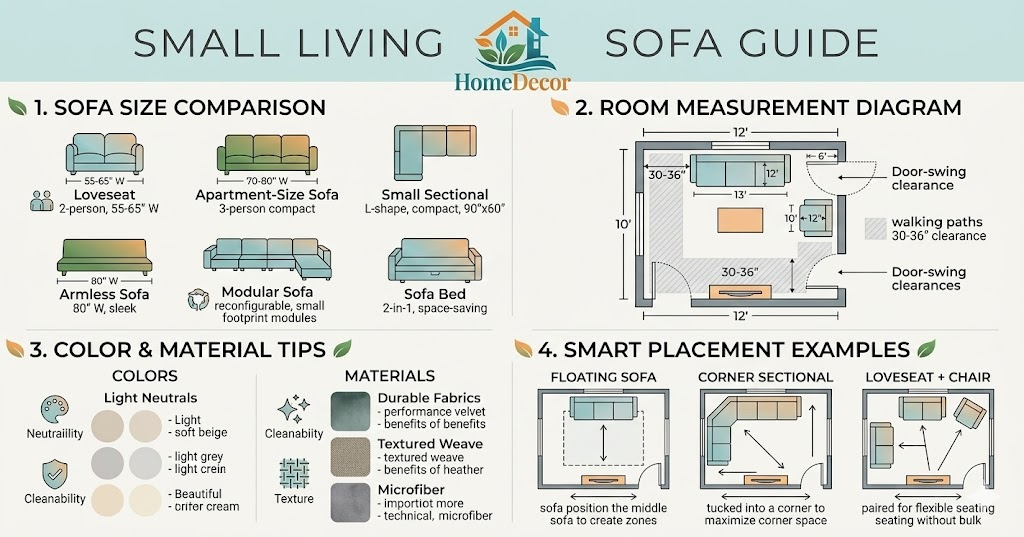
Once the room is measured, the next question is size. In small spaces, size decisions should be based on function, scale, and movement rather than on aesthetics alone. A sofa that looks beautiful online may still be wrong for your room if it takes over too much floor area.
The best sofa size depends on how the room is used. A room designed mainly for reading, quiet sitting, or TV use may only need a loveseat or compact sofa. A room that also serves as a guest area, family lounge, or multipurpose zone may need a small sectional or sleeper sofa.
Best sofa types for compact spaces
| Sofa Type | Best For | Why It Works |
| Apartment-size sofa | Every day, sitting in a small room | Balanced comfort without overwhelming the layout |
| Loveseat | Narrow rooms or two-person seating | Small footprint and easy placement |
| Small sectional | Corner layouts and family use | Makes efficient use of corners |
| Armless sofa | Tight rooms and modern layouts | Looks slimmer and visually lighter |
| Sofabed/sleeper | Guest use and multifunction spaces | Adds a sleeping function without a separate bed |
| Modular sofa | Flexible living rooms | Rearranges as needs change |
What size should you choose?
There is no single perfect size for every small living room. The best choice depends on the room’s shape, the number of people using it, and whether you need the sofa to do more than one job.
If the room is narrow, a loveseat or armless sofa may be the smartest option. If the room is square and you want a cozier layout, a small sectional can work well. If the room also needs to host overnight guests, a sofa bed might be the most efficient choice. If the room changes often, a modular piece may give you the most flexibility.
The most useful rule is simple: choose the smallest sofa that still gives you the comfort and seating you actually need. A smaller footprint usually works better in a compact room, but the sofa should still feel generous enough to use every day.
Best Sofa Styles for Small Living Rooms
Style matters because some sofas look heavier than others, even when they are Similar In Size. A sofa’s arms, legs, back height, silhouette, and cushion shape all influence how open or closed a room feels. In a small living room, the goal is to reduce visual weight while keeping comfort high.
Loveseat – Compact and Cozy
A loveseat is often the safest and easiest choice for small living room spaces. It provides enough seating for two people without occupying excessive floor area. It is especially useful in apartments, studios, and rooms where you still want space for a chair, side table, or small media unit.
A loveseat works well because it keeps the room uncluttered and can be paired with a single accent chair if more seating is needed. It is practical, adaptable, and visually manageable.
Best for: narrow rooms, couples, smaller apartments, relaxed sitting areas
Why it works: compact footprint, easy placement, lighter visual effect
Armless Sofa aximum Seating, Less Bulk
An armless sofa is a strong option when space is limited and every inch matters. Without bulky arms, the sofa appears sleeker and sometimes offers slightly more usable sitting width. Its silhouette is simpler, which helps the room feel less crowded.
This style is especially effective in modern, minimalist, or transitional interiors. It pairs nicely with slim side tables and does not block the visual line of the room.
Best for: modern rooms, narrow walkways, clean interiors
Why it works: reduced visual weight, more streamlined shape, easy to style
Small Sectional or L-Shape
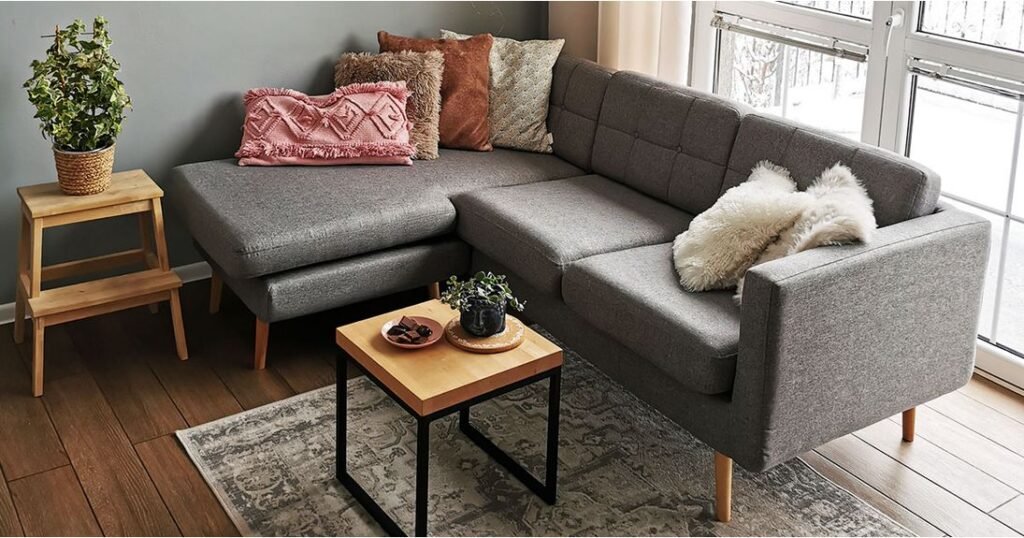
A small sectional can be extremely effective in the right room. It uses corner space efficiently and can help define a seating zone without needing multiple separate chairs. In a room with an awkward corner or a long wall, a compact sectional may be the most effective layout choice.
The key is proportion. A sectional only works in a small room when it is carefully measured and does not dominate the center of the floor plan. When selected well, it can create a cozy, finished look.
Best for: family rooms, corner-heavy layouts, TV-focused rooms
Why it works: uses corners efficiently, creates a defined lounge area
Sofa Bed or Sleeper Sofa
A Sofa Bed is ideal when the living room must perform multiple roles. In a studio apartment, guest room, or hybrid living space, a sleeper sofa provides seating by day and sleeping space by night. This makes it one of the most useful pieces of furniture for compact homes.
Modern sleeper sofas are often more attractive and more comfortable than older models. They can be practical without looking bulky if you choose a low-profile design.
Best for: guest spaces, studio apartments, multipurpose rooms
Why it works: two functions in one footprint, efficient use of space
Modular Sofa
A modular sofa is useful because it adapts to different configurations. You can rearrange it, expand it, or simplify it depending on your needs. That makes it valuable for renters, families, and anyone whose living arrangement may change over time.
A modular system is especially helpful when you want long-term flexibility. Rather than committing to a fixed layout, you can update it as your life changes.
Best for: flexible homes, growing families, future-moving households
Why it works: rearrangeable, scalable, adaptable
Color and Material Strategy for Small Rooms
Color and material have a major influence on visual space. A sofa in a light, reflective fabric often looks softer and smaller than a dark, heavy-textured alternative. That does not mean dark colors are wrong. It simply means they need better balance.
Best colors for a small living room
Neutral and light shades usually work best because they reflect more light and create a calmer atmosphere. Excellent choices include:
cream
beige
light grey
soft taupe
muted warm white
pale oatmeal
soft sand tones
These colors help the sofa blend with the room rather than dominate it. In a small room, that blending effect can make the whole space feel more open.
Dark colors can still be beautiful, especially if the room has lots of natural light or if the sofa is balanced with light walls, a bright rug, and reflective décor. The key is contrast management. A dark sofa in a dark room can feel heavy. A dark sofa in a bright, layered room can feel elegant.
Best materials for everyday use
Small rooms often see heavy use, so the sofa fabric should be durable and easy to maintain. Good choices include:
microfiber
performance linen
stain-resistant woven fabric
easy-clean upholstery
durable cotton blends
performance velvet for a richer look
For active households, practicality matters. A sofa should be attractive, but it should also be able to handle daily use, snacks, pets, children, and general wear.
Best visual tricks for a lighter-looking sofa
A sofa will usually look lighter when it has:
exposed legs
slim arms
a low back
simple seams
compact cushions
a clean silhouette
These details reduce bulk and help the sofa feel more airy. In a small room, subtle design details often matter more than people realize. A sofa with the right profile can make a room look instantly more refined.
Smart Sofa Placement Techniques That Make a Room Feel Bigger
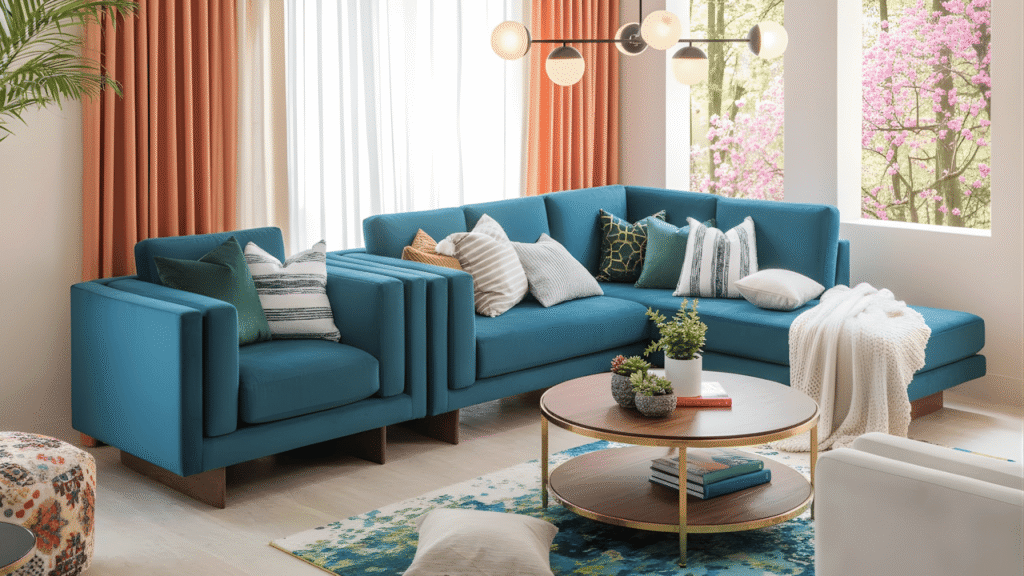
Even a perfect sofa can feel wrong if it is placed poorly. Placement affects how open the room feels, how people move through it, and how the sofa relates to the rest of the furniture. In a small room, the layout strategy is just as important as the sofa itself.
Float the sofa slightly away from the wall.
Many people automatically push the sofa against the wall, but that is not always the best choice. Leaving a small gap behind the sofa can create a sense of depth and help the room feel more intentional. It can also improve the visual balance of the layout.
Even a modest amount of space behind the sofa can make a compact room feel more layered and less flat.
Use corners wisely
Corners are valuable real estate in small living rooms. If the room has a usable corner, a loveseat or compact sectional can fit there neatly and free up the central walking area. This helps the room operate more efficiently without sacrificing comfort.
Corners also help organize the room’s visual geometry. A well-placed sofa in a corner can make the entire layout feel more efficient.
Keep light paths open.n
Natural light is one of the best tools for making a small room feel larger. Avoid placing the sofa in a way that blocks windows or interrupts daylight. Let the light move freely through the room as much as possible.
A room that keeps its light path open usually feels fresher, brighter, and more breathable.
Match the sofa to the room’s focal point. nt
Every living room has a focal point. It may be a TV, fireplace, window, artwork, or a view. The sofa should support that focal point rather than compete with it. A clear relationship between the sofa and the focal point makes the room feel settled and easier to use.
Before deciding on placement, ask what the room is actually for. Is it for movie nights, reading, conversation, guest use, or all of the above? The answer should guide the position of the sofa.
Keep side furniture visually light.
In a small room, extra furniture should be Chosen Carefully. Slim side tables, nesting tables, compact stools, and small accent chairs usually work better than oversized matching sets. Too many heavy pieces can make the room feel crowded.
A small living room is often strongest when it has only the pieces it truly needs.
Best Layouts for a Sofa for a Small Living Room
The ideal layout depends on the room shape, the location of the focal point, and how the room is used. Below are the most effective layouts for compact living spaces.
Sofa against the main wall
This is the simplest and most common setup. It leaves the center of the room open and creates a clean visual line. It works especially well in rectangular rooms and TV-focused layouts.
Best for: narrow rooms, simple shapes, straightforward living areas
Floating sofa with a walkway behind it
This layout works well in open-plan apartments or long rooms where the living area needs to be separated from a dining area or entry space. Floating the sofa can create functional zoning without requiring a physical divider.
Best for: open layouts, long rooms, combined living-dining spaces
Corner sectional
A compact corner sectional can be one of the most efficient uses of space if the room has the right proportions. It defines a clear seating area and often removes the need for extra chairs.
Best for: family rooms, corner spaces, cozy movie areas
Loveseat plus one chair
This arrangement can feel more balanced than forcing a large sofa into a room that is too small. It also creates more flexibility because the chair can be moved if needed.
Best for: conversation rooms, decorative setups, narrow living rooms
Sofa bed with minimal extras
If the sofa must do almost everything, keep the rest of the room simple. A sleeper sofa needs breathing room to function properly without the layout becoming cluttered.
Best for: studios, rentals, guest-ready rooms, dual-purpose spaces
Functional Features Small Rooms Love
In a small living room, function matters just as much as style. The more tasks one sofa can handle, the more valuable it becomes. A good sofa should not only look attractive; it should also help solve storage, sleeping, and flexibility challenges.
Hidden storage
A sofa with built-in storage can hold blankets, pillows, toys, remote controls, seasonal accessories, or even extra throws. That helps reduce clutter and makes the room feel tidier. In a small space, less visible clutter almost always improves the atmosphere.
Built-in console or shelf
Some sofas include side shelves, storage arms, or small built-in surfaces. This can reduce the need for extra side tables or bulky accessories. It also keeps frequently used items within easy reach.
Modular parts
Modular designs make it easy to change the room’s setup when guests arrive, when the family grows, or when the room needs a refresh. This kind of flexibility is especially useful in homes that evolve.
Sofa bed function
A sleeper sofa is one of the strongest multifunctional options for compact living. It allows a single piece of furniture to serve as both daytime seating and nighttime sleeping. That makes it a practical investment for tight homes.
Raised base and visible legs
This is both a visual and practical advantage. Raised legs create a lighter silhouette, make the room feel more open, and allow a bit of airflow beneath the sofa. It is a simple but highly effective design strategy for small spaces.
Budget-Friendly vs Luxury Ideas
A small living room can look expensive on any budget. The key is not how much you spend overall. The key is where you spend it and how well the pieces fit the room.
Budget-friendly choices
Budget-friendly sofas can still be highly effective if they are chosen wisely. Look for:
loveseats
armless sofas
compact apartment sofas
basic modular systems
stain-resistant fabrics
simple silhouettes
neutral colors
These options usually prioritize practicality and size efficiency. They are ideal when the goal is to maximize value and preserve floor space.
Luxury choices
Luxury in a small living room should feel calm, refined, and controlled rather than oversized. Good luxury options include:
designer modular sofas
custom upholstery
premium leather seating
high-end low-profile designs
built-in storage details
well-crafted compact sectionals
A small room does not need many luxurious items. It needs a few pieces that are high-quality, well-proportioned, and thoughtfully placed.
Best value strategy
If your budget is limited, it is usually smarter to spend more on:
frame quality
long-lasting upholstery
correct size and fit
comfort and durability
It is usually better to spend less on:
oversized decorative pillows
extra furniture you do not need
excessive matching pieces
unnecessary ornamentation
The smartest value is not the cheapest sofa. It is the sofa that works for the room and lasts long enough to justify the purchase.
Common Mistakes to Avoid
Many people make the same mistakes when shopping for a sofa for small living room layouts. These mistakes usually happen because style is prioritized before function.
Choosing an oversized sofa
A sofa that is too big can dominate the room and make movement difficult. It may also reduce the amount of usable space around it.
Ignoring sofa height
A sofa can appear too tall, even if it is not too wide. High backs can make the room feel compressed and heavy.
Using dark, heavy fabric without balance
Dark upholstery can be attractive, but it needs enough light, contrast, and visual breathing room. Without balance, it can weigh the room down.
Blocking windows or pathways
When a sofa blocks Natural Light or interrupts circulation, the room becomes harder to enjoy. Flow should always come first in a compact layout.
Forgetting multifunction needs
Many small living rooms need more than just a seat. They may also need storage, sleeping capacity, or flexible seating. A sofa that does only one job may not be enough.
Buying before measuring
This is the biggest mistake of all. Room size, doorway width, hallway turns, and sofa depth all matter. If these numbers are ignored, the sofa may not fit properly in the room or may fail to arrive smoothly.
Maintenance, Care & Durability Tips
The best sofa is not only the one that looks good at delivery. It is the one that continues to look and perform well after daily use. Maintenance matters, especially in smaller spaces where the sofa often receives more visual attention.
General care routine
vacuum weekly
remove dust and crumbs regularly
plump cushions often
rotate cushions when possible
clean spills immediately
Check legs and frame stability periodically.
avoid direct, prolonged sun exposure when possible
These small habits help maintain the sofa’s shape, cleanliness, and durability.
Fabric care basics
Different fabrics need different levels of care. In general, the safest approach is to follow the product-specific care guide and test cleaning methods on a hidden area first. For performance fabrics, use the recommended cleaner and avoid harsh chemicals unless the manufacturer specifically allows them.
Leather care basics
Leather should be cleaned with soft cloths and gentle methods. Avoid harsh household cleaners and follow the care instructions for that specific upholstery type. Good leather care helps preserve color, texture, and flexibility.
Why maintenance matters in small rooms
In a compact living room, the sofa is often one of the first things people notice. That means wear, stains, and sagging show faster. Consistent care keeps the room looking cleaner, sharper, and more intentional.
Smart, Modern & Future-Ready Ideas
Today’s sofa has to do more than provide a place to sit. Many compact homes need furniture that adapts to changing lifestyles, remote work, guest use, and smaller floor plans.
Modular sofas
Modular pieces are ideal for homes that may move, grow, or change layout over time. They are especially useful for renters and families.
Sofa beds
Sleeper sofas remain one of the most practical choices for multifunction rooms. They allow one piece of furniture to do the work of two.
Hidden-compartment sofas
These are valuable in homes where storage is always tight. The extra compartment can reduce visual clutter and improve organization.
Tech-friendly features
Some sofas now include charging ports, USB options, and integrated utility details. In modern apartment living, those features can add convenience without taking up extra space.
Low-profile silhouettes
This remains one of the best design choices for compact interiors. A low-profile sofa keeps sightlines open and helps the room feel calmer and larger.
Quick Pro Tips for Styling a Small Living Room Around Your Sofa
A well-chosen sofa becomes even better when the rest of the room supports it. These simple styling decisions can improve the overall result dramatically.
Use a rug to define the seating area without overwhelming the floor.
Add a mirror to bounce light and increase visual depth.
Choose slim coffee tables or nesting tables instead of heavy ones.
Keep accent pillows limited and intentional.
Leave some wall space open so the room can breathe.
Use a restrained color palette to create a smoother visual flow.
Keep décor edited and purposeful instead of overfilled.
A small room usually looks best when it is curated rather than crowded. The sofa should feel like the main character, but not the only thing the eye can understand.
FAQs
Yes, if space is limited. A loveseat typically occupies less floor space and is often easier to fit into a compact layout. It is especially useful in narrow rooms or apartments where circulation matters.
Yes. A compact sectional can work very well, especially in a corner layout. The key is to measure carefully and ensure the sectional supports movement rather than block it.
Sofas with visible legs usually perform better because they appear lighter and create a more open feel. A lower visual profile often helps the room feel less crowded.
Microfiber and other stain-resistant performance fabrics are often a practical choice because they are easier to maintain and handle, and they wear better than delicate materials.
Light, neutral shades such as beige, cream, soft grey, and warm white typically work best because they make the room feel brighter, calmer, and more open.
Conclusion
Something big might work fine even in tight spots. What counts is how well it matches the area, allows walking room, and shows your habits, while looking right in the scene. When square footage runs low, thinking about size, scale, shade, and where things sit beats chasing trendy looks every time.
A cozy corner might start with a loveseat – maybe even an apartment-sized sofa – if it slips neatly into place. Choose one without arms if space feels tight; that little change opens things up. Compact sectionals fit too, especially when pieces snap together like puzzle parts. Sometimes a sleeper couch pulls double duty, hidden bed beneath daytime calm. Measuring comes before anything else: walls, door paths, and where you walk barefoot at night. Light Frames Help, ones that let air move under and around them. Arrangement matters just as much as size – keep pathways clear, seating close enough to chat without shouting. Done right, the room breathes easier, looks sharper, works better.
