
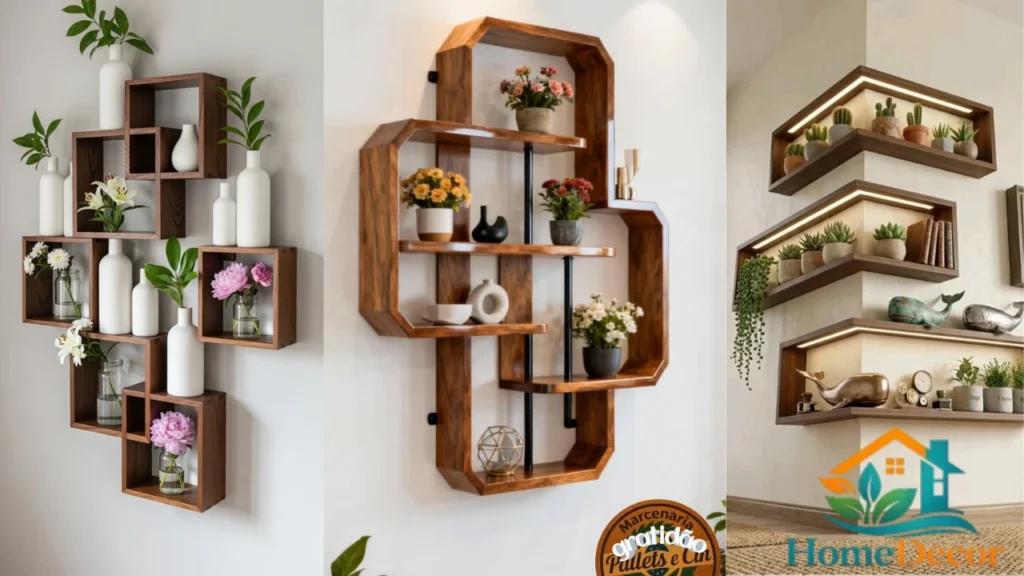
Introduction
A Decorative Wall Shelf is no longer just a storage solution—it has become a core element of modern interior design. In 2026, homes are moving toward smarter use of space, minimal clutter, and aesthetic functionality. That’s exactly where wall shelves shine.
But here’s the problem: most people choose shelves based only on looks. Later, they face issues like poor weight support, awkward placement, or messy styling that ruins the room’s design.
This guide solves that.
You’ll learn how to choose the right decorative wall shelf, how to style it like a designer, where to install it for maximum visual impact, and how to avoid common mistakes that most homeowners make. Whether you’re decorating a small apartment or upgrading a modern home, this is your complete, practical blueprint.
What Is a Decorative Wall Shelf?
A decorative wall shelf is a wall-mounted structure designed to combine storage + visual styling. Unlike traditional shelves used only for storage, decorative shelves are meant to display objects in a visually balanced way.
They are used to:
- Display décor items (plants, books, frames)
- Save floor space
- Enhance wall aesthetics
- Organize essentials stylishly
Simple Definition (Snippet-Ready)
A decorative wall shelf is a wall-mounted design element that provides both storage and visual enhancement for modern interiors.
Why Decorative Wall Shelves Matter in 2026
Interior design trends in 2026 focus on:
- Minimalist living
- Multi-functional furniture
- Vertical space utilization
- Clean, clutter-free environments
Wall shelves perfectly match all these trends.
Key Benefits
- Maximizes unused wall space
- Makes small rooms look bigger
- Adds personality to plain walls
- Works in all rooms (kitchen, bedroom, office, living room)
Design Psychology Insight
Vertical elements like shelves naturally draw the eye upward, making ceilings feel higher, and rooms feel more open.
Types of Decorative Wall Shelves
Floating Shelves
Hidden brackets create a clean, modern look.
Best for: Minimalist interiors
Pros: Sleek, modern, space-saving
Cons: Lower weight capacity
Bracketed Shelves
Visible brackets add industrial or rustic charm.
Best for: Heavy storage + style
Pros: Strong support, durable
Cons: More visual bulk
Corner Shelves
Designed to utilize unused corner space.
Best for: Small rooms
Pros: Space optimization
Cons: Limited display area
Modular Shelving Systems
Flexible units that can be rearranged.
Best for: Modern, evolving spaces
Pros: Customizable
Cons: More expensive
Tiered Wall Shelves
Multiple layers in one structure.
Best for: Decorative display walls
Pros: Stylish, organized
Cons: Can feel heavy if overfilled
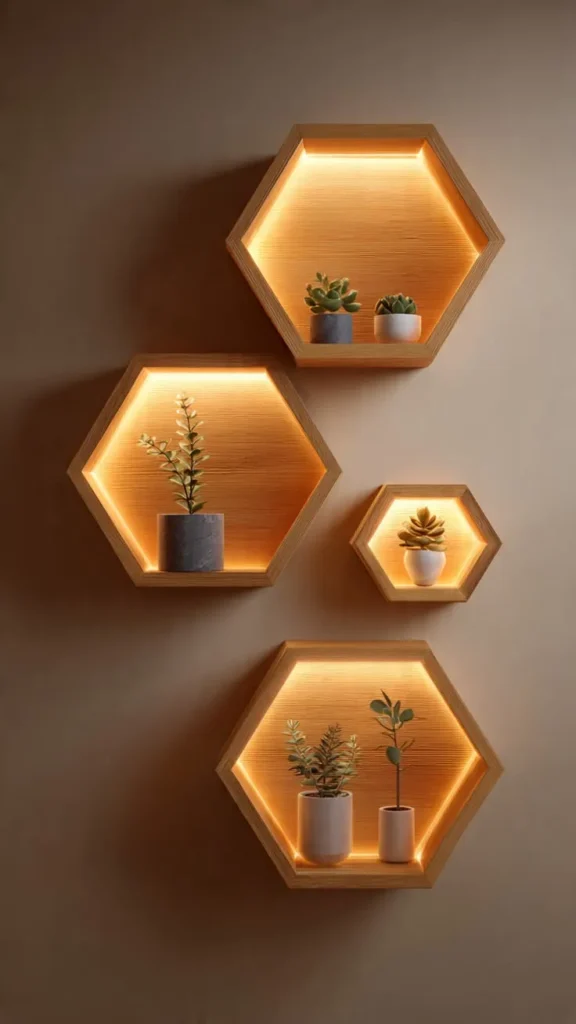
Comparison Table: Shelf Types
| Type | Style | Strength | Best For |
| Floating | Modern | Medium | Minimal homes |
| Bracketed | Rustic/Industrial | High | Heavy items |
| Corner | Functional | Medium | Small rooms |
| Modular | Flexible | High | Smart homes |
| Tiered | Decorative | Medium | Display walls |
How to Choose the Right Wall Shelf
Choosing the wrong shelf is the most common mistake. Use this framework:
Define Purpose
Ask:
- Storage or decoration?
- Light décor or heavy items?
Check Weight Capacity
Always check:
- Wall type (brick, drywall)
- Anchor strength
- Shelf material
Match Interior Style
- Modern → Floating shelves
- Rustic → Wood + brackets
- Industrial → Metal shelves
- Minimalist → Thin floating shelves
Measure Wall Space
Avoid overcrowding. Leave breathing space around shelves.
Best Materials for Wall Shelves
Wood
- Warm and natural look
- Suitable for all rooms
- Durable and versatile
Metal
- Industrial aesthetic
- Very strong
- Ideal for kitchens & offices
Glass
- Elegant and light
- Best for decorative use
- Requires careful handling
Engineered Wood (MDF)
- Budget-friendly
- Lightweight
- Moderate durability
Material Comparison Table
| Material | Durability | Style | Price | Best Use |
| Wood | High | Warm | Medium | Living rooms |
| Metal | Very High | Industrial | Medium-High | Kitchens |
| Glass | Medium | Elegant | High | Display areas |
| MDF | Medium | Basic | Low | Budget décor |
Room-by-Room Wall Shelf Ideas
Living Room
- Use Symmetrical Shelves around the TV
- Mix books + décor objects
- Keep spacing balanced
Bedroom
- Replace bedside tables with floating shelves
- Use soft décor items (candles, frames)
Kitchen
- Store jars, spices, and cookbooks
- Prefer metal or sealed wood
Bathroom
- Use moisture-resistant shelves
- Store towels and essentials neatly
Home Office
- Minimal shelves for focus
- Add books + small plants
Step-by-Step Installation Guide
Mark Position
Use a pencil and a level tool.
Find Wall Type
- Drywall → anchors required
- Brick → drill + plugs
Install Brackets or Mount
Ensure alignment before tightening.
Test Stability
Start with light items first.
Safety Tip
Never exceed the manufacturer’s weight rating.
Styling Tips That Actually Work
Most people over-decorate shelves. Follow this professional formula:
The 3-3-3 Rule
- 3 large items (anchor pieces)
- 3 medium items
- 3 small accents
Balance Formula
- Mix vertical + horizontal objects
- Use negative space (don’t overcrowd)
- Repeat 1–2 colors for harmony
What to Avoid
- Random clutter
- Too many small items
- Uneven weight distribution
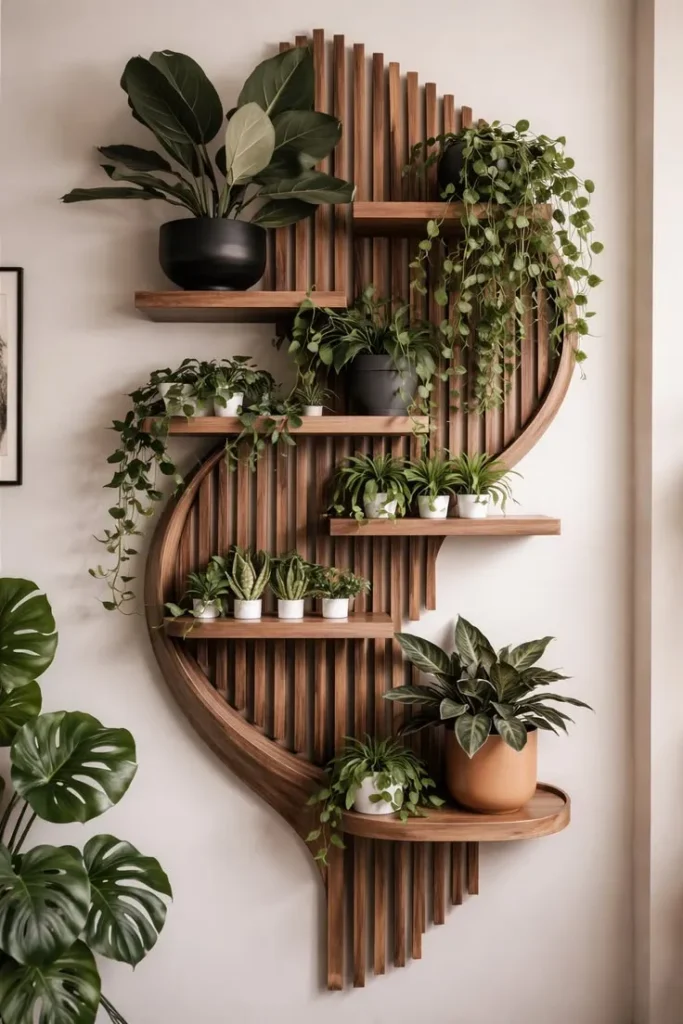
Wall Shelf Placement Guide
Ideal Heights
- Eye level: 48–60 inches from the floor
- Above furniture: 8–12 inches gap
Spacing Between Shelves
- Minimum 10–15 inches for breathing space
Design Rule
Shelves should feel like part of the wall—not attached clutter.
Budget vs Premium Options
Budget Options
- MDF Shelves
- Simple floating designs
- Basic brackets
Premium Options
- Solid wood (oak, walnut)
- Custom modular systems
- Designer metal frames
Common Mistakes to Avoid
- Installing without wall support check
- Overloading shelves
- Wrong height placement
- Ignoring room style match
- Overdecorating
Expert Interior Design Tips
- Use shelves as “visual frames” for walls
- Align shelves with furniture edges
- Mix textures (wood + metal + glass)
- Keep asymmetry for a modern look
- Use lighting under shelves for depth
Maintenance & Long-Term Care
- Dust weekly
- Tighten brackets every few months
- Avoid moisture exposure (unless sealed material)
- Do not overload over time
Future Trends in Wall Shelving (2026+)
- Smart lighting shelves
- Modular floating systems
- Invisible bracket designs
- Eco-friendly recycled materials
- Multi-functional wall storage walls
Who Should Use Decorative Wall Shelves
Apartment renters
Small homeowners
Minimalist design lovers
DIY home decorators
Modern interior enthusiasts
Who Should Avoid Them
People needing heavy industrial storage
Homes with unstable drywall
Extremely humid spaces (unless waterproof materials are used)
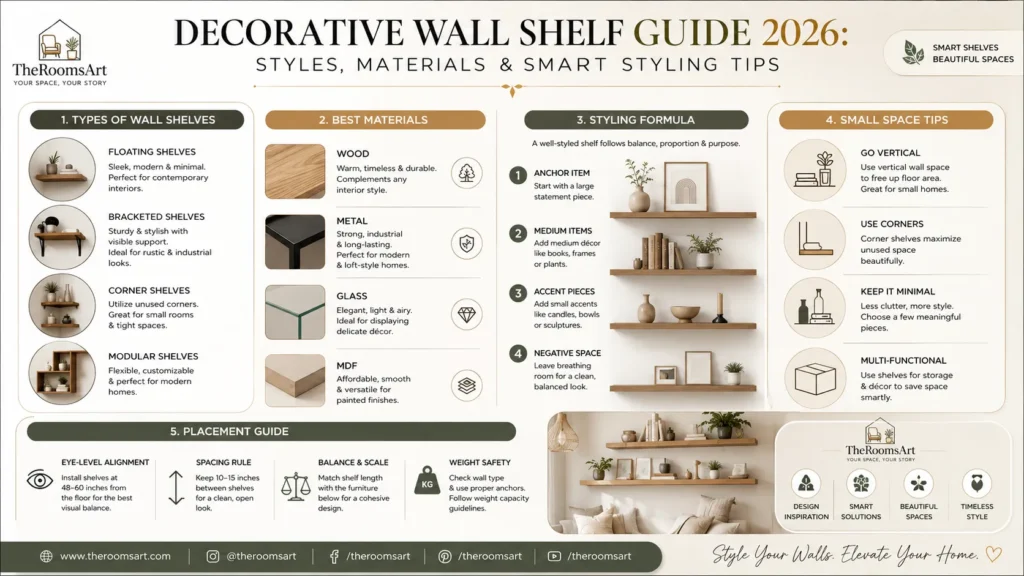
People Also Ask
Floating or corner shelves work best because they save floor space and keep rooms visually open.
It depends on wall type and installation, but typically 5–30 kg for standard home shelves.
Floating shelves look cleaner, but bracketed shelves are stronger and better for heavy items.
Use the 3-3-3 styling rule and leave negative space between items.
Above sofas, around TVs, or on empty feature walls for balance.
Concolusion
Decorative wall shelves are one of the simplest yet most powerful interior upgrades for modern homes. They improve storage, enhance aesthetics, and help optimize small spaces efficiently.
If chosen correctly based on material, placement, and Styling Rules, they can completely transform a room’s personality.
For best results, always match shelves with your interior style, avoid clutter, and focus on balance over decoration.
Explore more interior design guides on TheRoomsArt.com to build a more aesthetic and functional home.
