
Introduction
A dining table is never just a surface. It is where the day slows down, where family gathers, where guests stay longer than planned, and where a room begins to feel like a home. That is why Contemporary Dining Room Tables matter so much in modern interiors: they need to look refined, function beautifully, and fit real life without making the room feel crowded or cold. Contemporary dining tables are defined by clean lines, uncluttered forms, and a balance of beauty and practicality, with common shapes including rectangular, square, round, and oval, and materials such as tempered glass, polished metal, and solid wood.
In 2026, this category is evolving in a clear direction. Designers and retailers are moving toward warmer, more flexible, and more welcoming dining spaces, with a strong emphasis on curves, mixed materials, extendable formats, and tactile finishes. Glass still brings lightness, wood brings warmth, and marble and metal continue to play a strong role in premium modern looks.
This guide breaks down what makes a table contemporary, which shapes suit which rooms, how to choose the right size and material, which trends matter in 2026, and how to style a dining room that feels current without looking overly styled. It is built for readers who want both inspiration and a smart buying decision.
What Is a Contemporary Dining Room Table?
A contemporary dining table is a table that reflects the design language of the present moment. It is usually defined by simplicity, function, and a visually clean silhouette rather than ornament or heavy traditional detailing. In practice, that means you will often see straight or softly curved lines, minimal carving, uncluttered bases, and finishes that feel fresh and current. Lowe’s describes contemporary/modern dining tables as prioritizing form and function with simple, clean lines and geometric shapes like rectangular, square, round, and oval.
Contemporary does not mean cold. The best contemporary dining tables often use warm woods, soft edges, sculptural bases, or mixed materials to keep the room inviting. That is why many 2026 interiors are moving away from rigid formality and toward designs that feel more relaxed and human.
Snippet-ready summary
A contemporary dining room table is a modern-style table with clean lines, functional proportions, and a current look. It often uses wood, glass, metal, or mixed materials, and it suits homes that want a fresh, uncluttered dining space.
Why Contemporary Dining Room Tables Matter in 2026
The dining room is becoming less formal and more flexible. Architectural Digest notes that dining spaces are increasingly leaning toward casual, communal use, while 2026 trend coverage highlights warmer, more livable interiors with curves, mixed materials, and richer tactile detail.
That matters because the dining table is often the anchor that sets the mood for the whole room. A good contemporary table can make a compact room feel larger, help an open-plan space feel intentional, and support everyday life without losing visual appeal. For small rooms, the right shape and base can improve flow; for larger rooms, sculptural and mixed-material pieces can create a stronger focal point.
The 2026 direction is especially useful for practical buyers. The current look favors flexibility over rigidity, which means extendable tables, oval forms, pedestal bases, and comfortable seating arrangements are all highly relevant.
Best Types and Styles of Contemporary Dining Room Tables
| Style / Shape | Best For | Why It Works |
| Rectangular | Larger rooms, family dining, formal layouts | Classic and efficient; seats many people easily |
| Round | Small rooms, conversation, softer interiors | Improves flow and feels intimate |
| Oval | Tight spaces that still need good seating | Combines soft edges with easier traffic movement |
| Square | Balanced layouts, compact dining zones | Feels structured and clean in modern rooms |
| Extendable | Flexible homes, occasional entertaining | Works for daily life and guests without wasting space |
| Pedestal / Sculptural Base | Minimalist and contemporary rooms | Opens up legroom and adds a design feature |
1) Rectangular tables
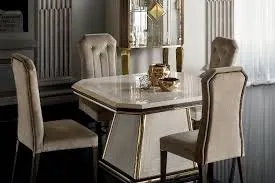
Rectangular tables are still the safest choice for larger dining rooms because they seat more people efficiently and naturally fit long room proportions. They are also easier to pair with benches or mixed chair sets for a contemporary look.
2) Round tables
Round dining tables are especially strong in 2026 because curved shapes are highly relevant in the current design direction. They soften a room and encourage conversation, which is why they work so well in smaller or more social dining areas.
3) Oval tables
Oval tables are one of the best contemporary compromises: they feel softer than rectangular tables but still seat a useful number of people. Better Homes & Gardens notes that an oval table can support traffic flow in small dining rooms and still accommodate at least six people.
4) Extendable tables
Extendable tables are a major 2026 choice because flexibility is now part of the style story, not just a practical feature. IKEA specifically recommends Extendable options when space is limited, but seating needs change.
5) Pedestal and sculptural-base tables
These are powerful for contemporary rooms because they visually lighten the floor and make the table feel more architectural. They also improve legroom, which is especially helpful in smaller layouts.
Mini summary:
If the room is small, choose round, oval, or extendable. If the room is larger, choose rectangular or sculptural. If the goal is flexibility, choose extendable first.
Materials and Finishes That Define Contemporary Style
Modern dining tables often rely on a small but expressive material palette. Lowe’s identifies tempered glass, polished metal, and solid wood in matte or natural finishes as common contemporary choices. FCI London’s 2026 trend coverage also points to glass, wood, curves, marble, and outdoor-suitable materials as part of the current direction.
| Material | Style Effect | Best For | Main Tradeoff |
| Wood | Warm, grounded, timeless | Family homes, soft modern interiors | Needs careful finish selection |
| Glass | Light, airy, visually open | Small spaces, modern apartments | Shows fingerprints more easily |
| Metal | Sleek, architectural, crisp | Urban, industrial, luxe contemporary rooms | Can feel cold if overused |
| Marble / Stone | Premium, sculptural, elegant | High-end interiors, statement dining rooms | Heavier and higher maintenance |
| Mixed materials | Layered, current, designer-led | Contemporary rooms that need depth | Can look busy if poorly balanced |
Best material guidance for real homes
Wood remains the most versatile choice because it works in warm, casual, and refined settings. Glass is excellent when you want the room to feel visually lighter. Marble and stone are more dramatic and premium, but they need more care and deliberate styling. Mixed-material tables, such as wood with metal or stone with metal, are especially aligned with current design trends because they add texture without losing the clean contemporary feel.
How to Choose the Right Contemporary Dining Table
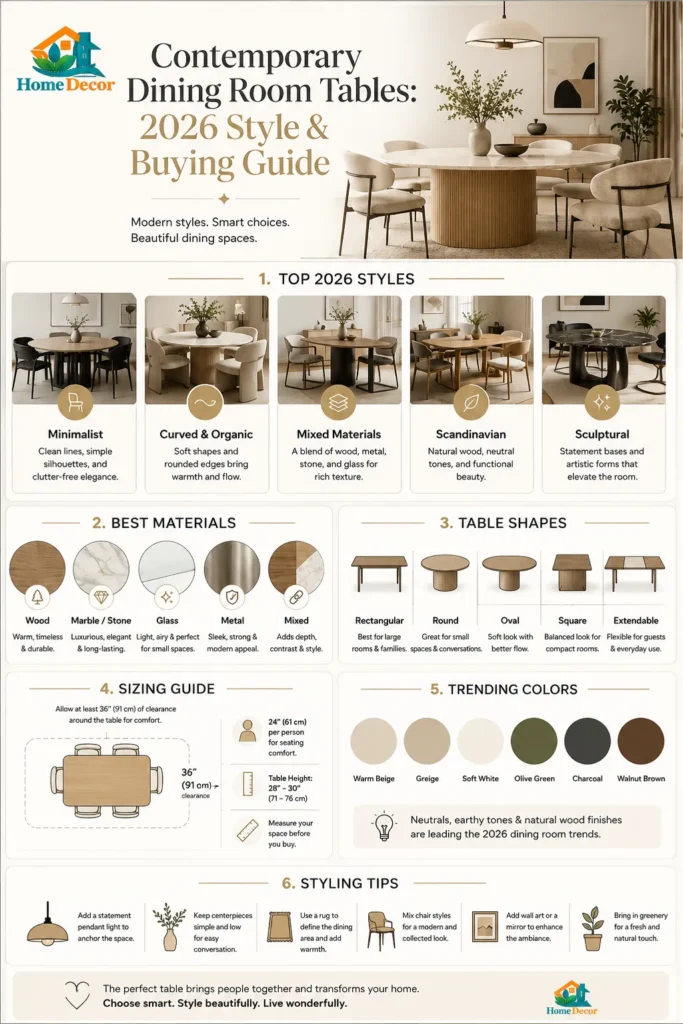
Choosing a table is easier when you think in order: space, seating, shape, material, and lifestyle. IKEA advises allowing about 24 inches of eating space per person and at least 32 inches between the table and what is behind it, with more space being better. For height, Lowe’s notes that dining tables commonly sit in the 28–33 inch range.
Step-by-step buying guide
- Measure the room first.
Measure wall-to-wall space and note doors, radiators, walkways, and any nearby furniture. A table that looks perfect online can still fail if the clearance is too tight. IKEA’s spacing guidance is especially useful here. - Decide how many people you seat most of the time.
Daily use matters more than occasional use. If you usually seat four but sometimes need six, an extendable table is often smarter than buying a larger fixed table. - Choose a shape that helps the room.
Round and oval shapes support traffic flow in compact rooms, while rectangular tables work better in larger rooms or long spaces. - Match the base to the room’s visual weight.
Pedestal and sculptural bases make a table feel lighter and more contemporary. Four-legged tables feel more traditional but can still work when the lines are slim. - Choose the finish based on real maintenance habits.
If you want low-effort maintenance, matte wood or durable composite surfaces are often easier than polished stone or reflective glass. For natural stone like marble, care matters because acidic cleaners can damage the surface. - Think about the chairs at the same time.
Contemporary dining spaces usually look best when chairs either echo the table’s clean lines or create a purposeful contrast through texture or shape.
Mini summary:
The best table is not the biggest one. It is the one that fits your room, supports your actual seating needs, and keeps the dining area easy to move through.
Contemporary Dining Room Table Ideas That Feel Fresh in 2026
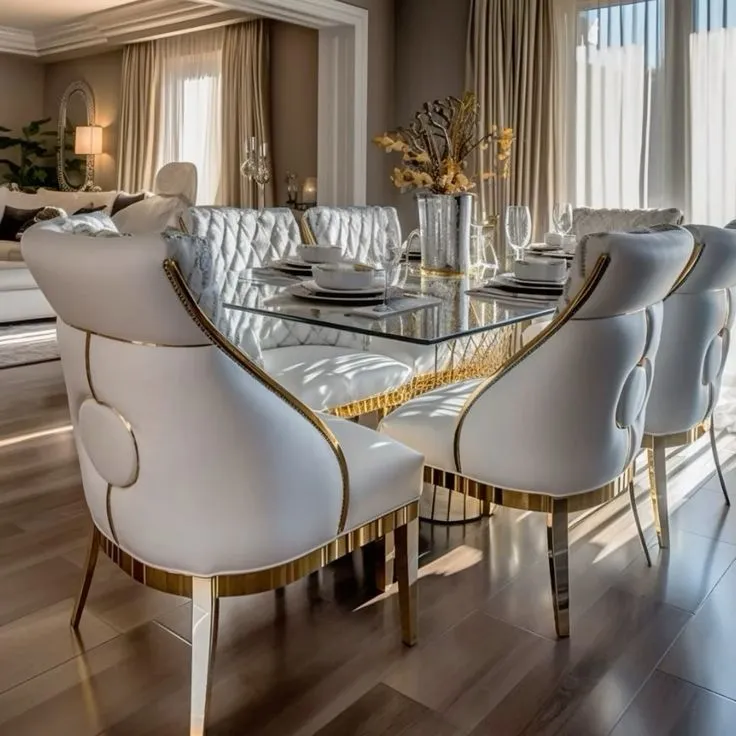
Contemporary dining rooms in 2026 are leaning toward softer and more tactile styling. Houzz trend coverage points to natural stone, wood, creamy off-whites, linen-like upholstery, and rounded shapes such as arches and curves, while Architectural Digest highlights the continued appeal of sculptural forms and rich, refined materials.
High-performing design directions
- Curved-edge tables with sculptural bases
These feel more relaxed and more current than sharp, boxy forms. - Mixed-material combinations
Wood and metal, stone and metal, or glass and wood combinations create visual contrast and depth. - Warm minimalist styling
Clean lines paired with soft neutrals, textured rugs, and understated lighting keep the room modern without looking sterile. - Neo Deco influence
AD’s 2026 design coverage shows a renewed interest in sculptural luxury, darker woods, polished metals, and more curated glamor. That makes walnut, brass, chrome, and marble very relevant for more premium contemporary dining spaces. - Flexible family-friendly setups
Extendable tables, banquette seating, and bench combinations support everyday living while keeping the room clean and current.
Comparison: Which Contemporary Table Is Best for Your Room?
| Your Need | Best Table Type | Why |
| Small apartment | Round or oval | Better traffic flow and a softer visual footprint |
| Family dining | Rectangular or extendable | More practical for daily meals and guests |
| Luxurious statement room | Marble, walnut, or sculptural base | Stronger visual presence and premium feel |
| Open-plan space | Rectangular or mixed-material | Helps define the dining zone clearly |
| Rental home | Lightweight wood, glass, or extendable | Easier to adapt and move around |
| Entertaining often | Extendable or large oval | Flexible seating without daily bulk |
Budget-Friendly Contemporary Dining Table Options
A budget-friendly contemporary table should still look intentional. The goal is not to buy the cheapest piece; it is to buy the cleanest, most balanced piece in your price range. BHG’s small-space and buying guidance shows that shape, seating, and smart base design often matter more than adding decorative extras.
Good budget choices usually include:
- Simple wood-tone tables with slim legs
- Round tables with pedestal bases
- Compact extendable designs
- Glass-top tables with straightforward metal frames
- Veneer or engineered-wood options with matte finishes
The safest budget strategy is to spend on Structure, not decoration. A clean silhouette, stable base, and practical dimensions usually outperform a flashy table with poor proportions.
Premium and Luxury Contemporary Dining Table Options
Luxury contemporary tables in 2026 are moving toward sculptural confidence rather than heavy ornament. AD’s current design coverage points to elevated materials, rich woods, polished metals, and a more curated version of glamour. FCI London also notes the strength of marble, curves, and more flexible dining formats.
Premium options usually include:
- Solid walnut or oak with a statement grain
- Marble or stone tops with architectural bases
- Bold pedestal tables
- Mixed finishes, such as wood and brushed metal
- Tailored, highly proportioned extendable tables
Luxury works best when the rest of the room is restrained. One strong table can carry the whole space if the chairs, lighting, and accessories stay elegant and calm.
Common Mistakes to Avoid
- Choosing style before size
A beautiful table that blocks circulation will still feel wrong. IKEA’s spacing guidance makes room fit the first decision, not the last. - Picking a shape that fits the room
A square or bulky rectangular table can overwhelm a narrow room, while a round or oval shape may fit better. - Ignoring the base
The base affects legroom, visual weight, and how many chairs can actually fit around the table. Pedestal and sculptural bases often work better in contemporary spaces. - Buying a finish that does not suit your lifestyle
High-gloss or delicate stone can be gorgeous but demanding. If maintenance is a concern, choose a more forgiving surface. Marble, in particular, needs careful treatment because acidic cleaners can damage it. - Over-styling the dining room
Contemporary design is strongest when it looks edited, not crowded. Recent trend coverage repeatedly points to clean silhouettes, warmer textures, and a more livable feel.
Expert Tips Most People Ignore
1) The table base matters as much as the top
A pedestal base can make a room feel less cluttered and improve seating flexibility. This is one reason pedestal and tulip-style tables remain strong in compact contemporary rooms.
2) Visual weight matters
A thick table top and heavy base can dominate a small room. Slim silhouettes, light finishes, or curved edges can make the room breathe better.
3) Lighting changes the table’s personality
A good pendant over the table does more than light the room; it gives the dining area identity. Decor Angle’s modern dining coverage treats layered lighting as a defining part of the space, not an afterthought.
4) Chairs should be chosen with the table, not after it
The right chair can make a contemporary table feel elevated, while the wrong chair can make a beautiful table feel disconnected. Mixed seating is common in contemporary styling because it creates a collected, less showroom-like effect.
Maintenance, Care, and Long-Term Value
Different materials age differently, so long-term value depends on both durability and care habits. Wood remains one of the best all-around choices because it balances warmth and resilience. Glass keeps a room light but may need more frequent cleaning. Marble and other natural stones create a premium impression, but they are more maintenance-sensitive and should be cleaned carefully with non-acidic products.
Practical care tips
- Use placemats and coasters for daily meals.
- Wipe surfaces regularly to avoid buildup.
- Follow manufacturer care instructions for sealants, oils, and cleaners.
- Avoid acidic cleaners on natural stone.
- Check the hardware on extendable tables periodically so the mechanism stays smooth.
The best long-term value usually comes from a table that can survive changing decor. A simple shape with good materials is easier to restyle than a highly trendy piece that will age quickly.
Best Color Combinations for Contemporary Dining Rooms
2026 color coverage points to earthy neutrals, moody greens, warm browns, and nature-driven tones across home design more broadly. Those palettes work especially well with contemporary dining tables because they support warmth without losing modern clarity.
Reliable pairings
- Walnut + cream + brass
- Oak + soft white + black accents
- Marble + muted green + polished metal
- Glass + charcoal + natural wood chairs
- Mixed wood + linen + warm stone
These combinations work because they balance contrast and calm. The table stays central, while the room supports it rather than competing with it.
Best Materials and Decor Choices
A contemporary table looks best when the surrounding decor keeps the same visual discipline. That means fewer but better objects, stronger proportions, and textures that add depth without clutter. AD and Houzz trend coverage both point toward sculptural, tactile, and organic choices rather than overdecorated rooms.
Good decor partners
- Slim upholstered dining chairs
- Bench seating for casual spaces
- A single statement pendant
- A textured rug that defines the dining zone
- One or two large art pieces rather than many small items
Avoid
- Overly ornate chairs
- Too many competing finishes
- Tiny accessories scattered across the table
- Heavy drapery that makes the room feel visually busy
Space-Saving and Functional Tips
For small spaces, contemporary dining design is less about shrinking everything and more about choosing smarter forms. BHG recommends oval tables for small dining rooms because they improve flow, while IKEA emphasizes extendable designs when flexibility is essential.
Space-saving ideas
- Choose a round or oval table
- Use a pedestal base
- Select chairs with slimmer profiles
- Add bench seating on one side
- Use an extendable top for occasional guests
- Keep the dining rug slightly larger than the table footprint for clearer zoning
A small room can still feel premium. The key is allowing the table to breathe visually, not forcing it to compete with too many pieces.
Styling Tips for Different Room Sizes
Small dining rooms
Choose a round or oval table, ideally with a pedestal base. Keep chairs slim, use lighter finishes, and avoid oversized centerpieces. BHG explicitly notes that oval forms support better traffic flow in small rooms.
Medium dining rooms
A rectangular or oval extendable table usually works best. This gives you enough seating without visually overfilling the room. IKEA’s guidance on flexible seating makes this a practical choice.
Large dining rooms
This is where sculptural tables, richer woods, and marble or mixed-material designs shine. Larger spaces can support more visual drama, especially when the room includes layered lighting and stronger chair silhouettes.
Future Interior Design Trends to Watch
The strongest signal for the next phase of contemporary dining design is not minimalism alone; it is softened contemporary design. Trend coverage from Houzz and AD shows a continued rise in curves, tactile surfaces, natural wood, and more curated luxury. That means contemporary dining tables are likely to become warmer, more sculptural, and more flexible over time.
Expect continued growth in:
- Curved silhouettes
- Mixed materials
- Walnut and other darker woods
- Marble accents
- Extendable designs
- More casual dining setups with benches and banquettes
Who Should Choose Contemporary Dining Room Tables?
Contemporary dining room tables are ideal for:
- Homeowners who want a modern but usable dining space
- Apartment renters who need visual lightness
- Families who want practical, durable furniture
- Design lovers who prefer clean lines and current styling
- Hosts who need flexible seating for guests
Who Should Avoid This Style?
This style may not suit:
- People who want heavy traditional carving or formal antique detail
- Buyers who prefer ornate, highly decorative furniture
- Shoppers who need a very rustic or country look
- Anyone unwilling to balance the table with a clean, edited room aesthetic
People Also Ask
Round and oval tables are excellent for small rooms and softer modern spaces, while rectangular tables work best for larger rooms or more formal layouts. Contemporary design currently favors curved forms, so oval and round are especially relevant in 2026.
A helpful rule is about 24 inches per person and at least 32 inches between the table and the wall or other furniture behind it. More clearance is better if the room allows it.
Wood feels warmer and more timeless, while glass feels lighter and more airy. For many homes, wood is the more forgiving daily-use choice, while glass is better when visual openness matters most.
Yes. Extendable tables are one of the best solutions for homes that need flexibility without taking up too much everyday space. They are strongly aligned with 2026’s practical contemporary direction.
Dining tables commonly sit around 28–33 inches high, which works well with standard dining chairs. That range is the safest starting point for most homes.
Conclusion
A great contemporary dining room table should do three things at once: look current, fit the room properly, and support everyday life without feeling fussy. In 2026, the strongest choices are the ones that combine clean lines with warmth, Flexibility, and a more human feel. Round and oval tables work beautifully in small spaces, extendable tables solve real-life hosting problems, and wood, glass, marble, and mixed materials each serve different style goals.
For TheRoomsArt.com, this topic has strong long-term potential because it sits right at the intersection of home decor, furniture styling, practical buying advice, and modern interiors. Published well, this pillar can support related articles on dining chairs, lighting, small dining rooms, and wall art while building real topical authority. Please verify dimensions, materials, finishes, and product availability before purchase or renovation, since these can change by region and supplier.
