
Introduction
A fireplace can do more than warm a room. In the best living rooms, it becomes the visual anchor, the cozy gathering point, and the detail that quietly upgrades everything around it. That is why Living Room Fireplace Ideas remain one of the most searched design topics for homeowners, renters, renovators, and interior lovers alike. The challenge is not finding pretty inspiration. The challenge is choosing a fireplace idea that actually fits your room size, your style, your budget, and your maintenance tolerance.
In 2026, fireplace design is moving toward cleaner lines, stronger materials, smarter controls, and more flexible fuel choices. Natural stone, linear formats, and simplified surrounds are especially prominent, while electric, gas, wood, and bioethanol fireplaces each serve different needs. At the same time, safety and indoor-air quality still matter, especially for wood-burning setups.
This guide gives you the full picture: design ideas, placement rules, fuel comparisons, decorating tips, safety notes, and the practical advice most articles skip.
What Is a Living Room Fireplace?
A living room fireplace is both a heat source and a design feature. In modern homes, it often works as the main focal point of the room, helping organize furniture, define the seating zone, and add visual warmth even when it is not lit. That is why the best fireplace ideas are never only about appearance; they also solve layout problems.
A well-designed fireplace can:
- create a natural focal point
- make a large room feel grounded
- make a small room feel intentional
- improve symmetry in furniture layout
- Add style without extra clutter
Why Fireplace Design Matters in 2026
In 2026, fireplaces are being treated less like background fixtures and more like architectural statements. Industry trend pages point to natural stone surrounds, linear forms, smart controls, and sustainable fuel choices as the major direction of travel. Designers are also blending modern and rustic cues more often, using reclaimed wood, stone, matte finishes, and textured surfaces to make the fireplace feel custom rather than generic.
That matters because buyers now want fireplaces that are:
- beautiful enough to feature in open-plan spaces
- easy enough to live with in everyday use
- appropriate for the room size
- safer and simpler to maintain
Snippet-ready answer
The best living room fireplace ideas in 2026 combine clean design, the right fuel type, smart placement, and materials that suit the room’s scale.
Different Types of Living Room Fireplaces
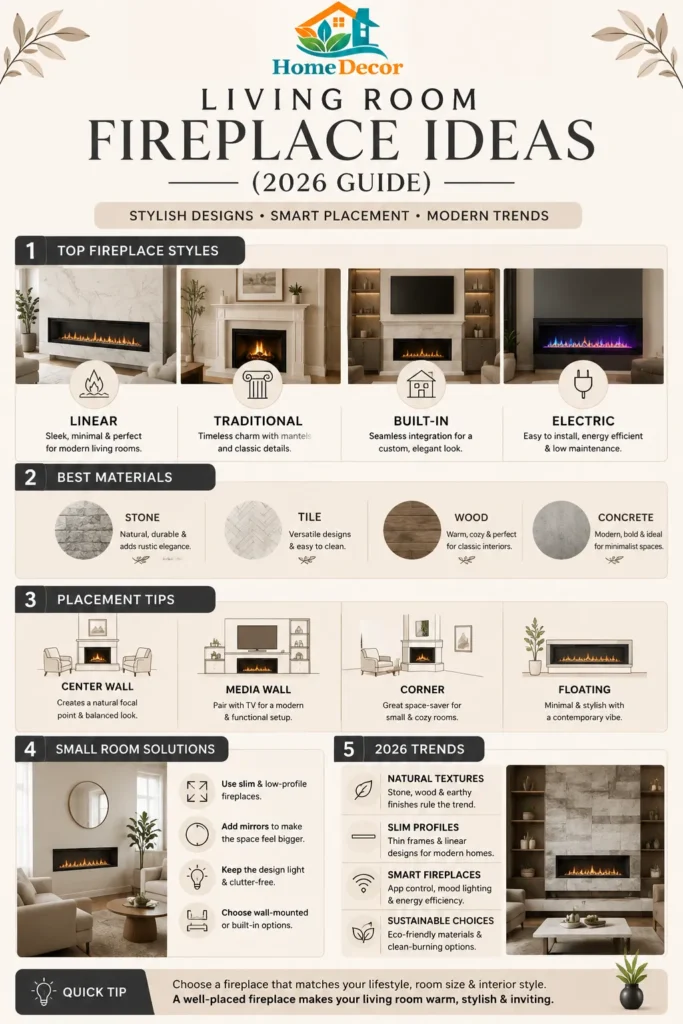
1. Linear Fireplaces
Linear fireplaces are one of the strongest modern options because their horizontal shape fits contemporary interiors and creates a calm, streamlined look. Homes & Gardens highlights the low, linear style as a natural fit for minimalist spaces.
Best for:
- modern homes
- open-plan living rooms
- media walls
- minimalist interiors
2. Traditional Fireplaces
Traditional fireplaces still work beautifully when the room has classic molding, a formal mantel, or period details. Homes & Gardens shows how features like fenders, mirrors, and decorative backplates can make a traditional setting feel richer and more finished.
Best for:
- heritage homes
- classic interiors
- layered, cozy rooms
3. Built-In Fireplaces
Built-ins feel custom and architectural. They often work best when the fireplace is integrated into the wall, chimney breast, or a feature surround. This is one reason they appear so often in high-end design inspiration.
4. Freestanding Fireplaces
Freestanding units can create a strong focal point without major construction. Trend coverage for 2026 shows renewed interest in sculptural and mid-century-inspired forms, especially where design personality matters as much as heat output.
5. Media Wall Fireplaces
This is one of the most searched combinations because it merges TV and fireplace into one focal wall. It works best when heat clearance, viewing height, and scale are handled carefully. The visual goal should be balance, not competition between the screen and the flame. This is a practical design inference from the modern fireplace layouts highlighted in current trend coverage.
Fireplace Types and Fuel Options
Comparison Table 1: Which fireplace type fits which lifestyle?
| Fireplace Type | Best For | Strengths | Watch Out For |
| Wood-burning | Traditional charm and real fire ritual | Strong atmosphere, classic appeal | More maintenance, smoke, ash, and air-quality concerns |
| Gas | Everyday convenience and steady warmth | Widely favored for primary living spaces in 2026; easier daily use | Needs proper venting and installation planning |
| Electric | Rentals, remodels, and easy installation | Very flexible; direct electricity-to-heat conversion is a common efficiency advantage in vendor explanations, though exact performance varies by model | Can be more decorative than deeply heating in larger spaces |
| Bioethanol | Stylish, flexible placement | Clean-burning with no soot, ash, or smoke in manufacturer explanations; often does not need a chimney | Fuel handling and flame supervision still matter |
Wood-Burning Fireplaces
Wood-burning fireplaces deliver the most traditional experience, but they also create smoke and fine particles that can affect indoor air quality. EPA materials explain that wood smoke contains fine particulate matter that can irritate lungs and worsen respiratory conditions.
Gas Fireplaces
Gas fireplaces are still a leading choice for primary living spaces because they balance heat, realism, and convenience. Natural Resources Canada describes gas fireplaces as gas or propane appliances designed to provide a view of the flames and notes that certified testing and energy-efficiency requirements apply.
Electric Fireplaces
Electric fireplaces are popular because they are flexible and easy to place. They do not require a chimney, which makes them especially useful in apartments, remodels, and homes that cannot support a traditional flue. Vendor and industry explanations commonly describe them as highly efficient at turning electricity into room heat, though output still depends on the model and room size.
Bioethanol Fireplaces
Bioethanol fireplaces are attractive in modern design because they offer a real flame without the mess of soot or ash, according to manufacturers. Several product and brand pages also emphasize their no-chimney flexibility. For a style-forward article, this makes them a strong option for contemporary and rental-friendly spaces.
Mini summary
If you want the most convenience, look at gas or electric.
If you want the most flexible modern look, bioethanol and electric are hard to beat.
Best Living Room Fireplace Ideas by Style
Modern Living Room Fireplace Ideas
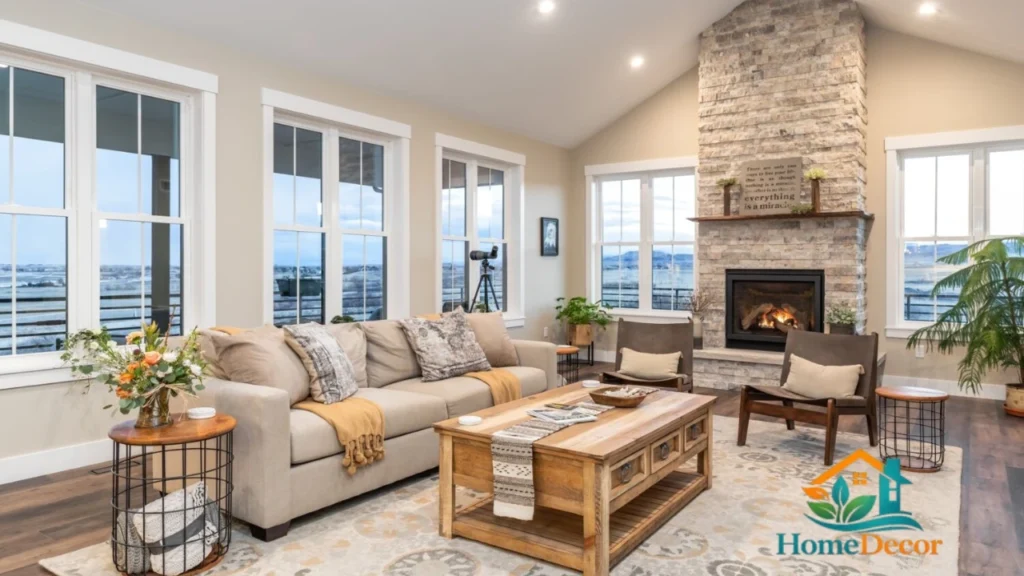
Modern fireplaces usually rely on straight lines, minimal framing, and carefully chosen surfaces. Think linear Fireboxes, large-format stone, matte plaster, or a clean black surround. Current trend sources repeatedly point to this kind of visual restraint, where the flame becomes the hero, and the surroundings support it rather than competing with it.
Good modern choices:
- wall-mounted linear fireplace
- floor-to-ceiling stone wall
- slim fireplace under a TV
- black firebox with pale surround
Rustic Fireplace Designs
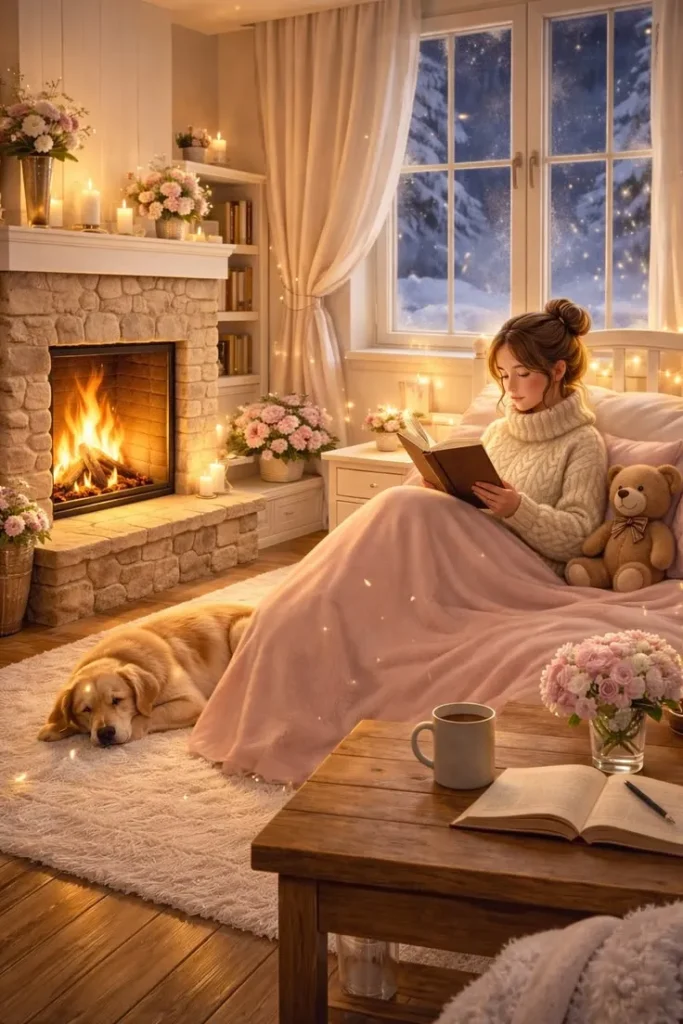
Rustic fireplaces work because they emphasize texture. Stone, brick, timber beams, and heavier mantels create a grounded, welcoming mood. Trend and inspiration sources for 2026 show a continued return to natural materials and more tactile finishes.
Good rustic choices:
- stacked stone surround
- exposed brick chimney breast
- reclaimed wood mantel
- cream or clay-toned plaster wall
Transitional Fireplace Ideas
Transitional style is the safest choice for many homes because it blends classic structure with modern simplicity. A traditional mantel can sit beside a cleaner firebox, or a rustic room can be softened with sleeker lines. Real Homes and Homes & Gardens both show examples of this style mixing working well in real rooms.
Luxury Fireplace Ideas
Luxury fireplaces in 2026 lean into large-scale materials, darker stone, polished marble, sleek slab surrounds, and custom-built feature walls. Industry trend pieces describe natural stone and strong contrast as defining cues in the current look.
Fireplace Placement Tips That Actually Work
Placement changes everything. A beautiful fireplace in the wrong place can make the room feel awkward, while a modest fireplace in the right location can make the whole room feel balanced.
Homes & Gardens and Real Homes both show that fireplaces work best when they become a natural focal point and help orient the furniture.
Table 2: Placement guide by room situation
| Room Situation | Best Fireplace Placement | Why It Works |
| Small living room | Low-profile wall fireplace or compact built-in | Saves visual space and avoids crowding |
| Long rectangular room | Central wall or feature wall | Helps anchor furniture and reduce “bowling alley” feel |
| Open-plan room | Zoned wall or media wall | Defines the living zone without adding partitions |
| Traditional room | Centered fireplace with mantel | Keeps symmetry and feels classic |
| Family room | Raised or protected firebox | Helps with everyday practicality and child/pet awareness |
Practical placement rules
- Keep the fireplace visually centered if the room is symmetrical.
- Use the fireplace to guide sofa and chair placement.
- Do not let the fireplace and TV fight for attention.
- In small rooms, keep the profile low to preserve openness. Homes & Gardens specifically notes that low linear designs help minimize clutter and suit minimalist rooms.
Snippet-ready answer
The best fireplace placement is usually the one that makes the room feel centered, not crowded. In small rooms, low and linear works best; in larger rooms, a central wall often creates the strongest focal point.
Small Living Room Fireplace Ideas
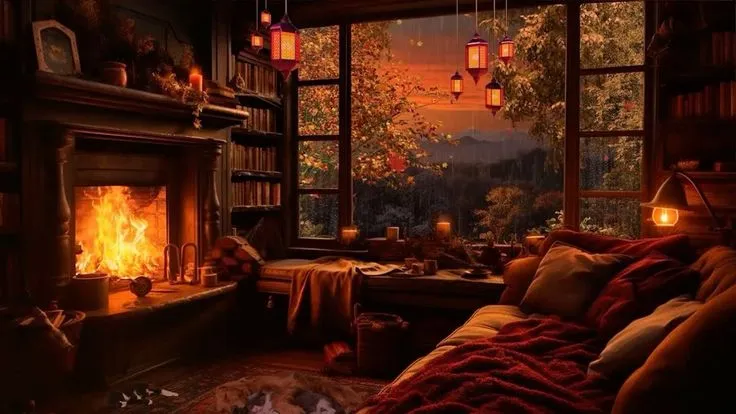
Small rooms need fireplaces that add warmth without visual weight. Real Homes and Homes & Gardens both show that mirrors, low surrounds, and subtle frames can help a fireplace feel elegant rather than overpowering.
Best ideas for small spaces:
- narrow linear fireplace
- electric fireplace with slim surround
- mirror above the mantel to bounce light
- Raised hearth used as occasional seating
- pale wall finish around the fireplace
One clever trick is to keep the fireplace visually simple and let the surrounding decor do the work. In a small living room, less structure often gives the most premium result. This is a design inference supported by the minimalist examples and mirror recommendations in the current articles.
Decorating Around Your Fireplace
A fireplace should feel styled, not overloaded. Homes & Gardens shows how mirrors, backplates, and the right mantel proportion can add interest without cluttering the scene. Real Homes also demonstrates that an oversized mirror can make a smaller room feel brighter and more open.
Mantel decorating ideas
- one large mirror
- one strong piece of art
- a pair of candlesticks
- low greenery or branches
- a ceramic or stone object for texture
What to avoid
- too many tiny decorative items
- oversized objects that block the Surroundings
- clutter that hides the fireplace architecture
- styling that competes with the flame itself
Hearth styling ideas
- stacked logs for a rustic look
- woven baskets
- a low tray
- neutral fireplace accessories
- a safety screen where needed
Mini summary
The best mantel styling is edited styling. Let the fireplace breathe. Use a few objects with purpose rather than filling every inch. That advice aligns with the simpler, more balanced styling seen across the current inspiration articles.
2026 Fireplace Color and Material Trends
Current trend coverage points to a strong move toward:
- natural stone
- black marble and charcoal tones
- whitewashed brick
- mixed materials
- textured tiles
- reclaimed wood
- cleaner, linear framing
Best color directions for 2026
- warm neutrals
- taupe and greige
- clay and earth tones
- black-and-cream contrast
- muted stone shades
These colors work because they make the fireplace feel rooted in the room rather than pasted on as decoration. The trend sources also show that contrast is becoming more important, especially where a pale surround frames a darker firebox.
How to Choose the Right Fireplace for Your Home
Choosing the right fireplace comes down to four questions:
1. How do you want to use it?
Do you want ambience, heating, or both? Gas and wood can feel more traditional; electric and bioethanol may be easier to install in more places.
2. What does your room need?
A small room usually needs a slimmer, quieter visual treatment. A large room can handle a dramatic stone wall or a statement surround. This follows the room-scale logic seen in current design articles and trend forecasts.
3. How much maintenance are you willing to handle?
Wood-burning fireplaces bring more upkeep and air-quality considerations, while electric and bioethanol generally reduce soot and ash concerns in vendor descriptions. Gas sits in the middle, but still needs proper setup and care.
4. Is this a remodel or a new build?
If you are renovating, electric or bioethanol may offer more flexibility. If you are building new, gas or custom-built-ins may give you more design freedom.
Budget-Friendly, Mid-Range, and Premium Fireplace Ideas
Budget-friendly
- electric fireplace
- simple mantel refresh
- paint update around an existing fireplace
- mirror styling instead of a full rebuild
Mid-range
- gas insert
- new surround tile
- media wall with integrated fireplace
- custom mantel or hearth update
Premium
- full-height stone wall
- Bespoke built-in fireplace
- large linear design
- sculptural freestanding statement piece
The key insight is that the budget is not only about the unit itself. It is also about structural work, venting, materials, and finishing. That is why a simple-looking fireplace can still become expensive if the surround, wall build-out, or installation is complex. This is a practical inference based on the installation and feature emphasis in the current design and manufacturer sources.
Safety and Maintenance
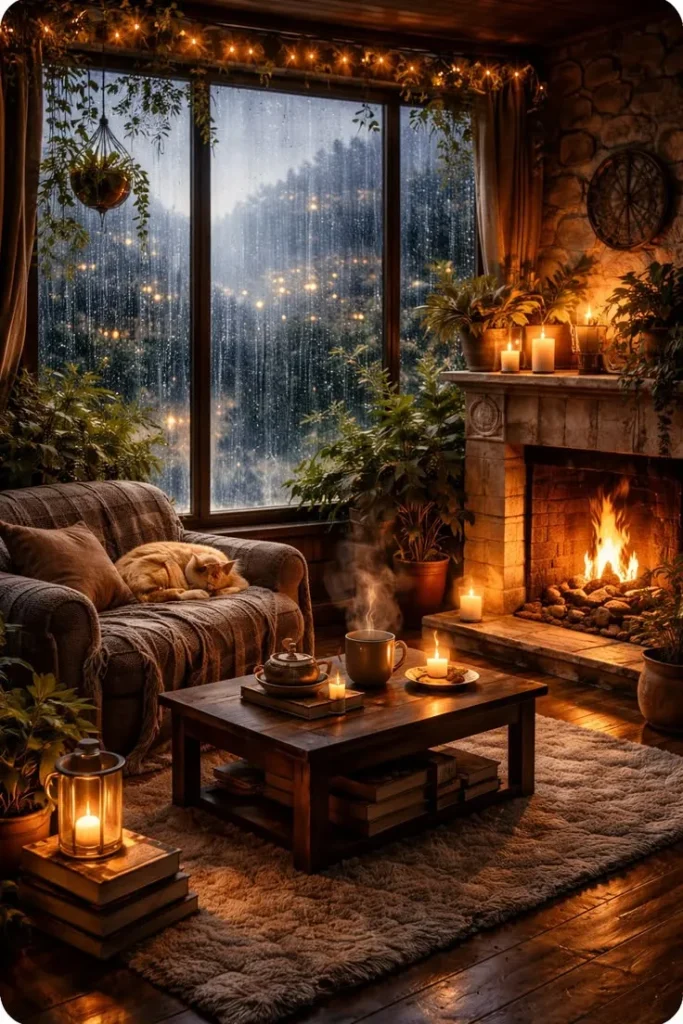
Safety should never be an afterthought. NFPA materials emphasize fireplaces, chimneys, vents, and solid-fuel appliances as systems that require proper installation, inspection, and maintenance. Their home safety guidance also recommends a sturdy screen and a child-safe zone around the fireplace.
EPA guidance also reminds readers that wood smoke contains fine particles that can harm respiratory health, which is one reason clean-burning or lower-mess options are increasingly attractive to homeowners.
Simple maintenance checklist
- Inspect before the cold season
- clean ash and debris safely
- Keep Flammables away from the fire area
- Check screens and glass for damage
- Arrange professional servicing when needed
Important note
If you use a wood-burning or vented system, the safest approach is to follow NFPA guidance and use qualified inspection and maintenance practices. CSIA also positions certified chimney professionals as trained safety specialists for chimney and venting systems.
Common Fireplace Mistakes to Avoid
- choosing style before room scale
- Putting the TV too high above the fire
- over-decorating the mantel
- ignoring ventilation or venting needs
- using a fireplace style that fits the room’s architecture
- forgetting maintenance until winter starts
These mistakes are common because people fall in love with the image first and the room later. The strongest living room fireplace ideas solve both.
Who Should Buy Which Fireplace?
Best for traditional homeowners
Wood-burning or classic gas fireplaces.
Best for modern buyers
Linear gas, electric, or bioethanol fireplaces.
Best for small homes and apartments
Electric or bioethanol, especially where chimney work is impractical.
Best for low-maintenance buyers
Electric first, gas second, bioethanol for style-forward flexibility.
Best for design-first buyers
Large stone surrounds, linear inserts, dark marble, and custom feature walls.
Who Should Avoid Certain Fireplace Types?
- Avoid wood-burning fireplaces if you are highly sensitive to smoke or want very low maintenance. EPA and lung health sources both highlight the particulate concerns.
- Avoid overbuilt custom fireplaces if you have a tiny room and no spare wall space.
- Avoid decorative styling that weakens safety clearance or blocks access.
Future Trends in Fireplace Design
The 2026 direction is clear: fireplaces are becoming more architectural, more customized, and more aligned with lifestyle choices. Trend sources repeatedly highlight linear forms, natural stone, smart control features, and sustainable fuel options. Manufacturer and industry pages also show that bioethanol, electric, and high-efficiency gas solutions continue to gain attention because they simplify installation and reduce mess in many situations.
What this means for content strategy
A winning article should not stop at inspiration. It should explain:
- Which fireplace suits which room
- How to place it
- What fuel type to choose
- How to decorate it
- How to keep it safe
- How to maintain it
That is exactly where most competitor pages remain incomplete.
FAQs
A slim electric or low-profile linear fireplace usually works best because it saves visual space and keeps the room open. Mirrors and light surrounds can make the room feel larger.
Yes, but the layout must be planned carefully so the screen does not fight the flame visually or sit too high for comfortable viewing. A media wall often works best when it is proportioned well. This is a practical design inference from current fireplace layout examples.
Electric fireplaces are usually the easiest for everyday upkeep because they avoid ash, soot, and chimney cleaning concerns associated with wood-burning systems. Bioethanol also has a cleaner presentation in manufacturer descriptions.
They can be beautiful, but they come with more maintenance and indoor air-quality considerations. EPA guidance highlights the health effects of wood smoke, so they are best for buyers who value the traditional experience and are prepared for the upkeep.
Linear fireplaces, natural stone surrounds, dark contrasts, and smart or sustainable fuel choices are showing up repeatedly in current trend coverage.
Conclusion
The strongest living room fireplace is not just the prettiest one. It is the one that fits your room, your lifestyle, your budget, and your maintenance comfort. If you want a classic atmosphere, wood and traditional surrounds still have appeal. If you want everyday ease, gas and electric are often stronger fits. The 2026 trend line is clear: cleaner shapes, stronger materials, and more intentional placement.
For readers of TheLeatherItems.com, this article can also serve as a model for how to build trust: answer the main question fast, add practical comparisons, show safety awareness, and give people a reason to stay. That is how a page becomes genuinely useful instead of just decorative.
Disclaimer: Fireplace quality, pricing, installation Requirements, safety rules, and product availability vary by country, brand, and supplier. Always verify authenticity, material details, venting requirements, and care instructions before purchase.
