
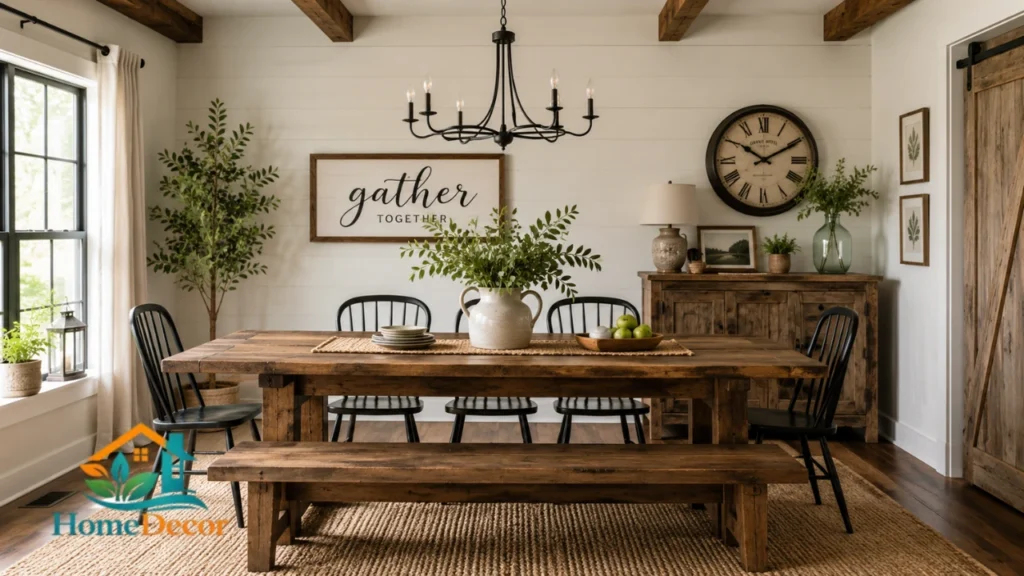
Farmhouse Dining Room
A Farmhouse Dining Room should feel warm, useful, and welcoming, but it should also work for real life. That is why the style continues to stay relevant in 2026: it mixes comfort with character and gives you room to be practical without losing charm. Current design coverage shows farmhouse dining rooms moving in several directions at once — modern, rustic, European, and more collected and personal — which means the style is no longer one look only. It can be simple, layered, elegant, casual, or family-friendly, as long as the room still feels natural and inviting.
That flexibility is exactly why so many people search for farmhouse dining room ideas. They are not just looking for pretty photos. They are trying to figure out what size table fits, which chairs feel right, how to make a room cozy without making it cluttered, and how to keep the space timeless instead of dated. This guide answers all of that with a clear, usable system you can actually apply at home.
What Is a Farmhouse Dining Room?
A farmhouse dining room is a dining space designed around comfort, natural texture, practical furniture, and a lived-in feel. The style usually includes wood, neutral colors, simple silhouettes, and a mix of old and new pieces. Houzz, BHG, IKEA, and House Beautiful all describe the style in terms of warmth, rustic charm, and flexible interpretation rather than strict rules.
At its best, the room feels easy to use every day but still special enough for guests. That balance is the real secret of farmhouse style.
Snippet-ready answer:
A farmhouse dining room is a warm, practical dining space built around wood, neutral colors, layered texture, and furniture that feels comfortable and timeless.
Why It Matters in 2026
Farmhouse dining rooms are still popular because they solve a modern problem: people want spaces that feel calm, personal, and functional at the same time. Recent coverage shows the style becoming less rigid and more collected, with mixed materials, sculptural lighting, and mismatched seating replacing the overly coordinated look that dominated earlier modern farmhouse trends.
That shift matters for SEO and for readers. People do not just want a “farmhouse look.” They want a version that matches their home, their budget, and their lifestyle.
What changed:
- The style is less themed and more layered.
- Natural wood and neutrals still matter.
- Lighting, texture, and seating are now doing more of the design work.
The Main Farmhouse Dining Room Styles
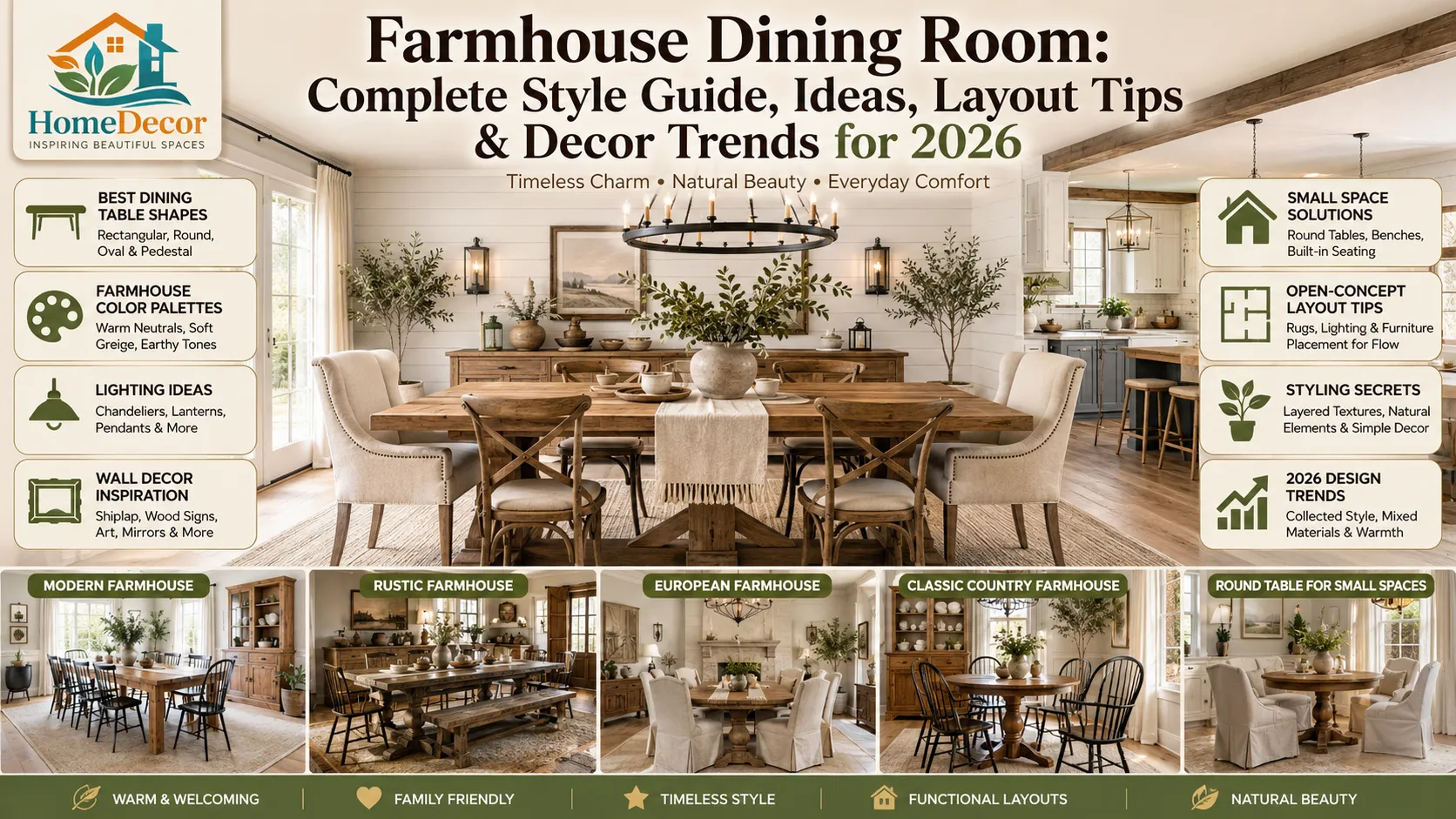
1. Modern Farmhouse Dining Room
This version keeps the rustic base but streamlines it with cleaner lines, black accents, simple shapes, and a more edited palette. BHG and Livingetc both show that modern farmhouse now favors mixed materials, sculptural lighting, linen textures, and furniture that feels collected rather than matched.
2. Rustic Farmhouse Dining Room
This style leans more into reclaimed wood, imperfections, vintage pieces, and cozy heaviness. It feels lived-in, honest, and warm. Houzz’s gallery and Homes & Gardens’ farmhouse dining coverage both support this family-focused, rustic direction.
3. European Farmhouse Dining Room
This version is more refined, often using stone, elegant furniture, and a softer old-world mood. House Beautiful’s current coverage specifically points to European farmhouse as a relevant direction in 2026.
4. Classic Country Farmhouse Dining Room
This is the most traditional version, with Windsor chairs, hutches, painted wood, and a homey, familiar feel. It is ideal for readers who want charm without chasing trends.
Comparison Table: Which Farmhouse Style Fits You?
| Style | Best For | Main Materials | Visual Mood | Risk Level |
| Modern Farmhouse | Apartments, new homes, open layouts | Wood, black metal, linen, mixed materials | Clean, warm, edited | Low |
| Rustic Farmhouse | Family homes, older homes, cozy rooms | Reclaimed wood, woven textures, vintage pieces | Deeply warm, casual | Medium |
| European Farmhouse | Larger rooms, elegant tastes | Stone, wood, soft neutrals, classic furniture | Refined, timeless | Medium |
| Classic Country Farmhouse | Traditional homes, sentimental decor lovers | Painted wood, wood grain, vintage lighting | Familiar, charming, homey | Low |
This kind of comparison is missing from the big inspiration galleries and is exactly the type of content that helps users choose faster.
How to Choose the Right Dining Table
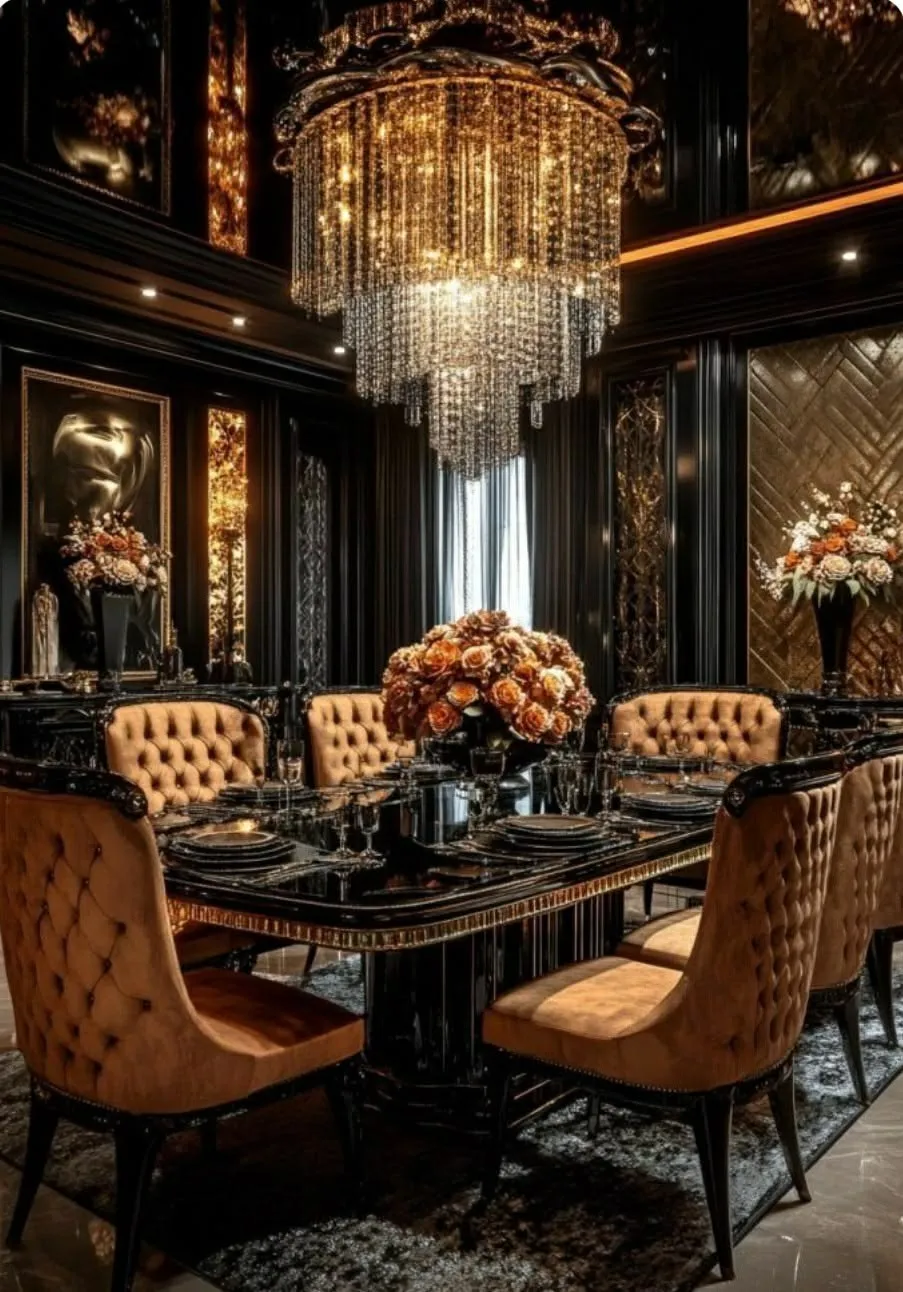
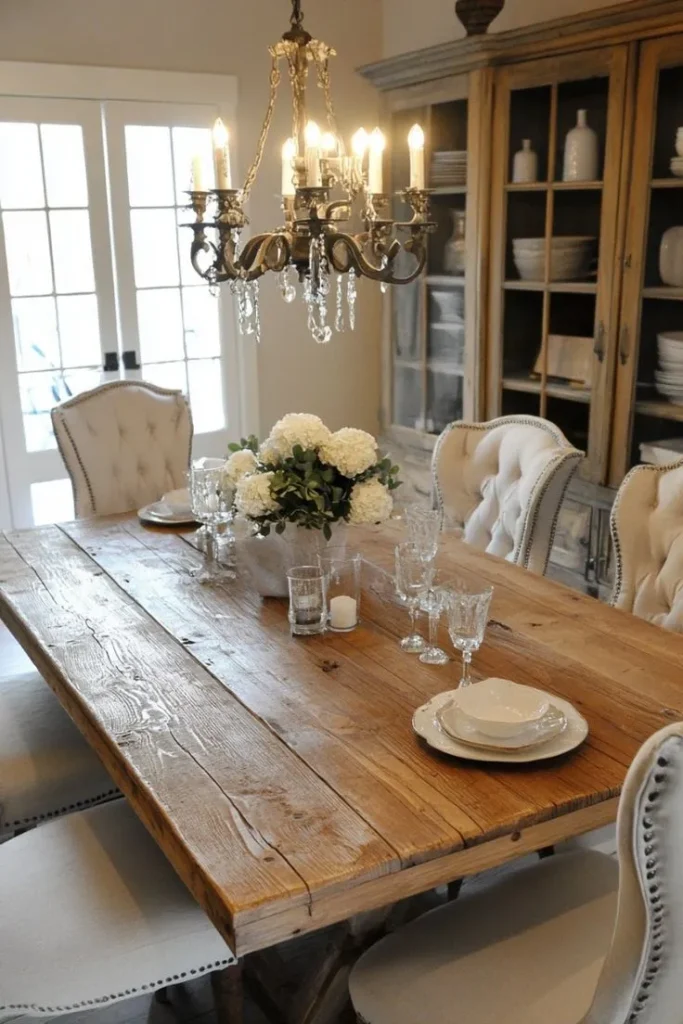
The table is the anchor of the room. In farmhouse design, the best choice is usually a solid wood table, a pedestal table, or a Long Rectangular Table with enough presence to hold the space. Current examples from Houzz, BHG, and IKEA repeatedly show rustic wood tables, round tables for small rooms, and simple, practical shapes that support everyday use.
Table shape guide
Rectangular table
Best for longer rooms, large families, and open-plan layouts.
Round table
Best for small dining rooms, breakfast nooks, and softer flow.
Pedestal table
Best when you want better legroom and a lighter visual footprint.
Oval table
Best when you want the softness of a round table with more seating room.
What matters most
- Scale should match the room.
- Wood tone should feel natural, not forced.
- The table should feel sturdy and usable every day.
- A slightly weathered finish often suits farmhouse style better than a glossy one.
Table Shape Guide by Room Size
| Room Size | Best Table Shape | Why It Works |
| Small dining nook | Round or pedestal | Saves space and improves movement |
| Narrow room | Rectangular | Uses the room’s length efficiently |
| Open-concept space | Rectangular or oval | Defines the dining zone better |
| Square room | Round or square | Keeps proportions balanced |
| Family dining room | Rectangular | Offers more seating and flexibility |
Mini summary:
For most readers, the safest farmhouse choice is a wood table with visible grain, a comfortable scale, and a shape that matches the room’s footprint.
Best Chairs, Benches, and Storage Pieces
Farmhouse dining rooms work best when seating feels comfortable and slightly varied. BHG, Livingetc, and IKEA all show that mismatched chairs, upholstered seating, woven textures, and bench seating can all look intentional when the color palette is controlled.
Good seating options:
- Windsor chairs
- Cross-back chairs
- Upholstered chairs
- Slipcovered chairs
- Woven or cane-backed chairs
- Bench seating for family-friendly layouts
Storage pieces that strengthen the look:
- Sideboard
- Hutch
- Glass-door cabinet
- Console with baskets or pottery
AD notes that a hutch or sideboard is especially useful in a farmhouse dining room because it gives you a place to show vintage glassware or pottery while keeping the room practical.
Why storage matters:
A farmhouse dining room should not feel empty or staged. It should feel useful. Storage makes the room look finished without overdecorating it.
Farmhouse Dining Room Color Palettes That Never Fail
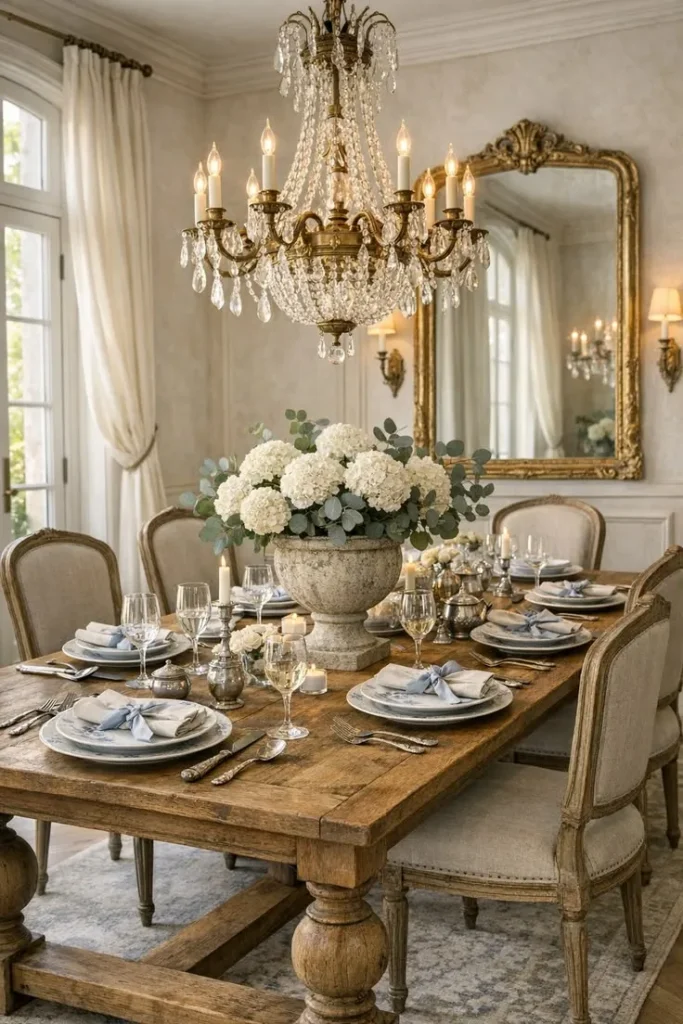
The safest farmhouse palettes are built on warm whites, cream, greige, soft gray, muted brown, and earthy neutrals. Houzz, IKEA, and BHG all reinforce the importance of creamy whites, natural wood, soft neutrals, and layered warmth.
Reliable color formulas
Formula 1: warm white + oak wood + black accent
Formula 2: cream + walnut + linen beige
Formula 3: greige + weathered wood + soft green
Formula 4: off-white + natural wicker + charcoal metal
Why this works
A farmhouse dining room should feel calm, not busy. Neutral colors let the wood grain, lighting, and texture stand out naturally.
Snippet-ready answer:
The best farmhouse dining room colors are warm white, cream, greige, soft gray, muted brown, and earthy neutrals because they keep the room cozy and timeless.
Lighting Ideas That Set the Mood
Lighting is one of the fastest ways to improve a farmhouse dining room. Current coverage repeatedly shows chandeliers, lantern-style fixtures, sculptural pendants, wagon-wheel lights, and simple statement shades as key elements. BHG, House Beautiful, and IKEA all point to lighting as a visual anchor in the room.
Best lighting types
- Lantern chandelier
- Wagon-wheel chandelier
- Caged pendant
- Glass orb pendant
- Oversized drum shade
- Soft sculptural pendant
The lighting rule that helps most
The fixture should be scaled to the table, not the room alone. A small table needs a quieter light. A large table can support a more dramatic fixture.
Designer tip
Use warm bulbs. Harsh cool light can make farmhouse rooms feel flat and unwelcoming.
Walls, Ceilings, and Flooring Ideas
Farmhouse style is not only about furniture. Walls, ceilings, and floors create the backbone of the room. BHG and House Beautiful both show shiplap, Barn Doors, wall paneling, murals, stone, exposed beams, built-ins, and fireplaces as strong farmhouse signals.
wall ideas
- Shiplap
- Beadboard
- Limewash or soft matte paint
- Simple panel molding
- Textured wallpaper with a subtle pattern
ceiling ideas
- Wood beams
- Painted ceiling
- Paneled ceiling
- Simple pendant-centered ceiling design
flooring ideas
- Light oak
- Medium walnut
- Wide-plank wood
- Wood-look luxury vinyl for budget projects
Practical rule:
If the room already has strong architectural detail, keep the furniture simpler. If the room is architecturally plain, let the walls and lighting do more work.
Styling the Table Like a Designer
A farmhouse dining table should feel styled, not overloaded. IKEA’s room examples lean on natural, practical, easy-to-live-with touches such as flowers, patterned cushions, and simple decorative objects, while Livingetc emphasizes layered texture, linen runners, woven placemats, and character-rich pieces.
Use this styling formula:
- One centerpiece
- One natural element
- One soft textile
- One simple accent
Easy centerpiece ideas
- Ceramic vase with greenery
- Wooden tray with candles
- Low bowl of fruit
- Linen runner with dried stems
- Small arrangement of seasonal flowers
Avoid
- Too many signs
- Oversized decor that blocks conversation
- Heavy seasonal clutter
- Matching sets that feel too staged
Mini summary:
The best farmhouse table styling is quiet, layered, and useful. It should invite people to sit down, not just look at it.
Farmhouse Dining Room Ideas for Small Spaces
Small farmhouse dining rooms can be charming and efficient. IKEA specifically highlights a “small but big on charm” modern farmhouse dining nook, while BHG and AD both show how round tables, banquette seating, and smart spacing improve small dining areas.
Small-space wins:
- Choose a round or pedestal table.
- Use bench seating against a wall.
- Keep wall colors light.
- Use one strong pendant instead of several small objects.
- Add a mirror to reflect light.
- Keep decor minimal and intentional.
Small-space mistakes:
- Bulky chairs
- Heavy dark finishes
- Overdecorated walls
- Too many storage pieces
- A table that blocks circulation
Snippet-ready answer:
For a small farmhouse dining room, a round table, light walls, bench seating, and one focal light fixture usually create the best mix of charm and function.
Open-Concept and Eat-In Kitchen Layout Tips
Open-plan dining spaces need visual definition. BHG, Houzz, and AD all support using rugs, lighting, furniture placement, and baseboards to define the dining zone without building walls.
Best ways to define the zone
- Place a rug under the dining set.
- Center the chandelier over the table.
- Repeat one wood tone or metal finish from nearby spaces.
- Use a sideboard or cabinet as a visual anchor.
- Keep the table aligned with the room’s main flow.
Eat-in kitchen tip
Treat the dining area like a real room, even if it is part of the kitchen. Matching the table and chairs to the rest of the home helps the space feel intentional.
Budget-Friendly vs Premium Farmhouse Dining Rooms
Budget-Friendly
- Pine or wood-look table
- Simple painted chairs
- DIY shiplap or panel molding
- Secondhand hutch
- Affordable pendant light
- Linen-look runner and thrifted decor
Premium / Luxury
- Solid hardwood table
- Custom upholstered chairs
- Hand-finished wood or stone details
- Statement chandelier
- Built-in storage
- Designer wallpaper or architectural paneling
Pros and Cons
Budget version pros:
Affordable, flexible, easy to update.
Budget version cons:
May need more care to avoid looking too basic.
Luxury version pros:
More lasting, more tailored, more visually rich.
Luxury version cons:
Costs more and requires better planning.
Step-by-Step Guide: How to Style a Farmhouse Dining Room
1. Choose the room’s farmhouse direction
Decide whether you want modern, rustic, European, or classic country farmhouse.
2. Pick the anchor table
Choose the right shape and scale first.
3. Add seating
Mix comfort and character with the chair or bench style you love.
4. Select the lighting
Make sure the fixture suits the size and mood of the table.
5. Define the walls
Use shiplap, paneling, paint, or artwork to create structure.
6. Layer texture
Add linen, wood, woven materials, pottery, or soft fabric.
7. Finish with storage and decor
Use a sideboard, hutch, or cabinet so the room feels complete.
Mini summary:
If you follow this order, you reduce decision fatigue and avoid common styling mistakes.
Best Materials & Decor Choices
Farmhouse style works best when materials feel natural, honest, and tactile. BHG, IKEA, and Livingetc all reinforce wood, linen, leather, rattan, metal, and mixed textures as current farmhouse-friendly choices.
Best materials
- Solid wood
- Linen
- Cotton
- Woven cane
- Rattan
- Leather
- Matte metal
- Ceramic
- Stone
Best decor choices
- Pottery
- Greenery
- Vintage frames
- Simple art
- Woven baskets
- Table runners
- Neutral rug
What to avoid
- Plastic-looking finishes
- Too many shiny surfaces
- Clashing wood tones
- Overly themed signs and plaques
Common Mistakes to Avoid
The biggest farmhouse dining room mistake is making the space too themed. Current design commentary suggests the style is moving away from overly matched, overly obvious farmhouse tropes and toward more collected, personal rooms.
Avoid these mistakes:
- Buying furniture that is too small for the room
- Using harsh white lighting
- Filling the space with too much decor
- Mixing too many wood tones without intention
- Relying only on barn-inspired props
- Ignoring storage and traffic flow
Why this matters:
A farmhouse dining room should look natural, not staged.
Expert Tips Most People Ignore
1. Scale matters more than style
A beautiful table that is too small will still make the room feel off.
2. Texture is more important than decoration
One linen runner, one wood bowl, and one woven element often do more than ten decorative items.
3. Negative space is part of the look
A farmhouse room should breathe. Space makes the room feel calm.
4. Repeat finishes
Use the same black metal or the same wood tone in more than one place to keep the room grounded.
5. Design for the way you live
If you eat here daily, comfort matters more than perfection.
Maintenance, Care & Long-Term Value
Farmhouse dining rooms age well when the materials are Chosen Carefully. Solid wood, quality upholstery, and timeless lighting tend to hold value better than trend-driven decor. To protect the room long-term:
- Use coasters and placemats on wood tables.
- Choose wipeable finishes if the space is family-heavy.
- Vacuum-clean the seating regularly.
- Dust light fixtures and cabinetry often.
- Refresh styling seasonally instead of replacing the whole room.
This is where the farmhouse look is strongest: it can improve with age if it is built from durable materials rather than just following visual trends.
Future Interior Design Trends
The future of farmhouse dining rooms is less about “farmhouse matching sets” and more about collected warmth. Current coverage from Livingetc and Architectural Digest suggests that the style is moving toward a softer, more personal interpretation that includes mixed seating, sculptural lighting, natural textures, and fewer rigid rules.
What to expect next:
- More mixed-material dining sets
- More sculptural lights
- More personal, less coordinated styling
- More warm minimalism
- More flexible farmhouse-European hybrids
Who Should Choose This Style
This style is a good fit for:
- Families
- Homeowners who want timeless comfort
- Apartment renters who need warmth without major renovation
- People who like natural textures and neutral palettes
- Readers who want a dining room that feels inviting every day
Who Should Avoid This Style
This style may not be right for:
- People who prefer ultra-glossy modern minimalism
- Anyone who dislikes wood grain or texture
- Rooms that need a very formal, dramatic, or highly sculptural look
- Spaces where the owner wants very bold color and high contrast everywhere
People Also Ask
A modern farmhouse dining room uses clean lines, natural wood, simple furniture, mixed textures, and fewer decorative extras. Current examples favor a more collected look with sculptural lighting and less matching.
Warm white, cream, greige, soft gray, and earthy brown tones are the safest choices. They keep the room calm and let the wood and lighting stand out.
A solid wood table usually works best, especially if it has visible grain, a sturdy shape, and a finish that feels natural rather than glossy. Round pedestal tables are especially useful in smaller rooms.
Start with a wood-look table, simple chairs, a neutral paint color, and one strong pendant light. Then add texture through linen, baskets, and a few natural accessories.
Yes, but it is evolving. The current direction is more collected, layered, and personal, with fewer overly themed details and more natural materials, mixed finishes, and sculptural lighting.
Conclusion
A great farmhouse dining room is not built from one trend or one perfect photo. It is built from the right table, the right scale, warm lighting, natural materials, and a layout that supports daily life. The strongest 2026 version of the style is not overly rustic or overly polished. It is collected, Comfortable, and personal. That is exactly why this topic has such strong long-term SEO potential.
This article is ideal for homeowners, renters, decorators, and anyone who wants a dining room that feels welcoming without looking dated. Add it to your TheRoomsArt.com content cluster, link it to your dining room, lighting, wall decor, and small-space posts, and it can become a strong pillar page for topical authority.
Legal disclaimer: Prices, materials, trends, and product availability may change over time depending on region, suppliers, and brands. Always verify dimensions, materials, and compatibility before purchase or renovation.
