
Introduction
A Dining Room Set With Bench eating is one of the smartest ways to make a dining area feel more welcoming, more flexible, and often more spacious. Instead of relying only on a row of chairs, a bench adds a relaxed seating option that can visually lighten the room, simplify the layout, and make everyday life easier. What draws plenty of households to bench seating is just that mix. It fits how they live.
Every morning, the light hits it just right in homes where people eat together. Whether tucked beside a kitchen window or filling an apartment corner, it holds its ground without shouting. Weekday rush or slow Sunday talk – it stays ready, never fussy. Not something passing through like last season’s colors. Built to fit tight spots yet leave room to breathe. Comfort doesn’t vanish by evening. Style shows up but does not steal the scene.
A dining set with benches might surprise you – its rise in homes comes from space-saving shape and casual charm. Instead of just chairs, these setups mix long seats under tables, often fitting tighter spots better. Picture sliding into place without bumping walls; that ease draws many people in. Choosing one depends on your floor layout, daily use, table height, plus who sits down each day. Style matters too: pair soft cushions with bold legs or quiet wood tones, balancing the frame. Small spaces? Think corner fit or extendable tables, with breathing room when needed. Budget options exist alongside crafted upgrades – each brings different care needs. Wipe spills fast; protect surfaces weekly. Questions pop up – height match, durability, kid safety – they stay answered straight here.
What Is a Dining Room Set With Bench Seating?
A long table might have a bench along one edge, chairs filling the opposite side. Instead of that setup, you could place benches across both lengths, opening up space like a casual gathering spot. Sometimes people fit an L-shaped seat into a nook, making it part of the walls. One or more benches take the place of individual chairs, changing how the whole group sits together.
Still, it’s clear why so many choose this option. Instead of separate chairs, a single bench fits many while seeming to disappear in comparison. Openness comes easier. So does comfort during everyday meals. Even the flow shifts – smoother, less cluttered. Change happens quietly, yet people notice. Over time, preference builds. Not by force. Through small advantages adding up.
Wood grain might make a bench feel cozy, while clean lines push it toward sleek city styles. Sometimes metal legs give off workshop vibes, but fabric cushions can soften the whole thing. Hidden compartments appear when you lift the top – practical without showing off. Shape matters just as much as what it’s made of. Homes change, yet benches keep up without demanding attention.
Why Dining Room Sets With Bench Seating Are So Popular
The biggest reason bench seating is popular is simple: modern homes need furniture that does more than one job. A bench gives you seating, but it can also help you save space, reduce visual clutter, and make a room feel more open. That makes it especially useful in homes where every square foot matters.
Another reason is the relaxed social feeling it creates. A bench naturally encourages a more casual, family-friendly atmosphere. It makes it easy for children to sit together, for guests to squeeze in, and for people to gather around the table without the room feeling stiff or formal. That softer energy is a major part of its charm.
Bench seating also works well in today’s mixed-use homes. Dining tables often double as homework stations, work-from-home desks, craft tables, and conversation zones. A bench supports that flexibility better than a more rigid, chair-only arrangement. It is easy to slide into place, easy to pair with other seating, and easy to adapt when needs change.
There is also the visual advantage. Several separate chairs can make a room feel busier, especially in smaller spaces. A bench reduces the number of distinct pieces and creates a cleaner line. That can make even a modest dining room feel calmer, more cohesive, and more intentional.
Bench vs Chairs: Which Is Better for Your Dining Room?
The best choice depends on how you use the room and what matters most to you. Chairs are classic, more individual, and often feel more formal. Benches are more flexible, more space-efficient, and better for casual family life. Neither is universally better; each solves a different problem.
A bench tends to work best when you want to seat more people in less space. It is ideal for narrow rooms, smaller dining zones, and homes that prefer a relaxed atmosphere. It is also a smart option when you want the room to feel visually lighter.
Chairs tend to work best when comfort is highly personal, and the dining room is used for longer, more formal meals. They offer defined personal space and are usually easier for each person to move in and out of individually.
The smartest arrangement for many homes is actually a mix of both. A bench on one side and chairs on the other create balance. The bench saves space, while the chairs keep the setup comfortable and easy to access. This mixed style is popular because it combines the strengths of both seating types without overcommitting to one.
Quick Comparison
| Feature | Bench Seating | Chairs |
| Space use | Efficient and compact | Usually takes more room per person |
| Seating style | Casual and flexible | Traditional and defined |
| Comfort | Great when padded or upholstered | Often better for long seated meals |
| Movement | Easy to fit extra guests | Easier to move individually |
| Visual effect | Cleaner, calmer look | More structured and formal |
| Best use | Small rooms, family dining, casual homes | Formal dining rooms, individual comfort |
Pros and Cons of Dining Room Sets With Bench Seating
Like any furniture choice, bench seating has strengths and tradeoffs. Understanding both helps you choose a set that fits real life instead of just looking good in photos.
Pros
More seating in less space.
A bench can often seat more people than a row of chairs with the same footprint. That makes it especially useful in homes where the dining area is tight or where guest seating matters.
Cleaner visual flow.
Because a bench replaces multiple chair backs and legs, the room tends to feel less crowded. The result is a smoother, more open appearance.
Family-friendly and social.
Bench seating encourages togetherness. It works well for children, casual meals, and extra guests. Many families prefer it because it feels more relaxed than a formal chair arrangement.
Flexible styling.
Bench seating fits many design styles. You can lean rustic, modern, coastal, contemporary, or Scandinavian, depending on the materials and shape you choose.
Multi-purpose use.
A bench can support dining, homework, laptop work, chatting, and everyday household routines. That makes it a strong choice for homes that want furniture to do more.
Cons
Comfort depends on the bench type.
A hard wooden bench may not be ideal for long dinners or lingering conversations. Upholstery or cushions can solve that problem.
Less individual movement.
People in the middle of a long bench may need others to shift slightly when getting in or out.
Can feel less formal.
If your dining room is meant to feel elegant and traditional, chairs may create a stronger formal impression.
Base and layout matter.
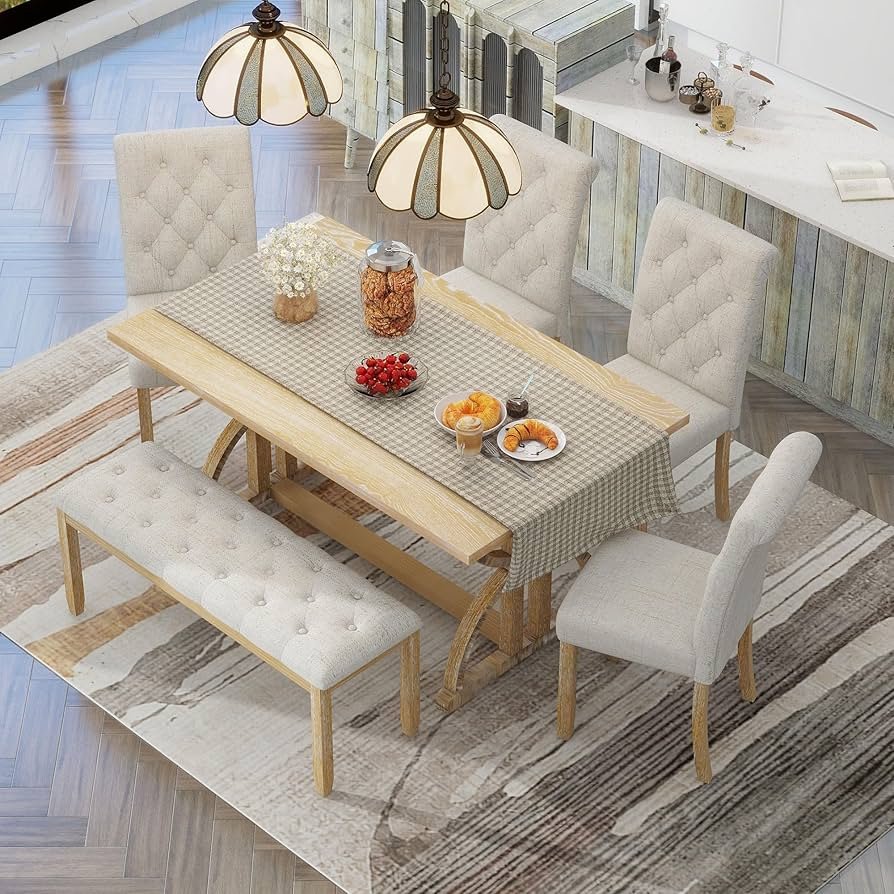
A bench works best when paired with a table base that does not interfere with legroom. Pedestal and trestle bases are usually easier to live with than bulky four-leg designs.
How to Choose the Right Dining Room Set With Bench
Buying the right bench dining set is not just about style. It is about proportion, Comfort, function, and how the furniture fits into your daily routine. A beautiful set that is too large, too narrow, or too hard to maintain will quickly become frustrating.
Measure the room carefully.
Before choosing a set, measure the room’s length, width, and traffic flow. Then measure the footprint of the table, the length of the bench, and the space needed for people to walk around comfortably. The goal is to make sure the room feels usable, not crowded.
A bench is especially effective in rooms that need efficient seating without filling every inch of floor space. That is one reason it performs so well in apartments, compact kitchens, and open-plan homes.
Choose the right table shape.
For most bench setups, a rectangular table is the best match. It creates a natural line for the bench and makes the whole arrangement feel balanced. In many cases, it also allows better movement around the seating zone.
Round tables can work in some breakfast nooks, but they are usually less efficient with bench seating unless the layout is custom or corner-based. Square tables can work in smaller rooms, but they may not give the same flexibility.
Decide how many seats you actually need.
People often choose seating based on aspiration instead of habit. Ask yourself how the space is used on an ordinary day. Do two people eat there most nights? Does the table need to fit a family of four? Will you regularly host guests? Do children need room to spread out with homework or craft materials?
The right set is the one that supports your real routine. A bench can make a room more flexible, but it still needs to match the way the room is actually used.
Match the materials to your lifestyle.
The material should reflect both style and maintenance needs.
Solid wood feels timeless, sturdy, and warm.
Engineered wood with metal often offers a more affordable, contemporary look.
Upholstered benches bring comfort and softness.
Storage benches are ideal for small spaces or multipurpose rooms.
Performance fabrics are useful for homes with kids or pets.
A home with frequent spills, active children, or heavy daily use will benefit from easy-clean materials. A more formal dining room, on the other hand, can lean into richer upholstery and more refined finishes.
Think about comfort from the start.
Comfort is one of the biggest reasons people love bench seating when it is done well. A padded bench can feel much more inviting than a bare wooden seat. A bench with a backrest may also provide a more supportive dining experience.
If your family tends to linger at the table, work from the dining area, or enjoy long weekend meals, cushion depth and back support matter. Comfort should never be an afterthought.
Consider storage and hidden functionality.
Seating plus smart storage packed into one piece – that’s what a bench with hidden space underneath delivers. Inside, stash winter coats or daily odds and ends, keeping things out of sight but close by. When floor space runs short, this kind of furniture pulls double duty without taking up extra square footage. Tucked against a wall, it helps the eating zone stay tidy while still feeling open.
Best Styles of Dining Room Sets With Bench Seating
One of the strongest advantages of a bench dining set is how well it adapts to different styles. Whether your home is traditional or contemporary, there is usually a bench version that fits naturally.
Modern minimal
Smooth edges, thin supports, one Smooth Shape – that’s how most of today’s simple dining sets look. Because they bring neatness without crowding sightlines, these fit right into smaller spaces like city units or wide-open rooms. Calm meals happen more easily here, where space feels clear, quiet, ready.
Rustic farmhouse
Old wood grain hints at years of meals shared. Built solid, each piece stands ready for laughter or quiet mornings. Smooth edges meet strong legs, shaped without fuss. Comfort comes through in low seats and wide planks. A table surrounded by these benches turns dinner into something familiar. No shine, no pretense – just space where people fit easily. Homes drawn to calm spaces often find their rhythm here.
Coastal casual
White tones float through bench seats shaped by seaside ideas. Airy fabrics mix with open weaves, bringing space to still rooms. Brightness matters here – light bounces off surfaces like waves hitting shore. Calm shades step in where bold ones might stumble. Homes chasing openness find this look pays quiet attention. Ease lives in the details, not in loud statements.
Industrial
Industrial bench sets often combine wood and metal. The result is strong, durable, and visually grounded. This style works well in lofts, urban apartments, or homes that prefer a more architectural look.
Scandinavian inspired
Scandinavian design favors practicality, simplicity, and a clutter-free atmosphere. Bench seating fits naturally into this look because it reduces visual noise while keeping the room functional. Light woods, soft neutrals, and clean forms help create that quiet, balanced feeling.
Transitional
Transitional dining rooms blend classic and modern features. A bench in this setting usually bridges the gap between formal and relaxed, giving the room flexibility without making it feel too trendy or too traditional.
Space Planning Tips for Small Dining Rooms
Squeezed into tight corners, benches make eating areas feel roomier. Where chairs struggle, a built-in seat slips neatly under the table, saving steps across the floor.
Backed into a corner, a bench takes less space than chairs. Movement opens up along one edge of the table when you fix the seating to the wall. The room breathes easier without clutter crowding the center. Tucking furniture tight to walls helps small diners feel usable.
A spot near the wall might work better with a bench. Chairs fill the opposite side, opening up room to move. This setup tends to sit more easily than surrounding the space fully with benches.
When space feels tight, what holds up the table really counts. Instead of thick legs, a center stand or angled supports open things up below. That extra clearance means legs fit without bumping. Less stuff underneath makes sliding into place smoother.
A narrow room often finds balance with a long table. Because it tucks neatly beside built-in seating, flow improves without crowding. Since edges run parallel to walls, sightlines stay clean, and movement stays open. With corners placed intentionally, clutter seems less likely even when things pile up nearby.
A tight space? Try a bench that slides out of sight beneath the table. This little move opens up the area, giving it breathing room by daylight.
Layout Ideas for Larger Dining Rooms
A bench might fit just fine even when space isn’t tight. Bigger rooms often gain warmth and ease through their presence, yet the eating zone stays grounded and full-sized.
Down one edge of a rectangular table, a stretched seat gives off shared meals and a steady routine. Instead of needing several coordinated chairs, just this single piece holds the space together. Big families find that it fits their pace naturally. So do houses where guests often gather around at dinnertime.
A different feel appears when mixing a bench on one side with padded chairs across from it. This setup layers the look without trying too hard. Practicality stays intact thanks to the bench. Comfort steps forward where the chairs sit, balanced and steady.
Built into a cozy spot where meals happen, benches shaped as an L or U fit just right. What stands out is how they draw a line around the dining space without trying too hard. Even if the layout was never meant that way, it starts looking made on purpose. Where floor area stays tight, but more spots are needed, tucked-in corners turn useful thanks to these setups.
Imagine how a long table gains warmth when met with a low seat at one end. That shift in height brings ease where stiffness once lived. Sometimes it’s not about adding chairs but changing rhythm. One piece alters the whole mood by inviting slouching, lingering, and relaxed talk after meals. The finish stays clean even as comfort takes hold.
Color, Lighting, and Furniture Pairings
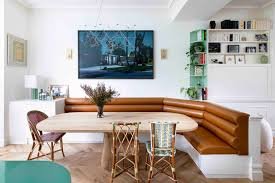
A dining room with bench seating should feel balanced. If the bench is too heavy visually, the room can feel dense. If the rest of the room is too empty, the bench can look disconnected. The best results come from thoughtful coordination.
Color choices that work well
White and beige make the room feel bright, calm, and timeless.
Warm oak and cream create a cozy, family-oriented mood.
Walnut and black give a richer, more dramatic, modern appearance.
Muted green or clay tones add personality without feeling overly trendy.
The right color palette depends on the mood you want. Lighter rooms feel airy and open. Darker rooms feel grounded and more luxurious. Neutral palettes are easiest to live with over time.
Lighting ideas
Pendant lights over the table help define the dining area and create a focal point. A warm bulb can make wood tones look richer and softer. Wall sconces near a bench area can add atmosphere, especially in a cozy nook.
Dimmable lighting is especially useful because dining rooms often serve multiple purposes. Bright light works for daytime use, while softer light is better for dinner and evening gatherings. Layered lighting gives the room more depth and flexibility.
Best furniture pairings
A bench often looks best when paired with slim chairs rather than bulky ones. A rectangular rug can help anchor the Dining Zone. A sideboard or buffet adds practical storage and makes the room feel complete. Wall art above the bench can finish the composition without making the space feel busy.
The overall goal is balance. The bench should feel like part of the room, not the only thing the eye notices.
Budget-Friendly Dining Room Set Ideas With Bench Seating
A bench might fit just fine even when space isn’t tight. Bigger rooms often gain warmth and ease through their presence, yet the eating zone stays grounded and full-sized.
Down one edge of a rectangular table, a stretched seat gives off shared meals and a steady routine. Instead of needing several coordinated chairs, just this single piece holds the space together. Big families find that it fits their pace naturally. So do houses where guests often gather around at dinnertime.
A different feel appears when mixing a bench on one side with padded chairs across from it. This setup layers the look without trying too hard. Practicality stays intact thanks to the bench. Comfort steps forward where the chairs sit, balanced and steady.
Built into a cozy spot where meals happen, benches shaped as an L or U fit just right. What stands out is how they draw a line around the dining space without trying too hard. Even if the layout was never meant that way, it starts looking made on purpose. Where floor area stays tight, but more spots are needed, tucked-in corners turn useful thanks to these setups.
Imagine how a long table gains warmth when met with a low seat at one end. That shift in height brings ease where stiffness once lived. Sometimes it’s not about adding chairs but changing rhythm. One piece alters the whole mood by inviting slouching, lingering, and relaxed talk after meals. The finish stays clean even as comfort takes hold.
Premium and Luxury Dining Room Bench Ideas
A bench might surprise you with how sleek it appears. Picking the right fabric, size, or sheen makes it seem deliberate instead of just practical.
One wooden table stands strong beside a padded seat covered in smooth cloth. Instead of plain looks, the fabric brings gentle depth – linen, nubby weave, or long-wearing material keeps things refined but never stiff. Deep brown grain, hazy oak tones, or flat black edges bring weight to the room quietly. These choices don’t shout – they settle in.
A bold hanging lamp grabs attention, reshaping how the space feels while anchoring the eating zone. Across the table, uniquely shaped seats add difference, stopping things from looking too much alike.
A single bold bench sets the tone. Alongside sit two refined chairs, bringing balance without clutter. The centerpiece stands clear – a striking table that needs no extra drama. Light plays its part through deliberate placement, shaping mood with precision. When the number of finishes multiply, so does visual noise. Patterns clash where simplicity once ruled. Surfaces compete instead of resting together. Calm slips away under too much choice.
What makes a bench seat premium isn’t extra stuff. Balance matters more than bulk. Fine materials show without shouting. Assurance sits quietly in the frame.
Common Mistakes to Avoid
A bench dining set is simple in concept, but it still requires careful planning. The most common problems are easy to avoid when you know what to look for.
Choosing the wrong table base
A heavy or awkward base can make bench seating frustrating. If the table legs are in the way, people may not sit comfortably or move in and out with ease. Pedestal and trestle bases generally work better.
Ignoring room flow
The bench may fit physically, but that does not mean the room will function well. Make sure people can still move around the table without squeezing past corners or bumping into furniture.
Buying a bench that is the wrong size
A bench that is too long, too short, too low, or too deep can throw off the whole room. Measure carefully and compare the bench with the table and the available floor space before buying.
Forgetting about comfort
Style matters, but comfort matters too. A beautiful bench that feels hard and unforgiving will not be enjoyable for daily use. Cushions, upholstery, and supportive backrests can make a huge difference.
Overdecorating the room
A bench already makes a visual statement. If the rest of the room is overloaded with patterns, heavy furniture, and decorative clutter, the space can start to feel crowded. Simplicity usually works better.
Prioritizing appearance over usefulness
A dining room should support life, not just photographs. Think about how the room functions on a weekday morning, after school, during family dinners, and when guests arrive. A good bench set should work in all of those situations.
Maintenance, Care, and Durability Tips
Beautiful looks matter in a dining space, yet comfort during daily meals matters just as much. Success over the years comes not just from style, but from how easily it handles spills, dust, and cleaning.
Every so often, give wooden parts a gentle wipe to keep dust away, especially right after something spills. Cleaning padded seating means Picking Solutions that match the cloth – always check what it’s made of first. When sitting directly on firm flooring, adding guards under each foot keeps marks from showing up over time.
Folks with kids or animals at home might prefer tougher materials – these hold up better against daily messes compared to softer weaves. When something needs to last for years without giving out, solid timber often fits the bill. Cheaper versions made from layered wood exist, too, though checking how tightly they’re built makes a difference later on.
Every time you sit down, think about what’s underneath. A spot that holds stuff needs order; it turns into a forgotten mess. When people rely on the surface for sitting and stashing things, upkeep matters twice as much. Cleaning around the hinge or wiping dust off shelves keeps the function intact. How smoothly it works depends on how well you care for the lid and base alike.
Furniture meant for meals must last for years. Pick surfaces plus builds ready for constant activity, so they stay fresh longer.
Smart, Modern, and Future-Ready Bench Dining Ideas
Bench seating is especially relevant in modern homes because it supports flexibility. Dining areas no longer serve one purpose only. They are often used for meals, laptops, planning, games, homework, crafts, and casual conversation. Bench seating adapts to all of that.
A bench can help define an open-plan zone without adding a wall or divider. It can also make a dining room feel more social and less formal, which is useful in homes where the dining area is part of the main living space.
Modular furniture and mixed seating are likely to remain popular because they allow households to change the layout over time. That makes bench seating a smart long-term choice rather than a temporary trend.
Hidden storage, stain-resistant upholstery, and timeless finishes all add to the future-proof appeal. The more adaptable the furniture is, the more value it offers across changing routines and life stages.
The smartest approach is to choose a set that can evolve with the home. A bench should look good now, but it should also continue to work well as your needs shift.
Quick Tips for Choosing the Best Dining Room Set With Bench
Choose the table first, then match the bench.
Use a bench when flexibility and space-saving matter.
Mix benches and chairs for the best balance of comfort and access.
Prefer pedestal or trestle bases when possible.
Use upholstery if your family spends long periods at the table.
Choose lighter colors for small rooms and richer tones for larger ones.
Keep the design simple if you want the room to feel bigger and calmer.
Think about daily life, not just visual style.
FAQs
Yes, especially when the bench is upholstered or padded. A cushioned bench is much better for long meals than a hard wooden one. If your household spends a lot of time at the table, a bench with a backrest or a mixed setup with chairs often feels more comfortable. Comfort depends on padding, depth, and support as much as on appearance.
Often yes. Benches can make small dining rooms feel more open because they reduce visual clutter and can seat more people in less space. They are especially useful when placed against a wall or paired with a table that has a streamlined base. Chairs still have advantages, but benches usually win when the priority is space efficiency.
Rectangular tables usually work best with bench seating. They create a natural fit and allow the seating arrangement to feel balanced. Tables with pedestal or trestle bases are often easier to use because they provide better legroom and smoother movement around the table.
Yes, and it is one of the best ways to use bench seating. Mixing a bench with chairs creates a balanced look and gives you the practical benefits of both styles. Many homes use a bench on one side and chairs on the other for a layout that feels comfortable, flexible, and visually pleasing.
Absolutely. Bench seating is often ideal for families because it is flexible, casual, and easy to adapt for children, guests, and everyday meals. It also makes shared dining feel more relaxed and can handle changing seating needs better than a fixed all-chair arrangement.
Conclusion
A dining room set with bench seating is one of the Most Practical and stylish choices for modern homes. It offers flexible seating, a softer and more social atmosphere, and an efficient way to save space without sacrificing comfort or design. From tiny apartments to sprawling open-concept spaces, benches fit just right – when size, texture, and placement make sense. A snug kitchen corner might call for slim lines, while larger rooms let bolder shapes shine. Picture wood meeting metal in a sunlit eat-in kitchen, or soft fabric inviting quiet mornings. Layout shifts matter too – one long seat along a wall changes how people move and gather. Thoughtful choices turn simple seating into something that feels meant to be there.
Start anywhere. Pick pieces that match how your days actually unfold. Where ease meets size and look, something shifts. Sitting low on benches stops being just popular. It settles into life – steady, useful, part of the everyday rhythm.
