
Introduction
A living room can feel serene, elegant, cozy, and well-curated, or it can feel crowded, mismatched, awkward, and visually noisy. That uneasy feeling is often what people mean when they describe a space as Tacky Living Room Decor. Most times, it isn’t about cash. Often, it’s how big things are compared to each other, how much stuff fills the space, the way light hits, plus if the room seems planned instead of thrown together by chance.
Most well-dressed rooms today aren’t filled with pricey things or cluttered corners. Instead, they hold only what matters – each item placed on purpose. Furniture sits right within the walls as if it belongs there naturally. Hues echo here and there, subtly tied together. Decoration shows restraint, more shaped than scattered. A quiet strength appears when you step inside one of these spaces. At first, nothing shouts. Then the details pull your eye deeper. Order runs beneath everything. Space between things feels just as planned. Balance keeps the eyes steady without saying so.
This guide walks through typical errors people make when decorating living rooms, pointing out how each one drags down the overall vibe. A misplaced rug shrinks the area, while poor lighting leaves corners feeling flat. Furniture that’s too large crowds movement paths, creating tension instead of ease. Matching sets often appear stiff, like a showroom rather than a home. Clutter piles up quietly until surfaces feel busy and restless. Layered light sources – overhead, lamps, natural glow – bring balance without shouting for attention. Natural materials add depth without calling attention to themselves. Arranging pieces around function helps the conversation flow where it wants to go. Size matters less when proportions align with the room’s rhythm. Spending little or investing more leads somewhere similar – a place that feels settled, lived-in, calm.
What Does Tacky Living Room Decor Really Mean?
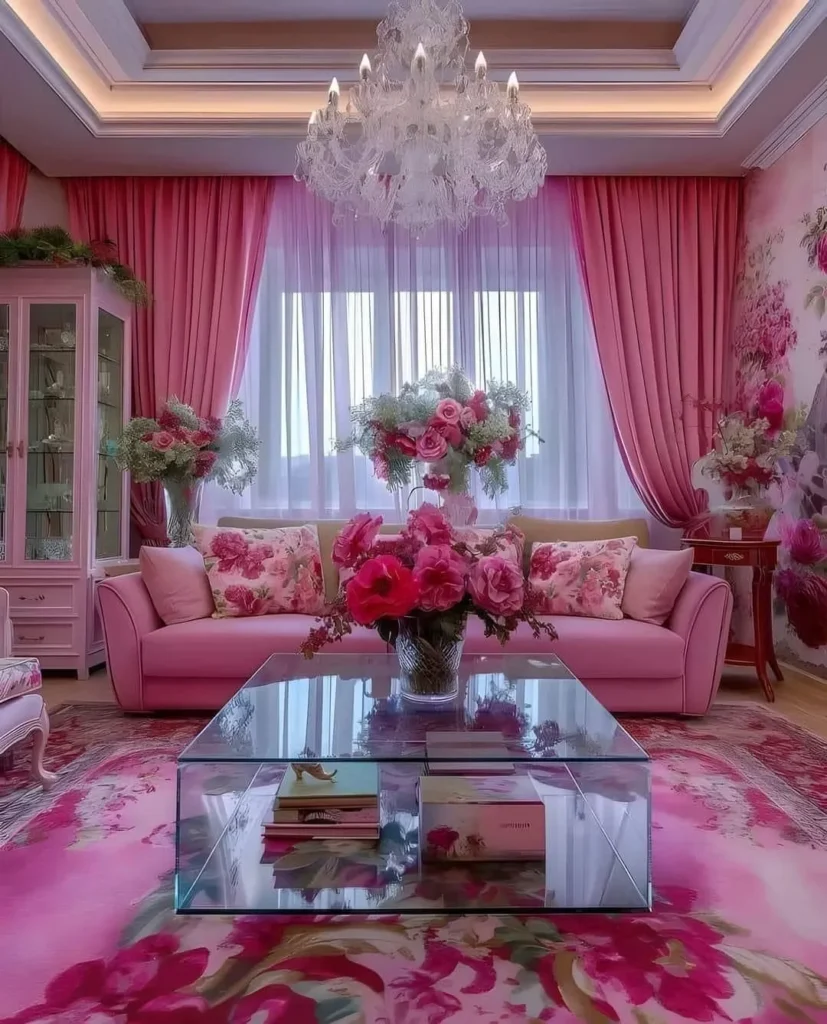
“Tacky” does not always mean ugly. More often, it means the room feels visually confused. Something is off, but not necessarily in one dramatic way. The space may have too many matching items, furniture that overwhelms the room, decorative objects that are too small to matter, lighting that is too harsh, or finishes that look overly glossy and artificial. A room can also feel tacky when it seems decorated all at once instead of layered gradually with intention.
A stylish living room is not a room with no personality. It is a room with restraint. The pieces speak to one another. The textures create depth. The palette repeats softly. The layout supports real life. The result is a room that feels considered, not copied.
In practical terms, a living room usually looks tacky when one or more of these problems show up at the same time:
The furniture does not fit the room size
The decor feels too matched or too random.
The lighting is flat, harsh, or overhead-only
The room feels crowded or underfurnished.d
The materials look cheap, shiny, and disconnected.
A classy room does the opposite. It balances those same elements so the space feels settled, warm, and intentional. The goal is not perfection. The goal is harmony.
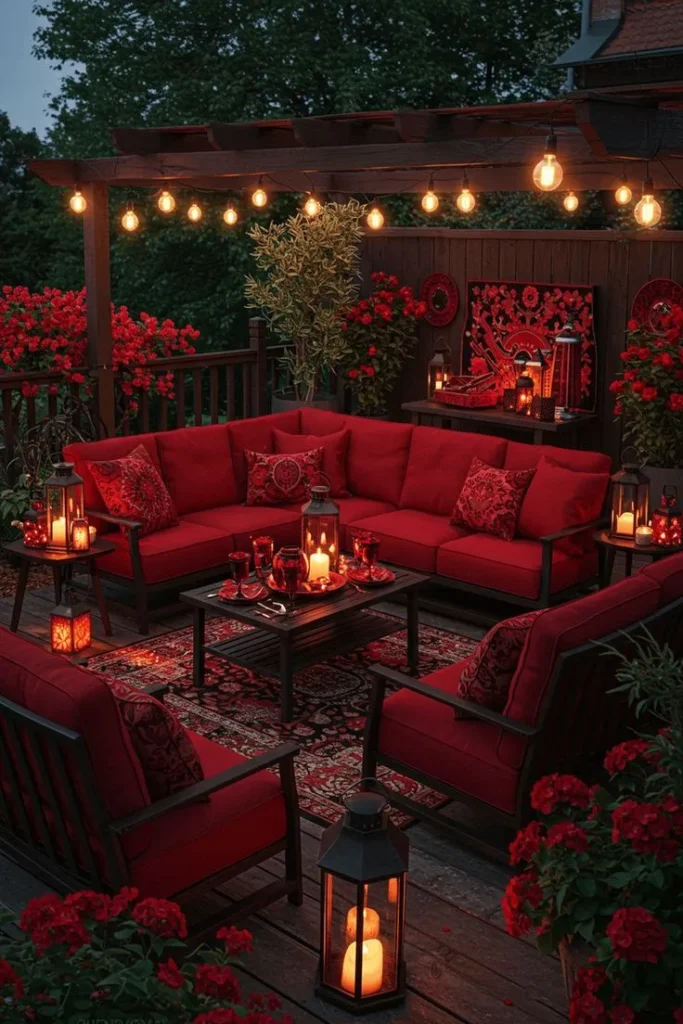
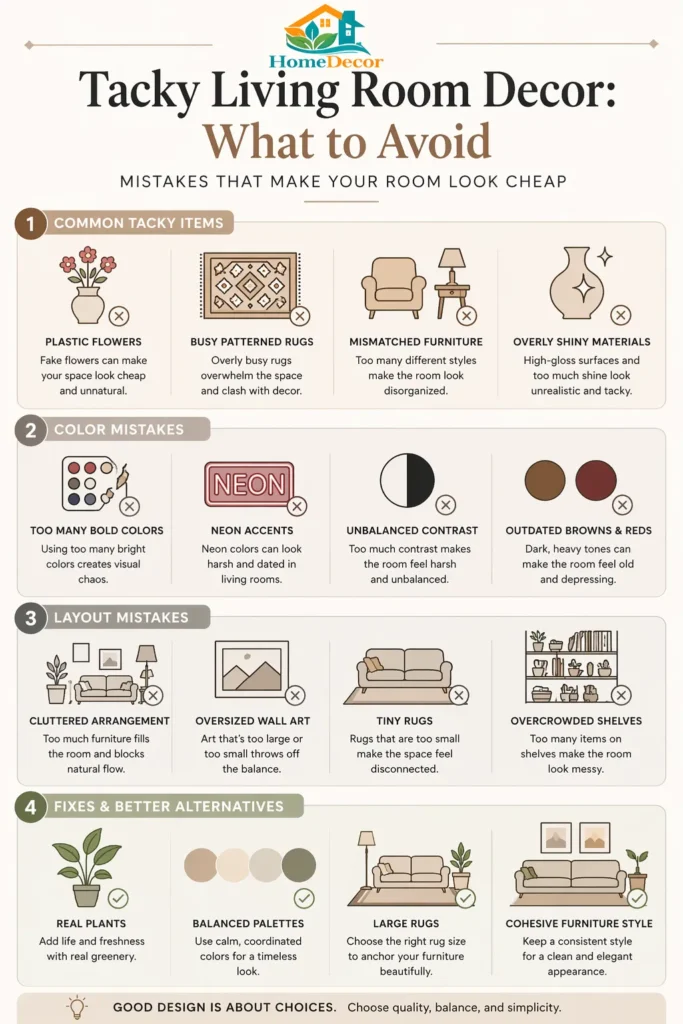
Top Living Room Decor Mistakes That Look Tacky
| Design mistake | Why does it look tacky | Better fix | Best result |
| Matching furniture sets | The room feels generic and showroom-like | Mix shapes, textures, and finishes | A collected, personal look |
| Too-small rug | The seating area feels disconnected | Use a rug that anchors the furniture | A grounded layout |
| Oversized furniture | The room feels cramped and heavy | Choose a better scale | Better flow and comfort |
| Poor lighting | The room feels flat or harsh | Layer light sources | Warmth and depth |
| Too much clutter | The space feels noisy | Edit surfaces and reduce extras | Calm visual balance |
| Fake-looking finishes | The room can feel cheap or staged | Use natural textures and matte surfaces | More authentic character |
Most rooms do not look tacky because of one huge problem. They look tacky because several small problems stack up. That is why the smartest fixes usually focus on proportion, lighting, texture, and editing first.
Matching Furniture Sets Make the Room Feel Cookie-Cutter
A complete matching set may feel like the safest option, but it often makes a living room feel flat and predictable. When the sofa, chairs, tables, and storage all come from the same family and match too closely, the room loses contrast. Instead of feeling layered and personal, it can feel like a furniture showroom.
That does not mean every piece must clash. It means the room benefits from contrast. A neutral sofa can work beautifully with a wood coffee table, a textured accent chair, and a metal or stone detail. This combination feels more collected, which is a big part of what makes a room look refined.
Better fix: coordinate rather than duplicate. Use one consistent design direction, but vary the shapes, finishes, and materials. A soft boucle chair beside a linen sofa and a timber side table creates visual interest without chaos. The room feels built over time, which is almost always more elegant than a perfectly matched package.
A Rug That Is Too Small Throws Everything Off
A rug that is undersized makes furniture appear as though it is floating in the room. It breaks the seating area apart and leaves the eye without a clear anchor. This is one of the most common reasons a living room feels unfinished.
A rug is not just a floor covering. It is a visual frame. It tells the room where the conversation zone begins and ends. When the rug is too small, the layout feels scattered. When the rug is the right size, the whole seating arrangement appears more stable and intentional.
Better fix: choose a rug that connects the major furniture pieces. In many living rooms, the front legs of the sofa and chairs should sit on the rug so the arrangement feels unified. In open-plan layouts, the rug matters even more because it helps define a zone within a larger space.
A larger rug often makes the room look more expensive immediately. It is one of the strongest upgrades for creating an expensive-looking living room without changing everything else.
Oversized or Overstuffed Furniture Can Swallow the Room
Large Furniture can feel luxurious in a showroom, but in the wrong room, it can become overwhelming. A bulky sectional, an oversized recliner, or a coffee table that is too wide can reduce circulation and make the room feel heavier than it should.
This issue is about scale. Even a beautiful sofa can look wrong if it dominates the floor plan. The room begins to feel squeezed, which creates that visually heavy, tacky effect people notice right away.
Better fix: measure before buying. The room needs air around the furniture. In a smaller space, go for slim arms, lighter silhouettes, and open legs that create visual space underneath. In a larger room, bigger furniture may work, but it still needs balance from side chairs, lamps, and tables, so the arrangement does not feel like one giant object floating in the middle.
A good layout makes the room feel easier to move through, and that ease is what often reads as stylish.
Poor Lighting Can Make a Beautiful Room Feel Cheap
Lighting is one of the fastest ways to either elevate or weaken a room. A single overhead fixture often produces flat, unflattering light. It can make colors look dull, textures disappear, and the room feel more like a waiting area than a home.
This is where layered lighting matters. Layered lighting means using more than one source so the room has depth and flexibility. It also helps support different activities, from reading to relaxing to entertaining.
Better fix: use a mix of light sources. A ceiling light can provide overall illumination, while a floor lamp adds reading light, a table lamp adds softness, and accent lighting or sconces create a mood. Warm bulbs usually feel more welcoming than harsh white light, and that warmth can make the room look instantly more refined.
A room with good lighting does not just feel brighter. It feels more composed.
Too Much Decor, Especially Too Many Small Pieces, Looks Busy
A shelf filled with tiny objects can make a room feel cluttered even when every item is attractive on its own. The problem is visual noise. Too many small items create constant movement for the eye, so the room never feels settled.
This is one of the easiest ways a living room starts looking tacky. It feels decorated, but not edited. There is no pause. There is no breathing space. Every surface is trying to do too much.
Better fix: edit with intention. Choose fewer pieces and let them carry more visual weight. A large bowl, one sculptural vase, one stack of books, or one framed artwork often looks better than ten small objects. Negative space is not empty. It is part of the design. It allows the eye to rest and makes the room feel more polished.
Fake-Looking Plants and Overly Shiny Surfaces Can Flatten the Room
This does not mean faux plants are always a mistake. It means that cheap-looking greenery, shiny plastic decor, and glossy finishes can make a room feel less grounded. When too many surfaces reflect light artificially, the room loses depth and warmth.
Natural textures solve this problem beautifully. Wood, wool, linen, ceramic, clay, stone, and rattan create variation without making the room feel busy. These materials introduce softness, authenticity, and texture, which are all important for a classy living room.
Better fix: use natural-feeling materials wherever possible. Even a single plant in a proper planter can improve the mood of a room if it feels integrated into the rest of the decor. The goal is not to make the room look rustic. The goal is to make it feel real.
Loud Color Without Balance Can Feel Chaotic
Color can be powerful, but it needs structure. A room with too many competing shades can feel restless, especially when bold colors appear without repetition or a clear palette. The result is often visual confusion rather than energy.
A calm base palette helps the room feel more expensive and easier to live with. That does not mean the room must be beige. It simply means the color story needs discipline.
Better fix: choose one base color, one supporting color, and one accent color. Repeat them through art, cushions, rugs, lamps, and small accessories. That repetition creates rhythm. Rhythm creates calm. Calm is one of the main ingredients of a polished room.
Tacky vs. Classy Living Room Ideas
| Design choice | Tacky version | Classy version |
| Furniture | Every piece matches exactly | Pieces coordinate but do not duplicate |
| Rug | Too small and disconnected | Sized to anchor the seating area |
| Lighting | One harsh ceiling bulb | Layered light with lamps and accents |
| Decor | Many tiny objects on every surface | Fewer, larger, more intentional pieces |
| Materials | Shiny, artificial, flat finishes | Wood, linen, wool, stone, ceramic, matte surfaces |
| Styling | Overly themed or forced | Collected, balanced, and personal |
A classy room is not a sterile room. It is not empty, and it is not trying too hard. It looks edited. It feels calm, but not boring. It has texture, but not clutter. It feels personal, but not messy.
How to Make a Living Room Look Stylish in 2026
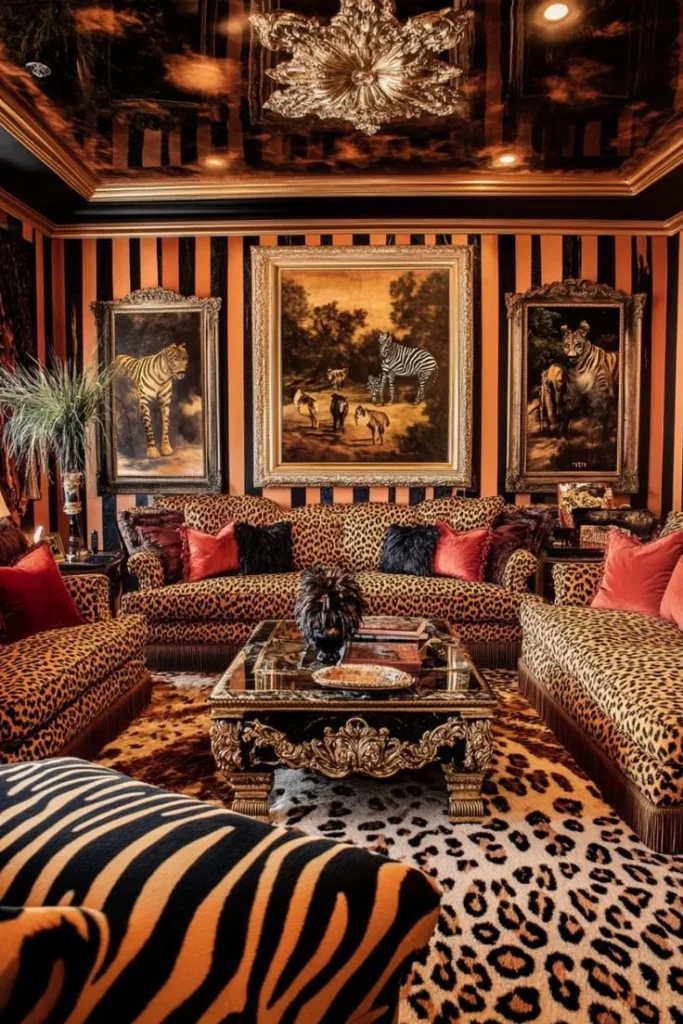
The best way to avoid tacky living room decor is not to chase every trend. It is to build the room on design principles that continue to work no matter how styles change. A people-first approach to interiors focuses on comfort, flow, and daily function before it focuses on aesthetics. That is the secret behind rooms that stay stylish for years rather than months.
Work with scale and proportion.
Scale is one of the biggest reasons a room looks elegant or wrong. A tiny rug beneath a large sofa, or a massive sectional in a compact room, can make the whole space feel off balance. Proportion matters because the eye reads harmony Very Quickly.
The simple rule is this: the main pieces should feel related in size. The sofa should not overpower the tables. The rug should not disappear. The art should not be tiny on a large wall. When the scale is correct, the room feels calmer almost instantly.
Mix materials, not just colors
Rooms built only around color can feel flat. Rooms built around texture feel richer. A strong interior usually combines matte and smooth, soft and structured, natural and polished. That mix creates depth without clutter.
Good combinations include:
linen sofa + oak table
wool rug + brass lamp
ceramic vase + matte frame
stone tray + woven basket
These mixtures make a room feel layered and finished. They also help in creating an expensive-looking living room on any budget.
Add one strong focal point.
Every room benefits from a clear place where the eye naturally lands. That focal point might be a fireplace, a large piece of art, a sculptural lamp, a mirror, or a well-designed feature wall. Without a focal point, the room can feel directionless.
A strong focal point gives the room confidence. It helps organize the rest of the furniture and makes the room feel more complete. It does not have to be dramatic. It just has to be deliberate.
Use vintage or secondhand pieces with intention.n
One reason a room can look tacky is that everything seems new, identical, and mass-produced. Vintage and secondhand pieces interrupt that feeling in the best way. They add age, warmth, and individuality.
You do not need a room full of antiques. One older side table, a thrifted lamp, a vintage print, or a chair with updated upholstery can shift the mood of the whole room. These pieces make the room feel collected rather than copied.
Keep the palette controlled.
A classy room often uses fewer colors than people expect. That does not mean it is dull. It means the colors repeat in a coordinated way. A soft base palette gives the room flexibility, while a few thoughtful accents keep it from feeling flat.
A simple formula works well: one base color, one supporting color, and one accent. Repeat these shades through textiles, artwork, lighting, and accessories. The room feels cohesive because the elements are speaking the same language.
Living Room Layout and Space Planning Tips
A room can have beautiful decor and still feel wrong if the layout is poor. Furniture arrangement affects how people move, sit, talk, and relax. It can make a room feel welcoming or awkward very quickly.
Good living room layout tips are really about creating flow. The room should support conversation and daily use without forcing people to walk around obstacles or feel trapped by the furniture.
Simple layout rules that help immediately
Create a clear conversation zone.
Place seating so pieces face or angle toward each other
Leave a Comfortable walking space.e
Put a side table within reach of each main seat. at
Balance open space with anchored space.
Center the room on use, not only on the television
Mini space-planning guide
| Room type | Best layout move | Avoid |
| Small apartment living room | Streamlined sofa, round table, wall light | Oversized sectional and tiny rug |
| Medium family room | Sofa plus two chairs and layered lighting | All seating pushed to the walls |
| Large open-plan living room | Zoned seating, larger rug, clear focal point | Furniture floating without definition |
A layout that works well often matters more than expensive decor. A simple room with a smart arrangement can feel better than a costly room with poor flow.
Color, Lighting, and Furniture Suggestions
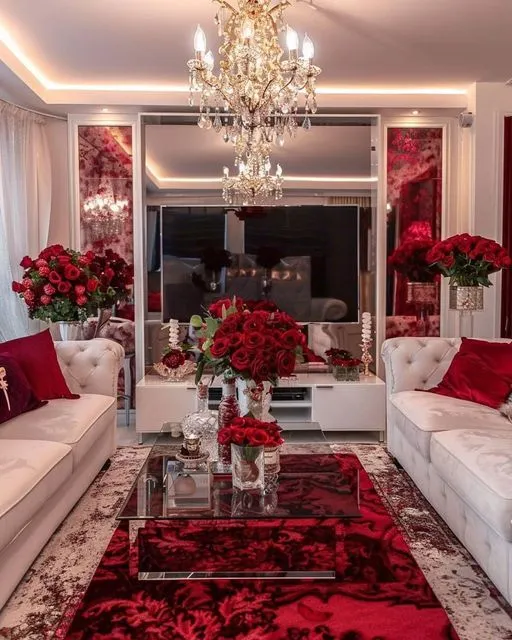
Color
For a polished look, start with a calm base color. Soft neutrals remain effective because they create flexibility and visual calm. They also make it easier to layer in personality through art, textiles, and accent pieces.
Strong base colors for a classy interior include:
warm white
beige
taupe
greige
soft gray
muted pink
clay
sandstone tones
A living room does not need loud walls to feel alive. It needs balance, contrast, and texture.
Lighting
Lighting changes everything. A room with thoughtful lighting feels warmer and more welcoming. A room with only one overhead source often feels flat and unfinished.
The most effective lighting mix usually includes:
ceiling light for general brightness
floor lamp for reading
table lamp for softness
accent light or sconces for atmosphere
Warm bulbs work especially well because they soften the entire room. They make finishes look richer and textures more noticeable.
Furniture
Furniture should feel proportionate, durable, and comfortable to live with. A strong living room usually works best when it mixes forms rather than relying on one matching set.
A simple but effective furniture pattern looks like this:
one main sofa
one or two accent chairs
one coffee table
one side table or nesting table
One lamp per key seating area
That is often enough to make a room feel complete without making it crowded.
Budget-Friendly Ways to Fix Tacky Living Room Decor
A stylish room does not have to be expensive. In many cases, the fastest improvements cost very little. Often, the room does not need more things. It needs better editing.
Here are the best low-cost upgrades:
Replace a rug that is too small,
remove extra decor from shelves and tables
Switch to warmer bulbs or add one lamp.
Use one larger artwork instead of many tiny frames.
Add texture through cushions, throws, and bas. ket.s
Rearrange the furniture before buying anything new
These changes work because they address the strongest signals of tacky decor: clutter, weak lighting, poor scale, and lack of structure.
Why this works
A room often looks more expensive after editing than after shopping. When the eye is less overloaded, the remaining pieces feel more deliberate. That sense of intention is what makes a space feel polished.
A simple budget refresh example
Before: small rug, bright overhead light, crowded shelf, matching furniture set, no focal point
After: larger rug, warm lamp, edited shelf, mixed table finishes, one large artwork
The second room almost always feels calmer and more finished, even if very little money was spent.
Premium and Luxury Ideas for a More Classy Living Room
When the goal is a higher-end feel, the most effective upgrades are not always the flashiest. The best luxury details often look tailored, integrated, and quietly intentional.
The most elegant rooms usually have a sense of order and softness at the same time. They feel edited, not crowded. They rely on quality materials and strong scale rather than excess decoration.
Luxury upgrades that make a real difference
Add wall molding or trim for architectural character
Use one large rug instead of several small ones.
Choose richer textiles such as wool, linen, or moha ir, and
Add a sculptural lamp or statement side table
Place a large plant or tree in a suitable planting. We built hidden storage so the room stays visually calm
Why does luxury look calm, not crowded?
The strongest high-end rooms rarely try too hard. They usually contain fewer pieces, better spacing, and a clearer color story. The elegance comes from discipline. That is why the phrase “less, But Better” remains so relevant in interior design.
A luxury room is not about showing everything at once. It is about choosing the right details and giving them room to breathe.
Common Mistakes to Avoid
Before buying anything new, check for these common problems:
Do not buy furniture without measuring the room.
Do not choose a rug before checking the seating footprint.
Do not rely on one overhead light only.
Do not cover every surface with small objects.
Do not use furniture that is all the same shape, finish, and color.
Do not ignore curtains or window treatments.
Do not turn the room into a TV-only zone if it also needs conversation and relaxation.
These may seem basic, but they are often the exact reasons a living room feels awkward or unfinished.
Maintenance, Care, and Durability Tips
A classy room stays classy when it is practical. A beautiful design that is difficult to clean or hard to maintain will start looking worn down quickly. Good style should support real life, not fight against it.
Smart care habits
Vacuum rugs regularly so they keep their shape
. Rotate cushions and throws to spread wear
dust lamps, frames, and shelves. Often
clean glass and glossy surfaces because smudges show fast
Choose washable or easy-care fabrics in busy homes.
store extra accessories instead of leaving everything out
A room that is easy to maintain is more likely to remain attractive over time. Durability is part of style.
Smart, Modern, and Future-Ready Living Room Ideas
Modern living room style is moving toward flexibility, comfort, and personality. The strongest current spaces mix old and new, use natural materials, and stay functional.
Easy future-ready ideas
Add charging points or smart plugs discreetly.
Use modular furniture if the room changes. ten
mix eras so the room feels collected, not mass-produced
Use lighting that can shift from task mode to evening mood. Choose a neutral base that can change with seasonal decor.
Why this matters
A flexible room is less likely to feel dated. If the layout works and the base palette stays calm, the room can be refreshed with only a few new accessories. That makes the space more sustainable, more practical, and easier to keep stylish.
Quick Tips to Instantly Improve a Tacky Living Room
Keep the rug size in proportion to the seating area.
Replace harsh overhead-only lighting with layered lighting.
Mix at least three textures in the room.
Remove small clutter from open surfaces.
Use one strong focal point, like art or a feature wall.
Let the room look collected, not copied from one catalog.
These small changes often create the biggest visual upgrade. They can make the room feel calmer, more expensive, and more personal almost immediately.
FAQs
A living room usually looks tacky when it feels over-matched, under-scaled, cluttered, or poorly lit. Common examples include matching furniture sets, too-small rugs, and crowded surfaces.
Start by editing what you already have. Improve the lighting, use a bigger rug if needed, remove clutter, and add texture through cushions, throws, and natural materials. These changes often have a bigger impact than buying many new items.
A good living room rug should anchor the seating area instead of sitting like a small island in the middle of the floor. In most rooms, the front legs of the main seating pieces should rest on the rug.
Matching furniture is not the best choice if you want a room that feels personal and layered. Current design coverage favors mixed pieces, mixed materials, and some contrast, because they create more character.
Use fewer, better-sized pieces, choose a rug that fits the room, keep the layout open, and rely on layered lighting instead of a single harsh light source. Small rooms often look better when every item has a clear purpose.
Final Takeaway
Most times, clutter kills the feel of a space – especially if things are too big, too dim, or just thrown together. Buying extra stuff won’t help. What works instead? Thoughtful choices. Furniture that fits matters. So does a rug that anchors rather than floats. Light should come from different levels. Materials like wood or stone add quiet depth. Stick to fewer colors on purpose. Arrange Pieces so they breathe. Small shifts like these change everything – even without rebuilding walls.
Peace lives here, not clutter. What you see was chosen, never tossed together by chance. This space carries your name without shouting it. The aim ahead? Spaces that stay right where they belong – calm under new lights, soft through fads, steady when styles shift. Modern but warm. Balanced like breath. Built to last beyond what’s hot today.
