
Introduction
A Private Dining Room is no longer just a quiet corner inside a restaurant. In 2026, it is a high-value space for birthdays, business dinners, client meetings, engagement parties, and premium group experiences. The strongest current guides tend to focus on booking steps, menu planning, AV setup, and promotion, while Google continues to favor helpful, people-first content that fully answers the user’s intent in one place. That is exactly why this guide is built to cover the full journey: what a private dining room is, why it matters, how much it costs, what layouts work best, and how to choose the right space with confidence.
If you are searching for private dining room ideas, a private dining room setup guide, or clear answers on private dining room cost and minimum spend, this article is designed to give you everything in one clean, useful, search-friendly page. It also helps restaurant owners understand how private dining can improve revenue, flexibility, and guest loyalty when it is done well.
What Is a Private Dining Room?
Snippet-ready answer:
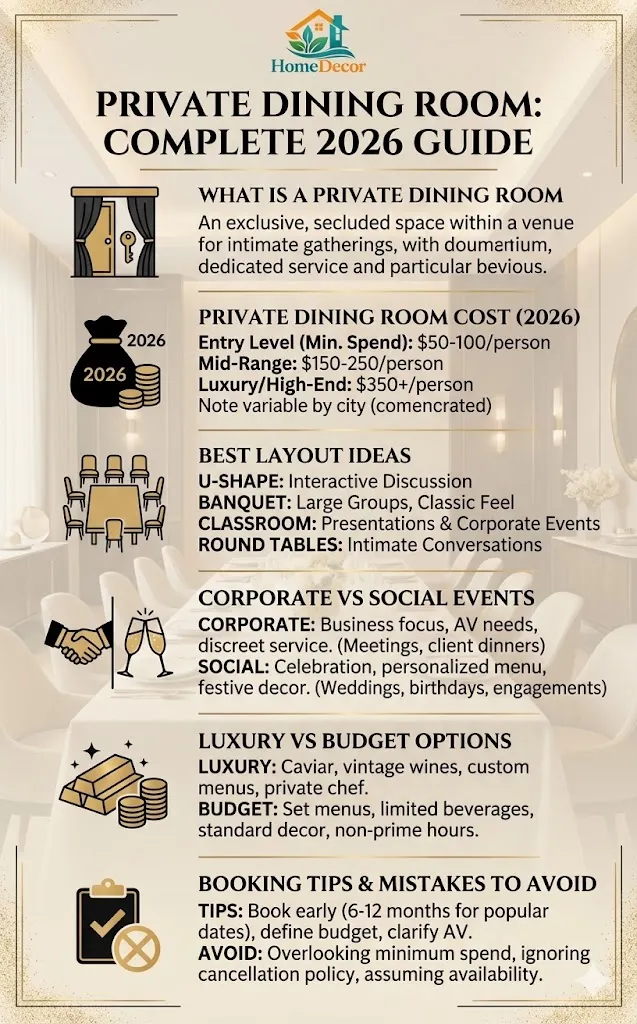
A private dining room is a reserved restaurant space used by one group only, usually with more privacy, dedicated service, and a tailored menu than regular dining.
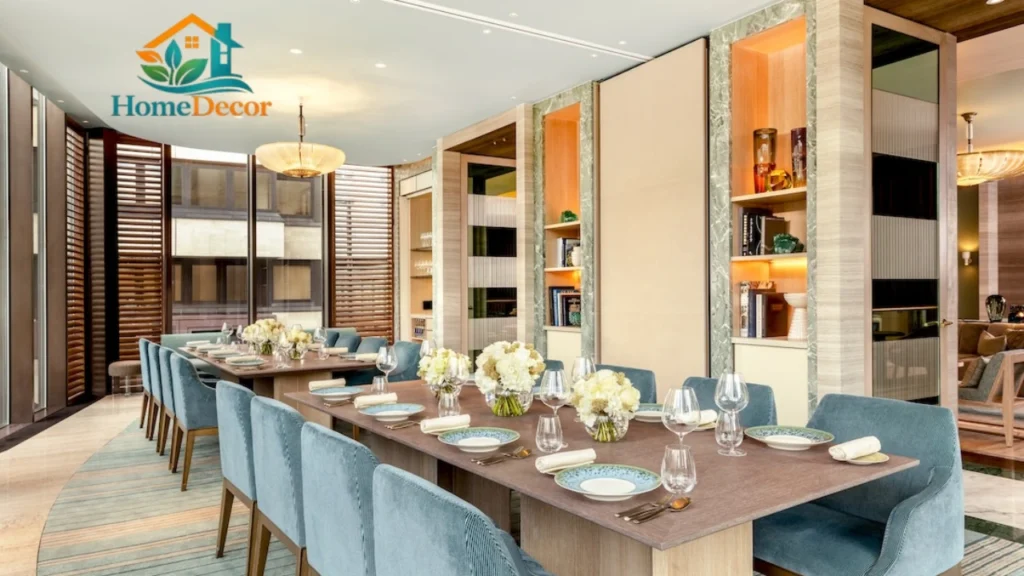
A true private dining room is enclosed or clearly separated from the main dining area. It may have its own door, walls, staff, and menu options. Some restaurants also offer semi-private spaces, but those are not the same as a fully private room. Current booking guides describe private dining as a space that can host corporate dinners, birthday celebrations, wedding rehearsals, and other special events with more control over noise, timing, and service.
In simple words, it gives you the feeling of a private event inside a restaurant setting.
What makes it different from regular dining?
A private dining room usually offers:
- more privacy
- a fixed or curated menu
- special service flow
- room for speeches or presentations
- better control over ambiance
That is why people book it for moments that need more than a standard table.
Why Private Dining Rooms Matter in 2026
Private dining rooms matter for two big reasons: guest experience and business value.
For guests, the appeal is simple. People want privacy, comfort, and a setting that feels special. For restaurants, private dining is more than a nice extra. OpenTable describes it as a revenue-generating arm of the restaurant that can support corporate dinners, celebrations, and repeat visits through a more personalized experience. Another hospitality design source notes that today’s private dining room should often be flexible enough to generate revenue in multiple ways, not just one.
Why guests love it
- It feels exclusive.
- Conversations stay private.
- The service feels more personal.
- The event feels more polished.
Why restaurants love it
- Higher per-booking value
- More predictable spending
- Better use of space
- Stronger brand perception
- More opportunities for repeat bookings
Quick take: In 2026, the best private dining rooms are not just decorative rooms. They are experience-driven spaces that solve a real need for privacy, celebration, and premium service.
Best Types of Private Dining Rooms
Different events need different room types. A smart article should help readers compare them fast.
| Type | Best For | Main Benefit | Main Limitation |
| Fully private room | Corporate dinners, formal events, confidential meetings | Maximum privacy | Usually, a higher minimum spend |
| Semi-private space | Casual celebrations, smaller group dinners | Lower cost, flexible setup | Less privacy |
| Chef’s table | Food lovers, intimate tasting menus | Strong culinary experience | Very limited capacity |
| Wine room/cellar | Romantic dinners, small luxury gatherings | Atmosphere and prestige | Not ideal for presentations |
| Rooftop private area | Social events, celebrations | Views and energy | Weather-dependent |
| Restaurant buyout | Large events, weddings, and company functions | Full control of the venue | Highest cost |
ChooseMy.Food’s 2026 guide reflects this mix of formats and notes that private dining can range from enclosed rooms to chef’s tables, rooftops, and full restaurant buyouts.
Best type by use case
- Corporate meeting: fully private room
- Birthday party: semi-private or fully private room
- Romantic dinner: chef’s table or small enclosed room
- Large celebration: buyout or rooftop private area
Private Dining Room Ideas for Different Occasions
A strong page should not stop at definitions. It should show how the room is actually used.
1. Birthday celebrations
Use warm lighting, a shared menu, floral accents, and a clear seating plan. Keep the atmosphere fun but not crowded.
2. Corporate dinners
Choose a room with AV support, proper acoustics, and a layout that makes conversation easy. A corporate private dining room should feel professional and smooth.
3. Anniversaries and romantic dinners
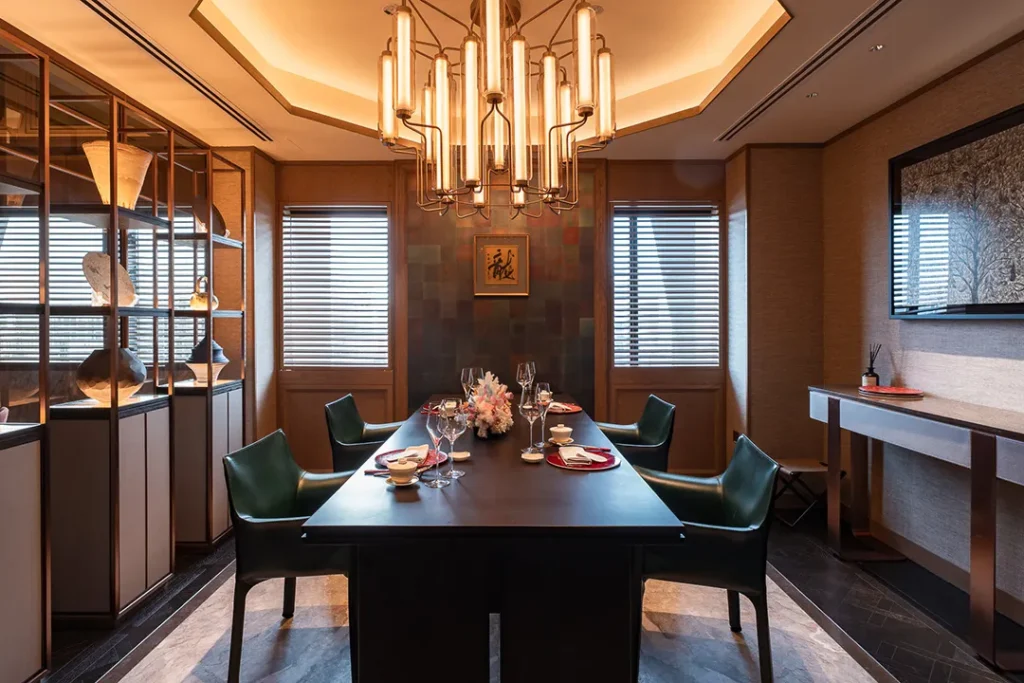
Look for intimate lighting, quiet service, and a room size that does not feel empty. Small private dining room ideas work especially well here.
4. Family gatherings
Pick flexible seating and a menu that works for different ages and preferences. Good service matters more than over-styling.
5. Client entertainment
The goal here is comfort, credibility, and ease. A premium private dining room helps the host look organized and thoughtful.
Mini summary: The best idea is not always the most expensive one. The best idea is the one that matches the event’s purpose, guest count, and mood.
Private Dining Room Cost: What to Expect
Snippet-ready answer:
Private dining room cost usually depends on minimum spend, room hire, menu style, guest count, and the day or time of the event.
Most restaurants do not price private dining the same way they price normal tables. A current booking guide explains that many venues use a food and beverage minimum instead of a flat room fee, and the amount changes based on restaurant level, room size, season, and day of the week. It also notes that tax, service charges, AV, floral items, and overtime can add to the final bill.
Common pricing models
- Minimum spend
- Per-head pricing
- Room hire fee + food and drink
- Package pricing
- Buyout pricing
| Pricing Model | How It Works | Best For | Watch Out For |
| Minimum spend | You agree to spend a set amount on food and drinks | Most private events | Extra charges may apply |
| Per-head pricing | Cost is based on each guest | Simple planning | Can rise fast with larger groups |
| Room hire fee | Separate charge for the room | Premium venues | Food budget may still be high |
| Package pricing | Fixed event package | Easier budgeting | Less menu flexibility |
| Buyout pricing | The entire venue is reserved | Large events | Highest total cost |
What affects cost the most
- location
- restaurant reputation
- guest count
- menu style
- drink package
- day of week
- event length
- private room exclusivity
Budget-friendly tip
A smaller room with a Smart menu often gives better value than a large room with unnecessary extras.
How to Choose the Best Private Dining Room
Here is a simple step-by-step process that works for most users.
- Define the event purpose.
Is this for business, celebration, romance, or family? - Set the guest count early
Room size matters more than people think. - Choose the privacy level
Fully private or semi-private? - Check the menu options.
Ask about set menus, dietary needs, and drink packages. - Confirm AV and technical needs.
Especially important for meetings and presentations. - Review the cost structure.
Ask about minimum spend, service charge, and hidden fees. - Inspect ambiance and seating
Lighting, noise, and layout shape the whole experience. - Ask me about the setup
Decorations, signage, and arrival timing need planning.
ChooseMy.Food’s guide emphasizes checking room type, AV setup, decoration policy, minimum spend, and booking timeline early, which is exactly the kind of detail people often miss until it is too late.
Quick take: A great room is not just beautiful. It is practical, comfortable, and easy to run.
Private Dining Room Layouts That Work Best
The right layout can turn a decent room into a memorable one.
1. Boardroom style
Best for meetings, presentations, and business dinners.
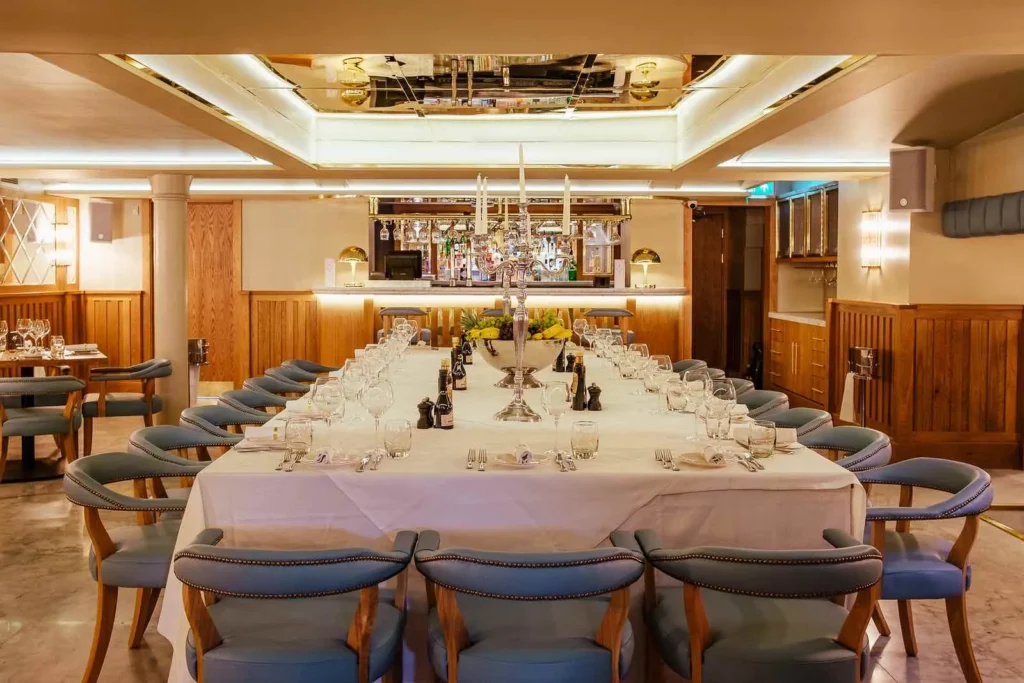
2. Long banquet table
Best for birthdays, anniversaries, and family-style dining.
3. U-shape layout
Best for speeches, workshops, and interactive events.
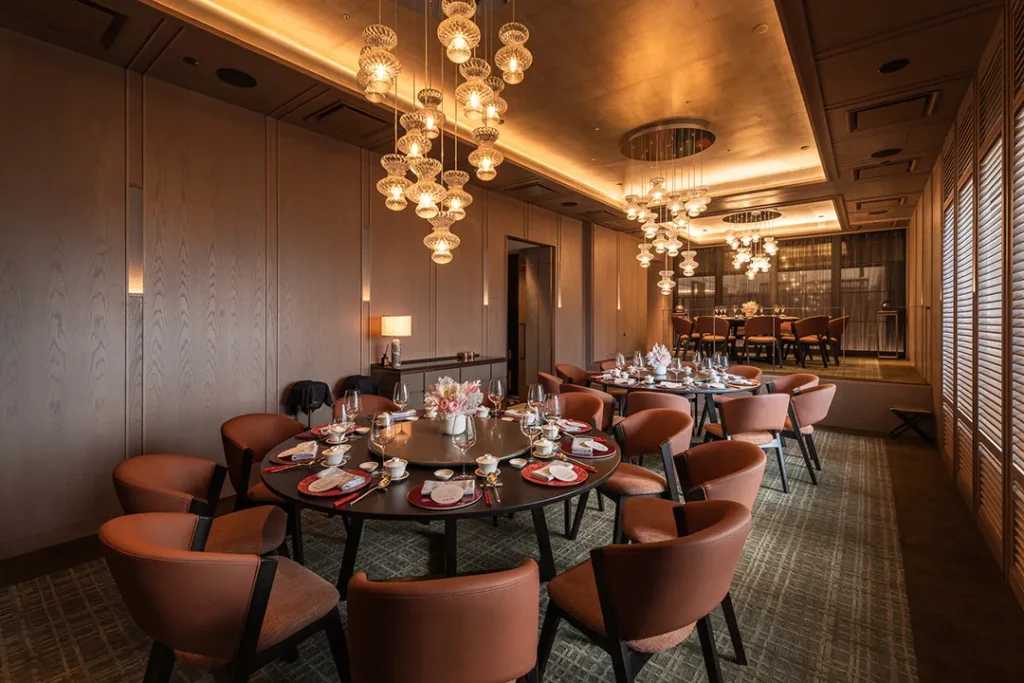
4. Round-table layout
Best for conversation-heavy gatherings.
5. Mixed lounge + dining layout
Best for Modern Luxury events where guests move between spaces.
Layout tiLeaveave enough space for chairs and servers
- avoid overcrowding the table
- keep sightlines open
- Make sure the host can speak easily
- allow smooth movement for staff
Pros and cons of private dining room layouts
| Layout | Pros | Cons |
| Boardroom | Professional, efficient, focused | Less social |
| Banquet | Elegant, celebratory | Can feel long or narrow |
| U-shape | Great for interaction | Needs more room |
| Round tables | Easy conversation | Less formal |
| Lounge mix | Stylish and flexible | Harder to organize |
Best Private Dining Room Ideas by Style
| Style | Look and Feel | Best For |
| Luxury classic | Candles, linens, and polished service | Fine dining, VIP events |
| Modern minimal | Clean lines, neutral tones, simple decor | Corporate and upscale casual |
| Warm rustic | Wood, soft lighting, earthy textures | Family gatherings, intimate dinners |
| Contemporary chic | Bold accents, sleek furniture, statement lighting | Birthday parties, social events |
| Elegant romantic | Low light, flowers, intimate seating | Anniversaries, proposals |
What makes a room feel premium
- good lighting
- comfortable chairs
- quiet acoustics
- strong service timing
- coordinated table styling
- well-planned menu flow
Private Dining Room vs Regular Restaurant Booking
| Feature | Private Dining Room | Regular Restaurant Booking |
| Privacy | High | Low |
| Menu | Often fixed or curated | Usually à la carte |
| Service | More personalized | Standard service |
| Noise | Controlled | Shared environment |
| Cost | Higher | Lower |
| Best use | Events, meetings, celebrations | Casual meals |
Which one should you choose?
- Choose private dining when the moment matters.
- Choose regular booking when convenience matters more than exclusivity.
Mini summary: Private dining is not always about luxury. Often, it is about control, comfort, and a better guest experience.
Budget-Friendly Private Dining Room Options
Not every great event needs a luxury budget.
Smart low-cost choices
- Choose lunch instead of dinner
- book on weekdays
- Keep the menu simple
- Reduce drink complexity
- Use existing room decor
- avoid unnecessary custom styling
- Keep the guest list tight
Budget-friendly strategy
The easiest way to save money is to pick a room that already looks good. Then focus your budget on food, service, and one or two thoughtful details.
Best budget priorities
- privacy
- seating comfort
- food quality
- service speed
- simple decor
Premium Private Dining Room Ideas
When the goal is impact, go premium with intention.
Premium features people notice
- custom menu
- wine pairing
- signature cocktail
- elegant floral setup
- private entrance
- dedicated host
- AV for speeches
- polished lighting
- acoustics that feel calm
- made-for-the-event table styling
Luxury does not mean excess
The best luxury rooms feel effortless. Guests should not feel overwhelmed. They should feel looked after.
Expert tip: A premium private dining room works best when it feels calm, not crowded.
Smart and Modern Future Trends
Private dining is changing. The strongest rooms in 2026 are designed for flexibility.
Current trend directions
- more multi-use event rooms
- better AV integration
- stronger acoustic design
- flexible seating plans
- semi-private spaces with premium styling
- digital booking and inquiry flows
- better restaurant storytelling online
A hospitality design article notes that a private dining room with only one function is harder to justify in today’s high-cost restaurant environment, which is why flexible, revenue-generating room design matters more than ever.
What this means for restaurants
Rooms should be able to work for:
- private dinners
- staff meetings
- client events
- interviews
- training
- brand activations
What this means for guests
You get more choice, faster booking, and better event fit.
Common Mistakes to Avoid
1. Booking too late
Good rooms go fast.
2. Ignoring minimum spend
This is one of the biggest budget surprises.
3. Forgetting AV needs
Business events often need screens, sound, or Wi-Fi.
4. Choosing the wrong room size
Too small feels cramped. Too large feels empty.
5. Overdecorating
The room should still feel elegant and usable.
6. Not checking the menu early
Dietary needs should never be an afterthought.
7. Skipping the final walkthrough
A quick check can prevent many problems.
Common mistake snapshot
The most expensive mistake is usually not food. It is poor planning.
Expert Tips Most People Ignore
1. Ask for the room’s best seating layout
The room may look different depending on the arrangement.
2. Check the sound before you book
A beautiful room is not helpful if people cannot hear each other.
3. Request a written quote
This prevents surprise costs later.
4. Confirm who manages the event
A single point of contact improves coordination.
5. Plan the menu around the event goal
A business dinner and a birthday party should not feel the same.
6. Use the room’s natural style
Do not fight the venue’s identity.
7. Make the first five minutes easy
Smooth arrival sets the tone for the whole event.
Quick take: The best private dining room experience is usually built in the details people do not see at first glance.
Maintenance and Long-Term Value
For restaurants, a private dining room should be treated like a business asset, not a storage space.
OpenTable’s guidance highlights that private dining can increase revenue, create repeat visits, and improve reputation when the space is marketed and managed properly. That means the room needs regular attention, staff training, and smart promotion.
Long-term value drivers
- consistent room upkeep
- flexible furniture
- clean design
- strong booking flow
- trained staff
- clear package options
- regular photography updates
- event-friendly menu planning
Maintenance checklist
- Keep lighting in good condition
- clean fabrics and upholstery regularly
- check AV systems
- update menus and pricing
- review privacy and noise issues
- refresh photos on the website
- track booking performance
Why this matters
A private dining room that is easy to book and pleasant to use becomes a reliable source of higher-value reservations.
FAQs
1. What is the purpose of a private dining room?
It gives a group privacy, better service, and a more controlled dining experience than regular seating.
It depends on minimum spend, room size, menu style, guest count, and time of booking. Many restaurants use spending minimums rather than flat room fees.
Private dining is fully enclosed or reserved for one group. Semi-private dining offers some separation, but not full privacy.
Yes. It works well for board dinners, client meetings, presentations, and team gatherings because it offers privacy and structure.
Ask about minimum spend, guest capacity, menu options, AV setup, decoration rules, cancellation terms, and service charges.
Conclusion
A private dining room is one of the most valuable spaces a restaurant can offer because it serves both emotional and practical needs. Guests want privacy, comfort, and a Memorable Setting. Restaurants want stronger bookings, better revenue, and more repeat business. The strongest private dining rooms succeed because they combine the right layout, the right menu, the right cost structure, and the right service flow.
For theroomsart.com, this topic can rank well when the page goes beyond a basic definition and truly answers search intent. That means clear cost guidance, style ideas, booking steps, comparison tables, and practical tips people can use immediately.
