
Introduction
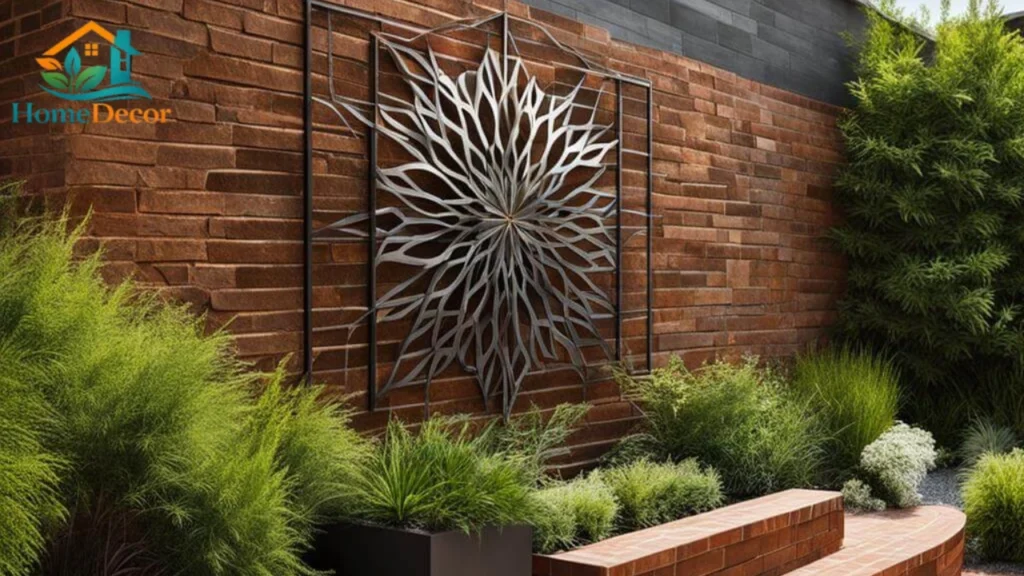
Metal Wall Art Decor is one of the easiest ways to turn a plain wall into a true focal point. It adds depth, texture, shape, and a premium feel that flat prints often cannot match. In 2026, that matters more than ever because home design is moving toward lived-in, tactile, and personality-driven spaces rather than empty, sterile rooms. Current interior trend coverage also points to warmer silver finishes, layered materials, nature-inspired forms, and sculptural wall details as strong design directions for 2026.
If you are choosing wall decor for a living room, hallway, bedroom, patio, or entryway, metal art can solve a common problem: the wall feels unfinished, but you do not want clutter. The right piece can make the room feel intentional, stylish, and complete. This guide covers what metal wall art decor is, why it works, which materials and styles are best, how to size and place it, what to avoid, and how to buy smarter. It is designed to help both shoppers and SEO readers get a complete answer in one place. Google says helpful, people-first content should be written for users, with key phrases placed clearly in the title and main heading, and that good snippets come from descriptive, page-specific content.
Snippet-ready answer:
Metal wall art decor is decorative wall art made from metal, often designed to add texture, dimension, and a premium look to indoor or outdoor walls.
What Is Metal Wall Art Decor?
Metal wall art decor is any wall-mounted decorative piece made from metal such as steel, aluminum, iron, brass, copper, or mixed-metal combinations. It can be laser-cut, welded, brushed, forged, layered, or shaped into abstract forms, nature scenes, typography, geometric patterns, or sculptural silhouettes. Some pieces are minimalist and slim, while others are bold and deeply dimensional. Carré d’Artistes describes metal wall decor as art made entirely of metal and notes that common materials include iron, brass, copper, lead, and bronze.
What makes metal wall decor different from canvas or framed prints is the physical presence. It catches light, creates shadows, and adds structure to the wall. That is why it often feels more architectural than purely decorative. Many current guides also highlight durability, versatility, and strong visual impact as key reasons metal art remains popular.
Mini summary
Metal wall art decor is not just “wall decoration.” It is a design element that can function like a sculpture, especially when light, scale, and finish are chosen well.
Why Metal Wall Art Matters in 2026
Home design in 2026 is shifting toward warmth, texture, and character. Vogue’s 2026 interior trend coverage points to lived-in interiors, while Homes & Gardens highlights silver as a softer, heritage-inspired finish that works well in layered spaces. Good Housekeeping’s 2026 trend coverage also points to vintage metals, warm woods, and more personality-rich decor choices. That all supports a clear trend: people want decor that feels more dimensional, not flatter or more generic.
Metal wall art fits that shift because it can be:
- bold without looking messy,
- elegant without feeling fragile,
- modern without being cold,
- and durable enough to last for years.
Another reason it matters now is adaptability. The same category can serve a minimalist apartment, a rustic home, a modern villa, an office, or an outdoor patio. That makes it easier to recommend in a commercial article because the search intent is both informational and purchase-driven. Google’s own Search Essentials emphasizes matching user language, helpful content, and clear titles and headings.
Mini summary
In 2026, metal wall art is relevant because interiors are moving toward texture, warmth, and sculptural details. That gives metal decor a strong design role, not just a decorative one.
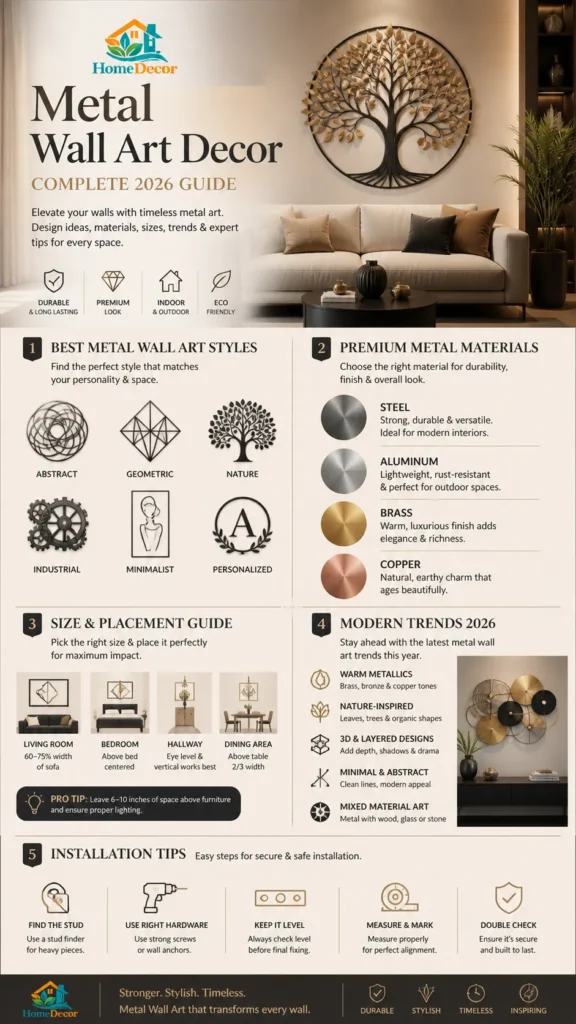
Best Types and Styles of Metal Wall Art Decor
There is no single “best” metal wall art style. The best choice depends on the room, the mood, the wall size, and the rest of the decor. Current competitor pages lean heavily into style lists such as abstract, geometric, rustic, nature-inspired, and outdoor collections, which shows that style is a major intent driver. The opportunity is to go deeper and explain when each style works best.
1. Abstract metal wall art
Best for modern, contemporary, and artistic interiors.
It creates movement, visual tension, and a gallery-like look.
2. Geometric metal wall art
Best for minimalist, Scandinavian, or architectural spaces.
Clean lines and balanced shapes make a room feel ordered.
3. Nature-inspired metal wall art
Best for warm, calming, and organic spaces.
Leaves, trees, birds, waves, and botanical silhouettes soften harder interiors.
4. Industrial metal wall art
Best for lofts, urban homes, and masculine spaces.
Raw finishes, darker tones, and stronger structures work well here.
5. Typography and personalized metal signs
Best for entryways, kitchens, family rooms, and gifting.
Names, quotes, initials, and custom messages add emotional value.
6. 3D layered metal wall art
Best for statement walls that need depth and shadow.
This is one of the easiest ways to make a wall feel premium and sculptural.
Pros and cons of metal wall art
| Pros | Cons |
| Durable and long-lasting | Some pieces can be heavy |
| Adds depth and shadow | Poor mounting can damage walls |
| Works in many styles | Cheap finishes may scratch or fade |
| Suitable for indoor and outdoor use | Some metals need rust protection |
| Feels premium and sculptural | Large pieces can feel overpowering if oversized |
Mini summary
The best style is the one that fits the room’s purpose. Abstract for drama, geometric for clean structure, nature-inspired for softness, and personalized pieces for emotional impact.
Metal Wall Art Materials Explained
Material choice affects weight, durability, finish, Maintenance, and where the piece should be used. That is one of the biggest gaps in many competitor articles. Carré d’Artistes names common metal decor materials such as iron, brass, copper, lead, and bronze. Current material science sources also show that stainless steel resists corrosion through a chromium-rich passive oxide film, while aluminum naturally forms a protective oxide coating that helps it resist corrosion and, unlike steel, does not rust in the same way.
Material comparison table
| Material | Best For | Strengths | Watch Out For |
| Steel | Modern indoor pieces, strong sculptural art | Strong, versatile, widely used | Needs coating for outdoor use; can corrode if poorly protected |
| Stainless steel | Humid areas, outdoor pieces, premium finishes | High corrosion resistance due to chromium-rich passive film | Often costs more than basic steel |
| Aluminum | Lightweight wall art, outdoor decor | Naturally resistant to corrosion, lighter to hang | Can stain under certain conditions; finish quality matters |
| Iron | Rustic, industrial, heavyweight art | Solid, dramatic, traditional look | Heavier, more rust-prone without protection |
| Brass / Copper | Luxury, warm finishes, accent pieces | Rich color, elegant feel, strong design presence | Can patina over time |
For outdoor use, aluminum, stainless steel, or weather-treated coated steel are the safest practical choices. The Rooms Art specifically recommends weather-treated, powder-coated, rust-resistant, or aluminum options for patios, gardens, and exterior walls. Aluminum industry guidance also notes that aluminum forms a tough, transparent protective oxide coating and does not rust like steel.
Mini summary
Material decides durability. If you need the easiest all-around option, aluminum is light and corrosion-resistant. If you want a premium outdoor-safe choice, stainless steel or powder-coated steel is stronger.
Top Metal Wall Art Ideas That Work in Real Homes
Competitor pages often show a catalog of styles but do not always explain how to use them in actual rooms. The best article should connect the idea to the result. That is where conversions improve.
1. Oversized statement piece above the sofa
This is the easiest way to anchor a living room. It works especially well when the wall feels empty, and the furniture is visually heavy.
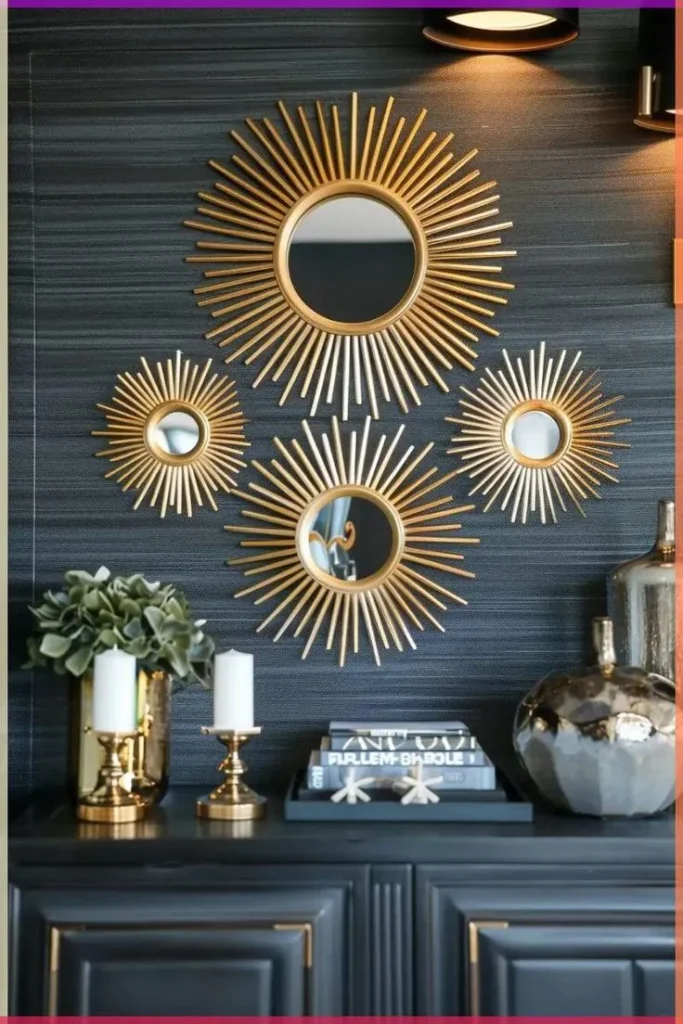
2. Circular metal wall sculpture for a soft modern look
Round forms work beautifully in spaces with lots of straight lines, because they break the visual stiffness.
3. Tree or botanical silhouette for warmth
Nature-inspired art is one of the strongest 2026 directions because it blends well with warm wood, linen, stone, and muted interiors.
4. Geometric line art in a hallway
A slim hallway benefits from a simple structure rather than visual clutter.
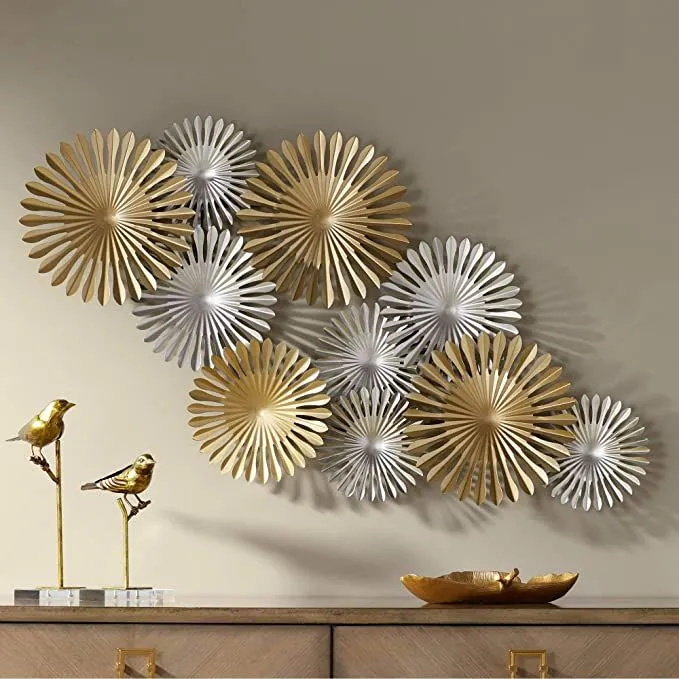
5. Multi-panel metal wall art
This works well on wide walls because it spreads visual weight across the space.
6. Outdoor metal art for patios and terraces
Use rust-resistant or powder-coated finishes so the art keeps its look over time.
7. Personalized metal name signs
These are ideal for gifting, entryways, family rooms, and brand-focused spaces.
8. Mixed-material metal and wood wall art
This is especially strong in 2026 because interiors are leaning warm, tactile, and layered.
Mini summary
The best metal wall art ideas are not just beautiful. They also solve a room problem: too much blank space, too much stiffness, or too little personality.
How to Choose the Right Metal Wall Art
This is the part most buyers need most, and it is where many competitor articles stay too vague. Sarmal Design says the right size, finish, and placement are what make metal wall art actually improve a room, especially in living rooms and entryways. That is exactly the framework to follow.
Step-by-step buying guide
- Start with the room’s purpose.
A living room needs a focal point. A hallway needs a visual lift. A bedroom needs calm. An outdoor space needs durability. - Choose the mood first.
Do you want bold, calm, warm, Elegant, rustic, or modern? That should decide the shape. - Match the finish to the room.
Matte black feels sharper and more modern. Silver feels softer and more layered. Brass and copper feel warmer and richer. Homes & Gardens notes that silver works especially well in classic and transitional spaces when layered with wood, stone, and softer textures. - Check the material.
Use outdoor-safe materials outside and lighter materials where wall load matters. - Measure before buying.
Size mistakes are one of the most common reasons wall art looks cheap or awkward. - Think about light.
Metal art changes with shadows and reflections. Rusty Rooster highlights how light can dramatically change the look and depth of metal wall decor.
Size guide table
| Wall / Furniture Situation | Recommended Art Approach |
| Above a sofa | Large piece or wide multi-panel art |
| Above a console | Medium or horizontal metal art |
| Narrow hallway | Vertical piece or stacked layout |
| Bedroom above the bed | Balanced, calm, centered design |
| Empty large wall | Oversized statement art |
| Outdoor patio wall | Weather-treated, scale-matched art |
Practical size rule
As a simple rule, wall art should feel proportionate to the furniture below it. Too small looks lost; too large can overpower the room. The exact number can vary by layout, but balance matters more than obsession with a single formula.
Mini summary
Choose by room first, style second, finish third, and size last. That sequence usually produces the best result.
Room-by-Room Placement Ideas
A strong article should help the reader picture the piece in their own home. The Walls Art notes general placement rules such as hanging at eye level, leaving breathing room around furniture, letting oversized art dominate rather than compete, and avoiding glare from windows or light sources. Those are solid starting points for room-by-room placement.
Living room
Use a large statement piece above the sofa or media console. Choose a design that complements the room’s main tones rather than fighting them. Dark metal can create contrast in bright rooms, while silver or brass can soften a room that feels too hard.
Bedroom
Go for calm symmetry. Organic shapes, soft curves, or nature-inspired forms work very well here. Avoid aggressive shapes that create visual tension.
Hallway or entryway
Vertical artworks work well because it draws the eye upward and make the space feel taller. This is a smart place for personalized metal wall decor, too.
Kitchen or dining area
Use smaller, themed pieces, especially if there is already a lot happening visually. Metal signs, food-related art, or subtle line work can fit well.
Outdoor walls, patios, and gardens
Use weather-treated, powder-coated, rust-resistant, or aluminum options. This is not the place to gamble on untreated finishes.
Office or workspace
Choose clean, focused designs. Abstract or geometric metal art can make the space feel polished without distraction.
Mini summary
Placement is not just about where a piece fits. It is about what the room needs: height, calm, contrast, warmth, or a focal point.
Installation Tips Most People Ignore
Installation is a major trust point. Many buyers love a design but worry about hanging it safely. That is a real purchase barrier, so your article should solve it.
Expert installation tips
- Use wall anchors or studs for heavier pieces.
- Test height with painter’s tape before drilling.
- Keep artwork centered with surrounding furniture.
- Leave enough space above a sofa, bed, or console, so the piece can breathe.
- For outdoor walls, use weather-safe hardware and rust-resistant mounting parts.
- Check the wall type first: drywall, brick, concrete, or wood all need different hardware.
The Walls Art emphasizes practical placement logic, such as eye-level hanging and avoiding glare, while Rusty Rooster notes that lighting changes how metal looks because reflections and shadows add depth.
Numbered hanging checklist
- Measure the wall and the furniture below it.
- Mark the center line.
- Hold the art in place with tape or a template.
- Check sightline and glare.
- Install the correct hardware.
- Step back and confirm the balance before finishing.
Mini summary
Good installation turns a nice object into a polished design feature. Bad installation makes even expensive wall art feel unfinished.
Budget-Friendly vs Premium Metal Wall Art
A high-ranking article should help readers buy at different price levels.
Budget-friendly options
These are best for renters, first homes, and quick room upgrades.
- Lightweight aluminum designs
- Simple laser-cut silhouettes
- Smaller statement pieces
- Matte black or single-finish art
- Minimal custom text pieces
Premium/luxury options
These are best when the wall needs to feel architectural.
- Large layered sculptures
- Mixed-metal finishes
- Brass or copper accents
- Custom-made or Handcrafted Pieces
- Oversized art for grand walls
Comparison table
| Category | Best For | Benefits | Trade-Off |
| Budget | Quick styling, rentals, small rooms | Affordable, easy to hang | Usually less dramatic |
| Mid-range | Most homes | Good balance of design and durability | Quality varies by finish |
| Premium | Luxury interiors, feature walls | Strong presence, refined materials | Higher cost and heavier weight |
Mini summary
Budget art is about improving a room fast. Premium art is about making the wall feel intentional, sculptural, and lasting.
Modern Metal Wall Art Trends for 2026
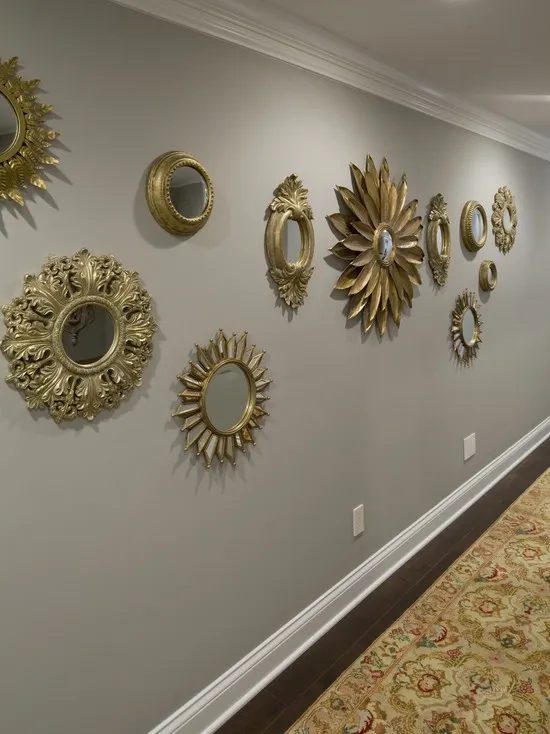
Trend sections are important because buyers search for freshness, not just definitions. The best current signals point toward warmer metallics, tactile surfaces, nature-inspired motifs, and softer modernism. Vogue points to lived-in interiors and tactile metalwork; Homes & Gardens spotlights silver as softer and more heritage-inspired; Good Housekeeping notes vintage metals, warm woods, and richer texture; and multiple trend pages highlight botanical, organic, and abstract metal forms.
2026 trends to watch
- Warm minimalism
Clean lines, but softer and less sterile. - Silver and brushed finishes
Cooler metals are back, especially when layered with wood and stone. - Nature-inspired forms
Leaves, trees, forests, and organic curves continue to gain traction. - Tactile, sculptural wall pieces
Not flat decor, but art with actual depth. - Outdoor-ready wall art
Weather-treated and rust-resistant pieces are practical and stylish.
Mini summary
The 2026 look is less cold and less generic. It is warmer, more tactile, more organic, and more personality-led.
Common Mistakes to Avoid
This section helps dwell time because readers stay longer when they feel the article is protecting them from a bad purchase.
Avoid these mistakes
- Buying art that is too small for the wall
- Hanging heavy pieces with weak hardware
- Matching every room with the same finish
- Ignoring glare and lighting
- Using outdoor art indoors without considering the style
- Choosing untreated metal for humid or exterior areas
- Picking a trendy design that clashes with the room’s core style
Why these mistakes matter
The wrong size makes the room feel visually empty or crowded. The wrong material can rust, stain, or age badly. Google’s guidance on helpful content is clear: answer the real question, not just the keyword.
Mini summary
Most bad results come from skipping the basics: size, placement, finish, and wall type. Get those right, and the design usually works.
Expert Tips Most People Ignore
These are the little things that can make a big difference.
- Think in shadows, not just shape.
Metal art looks better when it has room to cast depth. - Use contrast wisely.
Black metal on a light wall feels crisp. Warm metal on a neutral wall feels richer. - Layer with nearby textures.
Wood, stone, linen, and metal work especially well together in the current design direction. - Let the wall breathe.
A great piece needs space around it. - Choose a finish based on the light.
Bright rooms can handle more shine. Dim rooms often look better with matte or brushed finishes. Rusty Rooster’s lighting discussion supports this.
Mini summary
The hidden power of metal wall art is not just the object. It is the interaction between the object, light, wall color, and room texture.
Maintenance and Long-Term Care
Metal wall art is popular partly because it can last a long time with relatively little care. Aluminum industry guidance says aluminum naturally forms a protective oxide coating, and stainless steel gets corrosion resistance from a chromium-rich passive film. That explains why these materials are strong choices when care and durability matter.
Care tips
- Dust regularly with a soft microfiber cloth.
- Avoid harsh chemical cleaners.
- Check outdoor pieces for wear after rain or seasonal weather changes.
- Reapply protective coatings when needed.
- Keep wall art dry during deep cleaning of the surrounding area.
Long-term value
A good metal piece is not just decor for today. It can become a long-term part of your room identity. That is especially true for custom, handcrafted, or large sculptural pieces that you would not want to replace often. Current guides repeatedly emphasize durability and aesthetic longevity as core strengths of metal wall art.
Mini summary
The best metal wall art should be easy to enjoy and easy to maintain. That is one reason the category converts well.
FAQs
For indoor use, steel, iron, brass, and mixed metals all work well, depending on the style. For outdoor use, aluminum, stainless steel, or weather-treated coated steel are safer choices.
Yes. It works especially well as a statement piece above a sofa, console, or feature wall because it adds depth and structure without making the room feel cluttered.
Start with the wall and furniture below it. The art should feel balanced, not tiny or overpowering. For most rooms, proportion matters more than any single formula.
Yes, but only if it is weather-treated, powder-coated, rust-resistant, or made from suitable outdoor materials such as aluminum or stainless steel.
Warm minimalism, silver finishes, nature-inspired shapes, and tactile sculptural wall art are all strong 2026 directions.
Conclusion
Metal wall art decor remains Powerful because it solves both style and function. It fills blank walls, creates visual depth, and gives a room a more finished look. In 2026, the strongest choices are not just decorative; they are textured, intentional, and designed to work with the room’s size, light, and mood. That is why the best piece is not always the flashiest one. It is the one that fits the space, the finish, and the way people actually live in the room.
