
Introduction
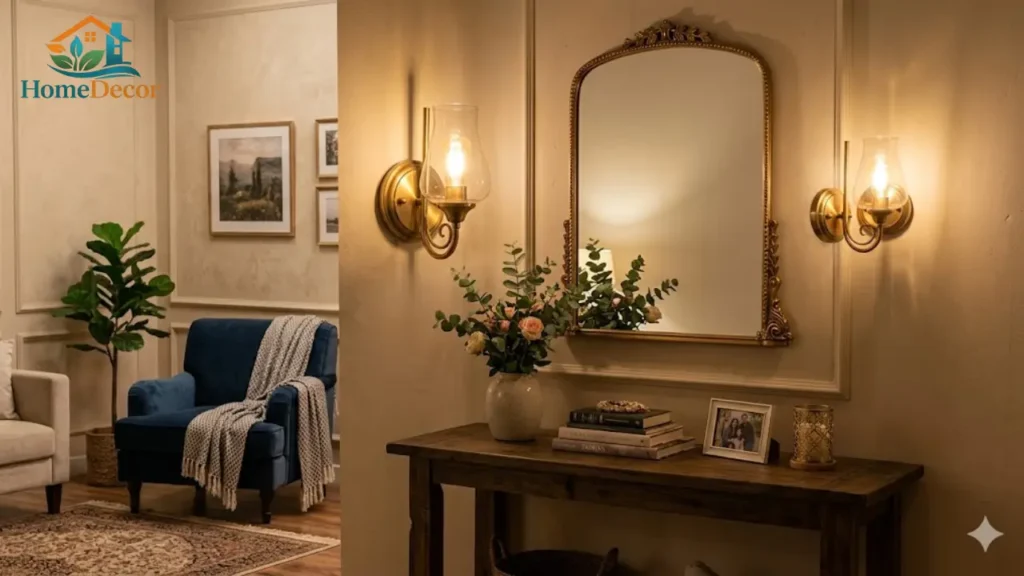
Living Room Wall Sconces are one of the smartest ways to improve a space without adding clutter. They bring light, style, depth, and balance into a room while freeing up floor and table space. From tiny flats to sprawling mansions, wall sconces add a quiet kind of elegance to any living space. Lighting shifts the mood without needing much effort. Inside small studios or wide-open homes, these fixtures bring focus where it’s needed most. A single mounted light might be all it takes to change how a room behaves. Even minimal decor benefits when shadows fall just right. Bigger rooms gain pockets of warmth through careful placement. Style follows function in ways that feel natural, never forced.
Come 2026, homes lean into lighting that feels considered rather than cluttered. Warmth matters more now – so do layers, ease of use, quiet visuals. Wall sconces in the living space answer that need without effort. Harsh overhead glare? A sconce diffuses it gently. Dark spots gather dust until a well-placed fixture cuts through. Art hangs better when flanked by a subtle glow on both sides. Fireplaces gain depth when lit from beside, not just within. Evenings settle more easily under balanced pools of light along the walls. A single light on the wall can shape how a space feels. One good fixture sets the tone, not just the brightness.
What Are Living Room Wall Sconces?
Mounted lights stay fixed to walls rather than rest on surfaces. Long ago, these holders carried flames like candles or burning sticks. Now most run on electricity – offering both function and visual interest. A flicker from centuries past finds new form in modern shapes.
Light in a living room works better when it comes from more than one place. Instead of just one bright spot overhead, having extra sources spreads brightness evenly. Table lamps do their job, yet claim shelf or floor spots people might need. Wall sconces lift illumination off surfaces while staying out of the way. They pull light upward where it flows more easily through the space. With them, walls gain shape and depth after dark. The room feels open, not cluttered by objects, trying to fix the poor lighting.
Wall sconces in the living room bring symmetry without trying too hard. A pair might sit beside a couch, shaping the space like bookends. Sometimes they mark where someone reads, giving that corner its own quiet purpose. When placed near a fireplace, they draw attention without shouting. Even bare walls gain intent with just one mounted light nearby. These fixtures aren’t loud but still manage to shape how we see the room. Over time, their subtle role has made them common in homes aiming for calm order.
Living room wall sconces make a difference.
Most mornings, a living space asks for clear illumination – helpful during chores or coffee time. When evening comes, a gentle glow tends to fit better, especially if relaxing matters more than visibility. Light that hums too loudly can feel jarring after dark. This shift in need explains why stacking light sources quietly rose as a go-to approach. Instead of one fixture ruling all hours, variety carries the mood forward.
Wall sconces in a living room play a quiet role, yet shape how light settles across surfaces. One way they work is by softening dark corners through gentle illumination. Warmth creeps into the air when their glow bounces off plaster and wood alike. Structure seems more defined, almost like lines drawn in pencil under dim suns. Floor space stays clear since these lights cling to walls like ivy on stone. In open areas where rooms blend – kitchen fading into lounge – they carve pockets of calm without building walls. Connection remains, even while function shifts from one zone to another.
A single glow on the wall can change how you use a room. When placed right, it turns dull spots into cozy reading nooks. Light spills gently where ceiling fixtures leave shadows behind. Some highlight artwork without glare; others frame doorways like quiet accents. Even after dark, they keep spaces open instead of closing them off. Function blends with form when shape meets purpose quietly.
Living Room Wall Sconces by Function
A good way to choose living room wall sconces is to think about what they need to do. Style is important, but purpose should come first.
| Function | What It Does | Best Placement | Best For |
| Ambient lighting | Creates a soft, overall glow | Side walls, seating areas, blank walls | Everyday comfort |
| Task lighting | Gives focused light for reading or hobbies | Beside a chair or sofa | Reading corners |
| Accent lighting | Highlights artwork, texture, or architecture | Fireplaces, mirrors, gallery walls | Decorative focal points |
Ambient Wall Sconces
Ambient sconces create a gentle, even glow that makes a living room feel calmer. They are ideal for evenings when you want the room to feel soft and restful. These fixtures are especially helpful in rooms that feel too dark or too empty.
Task Wall Sconces
Task sconces are designed to help with specific activities such as reading, drawing, knitting, or other close-up work. Swing-arm sconces are a strong example because they can move closer to the user and then fold back when not needed.
Accent Wall Sconces
Accent sconces direct attention to a focal point. They work beautifully around mirrors, fireplaces, shelves, and artwork. They help make the room feel curated and complete rather than randomly arranged.
Best Living Room Wall Sconce Styles
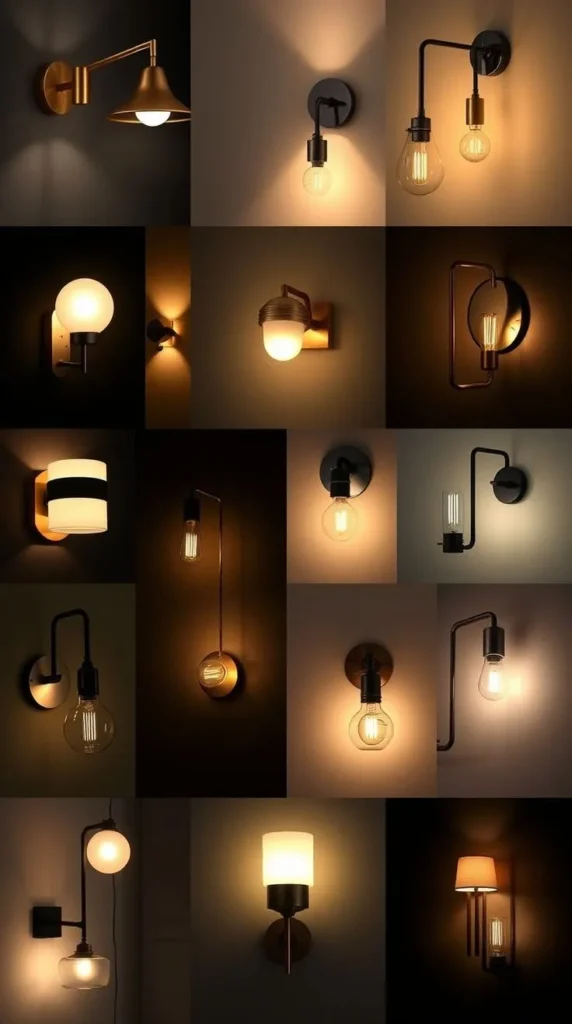
There are many types of living room wall sconce ideas, and the right one depends on the look you want and the function you need. The style should match the mood of the room, the furniture around it, and the amount of light required.
Modern Minimalist Sconces
Modern minimalist sconces usually have slim silhouettes, smooth surfaces, and clean lines. They often come in matte black, brushed nickel, white, or frosted glass. These work especially well in contemporary rooms, Scandinavian interiors, and spaces with a light, uncluttered feel.
This style is popular because it blends in without disappearing. It gives the room a refined structure while staying visually simple.
Swing-Arm Sconces
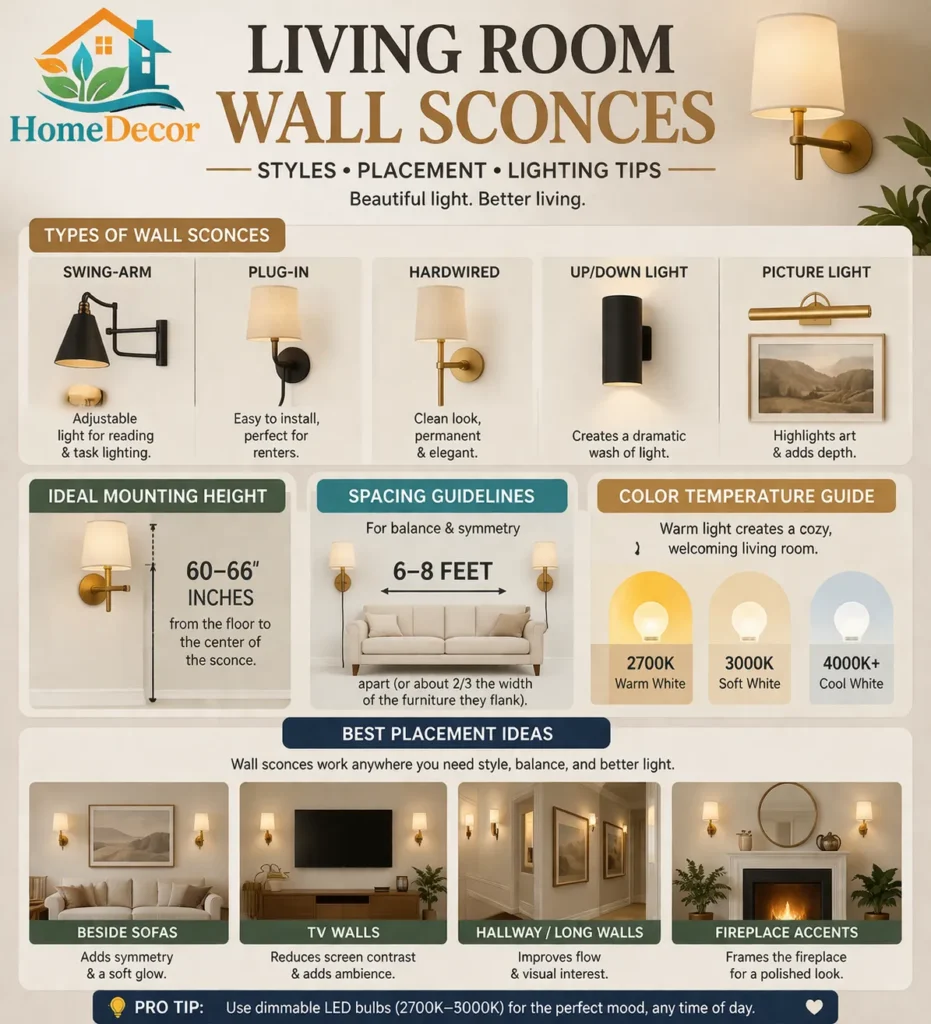
Swing-arm sconces are one of the most practical wall lamps for living room use. They are adjustable, which makes them excellent for reading corners or seating areas. They are useful when you want light close to the person using the space.
A swing-arm sconce can also be a stylish detail. It adds a slightly tailored, functional look that feels thoughtful and well planned.
Up-and-Down Sconces
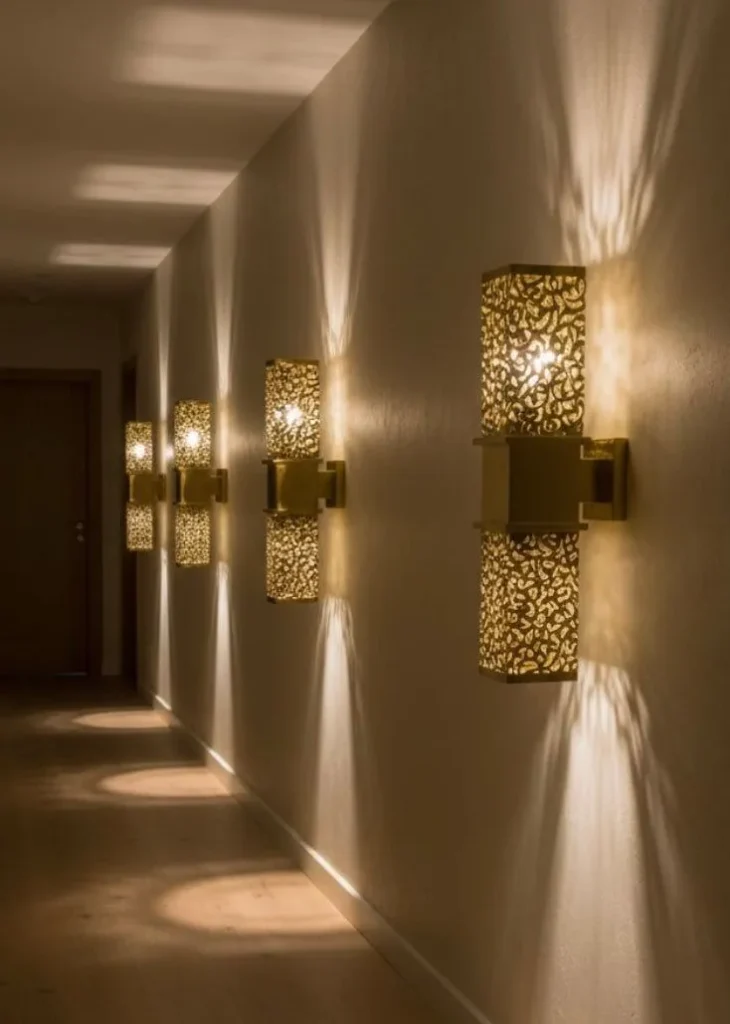
Up-and-down sconces throw light in both directions, creating a vertical glow on the wall. This makes them ideal for rooms where you want the wall itself to become part of the design. They can add drama to plain walls and help create a more architectural effect.
Plug-In Sconces
Plug-in sconces are a great option for renters or for anyone who does not want to hardwire fixtures into the wall. They still offer a polished, finished look, but installation is simpler and less permanent.
These are often the best choice for budget-friendly wall sconces because they reduce labor costs while still making the room feel upgraded.
Natural Material Sconces
Sconces made from alabaster, ceramic, stone, frosted glass, wood, or rattan are especially popular in 2026. These materials soften the light and add texture, which creates a calmer, warmer feeling in the room.
This style fits the wider trend toward more tactile, grounded, and human-feeling interiors. Instead of looking cold or overly glossy, the room feels layered and lived-in.
Vintage and Neo-Deco Sconces
Brass, antique-inspired details, sculptural curves, and decorative forms are all strong choices when you want the room to feel richer and more expressive. These pieces can give a living room a sense of character and elegance.
They work especially well in rooms that mix classic comfort with modern polish. The result is stylish without feeling overly trendy.
LED Wall Lights
LED wall lights are efficient, long-lasting, and often dimmable. Many modern designs use LED technology to create a clean glow while keeping energy use lower than traditional bulbs.
These are excellent choices for homeowners who want low-maintenance lighting that looks modern and performs well every day.
How to Choose the Right Wall Sconce
Selecting the right sconce becomes much easier when you follow a simple process.
Decide the Lighting Job
Start with the purpose. Ask what the sconce must do.
Looking for soft mood lighting in your living room?Need a focused light for reading?
Trying to highlight artwork or a fireplace?
Want to brighten a dark corner and make it usable? Once you know the job, the style and size become much easier to narrow down.
Check the Scale
The sconce should suit the wall and the furniture nearby. A large wall can support a more dramatic fixture. A smaller living room usually looks better with a slimmer design that does not feel heavy.
A common mistake is choosing a fixture that looks beautiful online but feels oversized in real life. Proportion matters as much as appearance.
Choose the Right Height
A general guideline for living room wall sconces is around eye level, often near 60 to 66 inches from the floor, depending on the room. Ceiling Height, sofa height, nearby artwork, and the purpose of the fixture all matter.
If the sconce is being used to highlight artwork, mirror placement, or focal-point balance can matter more than following one exact number.
Choose the Right Bulb Color
For most living rooms, warm light works best. A bulb in the 2700K to 3000K range creates a cozy, welcoming mood. This color temperature feels soft rather than harsh and helps the room feel more relaxed at night.
Cooler light can sometimes feel too clinical in a living room, especially if the goal is comfort.
Pick a Finish That Fits the Room
The finish should support the style of the room without overwhelming it.
Matte black feels crisp and modern.
Brass feels warm and elegant.
Glass feels open and airy.
Stone and alabaster feel soft and expensive.
A finish does not need to match every metal in the room perfectly. In fact, a little contrast can make the design feel more thoughtful.
Placement Guide: Where Living Room Wall Sconces Look Best
Placement is where many people make mistakes. A beautiful fixture can still look awkward if it is too high, too low, too close to another object, or placed without a clear purpose.
| Placement Area | Best Effect | Notes |
| Beside a sofa | Balanced and symmetrical | Great for matching pairs |
| Next to a reading chair | Task lighting | Swing-arm sconces work well |
| Flanking a fireplace | Strong focal point | Creates a polished, elegant look |
| Around artwork | Accent lighting | Keep spacing visually balanced |
| Near a mirror | Brightens the wall | Avoid direct glare |
| On a blank feature wall | Adds drama | Best with statement designs |
| Along a dark passage | Improves flow | Useful in open-plan homes |
Beside a Sofa
This is one of the best uses of living room wall sconces. A matching pair can frame the sofa and make the seating area feel complete. This arrangement also reduces the need for too many table lamps, which is especially useful in smaller rooms.
Next to a Reading Chair
This is the ideal place for task lighting. A swing-arm model works especially well because it can move closer when needed and then tuck back neatly afterward.
Around a Fireplace
A fireplace naturally draws the eye, which makes it a perfect focal point for wall sconces. Placing fixtures on either side can create a balanced, upscale look that feels elegant and intentional.
Around Artwork
Wall sconces can help artwork stand out without overpowering it. They add atmosphere and draw attention to the piece as part of the room’s overall design. This works especially well in gallery-style interiors or rooms with a carefully curated look.
Near a Mirror
A mirror can benefit from the added brightness of nearby sconces, but glare should be avoided. The goal is to enhance the wall and the room, not to create visual discomfort.
Near Dark Corners
Dark corners make a living room feel smaller than it really is. A well-placed sconce can help open up the room, improve visibility, and add a sense of depth.
Living Room Wall Sconces by Room Style
The best wall sconces for living room décor are the ones that work with the room’s overall style.
Modern Living Rooms
Choose clean shapes, matte finishes, and minimal decoration. Black metal, white glass, brushed steel, and slim linear forms all fit well.
Luxury Living Rooms
Choose sculptural fixtures, rich brass, alabaster, stone, or hand-finished glass. These materials make the space feel more layered and refined.
Small Living Rooms
Compact sconces are ideal because they save floor and table space. In a small room, it is better to choose visually light fixtures rather than bulky shapes.
Budget Living Rooms
Simple plug-in sconces, LED designs, and clean matte finishes are smart choices. A budget fixture can still look high-end if it has good proportions and the right placement.
Family-Friendly Living Rooms
Look for sturdy fixtures, diffused light, dimmers, and easy maintenance. These help create comfort while also making the room more practical for daily life.
Classic Living Rooms
Brass, frosted glass, candle-style details, and soft curves are strong choices for traditional rooms. They help create a timeless atmosphere without feeling outdated.
Living Room Wall Sconces Ideas That Work Beautifully
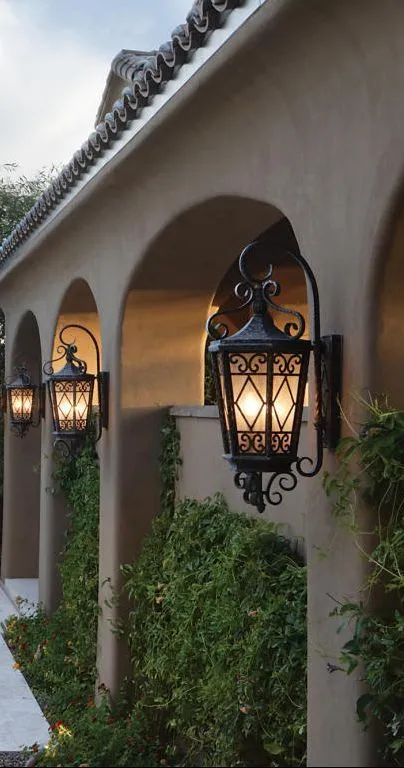
Below are practical living room wall sconce ideas you can use for styling, content planning, or product inspiration.
- Slim black metal sconces for modern rooms
- Brass candle-style sconces for elegant interiors
- Swing-arm sconces beside a reading chair
- Frosted glass sconces for soft ambient light
- Up-and-down sconces for textured walls
- Plug-in sconces for rental homes
- Oversized sculptural sconces for feature walls
- Alabaster sconces for a quiet luxury feel
- Ceramic sconces for artisanal warmth
- Rattan or woven sconces for relaxed interiors
- Matte white sconces for Scandinavian spaces
- Antique brass sconces for classic décor
- Double-headed sconces for symmetrical layouts
- Linear Wall Lights for minimalist rooms
- Arc-arm sconces for reading corners
- Wall sconces flanking artwork
- Wall sconces framing a fireplace
- Sconces beside a media wall to soften the TV zone
- Small accent sconces in a hallway-to-living-room transition
- Dimmable sconces for movie nights and entertaining
- Statement sconces on a blank wall
- Soft globe sconces for family-friendly warmth
Each of these ideas works because it solves a real problem. Some create balance. Some improve task lighting. That is what makes them effective in actual living rooms.
Color, Lighting, and Furniture Tips
A wall sconce should support the room, not compete with it.
Color
Warm white walls usually pair well with brass, cream, and stone-toned sconces. Cooler interiors can handle black metal, chrome, or sharper modern forms. A room with warm textures often benefits from a warm-toned fixture, while a cool, architectural space may look better with a cleaner finish.
Lighting
Dimmable lighting is one of the smartest choices for a living room. It gives you flexibility, allowing the space to be bright during the day and softer at night. This is especially useful when one room serves multiple purposes, such as relaxing, entertaining, reading, and watching television.
Furniture
Wall sconces should relate to the height and scale of nearby furniture. A fixture over a low sofa back needs enough visual weight to feel balanced. A sconce placed near a tall bookcase or fireplace may need to be more sculptural to hold its own.
Simple Rule
If the room has soft curves and warm textures, choose a softer-looking sconce.
If the room has straight lines and cool materials, choose a cleaner, more structured fixture.
That simple approach helps the lighting feel natural within the room.
Examples of Sconce Placement in Real Living Rooms
Small Apartment Living Room
A small living room often works best with two slim plug-in sconces beside the sofa. This saves space, keeps the room visually open, and gives the seating area a polished look. A warm bulb and dimmer make the room feel cozy at night.
Family Room With Fireplace
A pair of sconces on either side of the fireplace can make the room feel symmetrical and grounded. A warm brass finish adds softness, while matte black creates contrast and a more modern edge.
Reading Nook
A single swing-arm sconce beside a lounge chair is one of the most useful solutions for a reading corner. It provides direct light exactly where needed without requiring a bulky lamp.
Large Blank Wall
A large wall can feel empty if it is left bare. Two or three decorative sconces can turn that blank area into a purposeful design feature. Pairing them with art or a mirror makes the arrangement feel more finished.
TV Wall
Soft, indirect sconces can reduce the starkness of a screen-heavy wall. This helps the room feel calmer during movie nights and prevents the television from dominating the entire space.
Common Mistakes to Avoid
Even the best living room wall sconces can look wrong if they are installed carelessly.
- Hanging sconces too high or too low
- Choosing a fixture that is too large for the wall
- Using a cool bulb that feels harsh
- Installing too many sconces on one wall
- Mixing too many finishes without a clear design plan
- Ignoring glare near seating areas
- Forgetting to use dimmers
- Treating sconces as an afterthought instead of part of the lighting layout
Good design starts with function and then moves to style. That sequence helps prevent expensive mistakes and makes the room look more intentional.
Pros and Cons of Living Room Wall Sconces
Pros
- Save floor and table space
- Improve layered lighting
- Create a warmer atmosphere
- Frame artwork, seating, or fireplaces
- Works well in both small and large rooms
- Add decorative value and practical use at the same time
- Come in many styles, from minimal to luxury
Cons
- Need proper placement to look right
- Hardwired versions may need installation help
- Poor bulb choice can create glare
- Too many fixtures can make the wall feel crowded
- Low-quality designs can look unfinished if the proportions are off
The benefits are strong, but the details matter. A little planning goes a long way.
Budget-Friendly Wall Sconces vs Luxury Wall Sconces
Not every room needs a very expensive fixture to look good. Sometimes the best result comes from choosing the right shape, the right scale, and the right placement.
Budget-Friendly Wall Sconces
Budget-friendly wall sconces may include plug-in models, simple LED lights, matte metal finishes, and compact shapes. These are ideal for renters, first homes, or spaces where you want a quick upgrade without major installation costs.
A pair of simple sconces can look surprisingly elegant if the design is clean and the placement is balanced.
Luxury Wall Sconces
Luxury wall sconces often feature alabaster, stone, custom brass, sculptural glass, or handcrafted details. These pieces feel more decorative and more expressive. They are often used in rooms where the lighting is meant to be part of the statement.
Luxury designs work best when they feel quiet and refined rather than loud. The most expensive fixture is not always the best one. The best one is the fixture that makes the room feel complete.
Maintenance, Care, and Durability Tips
Wall sconces stay attractive longer when they are maintained properly.
Dust the fixture regularly with a soft cloth.
Clean Glass Shades gently to avoid marks.
Check screws and wall mounts from time to time.
Replace weak bulbs before the light looks uneven.
Use only the bulb type recommended by the manufacturer.
Keep switches and dimmers in good condition.
Inspect plug-in cords for wear if the sconce is not hardwired.
Natural materials may require a little more care than metal or glass, but good-quality fixtures are usually easy to maintain. A simple design often ages better than a highly complicated one.
Smart, Modern, and Future-Ready Sconce Ideas
Living rooms are becoming more flexible, so lighting should be flexible too.
Dimmable LED wall lights are a strong modern option because they are efficient, versatile, and easy to use. Smart switches can make it even easier to shift the room from bright daytime use to soft evening relaxation. Plug-in or wireless styles also help when layouts change over time.
Some smart ideas to consider:
- Dimmable LED sconces
- Smart switches with preset scenes
- Adjustable fixtures for reading and relaxing
- Warm-to-dim lighting for movie time
- Plug-in designs for flexible arrangements
This approach is especially helpful in open-plan homes where one room needs to support several activities.
Quick Pro Tips
Pick the lighting job before choosing the style.
Use warm white bulbs in the 2700K to 3000K range.
Place most sconces around eye level or slightly above.
Use pairs when framing sofas, fireplaces, or artwork.
Choose dimmers whenever possible.
Keep small rooms visually light and uncluttered.
Avoid glare near eye level or close seating.
Match the scale of the fixture to the wall and furniture.
FAQ: Living Room Wall Sconces
Yes. Wall sconces are a strong choice for living rooms because they create layered lighting, save space, and add style. They are especially helpful in rooms where floor lamps or large table lamps would feel bulky or crowded.
A practical general range is about 60 to 66 inches from the floor for many living room uses, but the best height depends on the fixture, ceiling height, and furniture layout. Always consider the room’s scale and the purpose of the light.
Warm white light around 2700K to 3000K is usually the best choice for a living room. It creates a cozy, welcoming atmosphere and feels softer than cooler light.
Sometimes, but not always. In many living rooms, sconces work best as part of a layered lighting plan rather than as the only light source. They are excellent for atmosphere, but most rooms still benefit from multiple lighting layers.
Yes. Plug-in sconces are a smart choice for renters, temporary layouts, and spaces where hardwiring is difficult. They can still look polished and stylish when chosen carefully.
Final Thoughts
Soft Light from wall sconces often changes how a living room feels overnight. Style blends with ease when these fixtures take center stage. Tall ceilings seem even higher because of their placement and design choices. Elegance shows up quietly, alongside real everyday usefulness.
A good choice begins by thinking about what you need the light for. After that, shape, surface look, shade tint, and where it goes follow along quietly. If cheap hallway lights are your aim, maybe fancy bathroom ones, or just basic lounge fixtures, everything hinges on fitting into the space without clashing.
