
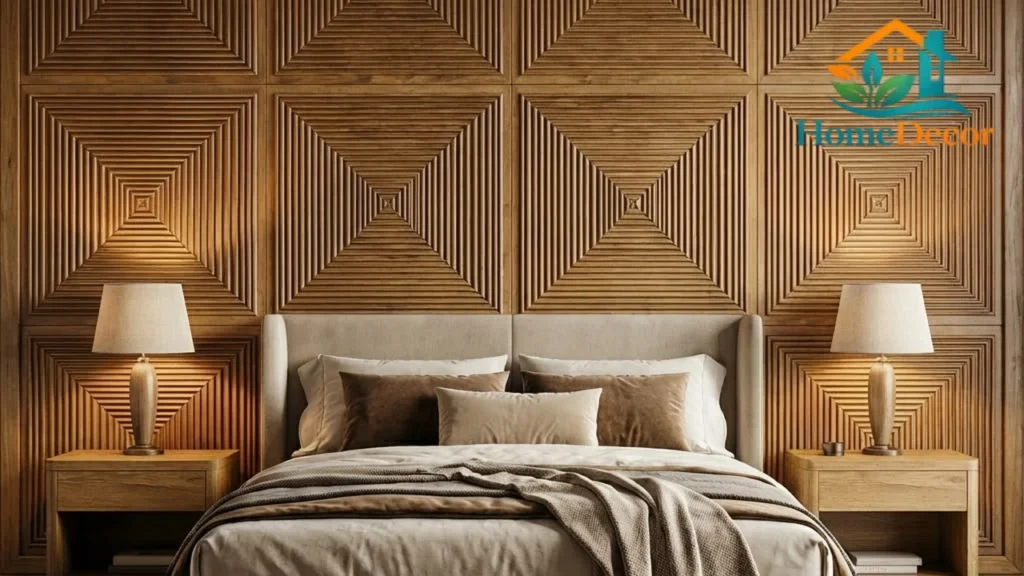
Decorative Wood Wall Panels
Decorative wood wall panels are back in a big way, but they are no longer the heavy, dated wall treatments people remember from older homes. In 2026, they feel architectural, calm, and intentional. They can make a plain room feel richer, help a small room feel taller or wider, and add the kind of warmth that painted drywall often cannot deliver. Designers are using wood paneling in modern, Japandi, luxury, and even minimalist interiors because it brings texture and permanence without needing a lot of extra decor.
That is why Decorative Wood Wall Panels have become one of the smartest upgrades for homeowners, renters, and commercial spaces alike. The right panel style can soften echo in a home office, create a hotel-like bedroom, anchor a living room TV wall, or make a hallway feel designed instead of forgotten. The challenge is not whether wood panels look good. The challenge is choosing the right type, finish, scale, and installation style for your room, budget, and long-term goals. This guide gives you exactly that.
What Are Decorative Wood Wall Panels?
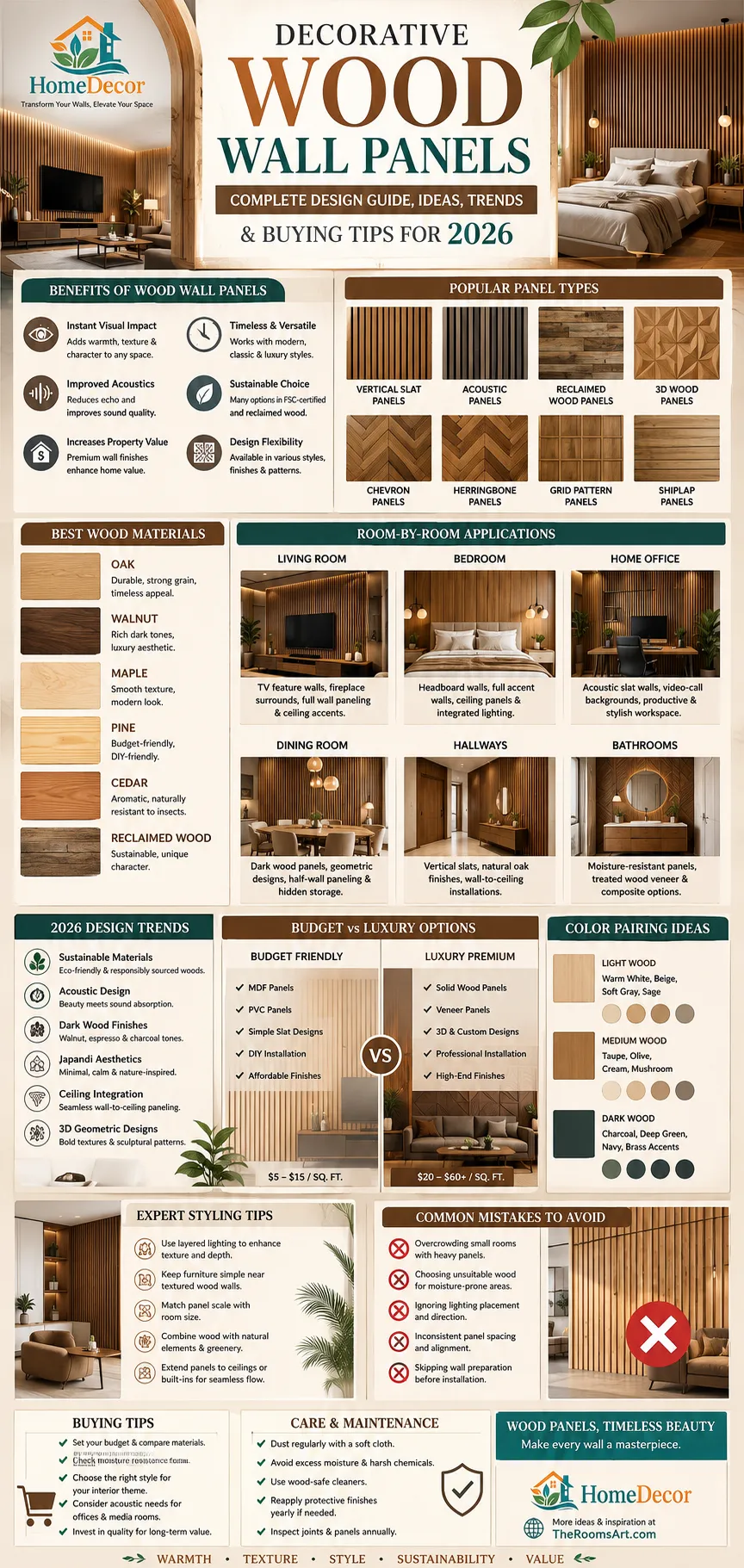
Decorative wood wall panels are interior wall coverings made from materials such as solid wood, engineered wood, veneer, MDF, plywood, reclaimed wood, or acoustic panel systems. Their purpose is both aesthetic and functional: they add visual depth, warmth, and structure while also helping with acoustics, wall protection, and room definition. Wall panelling is widely used in both traditional and modern settings because it can be adapted to many styles and proportions.
In practice, wood panels can be used as full-wall cladding, half-height treatment, headboard wall, fireplace surround, TV backdrop, hallway feature, ceiling extension, or decorative insert. That flexibility is a big reason the style has stayed relevant while other trend-driven wall finishes have faded.
Mini summary: Wood wall panels are not just decoration. They are a design tool for shape, warmth, acoustics, and visual identity.
Why Decorative Wood Wall Panels Matter in 2026
Wood wall panels matter now because the broader design mood has changed. People are moving away from flat, disposable-looking interiors and choosing surfaces that feel tactile, thoughtful, and lasting. Architectural Digest and Vogue both point to a renewed love for darker woods, craftsmanship, and wood paneling as a response to sterile minimalism.
They also matter because modern homeowners want more from one surface. A wall is no longer just a background. It can define a zone, soften a room acoustically, hide small imperfections, support lighting, and make a room feel custom-built. That is why paneling shows up so often in current guides for living rooms, bedrooms, kitchens, bathrooms, and multifunctional spaces.
Sustainability is another reason. FSC says certified wood can be part of responsible construction and interior design, and it notes that FSC-certified materials can support green building systems such as LEED and the Living Building Challenge. For design-conscious readers, that means a wood-panel choice can be both beautiful and more responsible when sourced carefully.
Best Types of Decorative Wood Wall Panels
| Panel Type | Best For | Strengths | Watch Outs |
| Vertical slat panels | Living rooms, offices, entryways | Makes ceilings feel taller; clean modern look; strong architectural rhythm | Can look repetitive if the spacing or finish is wrong |
| Horizontal wood panels | Small rooms, wide walls, and lounges | Makes a space feel wider, calmer, and more balanced | Can lower the visual height if overused |
| Acoustic wood panels | Home offices, media rooms, studios | Helps reduce echo; practical and stylish | Needs proper installation and quality backing |
| Reclaimed wood panels | Rustic, farmhouse, eco-friendly homes | Character, texture, story, natural variation | Can look busy in small rooms |
| 3D wood panels | Luxury feature walls, hotels, statement spaces | Strong depth and shadow; high visual impact | Best used in moderation |
| Chevron/herringbone panels | Formal living rooms, dining rooms, bedrooms | Elegant movement and pattern | Requires precise layout and skilled fitting |
| Grid / geometric panels | Modern, minimalist, neo-classic homes | Sharp architectural feel | Needs good proportioning |
| Shiplap/beadboard | Coastal, farmhouse, transitional spaces | Familiar, versatile, easy to style | Can feel dated if overdone or styled poorly |
The current market clearly supports this range: brands such as Naturewall organize their products around slat walls, full wall panels, half-wall panels, square panels, acoustic wall panels, and waterproof options, which shows how broad the category has become.
Vertical Slat Panels
Vertical slat panels are one of the strongest modern choices because they create visual height and a crisp architectural rhythm. They work especially well behind a sofa, along a hallway, or behind a bed. They are also a favorite for media walls because they look clean around screens and floating furniture.
Horizontal Panels
Horizontal paneling is useful when a room feels narrow or compressed. It can visually stretch the wall and create a more relaxed feel. Designers often use it in bedrooms, dining rooms, and lounge areas where comfort matters as much as structure.
Acoustic Panels
Acoustic wood panels are especially useful in home offices and media rooms. Planner5D notes that paneling can improve comfort and reduce noise, while Naturewall’s product structure shows how acoustic panels have become a defined category rather than a niche add-on.
Reclaimed Wood Panels
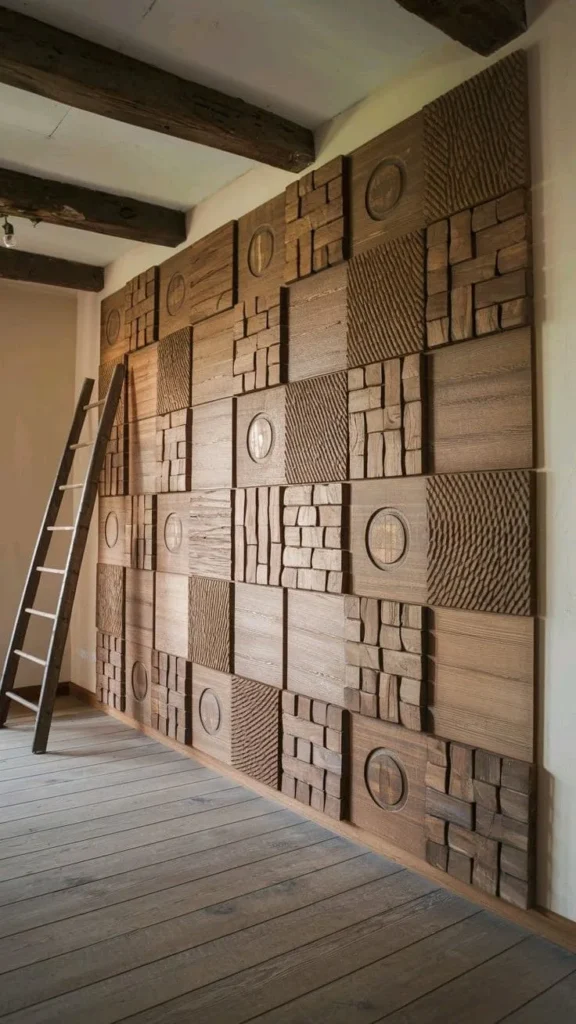
Reclaimed wood is ideal for homeowners who want a more lived-in, organic, or rustic look. It works best when the rest of the room is kept visually calm, because reclaimed surfaces already carry a lot of character.
3D and Geometric Panels
3D and geometric panels are the “statement” end of the category. Better Homes & Gardens highlights geometric wall paneling as a way to create instant character, and premium wood brands use sculpted 2D and 3D designs to signal luxury.
Mini summary: The best panel type is not the trendiest one. It is the one that matches room size, lighting, function, and the amount of visual energy you want the wall to carry.
Best Wood Species and Materials
| Material / Species | Best Use | Benefits | Limitations |
| MDF | Budget builds, painted paneling, DIY projects | Affordable, easy to cut, versatile | Less premium than real wood; moisture sensitivity |
| Veneer | Mid-range interiors | Real wood look with better cost control | Needs careful finishing |
| Solid oak | Premium living areas, feature walls | Timeless grain, durable, upscale | Higher cost |
| Walnut | Luxury walls, dark interiors | Rich tone, strong visual depth | Can darken a room if overused |
| Pine | DIY, relaxed interiors | Budget-friendly, easy to work with | Softer and less durable |
| Ash | Clean modern interiors | Lighter tone, elegant grain | Less dramatic than walnut |
| Reclaimed wood | Rustic, sustainable, character-led homes | Unique texture and story | Variation can make design harder to control |
| Engineered / composite wood | Bathrooms, kitchens, humid zones | More stable and practical | Can feel less authentic than solid wood |
Designers and brands frequently group their products around oak, walnut, ash, MDF, PVC, acoustic systems, and waterproof wall-panel formats, which reflects the practical reality of choosing based on room conditions rather than style alone.
Decorative Wood Wall Panels for Every Room
Living Room
The living room is the most popular place for wood wall panels because it benefits from both visual warmth and clear focal points. A TV Wall, fireplace wall, or full-height accent wall can instantly make the room feel more designed. Better Homes & Gardens and Planner5D both show how paneling adds character, while current trend coverage shows that wood-paneled walls are back as a more refined alternative to plain white walls.
Best living-room approaches include:
- Vertical slats behind a media unit.
- Dark walnut panels behind a fireplace.
- Oak panels paired with soft neutral furniture.
- Half-wall paneling with artwork above.
Bedroom
Bedrooms work beautifully with wood paneling because the material naturally adds calm and warmth. A paneled headboard wall is one of the easiest ways to create a hotel-like feel without filling the room with decor. Planner5D specifically highlights bedroom paneling as a way to add visual interest and even support a cozier, quieter atmosphere.
Best bedroom approaches include:
- Vertical slats behind the bed.
- Half-height paneling with a painted upper wall.
- Soft oak or ash tones for a restful feel.
- Dark wood only when the room gets enough natural light.
Home Office
Wood panels are extremely useful in home offices because they make the background look intentional during video calls and may help with echo when an acoustic system is used. This is one of the best examples of form meeting function.
Best home-office approaches include:
- An acoustic slat wall behind the desk.
- Slim vertical panels for a cleaner webcam backdrop.
- Warm mid-tone wood to balance screens and tech equipment.
Dining Room
Dining rooms suit wood paneling because the room can handle a little drama. Darker woods, geometric layouts, and half-wall systems all work well here. BHG’s wall-paneling ideas and wainscoting coverage both support the idea that paneling can define a dining zone beautifully.
Hallway and Entryway
Hallways often feel overlooked, but they are perfect for paneling because the surface area is narrow and linear. Vertical slats or half-height panels can make the space feel more intentional and less like a pass-through.
Bathroom and Moisture-Prone Areas
For bathrooms, the key is not the look alone. It is moisture-resistant. Naturewall’s waterproof panel category and Design Cafe’s emphasis on moisture-aware materials show why treated or composite solutions matter here. Real wood can work in some bathrooms, but only when the product and installation are appropriate for humidity.
Mini summary: Match the panel to the room’s job. Calm spaces need warmth. Busy spaces need durability. Echo-prone spaces need acoustic backing. Moist rooms need moisture-resistant systems.
How to Choose the Right Decorative Wood Wall Panels
- Start with the room’s purpose.
A living room wall needs visual presence. A bedroom wall needs softness. A home office may need acoustic performance. - Measure the wall properly.
Paneling looks best when the scale fits the room. Oversized panels can look elegant in large rooms but overpower a small one. - Choose the right orientation.
Vertical lines lift the room visually. Horizontal lines widen it. - Decide on the finish.
Natural oak feels lighter. Walnut feels richer. Painted MDF feels cleaner and more budget-friendly. - Check moisture and maintenance needs.
Bathrooms and kitchens need special care. Not every wood panel is suitable for high humidity. - Confirm installation method.
Some products are designed for adhesive mounting, some for battens, and some for professional fitting. - Balance the wall with the rest of the room.
Paneling should support the furniture and lighting, not fight them.
Comparison: Budget, Mid-Range, and Premium Options
| Tier | Typical Materials | Best For | Why Choose It |
| Budget | MDF, plywood, basic slat kits | Rental upgrades, DIY, quick refreshes | Lower cost, flexible styling, easy repainting |
| Mid-range | Veneer, engineered wood, acoustic systems | Most homeowners and offices feature walls | Good balance of realism, durability, and price |
| Premium | Solid oak, walnut, custom geometric systems, bespoke joinery | Luxury homes, statement interiors, long-term investment | Best grain, strongest visual effect, high-end finish |
Design Cafe’s material guide and BHG’s DIY paneling coverage both show how wide the price and complexity range can be, from simple MDF or PVC solutions to more premium, design-led installations.
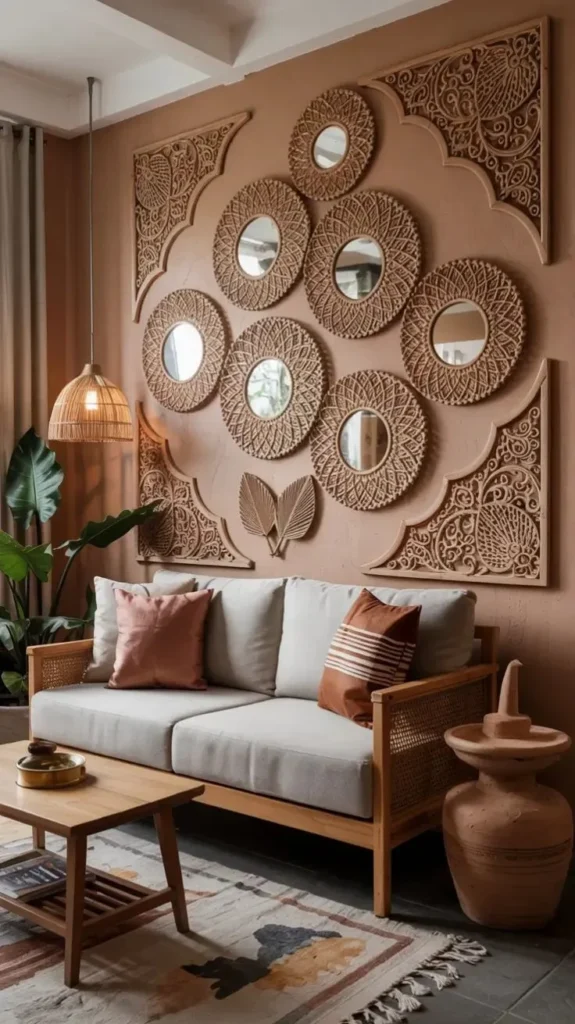
Decorative Wood Wall Panels Trends for 2026
1. Darker, moodier woods are back
Wood paneling is not only returning; it is returning in richer, more confident tones. Vogue and Architectural Digest both point to dark wood paneling as a sign of the current move toward warmth, craftsmanship, and emotional depth.
2. Japandi and quiet luxury are shaping choices
Light oak, soft walnut, minimal join lines, and calm rhythms fit the modern preference for rooms that feel composed rather than busy. This is why slat walls and subtle paneling feel so current.
3. Acoustic design is becoming mainstream
What used to be a niche studio solution is now a common home feature. Sound control matters more in open-plan homes, hybrid workspaces, and media rooms, so acoustic wood panels are no longer an afterthought.
4. Ceiling integration is growing
Paneling is moving beyond the wall and onto the ceiling for a more immersive architectural effect. That creates continuity and makes rooms feel Intentionally designed rather than patched together.
5. Sustainability is becoming a buying filter
FSC-certified wood, reclaimed wood, and lower-waste panel systems are increasingly important to conscious buyers. That makes sourcing as important as styling.
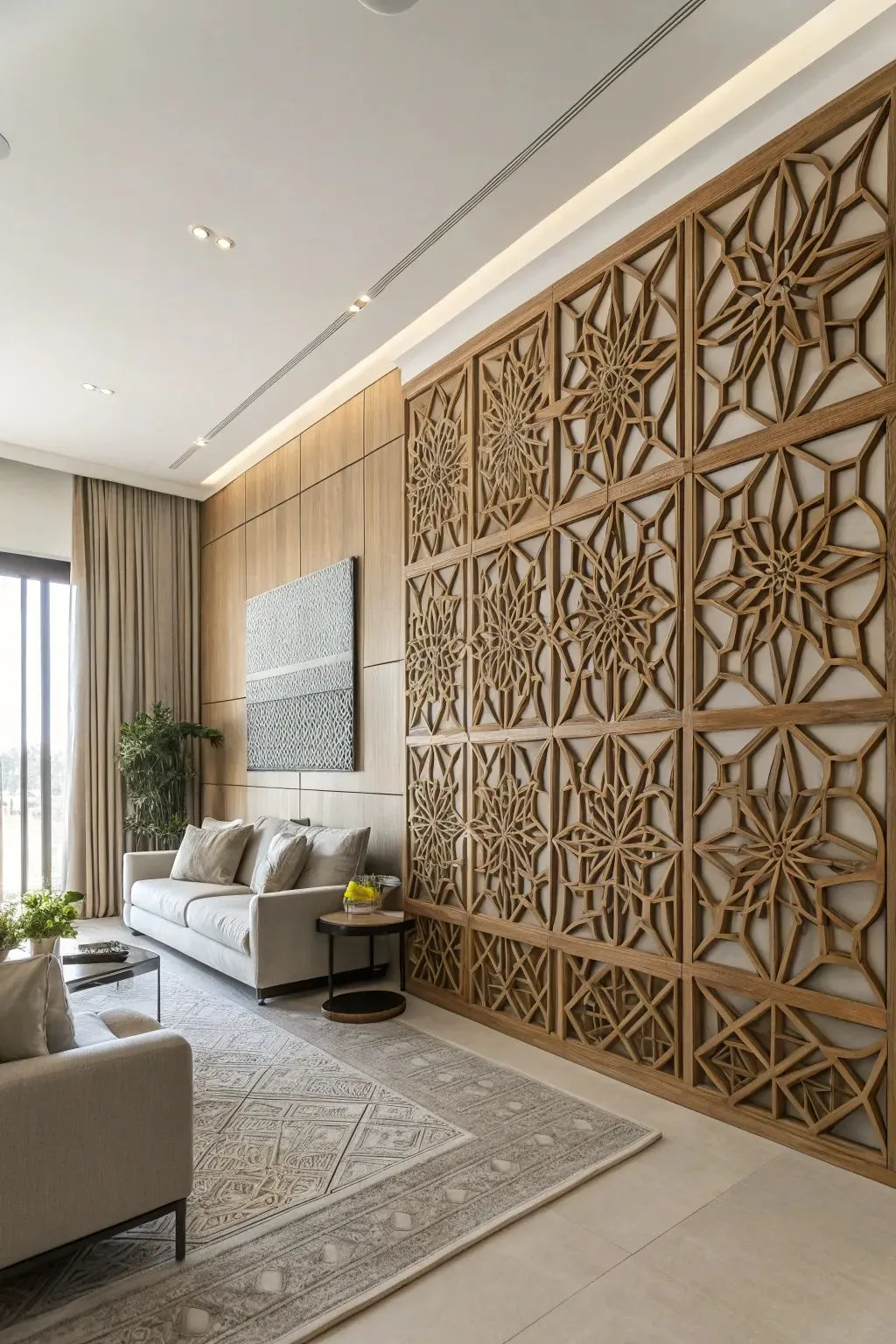
Best Color Combinations with Decorative Wood Wall Panels
Wood is versatile, but the color pairing determines whether it feels cozy, modern, or luxurious.
Light wood panels work well with:
- Warm white
- Greige
- Soft beige
- Clay
- Dusty sage
Medium wood panels work well with:
- Olive
- Taupe
- Mushroom
- Cream
- Muted charcoal
Dark wood panels work well with:
- Deep green
- Ink blue
- Soft black
- Warm ivory
- Brass accents
This approach follows the same logic seen across current paneling and trend articles: wood works best when the surrounding palette supports its texture instead of competing with it.
Expert Styling Tips Most People Ignore
Use lighting as part of the design
Paneling looks flat without light and rich with it. Wall washers, sconces, concealed LED strips, and directional ceiling lights can make the grain and shadow lines come alive.
Keep the furniture simple near textured walls
If the wall is already doing the work, the furniture should support it, not crowd it.
Don’t choose a panel direction without checking the room shape
Direction changes perception. That is why vertical and horizontal systems create such different effects.
Use paneling to define zones in open-plan homes
A dining nook, reading corner, or TV zone can be separated without adding a physical divider.
Think beyond the wall
The strongest installations continue onto the ceiling, built-ins, or cabinetry for a seamless finish.
Common Mistakes to Avoid
- Using heavy dark wood in a room that already lacks natural light.
- Choosing a style that fights the furniture.
- Ignoring moisture conditions in kitchens and bathrooms.
- Installing too many textures in one room.
- Forgetting lighting.
- Not checking wall prep before installation.
- Buying a panel style that is beautiful in photos but wrong for the room’s scale.
Mini summary: Most paneling mistakes come from ignoring the room, not the product. A good wall panel is only good when it fits the space, light, and function.
Maintenance and Long-Term Value
Wood wall panels are long-term design features, not temporary decorations. To keep them looking good, dust regularly, clean with a soft microfiber cloth, avoid excess moisture, and check joints or finishes over time. In humid areas, the material choice and the quality of installation matter more than the style itself.
From a value perspective, paneling often feels more custom than paint alone. That can improve perceived quality in both homes and commercial interiors, especially when the finish looks intentional and well-maintained.
Who Should Choose Decorative Wood Wall Panels?
Wood wall panels are a strong choice for:
- Homeowners who want a warmer, more designed interior.
- Apartment dwellers who need visual impact without major structural work.
- Remote workers who want a better video-call background.
- Style-conscious buyers who like Japandi, Modern, luxury, rustic, or transitional interiors.
- People who want a feature wall that is useful, not just decorative.
Who Should Avoid Them?
They may not be the best choice if:
- You want a completely low-maintenance flat wall.
- Your room is extremely small and dark.
- The building has serious moisture issues, and you are not using the correct material.
- You prefer a very temporary design style that changes often.
- You do not want visible texture or architectural detail.
People Also Ask
Yes. They are strongly in style because designers are favoring warmer, more textured, more permanent-looking interiors again. Recent coverage from Vogue and Architectural Digest shows wood paneling returning in a more refined form.
Vertical slats, clean oak panels, acoustic systems, and subtle geometric designs are the safest modern choices. They feel architectural without looking heavy.
They can be budget-friendly or premium depending on the material and installation. MDF and plywood are generally more affordable, while solid oak, walnut, and custom systems sit at the higher end.
Yes. Acoustic wood panels are specifically designed to help reduce echo and improve sound comfort, which is why they are popular in offices and media rooms.
Yes, but only with moisture-resistant or engineered products designed for humid spaces. This is not the place to guess. Material choice matters.
Conclusion
Decorative wood wall panels are among the strongest interior upgrades for 2026 because they combine beauty, Functionality, and long-term design value. They can make a room feel taller, wider, warmer, quieter, and more custom, all at once. The best choice depends on your room size, lighting, moisture level, budget, and the mood you want to create.
If you want the safest high-performing option, start with a clean vertical slat wall in oak or a subtle acoustic system for a home office. If you want more drama, choose walnut, geometric paneling, or a full feature wall with layered lighting. And if you want the most future-proof choice, prioritize quality materials and responsible sourcing. FSC-certified wood remains a strong signal of thoughtful construction and better environmental decision-making.
The best readers for this style are homeowners and decorators who want a room that feels intentional, modern, and warm without losing practicality. Bookmark this guide, explore more interior ideas on TheRoomsArt.com, and use it as the base for your next room makeover.
Disclaimer: Prices, materials, trends, and product availability may change over time depending on region, suppliers, and brands. Always verify dimensions, materials, and compatibility before purchase or renovation.
