
Introduction
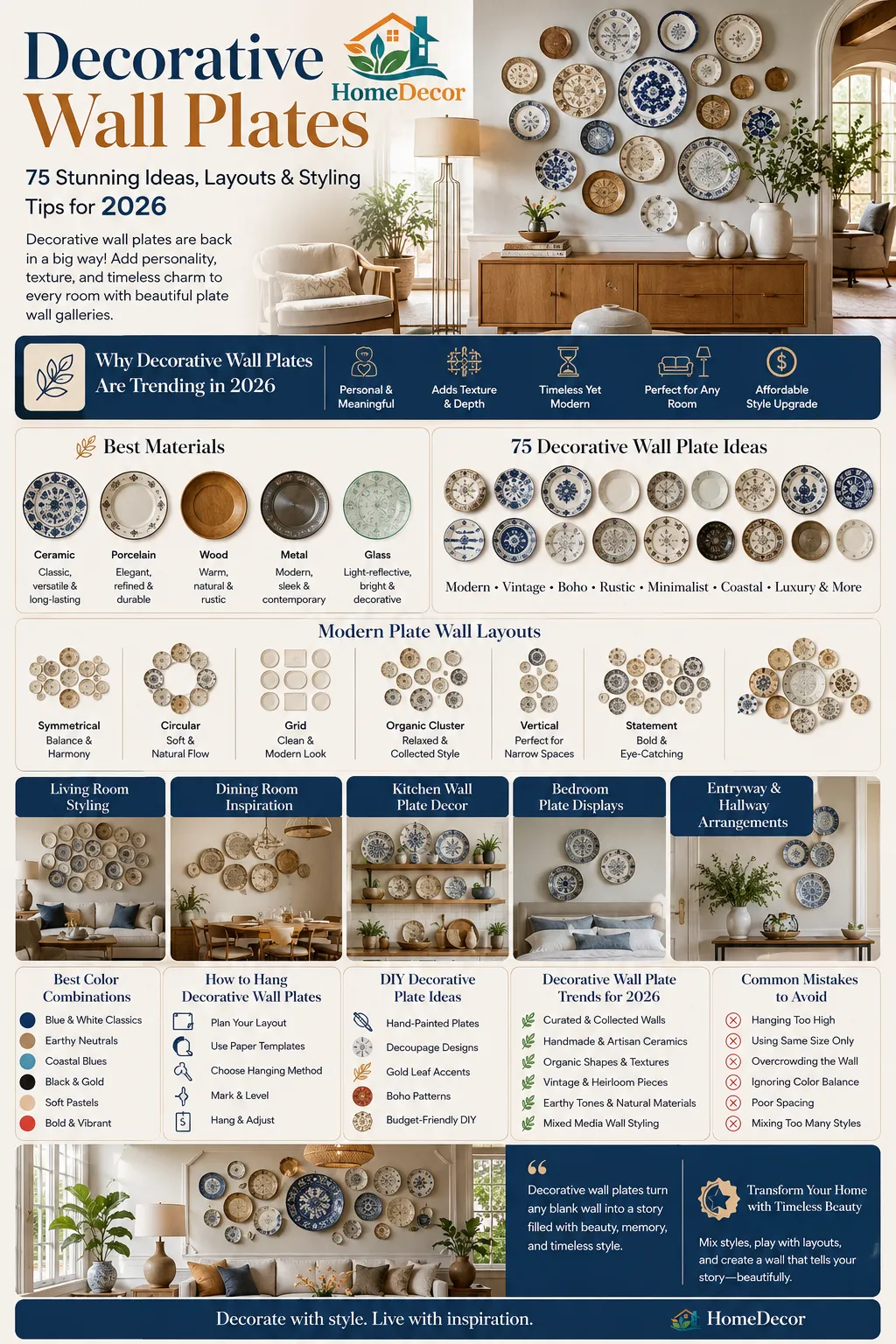
Decorative wall plates are having a real comeback, but not in the old-fashioned way people remember from decades ago. In 2026, designers and home editors are leaning into more personal, layered interiors, artisanal materials, and meaningful objects that tell a story. Plate walls fit that shift perfectly because they can feel collected, warm, and expressive instead of generic.
That is why Decorative Wall Plates are more than just a trend. They can work as art, memory pieces, functional displays, or a subtle way to add color and texture to a room. Recent coverage from major home publications shows them being used in kitchens, dining rooms, hallways, bathrooms, sitting rooms, and even as part of broader memento-wall styling.
If you are looking for a wall decor idea that feels softer than framed art, richer than a plain mirror, and more personal than a mass-produced print, plate walls are a smart option. This guide gives you the full system: ideas, layouts, room placement, materials, sizing, trends, DIY inspiration, and buying guidance in one place.
What Are Decorative Wall Plates?
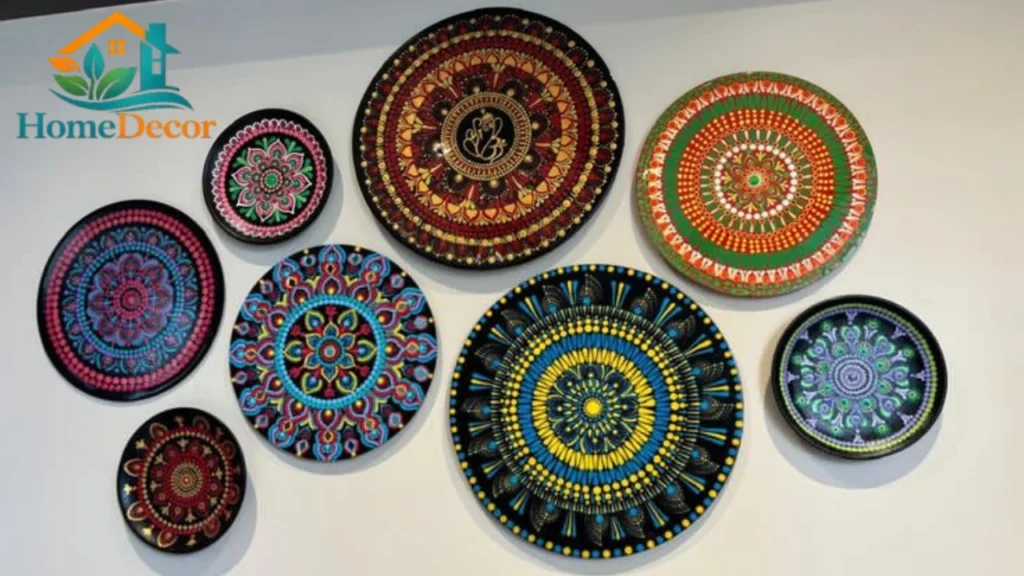
Decorative wall plates are plates, platters, or ceramic pieces arranged on a wall for visual effect. They are often grouped by color, pattern, size, or story, and they can be displayed with plate hangers, wall hooks, shelves, or rack systems. Plate walls have historical roots, but today they are being reimagined as personal design statements rather than old-fashioned formal decor.
A short history of plate walls
Vogue notes that decorative plate walls date back to the 17th and 18th centuries, when collections of plates were used to signal taste, travel, and status. Today, the same idea is returning in a more relaxed and personal form, with pieces chosen for memory, heritage, craft, and style rather than formality alone.
Why are they popular again in 2026
The 2026 design conversation is clearly moving toward warmth, tactile materials, artisanal work, and rooms that feel more soulful and individual. BHG and AD both point to a stronger interest in natural materials, handcrafted details, layered interiors, and maximalist self-expression, which makes plate walls a natural fit for the year ahead.
Why decorative wall plates work so well
They bring in shape, texture, and pattern without needing a large piece of framed art. BHG also shows that decorative plates can add color and charm affordably, especially in neutral rooms that need a focal point.
How to Choose Decorative Wall Plates
The best plate wall starts with a clear visual direction. A good collection does not need to match perfectly, but it should feel intentional. BHG and Vogue both show that cohesive palettes, repeated motifs, and balanced spacing matter more than quantity alone.
Best materials for decorative wall plates
Ceramic and porcelain remain the most popular choices because they read as classic, refined, and easy to style. 2026 trend coverage also points toward artisanal ceramics, tactile finishes, and organic forms, which makes handmade clay, reactive glaze, and uneven hand-thrown pieces especially relevant.
Wood, metal, and glass can also work depending on the room. Wood feels warmer and more rustic. Metal feels sharper and more contemporary. Glass and glazed ceramic can add brightness and light reflection in smaller spaces. These material choices align well with the broader move toward layered, character-rich interiors in 2026.
How to pick the right size
Use a mix of sizes for balance. Larger plates can anchor the composition, while smaller plates fill gaps and soften the structure. Houzz specifically shows that larger platters work well at the center or lower part of a grouping, while smaller pieces help create movement around them.
How to match your interior style
A blue-and-white set works beautifully in traditional, coastal, or transitional rooms. Soft neutrals suit minimalist and Scandinavian spaces. Bold, colorful ceramics suit eclectic, boho, and maximalist homes. If your interior is already rich in texture or pattern, choose plates with a quieter palette so the wall feels curated instead of crowded. This is consistent with current design advice around balance, texture, and warmth.
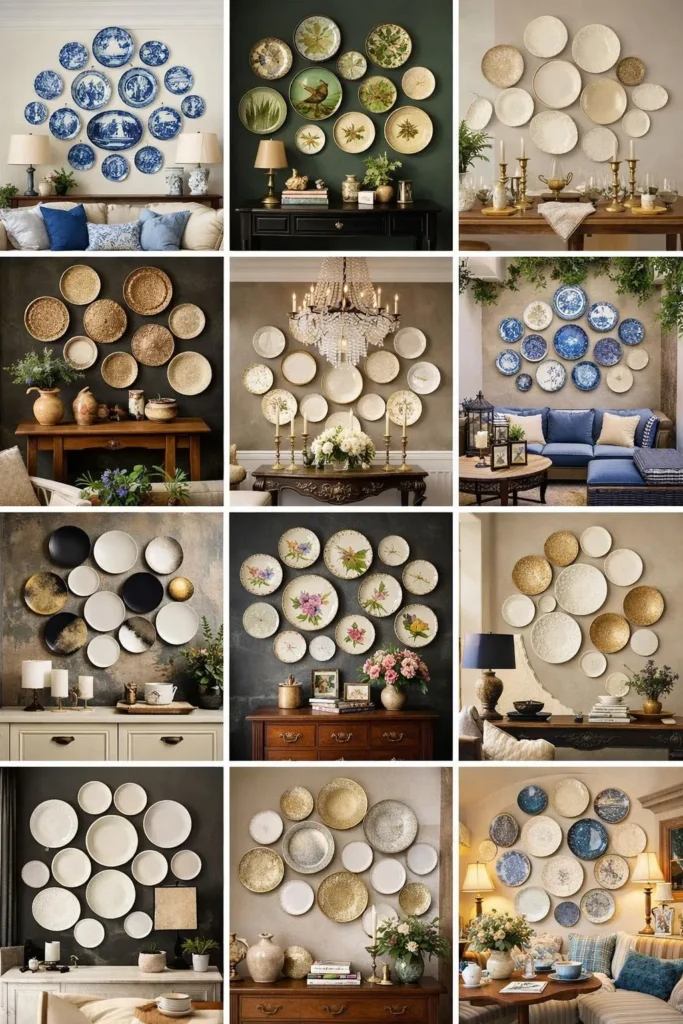
75 Decorative Wall Plate Ideas
Below is the inspiration section that your competitors usually underdeliver on. The goal here is not just “more ideas,” but Better Categories.
Modern decorative wall plates
- Matte white plates on a clean plaster wall
- Black-rimmed ceramic plates in a linear arrangement
- Mixed neutral plates with subtle texture
- Oversized statement platters above a console
- A monochrome plate wall with one accent plate
- Sculptural plates with organic edges
- Mixed round and oval shapes for a gallery feel
- Tonal beige-and-stone plate wall
- Minimal plates paired with one framed print
- Soft gray ceramics in a vertical column
Minimalist plate displays
- Three identical plates in a tight cluster
- One large plate centered on a narrow wall
- A simple trio above a bench
- White-on-white plates in a calm dining space
- A small asymmetrical trio in an entryway
- Plates with clean lines and no heavy pattern
- Thin ceramic discs on a pale wall
- A restrained plate rail with only a few pieces
Scandinavian plate walls
- Light wood shelf with pale ceramic plates
- Soft matte whites and warm gray tones
- Handcrafted plates with simple brush marks
- Natural oak console under a plate cluster
- Rounded forms that echo soft Scandinavian furniture
- Pale blue plates with lots of breathing room
- A mixed white-and-sand palette
- Plates displayed with linen textures nearby
Farmhouse wall plate ideas
- White ironstone-style plates with wood accents
- Vintage floral plates over a rustic buffet
- Distressed finish plates with warm wood tones
- Blue-and-white dishes in a cottage kitchen
- Reclaimed wood shelf with stacked display plates
- Traditional plates grouped over a shiplap wall
- A cozy breakfast nook with mixed heirloom plates
- Simple plate racks in a country kitchen
Rustic wall plate arrangements
- Earth-tone ceramics with uneven glaze
- Handmade plates on a brick wall
- Brown, terracotta, and cream plate mix
- Rustic pottery with visible handmade texture
- A cabin-style wall with dark wood backing
- Plates paired with woven baskets and natural fibers
- A warm-toned cluster over a console table
- Earthy plates with a distressed vintage mirror
Boho plate displays
- Hand-painted plates with folk patterns
- Colorful artisan ceramics mixed with woven art
- Layered plates with macramé nearby
- Organic-shaped plates in sunset tones
- Eclectic mix of handmade plates and prints
- A playful asymmetrical collection
- Plates with tassels, rattan, and textured decor
- A relaxed wall with global-inspired patterns
Coastal style wall plates
- Blue-and-white classic plate wall
- Sea-glass-inspired ceramic plates
- Soft sand, white, and pale aqua tones
- Shell-inspired shapes and curves
- Nautical blue plates over beadboard
- White plates with coastal coral motifs
- A breezy kitchen plate wall
- Light, airy plates in a breakfast nook
Traditional decorative plates
- Delft-inspired blue-and-white displays
- Formal symmetrical plate arrangement
- Antique-looking china above a dining buffet
- Heritage plates in a balanced oval shape
- Decorative chargers mixed with classic china
- A formal plate wall around a china cabinet
- Patterned heirloom plates with repeating motifs
- Elegant traditional pieces in a dining room
Luxury wall plate galleries
- Large artisan plates with gilded edges
- Deep jewel-tone ceramic cluster
- High-end handmade pottery with sculptural form
- Gold-accented plates above velvet seating
- Oversized statement platters in a hotel-style entryway
- Layered plates with rich wood and brass accents
- Limited-color palette with expensive-looking textures
- Gallery-style plate wall with museum-like spacing
- A curated plate collection framed by dramatic lighting
Decorative Wall Plates by Room
Recent editorial coverage shows plate walls moving beyond just kitchens and dining rooms. Vogue specifically notes that they are now appearing in sitting rooms, hallways, and even bathrooms, while BHG and Southern Living show strong kitchen use and plate-rack variations.
Living room wall plate ideas
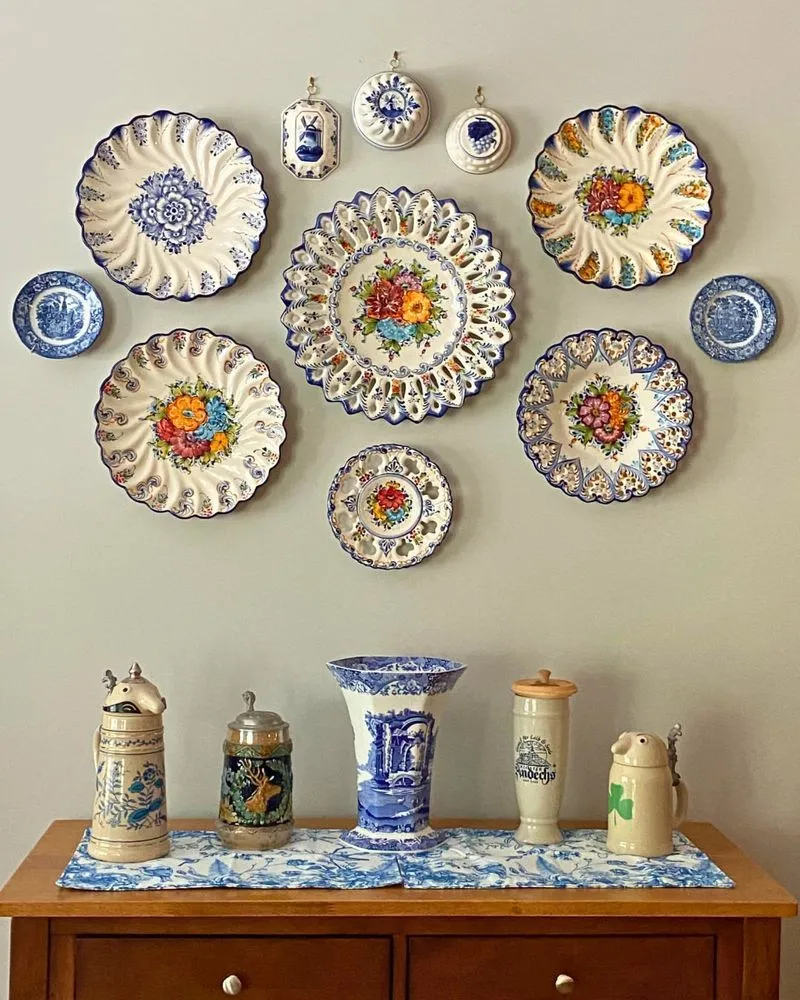
Use decorative wall plates above a sofa, console, or fireplace to add softness and shape. A cluster of plates works especially well where framed art may feel too rigid. Keep the palette tied to your upholstery, Rug, or curtains so the wall feels connected rather than floating.
Dining room plate wall inspiration
Dining rooms are a natural fit because plates already belong visually in the space. Use a symmetrical layout for a formal dining room or an organic cluster for a more relaxed one. A plate wall can echo the table below and create a strong focal point without taking much floor space.
Kitchen wall plate decor
BHG’s kitchen coverage repeatedly shows plates being used in open shelving, racks, hutches, and wall displays because they add color while still feeling practical. A kitchen plate wall works best when it sits near cabinetry, shelves, or a breakfast nook, where the display feels natural.
Bedroom decorative wall plates
A bedroom plate wall should be calmer than a living room arrangement. Use softer tones, fewer pieces, and more spacing. BHG notes that plate walls can work beyond kitchens, including bedrooms, and the best effect comes from using them as color accents rather than visual overload.
Entryway plate arrangements
Entryways work well because they are small, visible, and easy to elevate with a compact decorative statement. A narrow vertical group or a small cluster above a bench creates impact without crowding the path. BHG’s memento-wall guidance also supports hallways as strong wall-display zones because they are busy spaces that benefit from meaningful, cohesive decor.
Staircase wall displays
A staircase wall is ideal for staggered or ascending plate arrangements. Houzz shows that varying plate sizes and shapes can create movement, and stair walls are one of the easiest places to make that movement feel intentional.
Hallway wall plate galleries
Hallways are especially smart for plate walls because they can handle visual storytelling. Vogue and BHG both suggest that personal objects and meaningful displays work well in transitional areas, making hallways an excellent place for a collected plate gallery.
Home office styling
Use a restrained plate wall behind a desk or side wall in a home office. Choose calming ceramics in muted tones so the display feels sophisticated rather than distracting. A single strong plate or a small trio is often enough in work-focused rooms.
Decorative Wall Plate Layout Ideas
This is one of the biggest areas where competitors are thin. The best pages show pretty examples, but they do not teach a repeatable system. Houzz and Home Depot provide the practical foundation here: paper cutouts, floor planning, and exact nail placement are part of a reliable installation process.
1. Symmetrical arrangement
Best for: formal dining rooms, traditional spaces, and balanced interiors. Use mirrored spacing and repeat plate sizes for a polished look.
2. Circular cluster
Best for: round tables, soft interiors, and organic styling. Place the largest plate in the center and build outward. Houzz shows that circles and platters can help define the overall shape of the grouping.
3. Grid layout
Best for: modern, minimalist, and Scandinavian homes. Use evenly spaced plates with similar diameter and tone for a clean architectural effect.
4. Organic cluster layout
Best for: boho, eclectic, and collected interiors. Vary the sizes, spacing, and finish so the wall feels gathered over time. Houzz specifically shows that asymmetrical arrangements can look lively and stylish when balanced correctly.
5. Vertical plate wall
Best for: narrow walls, entryways, and stair landings. Stack pieces in a tall composition so the wall feels designed, not crowded.
6. Large statement display
Best for: fireplace walls, blank dining walls, or tall living rooms. Start with a large platter or anchor plate, then add smaller pieces around it.
7. Mixed media gallery wall
Best for: personal, layered rooms. Combine plates with framed art, mirrors, baskets, or small wall objects to make the display feel modern and collected. BHG’s memento-wall coverage shows this broader object-mixing direction is strong right now.
How to Hang Decorative Wall Plates
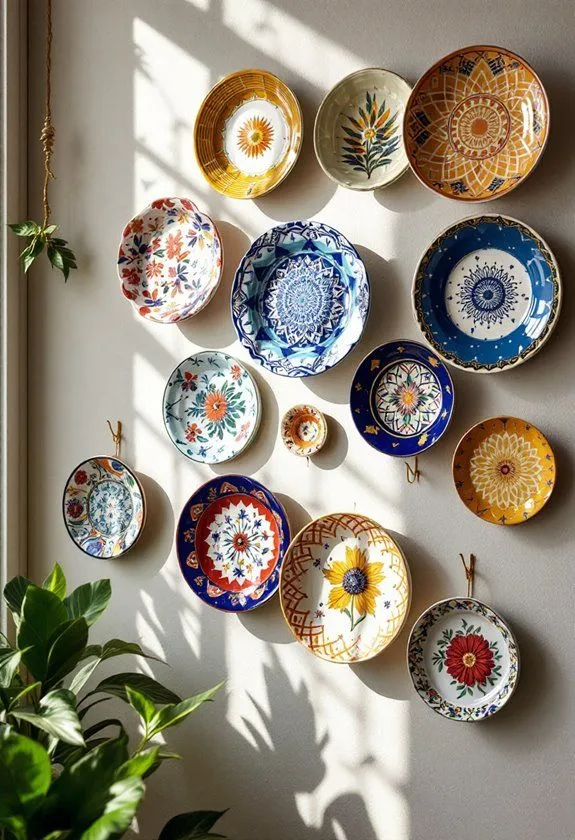
This section should be one of your strongest evergreen assets because it solves a practical problem and keeps readers on the page. Home Depot recommends adhesive discs as one of the easiest hanging methods, while Houzz gives a clear paper-template workflow that helps prevent crooked arrangements.
Best hanging methods
- Adhesive discs for a simple install. Home Depot says these discs use glue activated with a little water and attach to the back of decorative plates.
- Plate hangers for a traditional secure option. BHG uses plate hangers frequently in wall display examples.
- Wall-mount plate racks if you want display plus function. Southern Living and BHG both show racks as elegant, practical solutions.
- Paper cutout planning before drilling. Houzz recommends tracing plate shapes on paper, testing the layout on the floor, then taping the paper to the wall before hanging.
Step-by-step hanging process
- Lay the plates on the floor first and test different layouts.
- Trace each plate on newspaper or paper and cut out the shapes.
- Tape the paper shapes to the wall and step back often.
- Mark nail locations carefully using a level or placement tool. Houzz highlights a hang-and-level style tool for exact placement.
- Hang the plates only after spacing and height feel balanced.
Common hanging mistakes
- Hanging the display too high
- Using only one plate size
- Making spacing too tight
- Ignoring wall proportions
- Choosing plates that clash with the room palette
- Skipping a mockup before drilling
Decorative Wall Plate Color Combinations
Color is what separates a stylish plate wall from a random collection. BHG shows the power of repeating colors and using plates to energize neutral rooms, while Vogue emphasizes that modern plate walls feel strongest when they tell a personal story through chosen objects and palette.
| Palette | Best for | Visual effect |
| Blue and white | Traditional, coastal, classic kitchens | Timeless and crisp |
| Neutrals | Minimalist, Scandinavian, modern homes | Calm and refined |
| Earth tones | Rustic, boho, organic interiors | Warm and grounded |
| Black and gold | Luxury, art-deco-inspired, dramatic rooms | Bold and elegant |
| Mixed brights | Eclectic, creative, playful spaces | Energetic and personal |
Decorative Wall Plates Trends for 2026
The strongest 2026 trend signal is clear: people want warmer, more soulful, more personalized spaces with tactile and artisanal elements. BHG points to natural wall treatments, hospitality-inspired design, and artisanal ceramics, while AD highlights maximalism, ornament, and old-world trimmings.
The biggest trends to mention
- Curated plate walls instead of random collections
- Handmade ceramics with visible craft
- Vintage and heirloom plates with personal history
- Organic asymmetrical layouts for a more relaxed look
- Mixed textures like plaster, wood, brass, and clay
- Story-driven walls inspired by travel, family, and memory
Why these trends matter
Vogue notes that plate walls now feel modern when they are arranged in distinctive patterns or placed in unexpected rooms. BHG’s memento-wall coverage also shows that people are increasingly interested in meaningful objects, not just generic wall art.
DIY Decorative Wall Plate Ideas
DIY is a major opportunity because it adds budget value and search depth. BHG’s content shows that decorative wall items gain power when they are personal, colorful, and layered with texture.
Simple DIY options
- Paint plain ceramic plates in a color story
- Add gold leaf accents for a luxury look
- Use decoupage for floral or vintage patterns
- Mix thrifted plates with newly purchased artisan pieces
- Combine painted plates with framed prints for a softer wall story
Budget-friendly plate wall ideas
Thrift stores, antique markets, and online artisan shops are great sources for affordable pieces. BHG repeatedly shows that decorative plates can add color and charm without a large budget, especially when used as a focused accent instead of a full-room makeover.
Decorative Wall Plates vs Other Wall Decor
| Decor type | Cost feel | Texture | Personality | Best use |
| Decorative wall plates | Medium to high | High | High | Collected, story-driven walls |
| Framed art | Medium to high | Medium | Medium | Clean gallery-style rooms |
Pros and Cons of Decorative Wall Plates
Pros
- Adds texture and shape
- Works in many room types
- Can feel traditional or modern
- Great for heirloom and thrifted pieces
- Often cheaper than large statement art
Cons
- Needs careful spacing
- Poorly matched plates can look messy
- Heavier pieces may need more secure hanging
- Some styles can feel dated if not updated thoughtfully
Expert Tips Most People Ignore
- Start with one anchor plate and build around it. Houzz’s examples show that larger pieces help shape the whole composition.
- Use one repeated color to unify mixed pieces. BHG and Vogue both reinforce the importance of a coherent palette.
- Place plate walls where people naturally look, not too high. Hallways, dining walls, and above-bench areas work especially well.
- Mix “busy” and “quiet” pieces. BHG’s memento-wall guidance recommends balancing visually busy objects with quieter ones.
- Use lighting if the wall needs more presence. Houzz notes that spotlights can strengthen the display.
Maintenance, Care & Long-Term Value
Keep decorative plates dust-free, check hanging hardware periodically, and avoid placing delicate pieces in high-impact areas. If you use heirlooms or handmade ceramics, store replacement hangers or mounting supplies nearby so repairs are easy later. The long-term value of a plate wall is not just visual; it can also preserve and showcase meaningful objects rather than hiding them in storage.
Best Color Combinations
- Blue and white + wood for a classic look
- Cream + sand + gray for calm modern spaces
- Terracotta + olive + rust for earthy warmth
- Black + ivory + brass for luxe contrast
- Aqua + white + pale gold for coastal freshness
Best Materials & Decor Choices
Choose materials that fit your room’s mood and the story you want the wall to tell. Handcrafted ceramics and traceable artisanal pieces align with 2026 trends, while plate racks and shelves are strong for more practical rooms like kitchens and breakfast areas.
Styling Tips for Different Room Sizes
In small rooms, use fewer plates and more negative space. BHG notes that less is more in compact kitchens, and that same principle applies to bedrooms, hallways, and apartments. In larger rooms, a fuller gallery-style cluster creates a stronger impact.
Who Should Choose Decorative Wall Plates
This style is ideal for:
- People who love collected, layered interiors
- Homeowners with heirloom china or thrifted ceramics
- Renters who want a visual upgrade with a modest investment
- Anyone looking for a gallery wall alternative with more texture and story
Who Should Avoid This Style
Skip a plate wall if you want ultra-minimal interiors, dislike visual pattern, or need a wall treatment that must be completely low-maintenance and impact-resistant. It can still work in modern homes, but it works best when the arrangement is edited and intentional, not crowded.
People Also Ask
No. They are back in a more modern form, especially as part of collected, personal, and artisanal interiors. Recent coverage shows plate walls returning in thoughtful layouts and unexpected rooms, not just traditional kitchens.
There is no fixed number. A small wall may need only three plates, while a large feature wall may need a fuller cluster. The right count depends on balance, scale, and negative space.
Kitchens and dining rooms are the most natural fits, but hallways, sitting rooms, bathrooms, and bedrooms can also work well when the palette is cohesive.
Use adhesive discs, plate hangers, or wall-rack systems, and test the layout first with paper cutouts. Home Depot and Houzz both recommend planning before drilling.
Handmade ceramics, soft matte finishes, organic edges, and mixed textures feel especially modern in 2026 because they match the larger trend toward artisanal, tactile interiors.
Conclusion
Decorative wall plates are one of the best wall decor choices for 2026 because they combine personality, Craftsmanship, and visual warmth in a way that feels current and timeless. They work especially well for homeowners, renters, and design lovers who want more than generic wall art. The strongest approach is a curated one: choose a clear color story, use smart spacing, and place the wall where it can naturally become a focal point.
For TheRoomsArt.com, this topic is an excellent pillar opportunity because it can connect to living room ideas, dining room styling, DIY decor, small-space design, and luxury interiors in one search-winning page. For best results, keep expanding the cluster with related articles on gallery walls, kitchen styling, and artisan home decor.
Legal disclaimer: Prices, materials, trends, and product availability may change over time depending on region, suppliers, and brands. Always verify dimensions, materials, and compatibility before purchase or renovation.
