
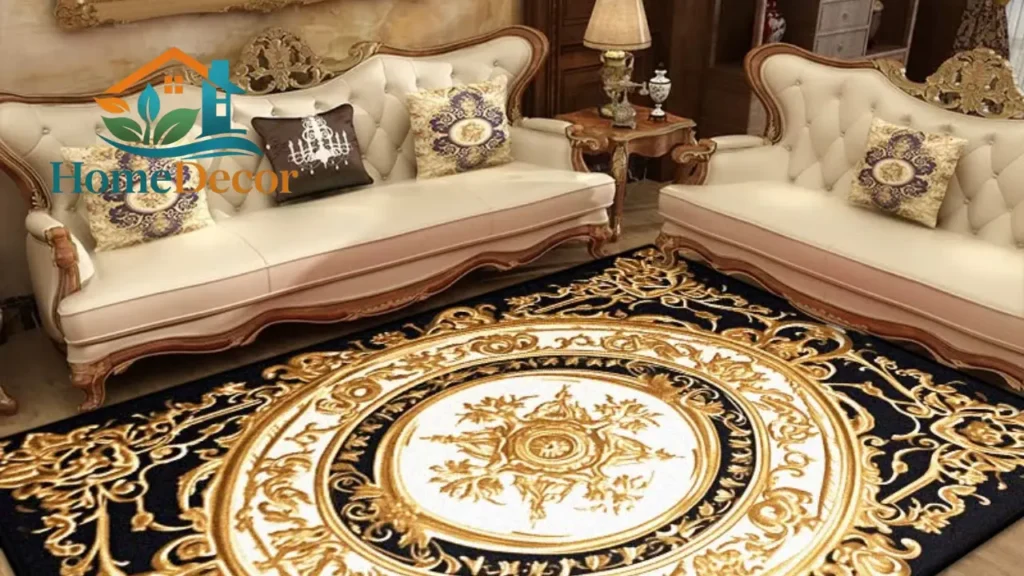
Introduction
A Big Rug for Living Room spaces does more than fill the floor. It changes how the whole room feels. The right rug can make a seating area look organized, warm, and expensive. The wrong one can make even a beautiful room feel scattered and small. That is why rug size is not just a style choice. It is a layout decision. Design guides from major home brands repeatedly stress the same point: start with the furniture layout, use the rug to anchor the seating zone, and choose the largest rug that still fits the room well.
This guide is built to solve the most common rug problem: choosing a size that looks right in real life, not just on a product page. You will learn how to pick the best rug size for different room layouts, when to go oversized, how to style a sectional, and how to avoid the mistakes that make a living room feel awkward. You will also get practical tips for measuring, budgeting, and caring for the rug so it lasts longer.
What is a Big Rug for a living room?
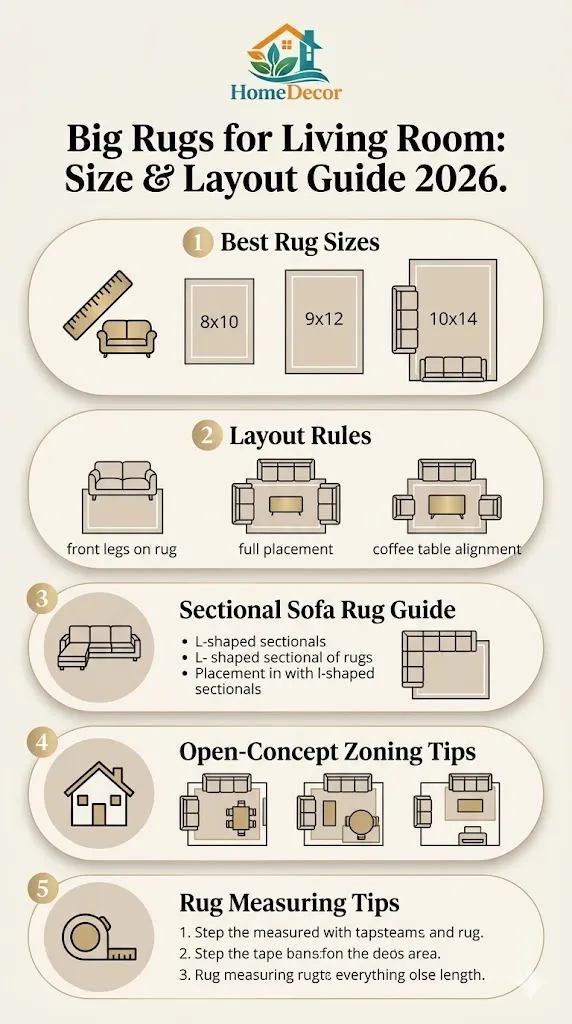
A big rug for the living room is any rug large enough to connect the main seating area into one visual zone. In practice, that usually means sizes like 8×10, 9×12, 10×14, and larger, depending on the room and furniture. Guides from Crate & Barrel and IKEA consistently recommend sizing from the seating arrangement first, not the empty floor space.
A big rug usually does three jobs at once:
It anchors furniture, so the sofa, chairs, and coffee table feel connected. It defines the space, especially in open-plan homes. And it softens the room, adding warmth, texture, and comfort underfoot.
Snippet-ready answer
A big rug for living room spaces is a rug large enough to anchor the main seating area, usually an 8×10, 9×12, or larger size, depending on the room and furniture layout.
Why Big Rugs Matter in 2026
Big rugs matter because modern living rooms are doing more jobs than before. They are not just for sitting and watching TV. Many rooms now combine lounging, reading, working, and entertaining in one space. In open-plan homes, rugs are especially useful because they help define zones without walls or dividers.
A larger rug also creates a more finished look. Home styling guides repeatedly note that a rug should be large enough to unify the seating area, and that choosing the largest size that fits elegantly tends to feel more inviting. In other words, oversized often looks better than undersized.
Why bigger often looks better
- It makes the room feel more cohesive.
- It visually expands the seating area.
- It helps the furniture look intentionally arranged.
- It gives the room a more layered, designer feel.
Mini summary
If your rug is too small, the room looks chopped up. If it is large enough to connect the furniture, the room feels calm, complete, and more expensive.
Best Big Rug Sizes for Living Room Layouts
The best rug size depends on how much furniture you want to place on it. The most common living room rug sizes are 6×9, 8×10, 9×12, and 10×14. Many guides recommend at least the front legs of sofas and chairs on the rug, while larger rooms can support even more generous sizing.
| Living Room Size / Layout | Best Rug Size | Best Use Case |
| Small living room | 5×8 or 6×9 | Front legs on rug, compact seating |
| Medium living room | 8×10 | Sofa plus chairs, balanced look |
| Large living room | 9×12 | Full seating zone, better proportion |
| Very large/open concept | 10×14 or larger | Luxury feel, zoning, full anchor |
| Sectional sofa layout | 8×10 minimum, 9×12 ideal | Helps unify the full seating area |
These size ranges match the guidance found in major rug and furniture resources, which emphasize choosing the largest rug that still fits the room, keeping front legs on the rug, and leaving space around the perimeter.
Quick rule of thumb
If you are stuck between two sizes, go bigger. That approach is repeatedly recommended in design guides because a too-small rug breaks the layout, while a larger rug usually improves balance.
Mini summary
For most living rooms, 8×10 is the safe standard, 9×12 is the luxury sweet spot, and 10×14+ works best for oversized and open-concept spaces.
How to Choose the Right Big Rug Step by Step
The smartest way to shop is to measure the furniture zone first and the room second. That is the same idea repeated across major rug guides: measure the space, map the layout, and use a visual test before buying.
Measure the seating area.
Measure the width and length of the furniture grouping, not just the walls. Include the sofa, chairs, coffee table, and the walking space you want around them.
Decide how much furniture should sit on the rug
There are three main approaches:
- All furniture on the rug for a polished, high-end feel.
- Front legs on the rug for the most balanced everyday layout.
- Coffee table only for a smaller budget, although this is usually less cohesive.
Use painter’s tape on the floor.
Painter’s tape is a simple way to mock up rug size before you buy. Wayfair specifically recommends this as a visual test so you can judge fit from different angles.
Leave breathing room
A common rule is to leave about a foot of bare floor around the perimeter when possible, so the room feels framed rather than crowded.
Check the sofa relationship.
The rug should be at least as wide as the sofa, and in many layouts it should extend beyond the sofa on both sides. That creates a more open and balanced look.
Mini summary
Measure the furniture zone, tape the size on the floor, and choose the biggest rug that still leaves clean edges and easy walkways.
Best Big Rug Layouts for Different Living Rooms
A rug works best when it matches the seating arrangement. That is why the same rug can look perfect in one room and wrong in another. Design guidance from retail and interior sources keeps returning to one principle: the rug should connect the main furniture pieces into a single composition.
Front-legs-on-rug layout
This is the most versatile and most common approach. The front legs of the sofa and chairs sit on the rug while the back legs stay off. It feels balanced, practical, and works well in most homes.
All-furniture-on-rug layout
This gives the room a luxury feel. It works best in large living rooms where the rug can extend under the full seating group with visible space around the edges.
Sectional sofa layout
Sectionals need more rug than people expect. The rug should visually extend beyond the sofa footprint so the whole seating zone feels unified. IKEA’s guidance also notes that the rug should be longer than the sofa and that at least part of the sofa should rest on it.
Open-concept layout
In open-plan homes, rugs are more than decoration. They create clear zones for lounging, dining, and movement without using walls. That zoning role is a major reason oversized rugs are so valuable in modern interiors.
Mini summary
Choose the layout first, then the size. A rug is successful when it supports the furniture arrangement instead of fighting it.
Big Rugs for Sectional Sofas
Sectional sofas need special attention because their shape can make a room feel either highly organized or completely off-balance. The safest rule is to choose a rug that is wide enough to support the sectional as one unit rather than leaving the sofa floating on a small island. IKEA’s living room guidance says the rug should be longer than the sofa, and that the sofa should sit fully or partially on the rug.
Best choices for sectionals
- 8×10: minimum in many rooms
- 9×12: ideal for most sectionals
- 10×14+: best for large or open spaces
What to avoid
Do not choose a rug that ends too early under the sectional. That makes the furniture look chopped off and breaks the visual flow. A better approach is to let the rug extend under the main seating arms and coffee table so the whole area feels intentional.
Snippet-ready answer
For a sectional sofa, the safest rug sizes are 8×10 minimum and 9×12 ideal. The rug should extend beyond the sofa edges enough to connect the full seating area.
Comparison: 8×10 vs 9×12 vs 10×14
This is the decision section most shoppers need. Bigger is usually better, but not every room needs the biggest size available. The best choice depends on how much of the seating group you want on the rug and how much open floor space you want to preserve.
| Rug Size | Strengths | Best For | Watch Out For |
| 8×10 | Flexible, widely available, and works in many homes | Medium living rooms, standard sofas | Can feel small in large rooms |
| 9×12 | More luxurious, better balance, stronger anchor | Larger rooms, sectionals, open layouts | Needs more floor space |
| 10×14 | High-end, dramatic, zoning power | Very large rooms, open concept homes | Requires generous clearance |
Which one wins?
- Choose 8×10 for a safe, practical fit.
- Choose 9×12 for the most polished everyday look.
- Choose 10×14 if the room is large enough and you want a statement.
Mini summary
If the room can handle it, 9×12 is often the best “big rug” sweet spot because it looks substantial without overwhelming the space.
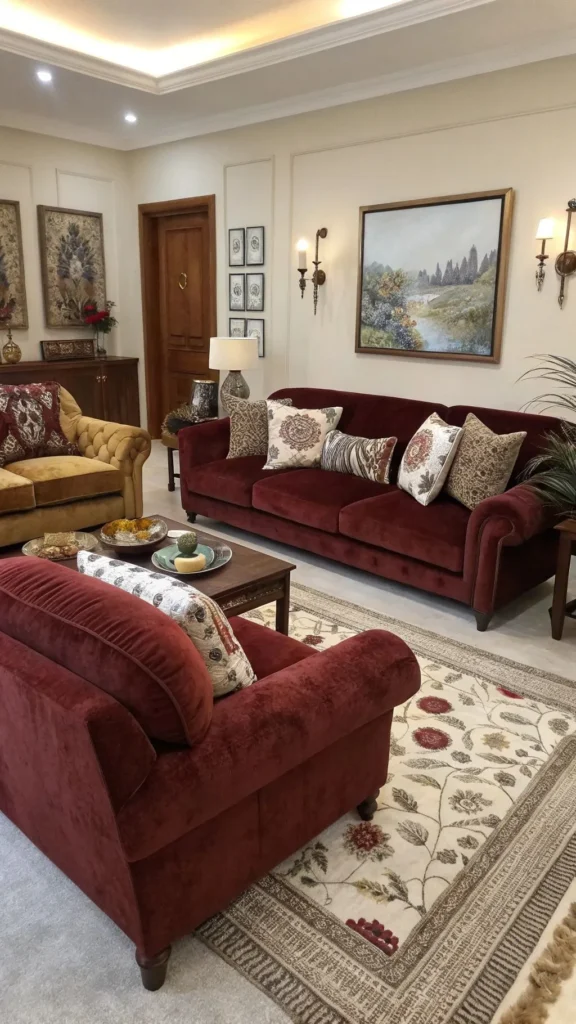
Best Styles and Materials for Big Living Room Rugs
Style Matters, but so does durability. The best material depends on how the room is used. IKEA notes that rugs help define space, reduce noise, and protect surfaces, while wool is durable and naturally repels dust and stains. Wayfair also points out that materials should match cleaning and traffic needs.
Best style options
Neutral rugs
Great for long-term use, calm interiors, and homes that change decor often.
Patterned rugs
Help hide stains, add character, and make large rooms feel less empty.
Layered rugs
A smaller patterned rug on top of a larger neutral one adds depth and polish. House Beautiful recommends layering a patterned area rug over a larger solid base for balance.
Best material options
Wool
Durable, soft, and naturally stain-resistant. Good for premium living rooms.
Cotton
Lighter and often easier to move, though usually less plush.
Flatweave
Practical for busy spaces and easier to keep clean. IKEA highlights flat-woven rugs as especially practical in areas that need easier maintenance.
Washable rugs
Useful for families, pets, and high-traffic homes.
Mini summary
For a large living room, wool and flatweave are strong choices, while layered styling and washable rugs are smart for homes that need beauty plus practicality.
Big Rug Ideas That Work in Real Homes
A large rug should do more than fill space. It should make the room easier to use and nicer to live in. That is why the best ideas are not just decorative. They are functional.
The hotel-style look
Use a large neutral rug that fits under most of the seating area. This creates a calm, expensive look.
The cozy conversation zone
Use a rug that fits the sofa and chairs together so the room feels built for talking, not just watching TV.
The open-plan zone divider
In open layouts, use a big rug to separate the living area from the dining area or walkway. IKEA specifically highlights rugs as a way to define zones in open spaces.
The layered designer look
Place a smaller pattern on a larger base rug to add depth and personality. This is especially effective in rooms that need texture without visual clutter.
The minimalist oversized look
Use one large rug, simple furniture, and very few accessories. This makes the room feel wide, clean, and modern.
Mini summary
The best big rug ideas solve a layout problem first and a style problem second. That is what makes them feel professional.
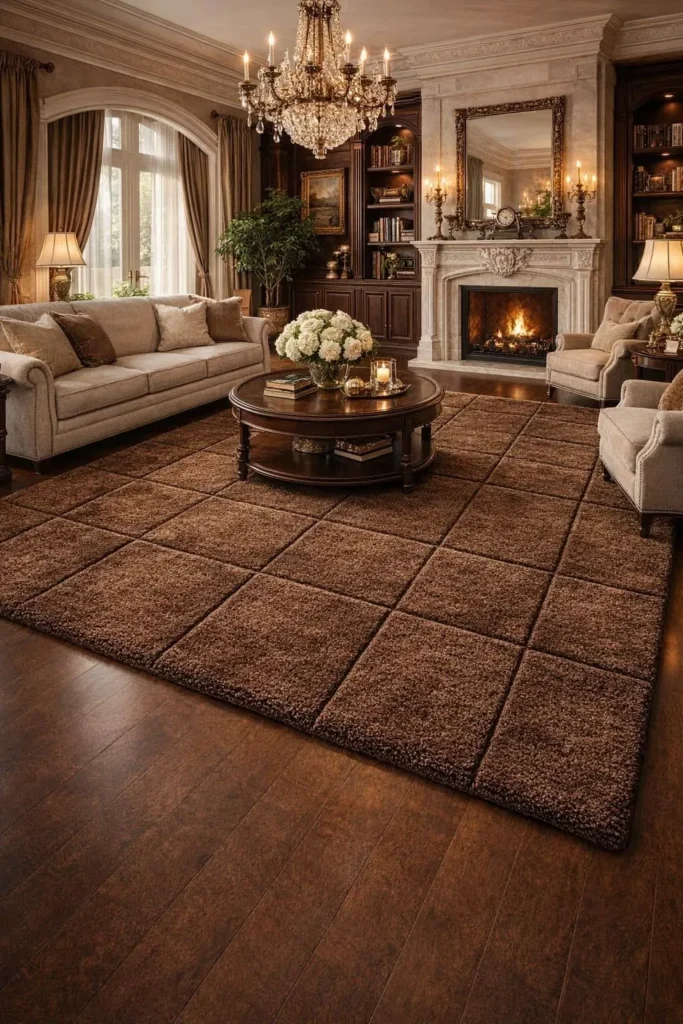
Budget-Friendly vs Premium Big Rugs
Big rugs can be a major purchase, so it helps to think in terms of long-term value. Wayfair’s buying guidance recommends considering budget, size, placement, material, and care together rather than shopping by style alone.
Budget-friendly options
- Flatweave rugs
- Washable rugs
- Synthetic blends
- Simple neutral styles
These are smart when you want a big visual impact without a premium price tag. They are also easier to replace if your style changes.
Premium options
- Wool Rugs
- Handwoven rugs
- Large-scale designer patterns
- Extra-large luxury sizes like 9×12 and 10×14+
Premium rugs often bring better texture, more depth, and a richer overall look. Wool is especially strong for durability and comfort.
Budget decision rule
Spend more on the size and material if the rug is going into a high-use room. Spend less on trendy colors if you expect the room style to change later.
Mini summary
A budget rug can still look high-end if the size is right. A premium rug only works well if the size and layout are also correct.
Smart Trends for 2026
The strongest rug trends right now are not random styles. They are practical design moves: oversized rugs, layered rugs, bold textures, and zone-making in open spaces. Recent trend coverage highlights layering different pile heights, mixing printed and neutral rugs, and using rugs to anchor the whole room.
Trends worth using
- Oversized rugs for a more finished, expensive look
- Layered rugs for depth and personality
- Natural textures like wool and flatweave
- Open-plan zoning using one large rug to define the living area
Trend to use carefully
Highly busy patterns can be beautiful, but they work best when the rest of the room is calm. Layered styling can help balance a bold rug so the room does not feel too loud.
Mini summary
The biggest trend is not just a style. It is a scale. Bigger rugs, clearer zones, and more intentional layouts are what make modern living rooms feel current.
Common Mistakes to Avoid
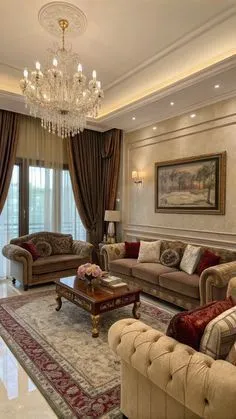
Most rug mistakes are sizing mistakes. The room may have a beautiful rug, but if the scale is wrong, the entire space feels off. That is why many guides focus so heavily on placement, proportion, and perimeter space.
The biggest mistakes
- Buying too small
This makes the room feel disconnected. - Ignoring furniture placement
The rug should support the sofa and chairs, not float in the middle. - Forgetting the walkway space
A rug should not block the natural path through the room. - Choosing room size instead of seating size
The layout matters more than the bare floor dimensions. - Not testing the size first
Painter’s tape can save you from a costly mistake.
Mini summary
The most expensive rug mistake is usually the simplest one: choosing a size that is too small for the furniture.
Expert Tips Most People Ignore
These are the small decisions that make a rug look professionally chosen instead of randomly bought. Many of them come straight from design guidance, but shoppers often skip them.
- Choose the largest rug that still fits gracefully.
- Make sure the rug is longer than the sofa when possible.
- Let the front legs of the sofa and chairs sit on the rug.
- Use a large rug to define the living zone in open-plan homes.
- Layer rugs when a room needs more texture or visual depth.
- Use wool for softness and durability in a premium room.
Mini summary
The best rug choices are rarely about trends alone. They come from proportion, placement, and how the room is actually used.
Maintenance and Long-Term Value
A big rug is an investment, so care matters. IKEA recommends regular vacuuming to keep dirt from damaging fibers, and Wayfair suggests deep cleaning area rugs at least once a year, along with spot cleaning as needed.
Care basics
- Vacuum regularly.
- Blot spills quickly.
- Follow the material’s care label.
- Rotate the rug occasionally if one side gets more sunlight or traffic.
- Use a rug pad for comfort and stability.
Best care choice by material
- Wool: durable and long-lasting, but still needs proper care.
- Washable rugs: good for easy cleaning in family homes.
- Flatweave rugs: practical and easier to maintain in busy rooms.
Mini summary
The most useful rug is the one that you can actually keep looking good. Easy cleaning and the right material make the rug a better long-term buy.
FAQs: Big Rugs for Living Room
For many living rooms, 8×10 is the safest standard choice, while 9×12 works better in larger rooms and more spacious seating layouts.
Yes, at least the front legs of the sofa and chairs should usually sit on the rug so the furniture feels connected.
Usually, yes. Design guides often recommend choosing the largest rug that still fits the room elegantly, because a too-small rug can break the visual flow.
A sectional usually needs 8×10 at minimum, but 9×12 is often the better choice for balance and coverage.
A common guideline is to leave about a foot of bare floor around the perimeter when the room allows it.
Conclusion
The best big rugs for living room spaces do one job above all: they make the room feel finished. When the rug matches the Seating Layout, supports the furniture, and leaves the right breathing room, the whole space looks calmer, larger, and more polished. That is why the winning choice is usually not the smallest acceptable rug, but the largest one that still fits the room beautifully.
