
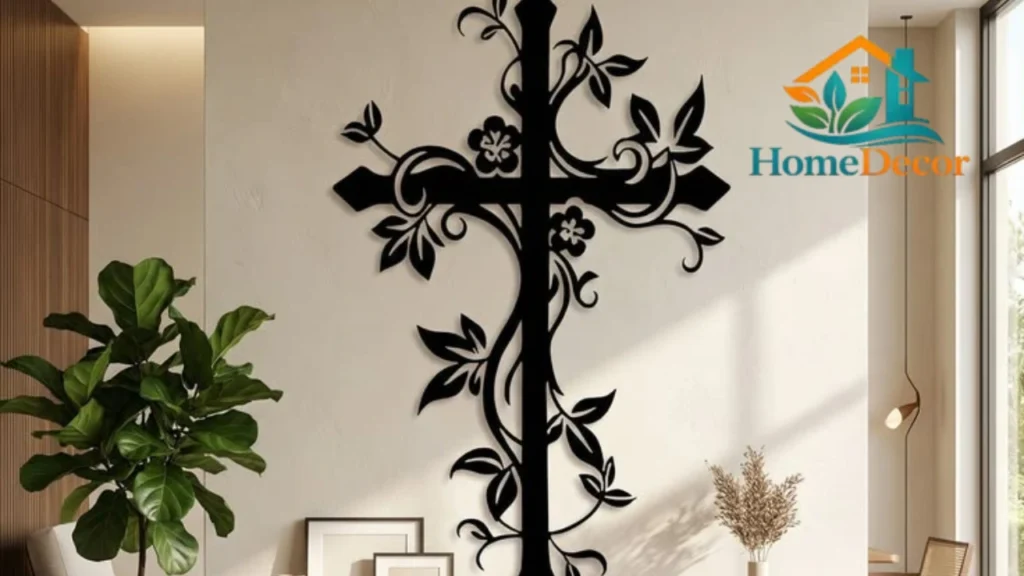
Cross Wall Decor
Cross Wall Decor is one of those design choices that can feel deeply personal and still look stylish in a modern home. That is a big reason it keeps showing up in current inspiration pages and marketplace best sellers: people use it as faith-based wall art, as a meaningful gift, or simply as a clean decorative shape that works in rustic, modern, farmhouse, and minimalist interiors.
The challenge is that most buyers do not know where to start. Should you choose wood or metal? Should it go above a sofa, near an entryway table, or in a bedroom? This guide answers those questions in a simple, practical way so you can choose the right style, place it correctly, and avoid common decorating mistakes. Guidance on centered placement, spacing, and furniture balance matters a lot here, because wall art that is hung too high or arranged too loosely can feel disconnected from the room.
What Is Cross Wall Decor?
Cross wall decor refers to decorative crosses mounted on a wall for visual, symbolic, or mixed-purpose styling. It can be a single carved wooden cross, a sleek metal cross, a colorful ceramic piece, or a full cross gallery wall that mixes shapes, materials, photos, and scripture. Current trend pages and product listings show that the most common formats today include rustic wood, modern metal, typography-based crosses, mixed-material pieces, and DIY-friendly designs.
In design terms, the cross shape works because it has strong visual balance. It creates vertical and horizontal tension at the same time, which makes it easy to use as a focal point. In practical home styling, that means it can feel calm, centered, and intentional even when the room is simple. That is one reason you see it used in living rooms, hallways, bedrooms, nurseries, and entryways.
Mini summary:
Cross wall decor is not only about religion. It can also function as meaningful wall art, a giftable accent, and a strong focal point for many interior styles.
Why Cross Wall Decor Matters in 2026
Cross decor is still relevant because today’s interiors favor meaning, texture, and personal storytelling. Instead of filling walls with random decoration, many homeowners want pieces that feel intentional and emotionally grounded. That aligns well with cross-wall decor, especially when it is paired with natural materials, neutral palettes, or thoughtful gallery layouts. Current inspiration content strongly reflects this direction through rustic, minimalist, modern metal, and gallery-wall approaches.
It also fits the way people shop now. Marketplace results show demand across budget and premium tiers, from low-cost mass-market pieces to handcrafted and designer listings. That tells us the keyword has both informational and commercial intent, which is ideal for a pillar page.
What users are really looking for
Most searchers are trying to solve one of these problems:
- They want a cross that matches their room style.
- They want to know where to hang it.
- They want to compare wood, metal, and mixed-material options.
- They want a faith-friendly design that still feels modern.
- They want a gallery wall idea that does not look cluttered.
Mini summary:
In 2026, cross-wall decor works because it combines meaning, simplicity, and strong visual structure. That makes it useful for both decorative and faith-based buyers.
Main Types of Cross Wall Decor
1. Wooden Cross Wall Decor
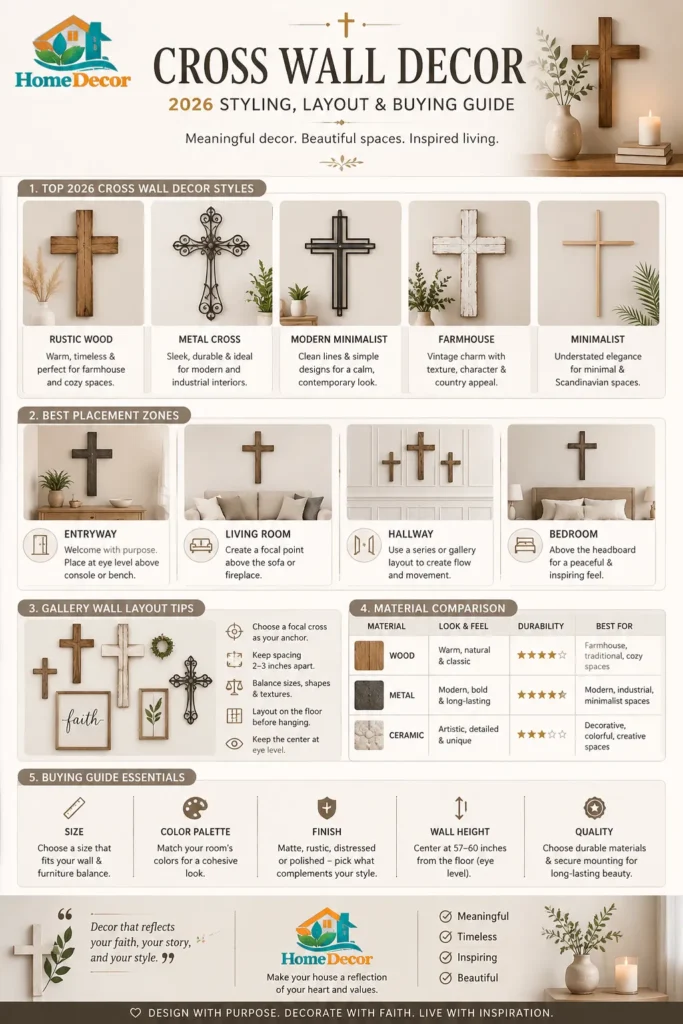
Wood is the most familiar option and often the warmest-looking one. It fits farmhouse, rustic, traditional, country, and cozy interiors. Current inspiration and shopping pages repeatedly highlight wooden crosses because they feel welcoming and easy to style.
2. Metal Cross Wall Art
Metal crosses are a strong choice for modern, industrial, or minimalist rooms. Black, gold, silver, and bronze finishes can make the piece feel sharper and more contemporary. Current guides specifically point to metal cross art as one of the most flexible modern options.
3. Ceramic, Resin, or Mixed-Material Crosses
These are better when you want color, pattern, or a more artistic look. They are especially useful in rooms where the cross should feel like decor first and symbol second. Mixed-material approaches also work well when building a larger display.
4. Typography or Scripture Crosses
These combine a cross shape with text, blessing phrases, or inspirational wording. Marketplace results show clear demand for these pieces, especially in entryways, offices, and family spaces.
5. Cross Gallery Walls
This is one of the strongest growth formats because it lets you mix sizes, finishes, and companion art. Several current guides push gallery walls as a top styling approach, and design sources on wall art also recommend planning spacing, focal points, and balance carefully.
Comparison Table: Best Cross Wall Decor Materials
| Material | Best For | Style Feel | Durability | Best Room |
| Wood | Farmhouse, rustic, traditional homes | Warm, classic, organic | Good | Living room, entryway, bedroom |
| Metal | Modern, industrial, minimalist interiors | Clean, bold, sleek | Very good | Hallway, office, living room |
| Ceramic / Resin | Artistic, colorful, decorative spaces | Expressive, detailed | Fair to good | Bedroom, accent wall |
| Fabric / Textile | Soft, handmade, nursery-friendly decor | Gentle, textural, cozy | Fair | Nursery, bedroom, craft room |
| Mixed Materials | Statement walls and gallery walls | Layered, custom, visual depth | Varies | Entryway, staircase wall, large walls |
Wood and metal dominate current inspiration and shopping content, while textile and mixed-material pieces appear as more creative niche options.
How to Choose the Right Cross Wall Decor
The best cross is not always the biggest one. It is the one that matches your room, wall size, Furniture, and purpose. A small cross can look elegant in a hallway. A large statement cross can anchor a sofa wall. A cluster of smaller pieces can create a story-driven gallery wall. Planning around scale and balance matters more than buying the first attractive piece you see.
Use this simple decision method:
- Decide whether the cross should feel rustic, modern, traditional, or artistic.
- Match the material to the room’s finish and color palette.
- Pick a size based on the wall width and the furniture below it.
- Choose a single statement piece or a grouped arrangement.
- Check hanging height before drilling or using adhesive.
Mini summary:
When in doubt, choose a cross that fits the room’s scale and mood first. Style comes second.
Cross Wall Decor Ideas for Every Room
Living Room
The living room is usually the best place for a large focal cross or a curated cluster. Place the cross above a sofa, fireplace mantel, or feature wall so it becomes part of the room’s main visual line. Many current articles recommend using a large central piece with smaller supporting elements around it.
Entryway
Entryways work well for a single cross because the space is narrow and highly visible. A wall cross near a console table, mirror, or small shelf creates an immediate sense of welcome. This is also one of the most practical places for scripture-based or blessing-themed cross decor.
Bedroom
The bedroom should feel calm, so choose a simple shape and a softer finish. Wooden, textile, or light metal crosses usually work best. Avoid overcrowding the wall; one well-placed cross is often enough.
Nursery or Child’s Room
Lightweight wooden, pastel, or fabric crosses are the safest and softest-looking options here. In a nursery, the goal is comfort, not visual weight. Keep the arrangement clean and secure.
Hallway
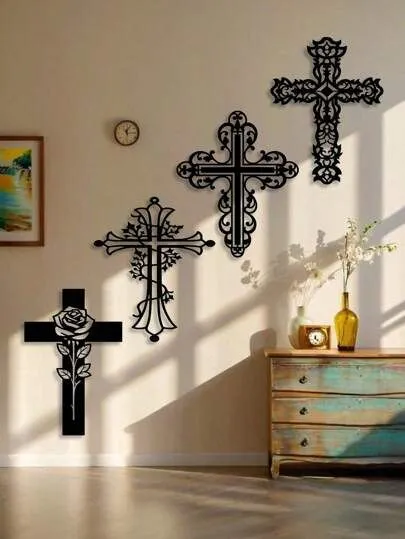
Hallways are ideal for repeated cross arrangements or a staggered gallery wall. These long walls benefit from rhythm and movement, so you can use a series of small crosses rather than one oversized item.
Office or Study
A simple cross can make an office feel grounded without distracting from work. Metal or neutral wood pieces are usually the cleanest choices here. Typography-based crosses can also work if you want a more motivational tone.
Table: Room-by-Room Cross Wall Decor Guide
| Room | Best Style | Best Size | Best Placement | What to Avoid |
| Living room | Large wood or metal | Medium to large | Above the sofa or mantel | Tiny pieces that get lost |
| Entryway | Single statement cross | Small to medium | Eye level over console | Overcrowded displays |
| Bedroom | Soft wood or textile | Small to medium | Above the headboard or dresser | Heavy, busy designs |
| Nursery | Lightweight wood/fabric | Small | Above the changing area or crib wall, securely mounted | Sharp edges, heavy metal |
| Hallway | Cluster or repeated crosses | Small | Staggered vertical/horizontal rhythm | Random spacing |
| Office | Minimal metal or wood | Small to medium | Above the desk or the side wall | Loud colors that distract |
Placement matters because wall art can look disconnected when it is hung too high, too low, or too far from furniture. Expert guidance on wall art consistently recommends centered eye-level hanging for standalone pieces and keeping art close enough to furniture to feel anchored.
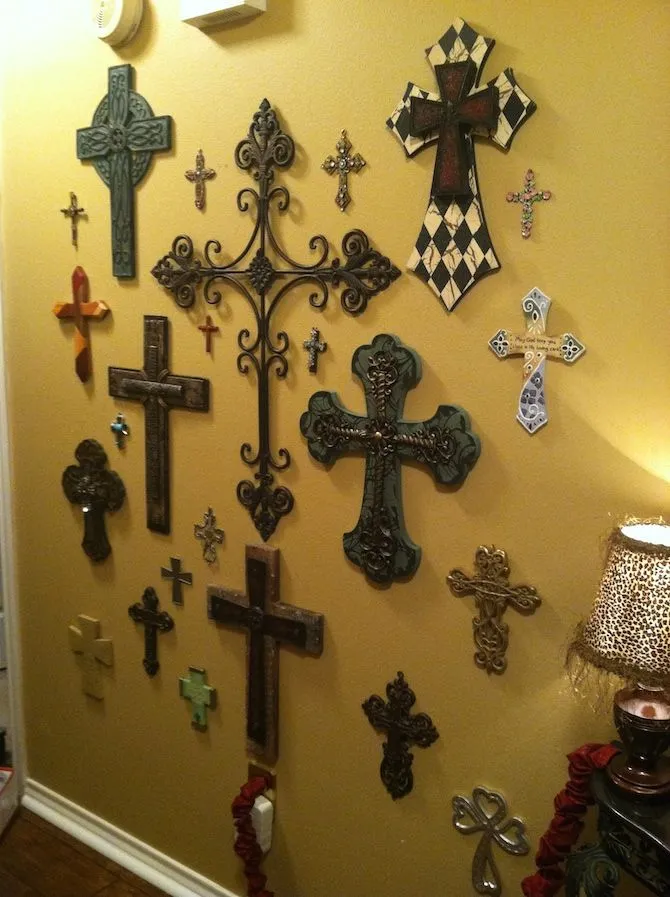
How to Style a Cross Gallery Wall
A cross gallery wall is one of the strongest ways to make the decor feel modern and layered. It lets you mix faith, family, design, and personal memory in one arrangement. That is why several current guides highlight gallery walls as the most flexible format.
Step-by-step layout process
- Choose one anchor cross for the center or upper-middle point.
- Add supporting pieces in two to five smaller elements.
- Keep spacing consistent so the wall feels intentional.
- Mix finishes only if the colors still belong together.
- Test the layout on the floor or with paper templates before hanging.
Good gallery wall combinations
- Cross + framed family photo
- Cross + scripture print
- Cross + small mirror
- Cross + botanical art
- Cross + neutral abstract pieces
What makes a gallery wall feel expensive
A gallery wall looks more polished when it has one clear focal point, a repeating visual rhythm, and controlled spacing. Design guidance consistently warns against random layout, uneven gaps, and hanging pieces too high.
Mini summary:
A good cross gallery wall is not about filling space. It is about creating a focused arrangement with visual balance and meaning.
Placement Tips for Cross Wall Decor
Current design guidance for wall art is very consistent: the center of standalone art should sit around eye level, often near the 57 to 60 inch range, while art above furniture should stay close to the furniture so it feels connected. Gallery walls and corner arrangements allow more flexibility, but the same principles of balance and spacing still apply.
Practical placement rules
- Standalone cross: place the center near 57–60 inches from the floor.
- Above a sofa: keep the piece visually connected to the furniture below.
- Above a console: leave a modest gap so the display feels intentional.
- Gallery wall: keep a consistent gap between pieces rather than scattering them randomly.
- Stairways and hallways: follow the direction of the architecture instead of forcing a centered layout.
Easy spacing tip
For grouped wall art, a consistent gap of about two to three inches is often recommended by design sources. That helps the display feel unified rather than fragmented.
Symbolic Meaning of Cross Wall Decor
For many people, the cross carries a spiritual or faith-based meaning. For others, it is a symbol of comfort, memory, hope, or personal identity. Some current decor Aticles Explicitly frame cross decor as emotionally grounding and spiritually meaningful, while also treating it as a design object.
That dual purpose is important. A cross on the wall can be both beautiful and meaningful, which is why it works so well in homes where design and belief are meant to coexist naturally. The most effective pages on this topic do not overcomplicate the symbolism. They simply help the reader choose a version that feels authentic to their home.
Mini summary:
Cross-wall decor is powerful because it can carry meaning without losing style. That makes it different from ordinary wall art.
Budget Guide: What Cross Wall Decor Costs
Marketplace evidence shows a wide price range. On major retail platforms, some wall crosses appear at entry-level pricing, while handcrafted or specialty pieces can cost much more. For example, Walmart listings show cross wall decor from around $6.29, while Etsy and other handmade marketplaces include much higher-priced options.
Typical price bands
- Budget: simple mass-market crosses, usually lower-priced and lightweight
- Mid-range: better finishes, stronger materials, more distinctive design
- Premium: handcrafted, artisan, or larger statement pieces
- Luxury: custom-made or brand-led decor with unique materials and finishes
What affects the price
- Material
- Size
- Handcrafted details
- Brand name
- Weight and mounting quality
- Whether the piece is a single cross or a full set
Pros and Cons of Cross Wall Decor
Pros
- Works in both modern and traditional rooms
- Can be symbolic and decorative at the same time
- Easy to scale from a small accent to a large statement wall
- Available in wood, metal, ceramic, textile, and mixed materials
- Can fit standalone or gallery-wall layouts
Cons
- Can look too heavy if the wall is crowded
- Can feel mismatched if the finish does not suit the room
- Heavy pieces need proper mounting hardware
- Some styles may read as too religious for buyers who want only geometric decor
- Cheap-looking finishes can reduce the overall look of the room
Common Buyer Mistakes to Avoid
- Buying without measuring the wall.
A cross that looks good online may be too small for a large wall or too large for a narrow hallway. - Hanging it too high.
Art that floats too high can make a room feel awkward. Centering at eye level usually works better. - Using the wrong material for the room.
For example, choose moisture-resistant or durable materials in places where conditions are less controlled. - Mixing too many styles at once.
Rustic, modern, colorful, and ornate pieces can work together only if there is a clear visual link. - Skipping the layout test.
Paper templates or floor planning can save you from drilling holes in the wrong place.
Care and Maintenance Tips
Wood
Dust regularly and keep wood away from prolonged moisture. A dry cloth is usually enough for maintenance.
Metal
Wipe with a soft cloth and keep an eye on moisture, especially on painted or coated finishes.
Ceramic or Resin
Handle carefully and avoid impact. These materials can look beautiful but may chip more easily than wood or metal.
Fabric or Textile
Use light cleaning and keep away from strong humidity. These are best in gentle indoor settings.
Mounting
Always match the hardware to the weight of the piece. Lightweight decor may work with safe adhesive solutions, while heavier items need anchors or proper Wall Fasteners.
Who Should Buy Cross Wall Decor?
Cross wall decor is a strong choice for people who want a home that feels personal, calm, or faith-inspired without looking overly formal. It is also a good fit for shoppers who want wall art with meaning rather than a purely abstract piece.
Best buyers
- Faith-based homeowners
- Gift shoppers
- Rustic and farmhouse decor lovers
- Minimalist buyers who want a simple shape
- Gallery-wall decorators
- Entryway and living room stylists
Who should avoid it
- Anyone who wants purely non-symbolic decor
- Buyers who do not want religious or spiritual associations
- People decorating spaces where a cross would feel out of place culturally or personally
Future Trends in Cross Wall Decor
The next wave of cross-wall decor will likely keep moving in three directions: more minimalist silhouettes, more gallery-wall combinations, and more mixed-material or personalized pieces. Current content already points in that direction with modern metal, rustic wood, scripture typography, and DIY formats.
Another likely trend is smarter placement. As more homeowners become aware of art-hanging rules, they are less likely to place wall pieces too high or too far from furniture. That means future content should keep emphasizing practical layout over vague inspiration.
People Also Ask
Wood is best for warm, rustic, and traditional looks. Metal is best for modern and minimalist rooms. If you want softness or color, textile and mixed-material pieces are good alternatives.
A standalone cross usually looks best when its center sits around eye level, often near 57 to 60 inches from the floor. Above furniture, keep it visually connected to the piece below instead of floating too high.
Yes. A simple metal or clean-lined wooden cross can fit beautifully in a modern room, especially when paired with neutral colors and minimal framing.
No. For many buyers, it is religious, but it can also function as meaningful wall art or a geometric focal point. The style you choose determines how strongly it reads as symbolic.
Choose one anchor piece, keep the spacing consistent, and use a clear visual rhythm. Planning on the floor first helps a lot.
Conclusion
Cross wall decor works because it is simple, Meaningful, and flexible. It can act as a spiritual symbol, a decorative focal point, or the centerpiece of a gallery wall. The best results come from matching the material to the room, choosing the right size, and hanging it with proper balance and spacing. That is where most current competitor pages are still too shallow, and that is the opening this pillar article can own.
For readers who want a warm, faith-friendly, and visually clean home, cross wall decor is a strong choice. For anyone building a gallery wall, the key is to treat the cross as the anchor and build the rest of the layout around it.
