
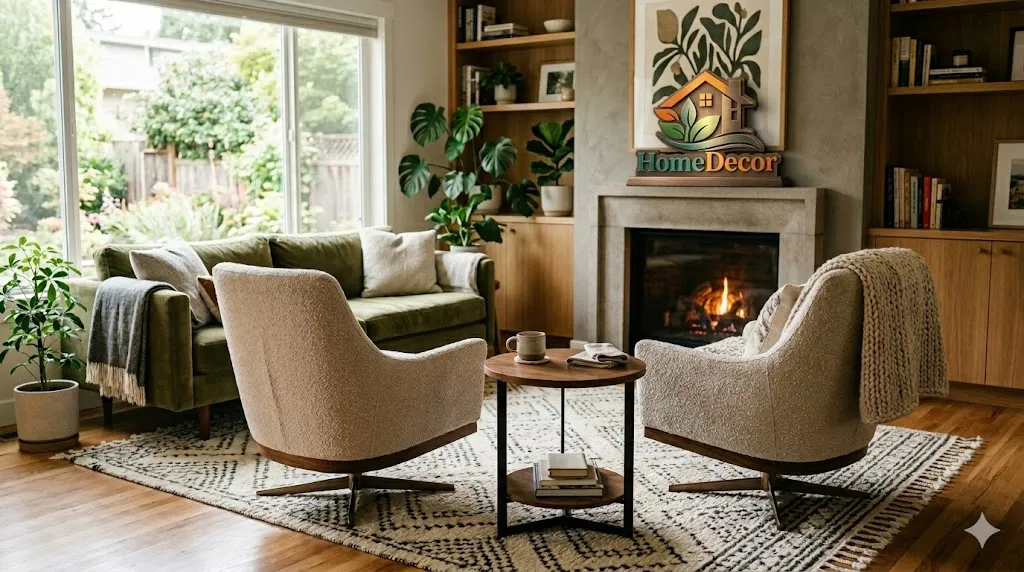
Introduction
Swivel Chairs Living Room designs keep rising in popularity for one simple reason: they make everyday life easier. A good swivel chair does more than look attractive in a photo. It lets you turn toward the TV, rotate into a conversation, angle toward a window, or settle into a reading nook without dragging furniture across the floor. That kind of adaptability is exactly why swivel seating keeps showing up in open-plan homes, family rooms, compact apartments, and layered sitting areas.
In 2026, the strongest living room designs are not only stylish. They are functional, fluid, and made for real routines. People want rooms that can shift throughout the day without feeling cluttered or stiff. Swivel chairs fit that need beautifully because they support movement, flexibility, and easy social interaction while still adding shape, texture, and personality to a room.
What many articles miss is the practical side. A swivel chair may look perfect online, but the real question is whether it fits your room, supports your body, leaves enough circulation space, and suits the way you actually live. A chair can be beautiful and still fail if it blocks a walkway, feels too deep, or overwhelms a small corner. That is why this guide goes beyond inspiration and focuses on the decisions that matter most.
Here you will find clear guidance on what swivel chairs are, why they work so well in living rooms, which styles suit different spaces, how to measure before buying, how to place them, what sizes work best, how they compare with other seating, and how to keep them looking and feeling good over time. The goal is simple: help you choose a swivel chair that improves the room, not just decorates it.
What Are Swivel Chairs?
A swivel chair is a chair that turns on a rotating base, usually with a full 360-degree motion. In a living room, this means the seat can face different zones without being physically moved. That small mechanical detail creates a big design advantage. One chair can support multiple activities and multiple focal points, which is especially valuable in rooms that do more than one job.
A swivel chair is useful because it combines mobility, comfort, and spatial efficiency. Instead of treating seating as fixed and static, it allows the user to shift naturally from one direction to another. That makes it easier to watch television, hold a conversation, look toward natural light, or join an activity elsewhere in the room.
In practical terms, a swivel chair gives your living room more range. It expands how the room works without increasing visual clutter. That is why it has become such a strong choice for homes that value flexibility, comfort, and a clean, flowing layout.
Why Swivel Chairs Work So Well in Living Rooms
Swivel chairs in living room layouts perform so well because they solve everyday problems that fixed chairs cannot handle as gracefully. A fixed accent chair is useful, but it stays locked into one orientation. A swivel chair, on the other hand, adapts. It can turn toward a sofa during conversation, shift toward the television during movie time, or face the window when the room needs a calmer mood.
This flexibility is Especially valuable in open-concept homes. When the living room shares space with the kitchen, dining area, or entry zone, the furniture needs to support multiple directions and multiple functions. Swivel chairs help the room feel connected rather than fragmented. They make it easier for people to participate in whatever is happening without constantly rearranging furniture.
They also create a more social atmosphere. A swivel chair feels engaged. It is not a chair that sits there passively; it becomes part of the room’s activity. That quality matters in family rooms and guest spaces, where the seating should encourage interaction rather than isolate it.
Another reason these chairs work well is that they make corners more useful. A dead corner can become a reading corner, a window seat, or a quiet retreat when a swivel chair is added with a lamp and a side table. In that sense, the chair does more than fill space. It gives space a purpose.
Best Swivel Chair Styles for Living Rooms
The right swivel chair style depends on room size, visual tone, and how formal or relaxed you want the space to feel. Some designs read as soft and inviting. Others feel tailored and architectural. The best choice is the one that complements your existing furniture while solving a real layout need.
| Style | Best for | Look and feel | Watch out for |
| Barrel swivel chair | Most living rooms | Cozy, rounded, welcoming | Can feel visually heavy in tiny rooms |
| Bouclé swivel chair | Modern and transitional interiors | Soft texture, calm mood, warm surface | Light fabrics need more upkeep |
| Leather swivel chair | Classic, refined, or upscale rooms | Structured, polished, enduring | Dark leather can feel dense in dim spaces |
| Compact swivel chair | Apartments and small sitting areas | Light visual footprint, efficient scale | May sacrifice a deeply lounge-like feel |
| Oversized swivel lounge chair | Large rooms and reading corners | Deep, relaxed, inviting comfort | Needs generous clearance |
A useful way to choose is to think about the job the chair must do. A barrel swivel chair feels naturally social. A bouclé version adds softness and quiet texture. A leather swivel chair brings definition and contrast. A compact chair protects circulation in a tight room. An oversized lounge chair creates a destination seat that invites long, comfortable sitting.
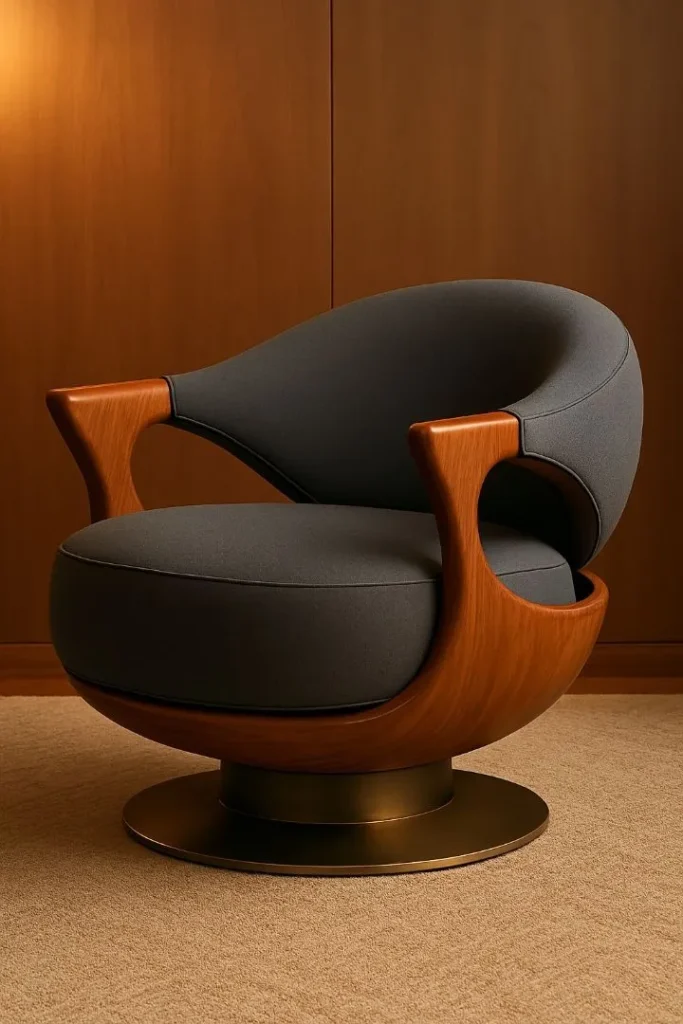
Barrel swivel chair
A barrel swivel chair is one of the easiest styles to live with because the curved silhouette feels friendly and supportive. The rounded shape softens the room visually and makes the chair feel approachable from multiple angles. It works especially well in conversation zones, reading corners, and living rooms that need a little warmth without overcomplicating the layout.
Barrel forms also tend to blur the line between modern and traditional. That makes them highly versatile. They can look clean and contemporary in a minimal room, or cozy and classic in a layered interior with rugs, wood, and soft textiles.
Bouclé swivel chair
Bouclé swivel chairs remain popular because they add tactile richness without demanding attention. The texture makes the room feel more layered and intentional. A bouclé chair can warm up a sleek room, soften sharp lines, and introduce visual depth even when the color palette stays neutral.
This style is especially effective in modern living rooms, tonal interiors, and spaces that rely on calm, elevated materials. It gives the room a soft-edged luxury feel. Just remember that lighter bouclé finishes may require more care if the room has heavy daily use.
Leather swivel chair
Leather is a strong choice when you want the chair to feel polished and grounded. It introduces structure, depth, and a slightly more tailored presence. Leather works beautifully in transitional, traditional, industrial, and masculine-leaning spaces, especially when paired with fabric sofas, woven rugs, or softer curtains.
A leather swivel chair can also create useful contrast in a room that already contains many soft textures. That balance prevents the space from feeling too fluffy or overdecorated. It can make the whole layout feel more composed.
Compact swivel chair
A compact swivel chair is often the smartest option in smaller living rooms, Apartments, and secondary seating corners. The reduced footprint helps preserve movement while still giving you a flexible extra seat. Compact styles are ideal when the room already contains a sofa, coffee table, and major circulation path.
The key benefit is visual restraint. A smaller chair can be present without overpowering the room. It adds function without making the floor plan feel crowded. This is especially important in rooms where every inch matters.
Oversized swivel lounge chair
An oversized swivel lounge chair is designed for comfort first. It creates a deep, inviting seat that feels luxurious and relaxed. This is the kind of chair people naturally gravitate toward for reading, lounging, or long evening conversations. It can anchor a corner or help define a more generous sitting area.
The trade-off is scale. Oversized chairs need breathing room. They work best in larger rooms, spacious corners, or areas where the rest of the furniture is equally substantial. In the right space, though, they become one of the most enjoyable pieces in the room.
How to Choose the Right Swivel Chair for Your Living Room
The smartest purchase is not the one with the prettiest silhouette alone. It is the one that fits your floor plan, your comfort needs, your lifestyle, and the room’s visual balance. Choosing well means thinking in layers: dimensions, function, upholstery, swivel mechanism, and overall style.
Measure the room before choosing the chair
Always begin with measurements. A swivel chair needs room not only to sit, but also to turn. That turning motion matters because the chair should rotate freely without bumping a wall, coffee table, or nearby sofa.
In a living room, the layout should preserve enough circulation space so people can move comfortably through the room. It also helps to keep the distance between a seating area and the coffee table practical, rather than tight or awkward. A well-planned room feels open, easy, and calm. A poorly measured room feels cramped, even when the furniture itself is attractive.
For compact rooms, lower-profile chairs usually work better than bulky silhouettes. The goal is not to fill every corner. The goal is to support movement while still making the room feel complete.
Decide what the chair is supposed to do
A swivel chair should solve a problem, not just fill an empty patch of floor. Ask what the chair needs to accomplish in your room.
If it is for television viewing, the chair should turn smoothly and support a comfortable semi-reclined sitting posture. If it is for reading, it should hold the body well enough for longer sitting sessions. If it is for conversation, the shape should feel inviting and social rather than overly dominant. If it is for a busy family room, the upholstery should be durable and easy to maintain.
Defining the chair’s role makes everything else easier. Once you know the purpose, the style and size become much easier to narrow down.
Check comfort, not only appearance
A living room chair should feel good as soon as you sit down, not only after you admire it from across the room. Comfort is about support, proportion, and how the chair holds the body over time.
A strong swivel chair should allow your feet to rest naturally, support your thighs well, and avoid pressure behind the knees. The back should feel supportive without forcing you into an awkward posture. The seat should be deep enough to relax, but not so deep that shorter users feel swallowed by it.
Try to imagine using the chair for more than five minutes. If it already feels awkward in the first few moments, it will probably become annoying later. A good living room chair should welcome the body rather than demand constant adjustment.
Choose upholstery that fits your lifestyle
Fabric choice matters as much as silhouette. The most beautiful chair in the world will not be satisfying if it is difficult to live with.
For high-traffic homes, performance fabrics and durable weaves are smart options because they tend to handle daily wear better. They are usually easier to clean, which matters when the room is used often. If the room is quieter and more decorative, bouclé, velvet, or leather may be great choices because they elevate the visual quality of the space.
The real question is not what looks trendy. It is what works for your life. A family room with children and pets calls for practicality. A formal sitting room may allow for more delicate finishes. A guest corner may support a more decorative textile. Honesty about how the room functions will lead to a better long-term result.
Inspect the swivel mechanism
The swivel function is the entire point of the chair, so the motion should feel smooth, stable, and quiet. A high-quality swivel base should turn easily without wobble, harsh noise, or a loose sensation. The chair should feel grounded when you sit in it and fluid when you rotate.
This detail is often overlooked when people shop by image alone. Yet the base determines whether the chair feels like a daily essential or a gimmick. A well-built swivel mechanism supports repeated use and makes the chair feel more premium overall.
Match the chair to the room’s energy, not just the current trend
The best chair works with the sofa, rug, lighting, coffee table, and wall finishes. It should feel visually connected to the room, even if it does not match every finish exactly.
In a modern room, a curved swivel chair may soften a linear sectional. In a more traditional room, a leather swivel chair may introduce structure. In a neutral room, a textured chair may add welcome depth. Good design often comes from contrast, balance, and proportion rather than perfect matching.
That is why a swivel chair should be considered part of the whole composition. It is not a lone object. It is one piece of a larger spatial story.
Swivel Chair Placement Ideas for Living Rooms
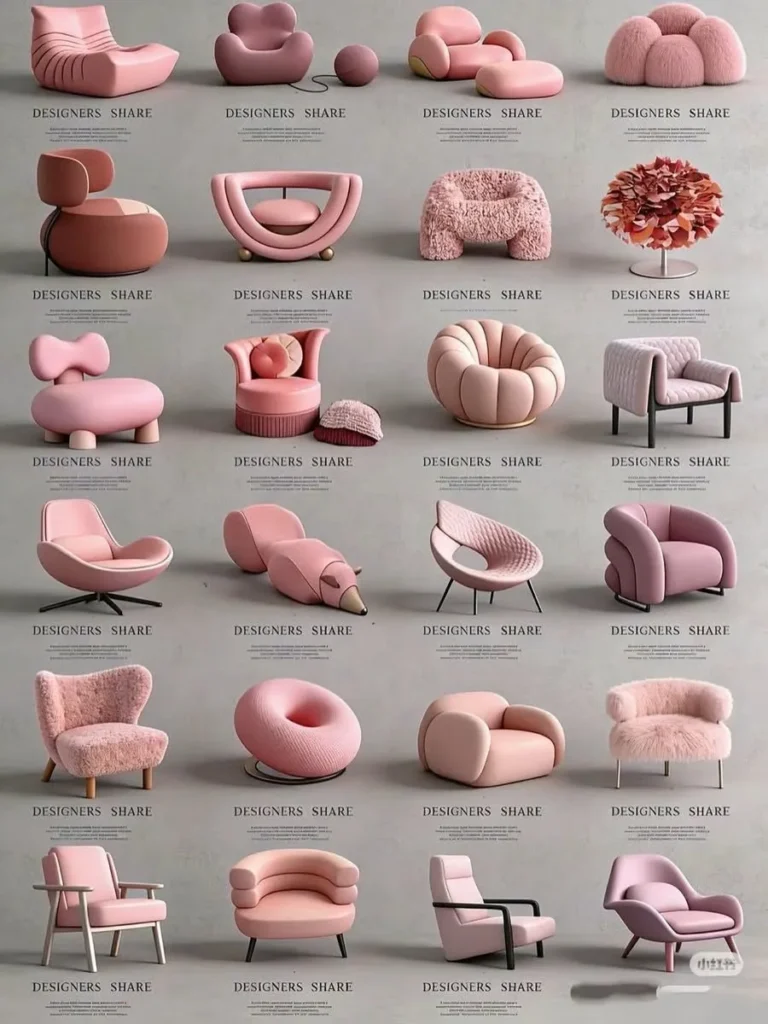
Placement is where many great chairs lose their impact. Even a Beautiful swivel chair can feel wrong if it blocks a walkway, sits too close to another object, or faces the wrong zone. Good placement turns the chair into a useful anchor. Poor placement turns it into visual clutter.
Facing the sofa
This is one of the easiest and most effective arrangements. Placing one or two swivel chairs across from or slightly angled toward the sofa creates a natural conversation area. It encourages people to face each other and interact, which makes the room feel sociable and complete.
This setup works especially well in medium and large rooms. It also supports flexible use because the chairs can turn toward the television or another focal point when needed.
Near a window
A swivel chair by a window makes an excellent reading seat or quiet retreat. During the day, the chair can rotate toward daylight. In the evening, it can turn back toward the main seating group. That makes it one of the most versatile positions in the room.
Window placement also adds a sense of calm. It gives the chair a peaceful role in the room rather than making it purely decorative.
In a corner that needs purpose
Many living room corners are visually empty simply because they lack a function. A swivel chair changes that immediately. Add a side table and lamp, and the corner becomes intentional. It can become a reading nook, a phone call corner, or a restful spot to pause.
This is one of the easiest ways to improve room flow and reduce wasted space. Instead of leaving an awkward gap, you create a usable zone.
Near a fireplace
Swivel chairs are especially effective around fireplaces because they can turn toward the fire, toward the TV, or toward the main conversation area. This is extremely useful in rooms with more than one focal point. Rather than choosing one orientation and losing the rest, the chair supports all of them.
That makes the seating arrangement feel adaptable. The room can change mood without changing layout.
In open-plan living rooms
Open-plan homes benefit greatly from swivel chairs because they need furniture that can respond to multiple zones. A swivel chair can face the kitchen during social time, turn toward the sofa during film night, or rotate toward the dining area when conversation spreads through the room.
This flexibility helps the room feel connected. It also helps define zones without making the space feel boxed in. That is one of the strongest reasons swivel chairs remain so relevant in modern interiors.
Swivel Chair Sizing Guide for Living Rooms
Scale matters. A chair that is too large can dominate the room. A chair that is too small can feel weak or undersized. The best size is the one that supports the room’s proportions while leaving enough visual and physical breathing room.
| What to check | Good target | Why it matters |
| Chair width | Around 28–31 inches for compact rooms | Helps prevent crowding |
| Chair depth | Around 28–36 inches overall for small rooms | Supports fit without blocking movement |
| Chair height | Around 28–33 inches overall for compact rooms | Keeps the visual profile light |
| Coffee table gap | 12–18 inches | Makes the layout usable and comfortable |
| Walking path | About 30 inches where possible | Preserves easy circulation |
| Seat comfort | Feet flat, thighs supported, no pressure behind knees | Improves long-term comfort |
These numbers are practical guides, not rigid laws. Bigger rooms can handle deeper chairs and bolder forms. Smaller rooms usually benefit from lower, lighter, more streamlined silhouettes. The important thing is not the exact number alone, but the relationship between the chair and the rest of the room.
A chair should look as though it belongs there. It should not feel squeezed into place or floating too far from the rest of the arrangement.
Swivel Chair vs Fixed Accent Chair vs Recliner
A good living room guide should help readers compare options, not just celebrate one piece of furniture. Swivel chairs, fixed accent chairs, and recliners all solve different problems.
| Feature | Swivel chair | Fixed accent chair | Recliner |
| Movement | Rotates easily | No movement | Reclines, usually forward-facing |
| Best for | Flexible living rooms | Simple or formal layouts | TV rooms and deep lounging |
| Visual impact | Adaptable and contemporary | Stable and decorative | Often heavier and bulkier |
| Space needs | Needs swivel clearance | Easier to place | Needs deeper clearance |
| Everyday convenience | Very high | Moderate | High, but less versatile |
A swivel chair is often the best middle-ground choice. It gives you more motion than a fixed chair and less bulk than many recliners. A fixed accent chair is elegant and simple when the room is more formal. A recliner is excellent for pure lounging, but it can overwhelm the layout faster than a swivel chair.
That is why swivel chairs are often the most balanced solution in modern living rooms. They combine comfort with adaptability, which makes them more useful for daily life.
Budget and Quality Guide
Price matters, but it is only one part of the decision. A lower-cost chair can still work well if the room is lightly used. A premium chair is worth the investment when the piece will be seen, touched, and used every day. The question is not simply how much it costs. It is how well it performs over time.
| Budget level | What you usually get | Best for |
| Budget | Simpler upholstery, basic cushioning, basic base | Guest rooms, lighter-use corners |
| Mid-range | Better foam, better shape, stronger daily comfort | Most living rooms |
| Premium | Richer materials, a more refined base, and more detailing | Main seating zones, visible spaces |
Budget chairs can be smart purchases when the room does not face heavy use. Mid-range chairs are often the sweet spot because they combine comfort, appearance, and value. Premium chairs become worthwhile when the chair is expected to serve as a central design feature and a heavily used seat.
The right choice depends on how visible and how active the chair will be. A statement piece should justify its cost through both beauty and performance.
Pros and Cons of Swivel Chairs in Living Rooms
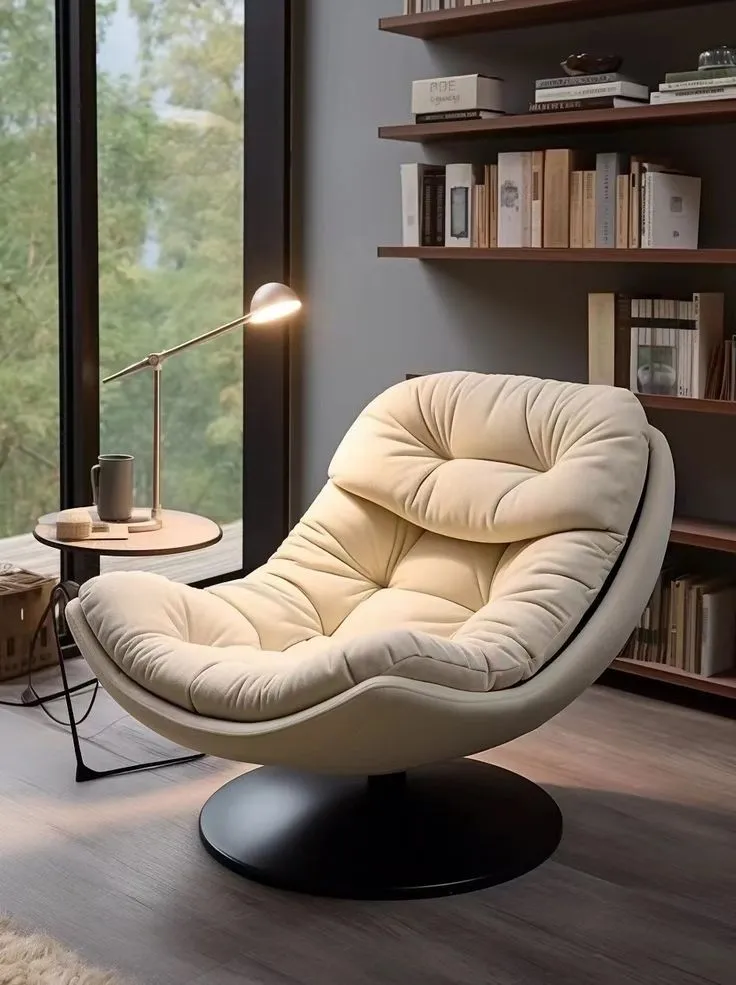
Every furniture type has strengths and trade-offs. Swivel chairs are not an exception.
Pros
Swivel chairs are flexible, practical, and easy to use in multi-functional rooms. They support conversation, television viewing, reading, and general relaxation. They are especially effective in open-plan rooms and corners that need a clearer purpose. They also come in many visual styles, from soft and rounded to sleek and structured.
Cons
Swivel chairs usually need more clearance than fixed chairs. Some models can feel bulky in a small room. Lower-quality swivel mechanisms may feel loose, noisy, or unstable. If the seat depth is wrong, comfort can suffer over time. Those are manageable issues, but they matter.
The ideal chair handles the trade-offs well. That means good proportions, dependable construction, and a style that suits the room’s scale.
Common Mistakes to Avoid
The biggest mistake is choosing by appearance alone. A chair that looks perfect in a styled image may be too large, too deep, or too heavy for your actual room. The second mistake is forgetting swivel clearance. If the chair cannot rotate freely, the main feature becomes a frustration. The third mistake is overlooking lifestyle needs and picking delicate upholstery for a room that gets constant daily use.
Other common problems include matching every finish too closely, which can make the room feel flat, and ignoring the back view of the chair. In a living room, the chair must look good from more than one angle.
A smart purchase protects both beauty and practicality. That balance is what makes the room feel calm and complete.
Care and Maintenance Tips
A swivel chair lasts longer when it is treated as everyday furniture, not just a decorative object. Upholstery care, base care, and basic maintenance all help the chair stay attractive and functional.
Keep the fabric clean by vacuuming regularly. Blot spills quickly rather than rubbing them in. Follow the care instructions that come with the fabric or upholstery. Check the base from time to time to make sure it still turns smoothly. Tighten visible hardware if needed. If one chair gets more use than others, rotate usage patterns where possible so the wear stays more even.
Small habits preserve both the Appearance and the comfort of the chair. That matters especially in rooms where the piece is used daily.
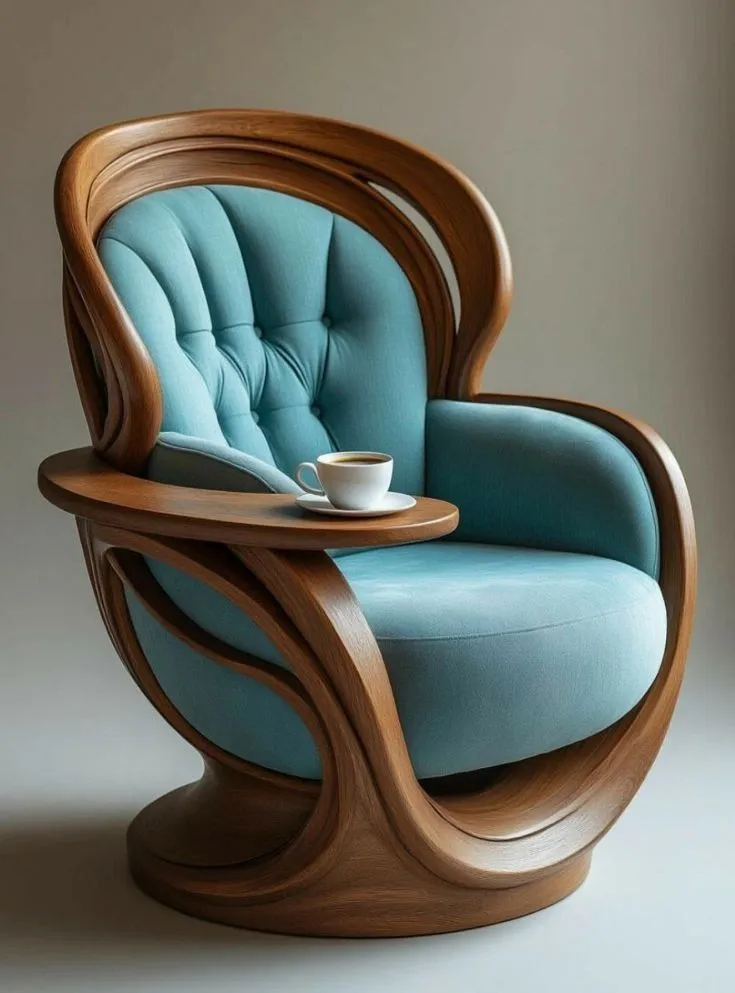
Smart, Modern, and Future-Ready Swivel Chair Ideas
Modern living rooms are moving toward a flexible, multi-use design. People want spaces that can change with the day, adapt to different activities, and still feel visually cohesive. Swivel chairs fit that direction naturally.
Here are some strong modern ideas:
Use hidden or low-profile bases for a cleaner look.
Choose performance fabrics in family-friendly spaces.
Pair swivel chairs with modular seating to create more movement.
Add a side table and lamp so the chair becomes a complete zone.
Keep the room open and avoid overcrowding sightlines.
Use tonal colors for a calm, high-end, coordinated appearance.
Choose soft curves when the room needs warmth.
Use contrast in texture to keep the room from feeling too flat.
These choices create a room that feels current without depending on short-lived trends. They also make the chair more useful in day-to-day life.
Quick Tips from a Living-Room Design Expert
Measure first, shop second. Keep enough room for turning and walking. Choose durable upholstery for rooms that get heavy use. Pay attention to scale, not just style. Make sure the back of the chair looks good, too. Use the swivel chair to solve a layout problem or improve a seating zone instead of simply filling an empty area.
That approach gives you a room that feels more comfortable, more flexible, and more complete.
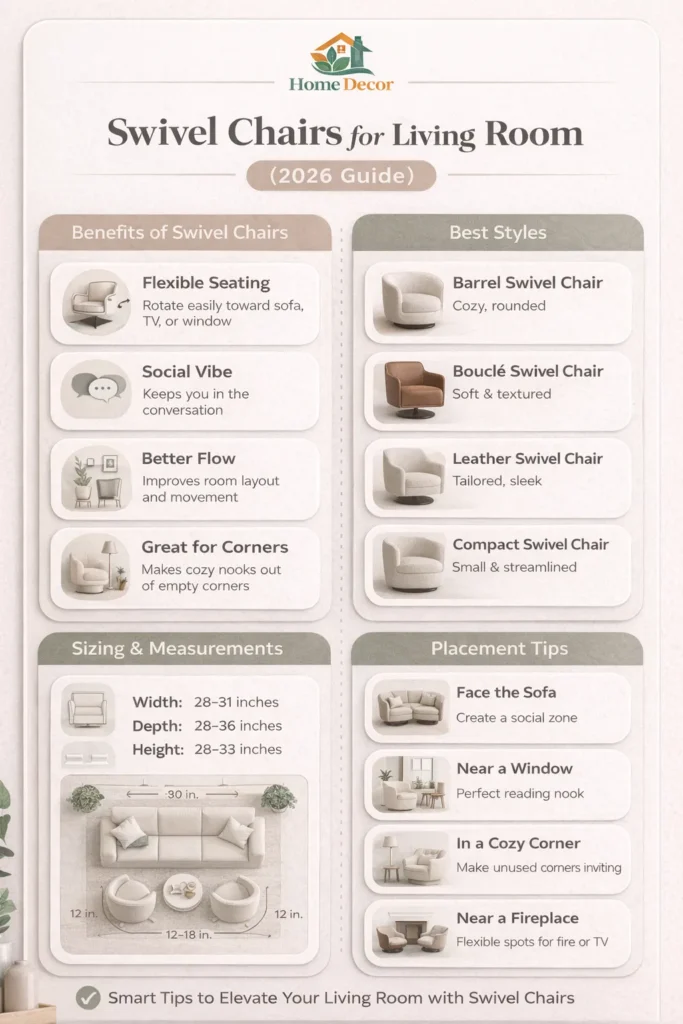
FAQs About Swivel Chairs Living Room
Yes. They are especially useful in living rooms that need flexibility, such as open-plan spaces, family rooms, and rooms with more than one focal point.
A practical layout usually needs enough room for turning, plus comfortable walking space. Coffee-table spacing of 12 to 18 inches is common, and active walkways should stay open so the room still feels easy to use.
A comfortable chair should let your body sit naturally, with support under you and no pressure behind the knees. Humanscale’s ergonomic guidance says to keep feet flat and allow proper seat-pan depth, which is a good comfort check for living-room seating, too.
A compact swivel chair with a low or medium back and lighter visual weight is usually the safest choice. Small-space guides recommend furniture that keeps the room open instead of crowding it.
Yes, especially barrel or lounge-style swivel chairs with supportive backs and good cushioning. Comfortable, deeper seating is often the best choice for longer sitting sessions.
Conclusion
Turns out, swivel chairs fit right into living rooms without trying too hard. When placed well, they guide how people move, spark easier talks, fix tight spots, yet stay unobtrusive. More than something you sit on, one of these chairs acts like quiet help in shaping space. What looks like Furniture shifts how the whole area works.
Whatever fits how you live matters most. If it matches your space and moves well with your routine, then comfort follows naturally. Size plays along with shape, fabric ties into position, and suddenly the chair feels necessary. It slips into corners quietly yet changes everything – lightens tight spots, adds rhythm where things felt stiff. Little moments become smoother just because it’s there.
Home design gets richer when ideas about space flow into choices on light, where things go, and what goes where. This fits well with people looking around for real answers, plus fresh thoughts now and then. It sticks around because how rooms work matters all year, every year.
