
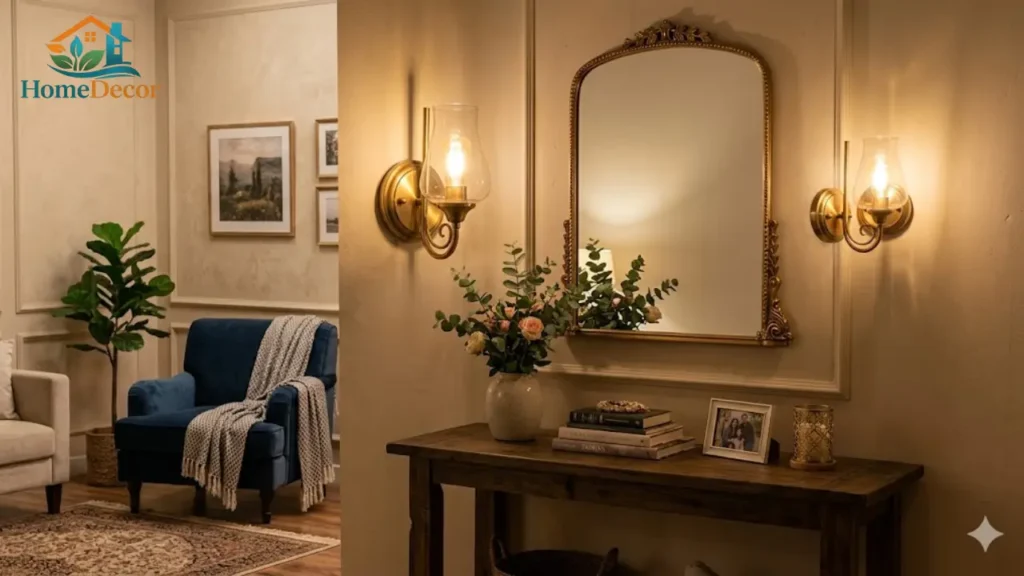
Introduction
A Living Room Accent Wall can completely reshape the mood of a space. With one well-chosen wall treatment, you can make a room feel more stylish, more structured, more spacious, and more intentional without committing to a full renovation. Quiet spaces will gain ground by 2026, moving past sharp clashes just to stand out. Instead, surfaces speak through touch – soft grain, smooth curves, steady patterns that linger without shouting. Materials age like old stories, not fast trends on a loop. Rhythm matters more than noise, depth over flash. Finishes stay long after the moment passes.
Because of this, accent walls continue to be a top choice for refreshing a living space. One wall set apart can draw eyes toward a key area, surround seating neatly, hold attention above a screen, emphasize a hearth’s warmth, or even bring quiet structure to flowing rooms without doors. These walls fit right into varied looks – think sleek simplicity, warm current trends, balanced Japanese-Scandinavian blends, timeless mixes, earthy textures, rich finishes, or gentle color-based schemes.
A fresh look at living room accent walls shapes what’s ahead for 2026. Fifteen distinct design paths unfold, each offering a different vibe. Placement matters – thoughtful positioning changes everything. Color choices steer the mood, shifting how space is felt. Light plays along, shaping depth and warmth in quiet ways. Tight areas get smarter solutions without losing impact. Budget picks stand strong beside high-end visions. Mistakes often made? They’re spotted early here. Questions pop up easily – answers sit close by. The aim stays clear throughout: craft a wall that fits just right, feels intentional, ties the whole room together like it was always meant to be.
What Is an Accent Wall in a Living Room?
An accent wall is a single wall in a room that is designed to stand out from the others. It may use paint, wallpaper, wood, stone, molding, plaster, mirrors, artwork, lighting, or a combination of these elements. In a living room, the accent wall often becomes the visual anchor of the entire space. It tells the eye where to focus first and helps the room feel organized.
A good feature wall does more than look attractive. It also brings structure to the room. It can make a seating area feel more complete, create a stronger sense of symmetry, and give plain surroundings a more curated look. Instead of decorating every surface equally, you give one wall a clear role. That single decision often improves the entire room.
The best accent walls feel natural. They do not look pasted on, random, or overdesigned. They fit the layout, respect the light, and match the room’s overall tone. When that happens, the wall adds personality without creating clutter.
Why Living Room Accent Walls Matter in 2026
Comfort finds its way into homes by 2026, along with warmth and a sense of staying put. Spaces begin reflecting calm moods, shaped more by life than trends. A room settles when it feels lived in, personal, not staged. Because of this, accent walls quietly stand out – adding depth but never shouting for attention.
Textures keep gaining ground in homes, which helps explain why accent walls stick around. Out of nowhere, deep browns show up beside espresso hues, blending into beiges and taupes without trying too hard. Greige slips in quietly, followed by olives and charcoals that feel grounded, never loud. Muted clay and soft stone tints add layers, not noise, making spaces feel lived-in but intentional. Natural wood pairs easily with these tones, just like linen or boucle finds its place without fuss. Ceramics catch the eye gently, while matte metals refuse to shout. Light plays along, soft and warm, tying everything together from behind the scenes.
A splash of color on one wall tackles real layout issues. Because it marks spaces inside open layouts, hides messy cords near screens, eases the eye beside heavy stone features, and adds rhythm where corners feel off. When square footage is tight, character arrives through paint instead of furniture clutter. Across wide floors, the single bold surface pulls everything into frame before things seem scattered or lost.
Choosing Where to Place an Accent Wall
A wall stands out not just by being empty. Often, the spot you notice first holds meaning without trying. People go for bare surfaces thinking they need attention, yet silence doesn’t ask for focus. Importance grows from how a space lives, not from what’s missing. That corner where eyes land – already part of the story – is likely the answer.
Maybe it is the space just past the couch. Or perhaps the surface framing the TV screen. Could be the one around the fireplace. Sometimes it’s what meets your eyes right upon entering. Then again, it might shape how rooms connect in shared areas. Since those spots stand out anyway, giving them more gives cohesion a quiet boost. Attention flows more easily where effort feels natural.
Most times, a bold wall shines when it lines up with what your eyes go to first. Picture the couch as the star – then the space behind it grabs attention just right. Suppose the television runs the show; in that case, dressing up the entertainment zone makes sense. Imagine flames dancing in a hearth – that backdrop often earns the richest finish around.
A single door here, a window there – when too many breaks scatter across a wall, the eye struggles to settle. Cluttered openings clash with the shape of the space instead of supporting it. Furniture taller than waist level might hide the entire surface behind it. That back section isn’t always meant to stand out anyway, especially if it just divides rooms without strength. Structure matters more than decoration when picking where attention should land.
A useful rule is this: choose a wall that already matters, then make it stronger. That approach nearly always creates a more elegant result.
Best walls to consider
| Wall type | Why it works |
| Behind the sofa | Creates a strong focal point and frames the seating area |
| Behind the TV | Helps organize the media zone and hide clutter |
| Fireplace wall | Naturally draws attention and supports a cozy centerpiece |
| Entry-facing wall | Makes a strong first impression |
| Open-plan divider wall | Helps define zones without adding partitions |
Walls to avoid
| Wall type | Why is it less effective |
| Random side wall | Lacks purpose and visual importance |
| Wall with many openings | Feels fragmented and busy |
| Wall hidden by furniture | Does not get enough visibility |
| The wall is already overloaded with décor | Can make the room feel crowded |
Best Living Room Accent Wall Ideas (2026)
Bold Paint Accent Wall
One wall painted in something strong sets a new tone fast, without costing much. Easy to try, easy to switch later – works every time. Special supplies? Not needed. Big money? Leave it in your pocket. Just one layer of thoughtfully picked color does the job. Suddenly, what felt plain feels finished.
Bold next year skips the glare. Actually, power comes from depth more than flash. Richness matters most – think forest, ink, ash. These shades build mood quietly. Warm sand, faded terracotta, soft grey-brown slip in smoothly. They hold space without shouting. Presence here is steady, never sharp.
A matte finish tends to feel calmer, somehow deeper, since it doesn’t bounce light around like glassy surfaces do. Rooms that keep things spare – plain chairs, quiet-colored couches, just a handful of objects on display – gain strength when one wall stands out in strong color.
Best for: budget projects, minimalist rooms, modern homes, rental-friendly makeovers
Example: a matte navy wall behind a beige sofa with warm brass lighting and a textured rug
Wood Slat Accent Wall
A single wooden strip on a wall adds depth, flow, and a sense of closeness. Its rise in modern design comes from a structure that stays light, never overwhelming. Upward lines draw the eye higher, adding height and quiet elegance to any space.
Starting with light oak gives off an open, calm vibe, almost like morning air inside a room. A shift to walnut brings depth, shadows playing stronger against its grain. Hidden lights behind wooden strips change everything when darkness falls, edges glowing without trying too hard.
Behind your Television or down the wall where people sit, this look works well. Rooms gain harmony when they seem dull or lack depth.
Best for: TV walls, modern living rooms, Japandi interiors, warm minimal spaces
Example: vertical oak slats with concealed LED strips and a low floating media console
Wallpaper Feature Wall
Wallpaper is an excellent choice when you want pattern, personality, or softness in a living room. It can instantly transform a room without requiring major construction. With peel-and-stick options now widely available, wallpaper is also more practical than it used to be.
The key is choosing a pattern that matches the room’s overall energy. Large botanicals work beautifully in soft, natural interiors. Abstract designs suit modern spaces. Textured neutral wallpaper can provide subtle depth without overpowering the room. Murals and oversized prints work best when the room is relatively calm and uncluttered.
Wallpaper is one of the best choices if you want the wall to feel decorative, curated, and slightly artistic.
Best for: stylish homes, rental upgrades, statement rooms, refined pattern lovers
Example: a muted botanical wallpaper behind a neutral sofa with simple linen curtains
Stone or Brick Accent Wall
Stone and brick both bring authentic texture and a sense of permanence. They can make a living room feel grounded, cozy, industrial, rustic, or even elegant, depending on the finish you choose. A real brick wall has a raw, timeless quality, while stone can feel either classic or contemporary.
If a real masonry wall is not possible, faux brick panels or stone-look surfaces can achieve a similar effect with less labor and cost. These are especially useful in older homes, apartment renovations, and fireplace surrounds.
This idea works well when you want a wall that feels tactile and natural. It is particularly strong in homes that use warm wood, layered textiles, and understated furniture.
Best for: fireplace walls, rustic rooms, industrial spaces, cozy family living rooms
Example: a light brick feature wall with black metal accents and a warm wood coffee table
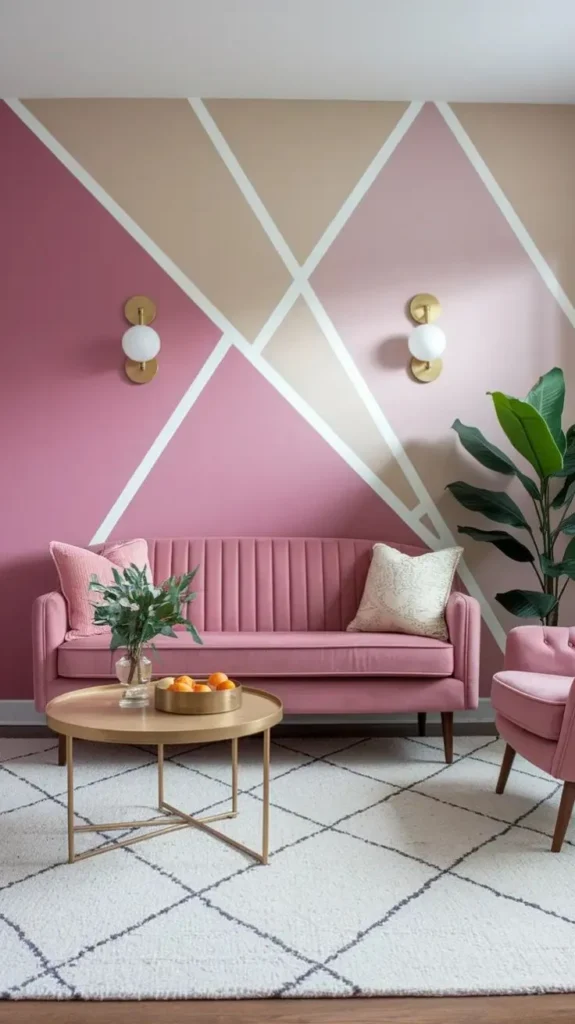
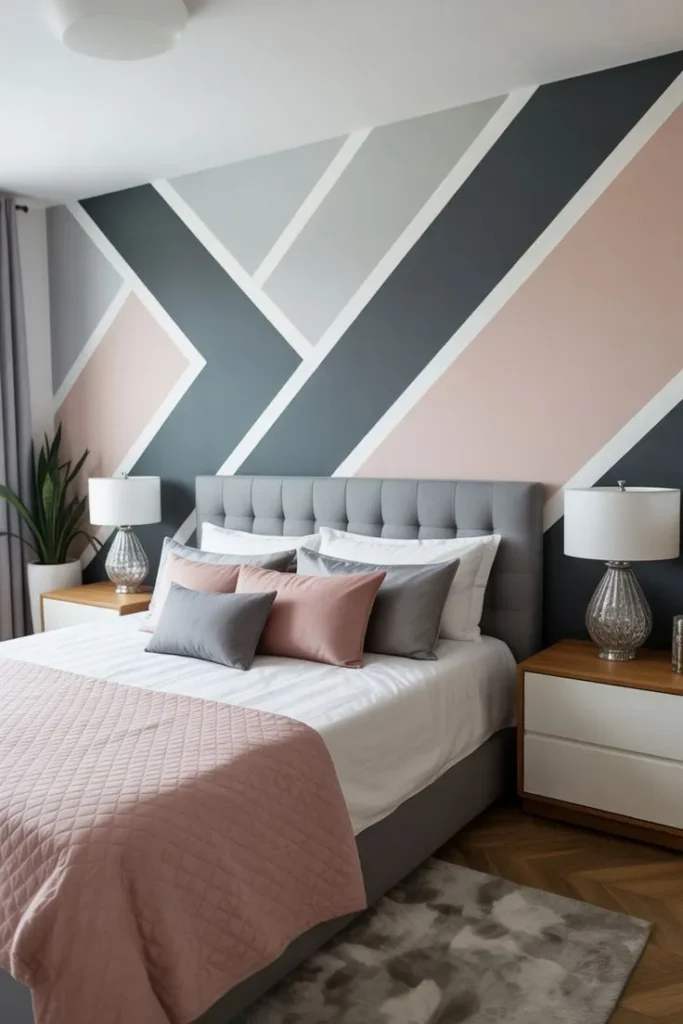
Geometric Paint Designs
Geometric paint designs are a creative and budget-friendly way to add visual energy. Instead of using a single flat color, you use shapes, arches, blocks, diagonal divisions, or color zones to create movement and personality.
This idea is ideal for homeowners who want something modern and artistic without adding expensive materials. A geometric wall can define a seating zone or soften a large blank wall that feels too empty. It also gives you room to experiment with color blocking while keeping the overall design controlled.
For a calm result, use low-contrast shades such as beige, sand, and clay. For a stronger statement, try deeper tones like olive, terracotta, or charcoal paired with a clean neutral base.
Best for: modern apartments, creative spaces, budget makeovers
Example: a large arch shape in warm beige behind a sofa with sculptural décor
TV Feature Wall
A TV feature wall is one of the most practical accent wall ideas because it combines design and function. In many living rooms, the television is already a central visual element. Instead of letting it sit on a plain wall, you can turn that surface into a more structured and attractive zone.
A well-designed TV wall may include panels, shelves, hidden wiring, storage, LED lighting, or a combination of materials like paint and wood. The key is to keep the composition clean. If you add too many details, the wall can become visually noisy and distract from the room.
The best TV walls often feel integrated rather than attached. They look built-in, balanced, and intentional.
Best for: media rooms, family living rooms, modern homes, apartment living
Example: a matte panel wall with floating shelves, hidden cables, and soft backlighting
Built-In Shelving Wall
Built-in shelving creates a feature wall that is both decorative and functional. It gives you storage while also allowing you to display books, ceramics, framed art, candles, plants, and personal objects. That combination makes the room feel curated and lived in at the same time.
A built-in shelving wall can feel especially luxurious because it looks custom, even when the design is simple. Painting the shelves, trim, and wall in closely related tones creates a unified and sophisticated effect. Adding soft lighting inside the shelves can elevate the wall even further.
This is a great option for rooms that need order and charm at the same time.
Best for: book lovers, family rooms, medium and large living rooms
Example: floor-to-ceiling shelving surrounding a centered sofa and a reading lamp
Mirror Accent Wall
A mirror accent wall is a smart solution for smaller or darker living rooms. Mirrors reflect light, enlarge the visual field, and bring a sense of openness to a room that might otherwise feel compressed. They also add a polished, slightly glamorous look.
A mirror wall does not have to be overly shiny or flashy. It can be subtle and structured through a grid of framed mirrors, a set of matching round mirrors, or mirrored panels used in a controlled pattern. The best mirror walls feel elegant and deliberate rather than decorative for decoration’s sake.
This idea works especially well in spaces with limited natural light because it helps brighten the room during the day and adds depth in the evening.
Best for: compact living rooms, dim spaces, elegant interiors
Example: a symmetrical mirror arrangement above a slim console with a table lamp
Textured Plaster or Limewash Wall
Textured plaster and limewash finishes are among the most beautiful ways to add quiet luxury. They create movement, depth, and softness without relying on bold color or heavy ornamentation. Instead of a flat surface, you get a wall that feels layered and handcrafted.
This kind of finish is especially strong in 2026 because the design world is moving toward organic surfaces, Natural Materials, and subtle character. The wall becomes interesting through texture rather than through loud contrast. That makes it ideal for homeowners who want a serene, elevated atmosphere.
A textured plaster wall pairs well with warm neutrals, curved furniture, natural textiles, and soft lighting. It can make a simple room feel deeply refined.
Best for: luxury interiors, neutral homes, soft modern rooms
Example: a warm taupe limewash wall with cream drapery and oak furniture
Gallery Wall
A gallery wall uses art as the focal point instead of color or material alone. It is personal, flexible, and easy to refresh over time. You can use framed prints, family photos, monochrome photography, drawings, mixed media pieces, or a coordinated set of smaller artworks.
The most successful gallery walls have a clear visual logic. That may mean consistent frame colors, a symmetrical layout, a central anchor piece, or a strong theme. Without that structure, the wall can quickly feel chaotic. With it, the wall feels intentional and expressive.
A gallery wall is one of the easiest ways to reflect your personality while still keeping the space polished.
Best for: family homes, creative interiors, personalized living rooms
Example: a black-and-white frame arrangement centered above a sofa in a balanced grid
Panel Molding Wall
Panel molding adds architectural structure without overwhelming the room. It introduces dimension, rhythm, and formality subtly and elegantly. This makes it a strong choice for homeowners who want a more classic or transitional look.
The molding can be painted the same color as the wall for a soft, seamless effect, or in a slightly different shade for more definition. Both approaches can work beautifully. The key is keeping the composition clean and proportionate.
Panel molding brings a sense of craftsmanship into the room. It is especially effective in spaces that need refinement but not necessarily bold color or texture.
Best for: classic-modern homes, formal living rooms, elegant interiors
Example: soft greige panel molding with matching trim and linen furniture
Black Statement Wall
A black statement wall is dramatic, confident, and visually strong. It can make a living room feel grounded and highly sophisticated when used with the right balance of light, texture, and contrast. In 2026, deeper tones are especially relevant because they create depth and warmth instead of flatness.
The important part is to prevent the wall from feeling heavy. Pair black with warm wood, metallic accents, light upholstery, or tactile fabrics such as boucle, wool, or linen. This gives the room enough balance to feel rich rather than severe.
A black wall works particularly well in rooms with plenty of natural light or with complementary warm materials around it.
Best for: dramatic interiors, modern homes, luxury-inspired spaces
Example: matte black paint paired with cream chairs, brass sconces, and natural wood
Two-Tone Accent Wall
A two-tone accent wall uses two colors on the same surface to create balance and movement. This might involve a horizontal division, a painted lower section, a soft split between shades, or a darker base with a lighter upper field. It is a clever way to add dimension without relying on a single intense shade.
Two-tone walls are useful because they can shape perception. A darker lower section can ground the room, while a lighter upper section can make the wall seem taller. The approach is flexible and works with many color combinations.
This is an ideal choice for people who want something creative but still controlled.
Best for: modern homes, playful but polished rooms, budget-conscious designs
Example: warm white above and dusty olive below with a narrow trim divider
LED Light Feature Wall
LED light feature walls add atmosphere, mood, and a distinctly modern edge. They work especially well in entertainment areas, behind floating panels, around wood slats, or integrated into shelving and media walls. The light does not need to be bright. In fact, the best results usually come from a soft glow rather than harsh illumination.
A well-lit wall can make the room feel more custom and immersive. It can also highlight texture, soften shadows, and create evening ambiance. This is one of the most effective ways to make a living room feel current without relying on flashy décor.
Best for: smart homes, media rooms, modern entertainment spaces
Example: backlit slats with warm white LED strips and a minimal floating console
Minimal Neutral Accent Wall
A minimal neutral accent wall is ideal for people who prefer calm, timeless interiors. Instead of dramatic contrast, it uses subtle shifts in tone to create depth. Shades like beige, cream, taupe, greige, mushroom, and warm gray can all work beautifully.
This approach is especially appealing in 2026 because more homeowners are moving toward quiet, livable spaces that remain stylish over time. A neutral wall may not demand attention instantly, but it provides a strong design foundation that supports the rest of the room.
This is often the best choice for people who want elegance without visual noise.
Best for: timeless interiors, soft modern homes, quiet luxury spaces
Example: a warm taupe wall with light oak furniture, linen textures, and soft shadows
Accent Wall Ideas for Small Living Rooms
Small living rooms require a careful design approach. The main goal is to create character without creating clutter. A feature wall can help, but it should support openness rather than compete with the room’s limited scale.
The most effective small-room accent walls tend to use lighter or medium tones, clean lines, and restrained texture. Mirrors can help bring in more brightness. Vertical elements can make the ceiling feel taller. Slim furniture prevents the room from feeling crowded.
A small room does not need a dramatic wall treatment in every direction. One focused wall is often enough. In fact, too many competing visual elements can make the space feel tighter than it really is.
Best small-room strategies
Light or medium colors usually work best because they keep the room airy. Vertical slats or tall panels help draw the eye upward. Mirrors reflect both daylight and artificial light, creating a more open feel. Simple furniture shapes help the accent wall remain the star of the room.
Best small-room accent wall types
Paint, slim wood slats, light wallpaper, mirrors, and soft panel molding are usually the most effective choices. These options add definition without overwhelming the room.
Simple rule for compact rooms
Less contrast, more balance.
That is the easiest way to keep a small living room feeling calm, open, and intentional.
Budget-Friendly Accent Wall Ideas
You do not need a large budget to create a strong accent wall. Some of the most effective wall treatments are also the most affordable because they rely on smart color choices, simple materials, or light DIY work.
| Idea | Cost range | Difficulty | Best for |
| Paint | $40–$120 | Easy | First-time DIY |
| Peel-and-stick wallpaper | $80–$200 | Easy | Fast upgrades |
| DIY wood panels | $150–$400 | Medium | Stylish budget projects |
| Wall decals or stencils | $20–$80 | Easy | Renters and temporary updates |
| Molding with paint | $100–$300 | Medium | Elegant low-cost design |
Paint remains the most dependable budget option because it delivers a strong impact with minimal investment. It is easy to test, easy to revise, and easy to pair with later upgrades such as art or lighting.
Best low-budget strategy
Start with paint. If the wall still needs more character later, add texture, shelves, molding, lighting, or art in stages. That makes the project manageable and helps you avoid overspending too soon.
Luxury Accent Wall Ideas for 2026
Luxury does not always mean expensive. It often means well-proportioned, well-finished, and restrained. In 2026, luxury is moving toward a more grounded and tactile expression. The focus is on rich materials, warm color families, soft contrast, and carefully planned lighting.
The most refined walls often use one premium material and allow it to stand on its own. For example, a beautiful plaster finish does not need much else. A walnut slat wall does not need heavy ornamentation. A stone or marble-look feature may already carry enough visual weight on its own.
Premium options to consider
Marble-look panels, 3D wall systems, backlit surfaces, designer Wallpaper, and subtle metallic finishing details can all create a high-end feeling when used with discipline.
Best luxury rule
Choose one main premium element and let it breathe.
If you add too many shiny or heavy finishes in the same area, the wall can feel overloaded instead of elevated.
Room Layout and Space Planning Tips
A beautiful accent wall should support the room’s layout, not work against it. Placement matters just as much as color or material. The wall should help guide the eye, organize furniture, and make the room easier to read.
| Room type | Best accent wall placement |
| Small room | Behind the sofa |
| Large room | TV wall or fireplace wall |
| Open-plan space | Zone-defining wall |
| Narrow room | End wall or vertical feature |
Good placement also means thinking about furniture balance. Keep large pieces aligned with the accent wall rather than blocking it. Make sure the wall remains visible. Use lighting to strengthen the focal point. Allow the surrounding décor to stay a little calmer so the feature wall can do its job.
Simple layout tips
Keep furniture aligned with the feature wall. Leave enough open space so the wall can be seen clearly. Balance each side visually if possible. Use lighting to create depth. Let nearby décor support the wall instead of competing with it.
Color, Lighting, and Furniture Tips
The accent wall does not exist alone. It interacts with every other element in the room. The best results come when color, light, and furniture all support the same visual language.
Color selection
Dark colors create drama, depth, and a cozy feeling. Light colors create openness and softness. Neutral shades feel timeless and adaptable. Earth tones bring warmth and modern character. Choose the mood first, then choose the color.
Lighting matters
Natural light can soften even strong colors. Warm artificial light makes a room feel cozy and inviting. LED lighting can create a cleaner, more modern effect. The same wall may look very different depending on the time of day, so testing matters.
Furniture matching
The furniture does not need to match the wall exactly. It should connect through tone, texture, or warmth. A strong contrast can be beautiful, but too much contrast without balance can feel abrupt. Use texture to build interest instead of relying on multiple loud colors.
Common Mistakes to Avoid
Accent walls often fail because of planning mistakes, not because the idea itself is weak. The most common issue is choosing the wrong wall. Another common issue is ignoring the room’s light. Some walls look good on a sample but feel too dark, too flat, or too intense once installed.
Over-decoration is another problem. When a feature wall competes with too many patterns, colors, or heavy accessories, the result can feel cluttered. A good accent wall should guide the eye, not confuse it.
Avoid these mistakes
Do not choose a wall with no visual importance. Do not ignore natural light. Do not mix too many patterns on one surface. Do not pick a shade that clashes with the room’s furniture and flooring. Do not install a finish without testing it first. Do not block the wall with oversized furniture that hides the design.
Better rule
One strong idea is better than five weak ideas.
That single principle can save a room from looking overcrowded.
Maintenance, Care, and Durability Tips
A feature wall should look beautiful and remain practical over time. The best finishes are not just attractive; they are also easy enough to care for in real life.
Washable paint is a smart choice for high-use homes. Wallpaper should be cleaned gently according to the material type. Wood walls should be protected from moisture. Textured surfaces may need regular dusting. LED systems should be installed safely and checked properly so they stay neat and reliable.
Durability matters because a wall that ages well often saves money later. If a finish is too delicate for your household, it may stop looking good long before you want to update the room.
Smart, Modern, and Future-Ready Accent Wall Ideas
The future of living room design is flexibility. People want rooms that can adapt to changing tastes, changing families, and changing lifestyles. That is why the strongest accent wall ideas are often the most adaptable ones.
Future-ready walls tend to use sustainable materials, modular components, subtle lighting, hidden storage, and neutral foundations. These choices are practical, stylish, and long-lasting. They also make it easier to update the room later without starting from zero.
Future-ready ideas
Modular panels, soft integrated LEDs, storage walls, sustainable finishes, and neutral backgrounds with one clear feature all feel especially relevant for modern homes.
Pros and Cons of Accent Walls
Accent walls offer clear advantages, but they also need to be used thoughtfully.
Pros
They can transform a room affordably. They add personality and visual direction. They help define layouts. They make spaces feel more polished. They can be updated later without changing the entire room.
Cons
They can feel busy if overdone. The wrong color can make the room seem smaller. Poor placement can weaken the effect. Too many accent walls in one space can remove the impact entirely.
A great accent wall is focused, balanced, and connected to the room’s purpose. That is what makes it effective.
Expert Tips for Perfect Accent Walls
A few simple principles can make a big difference. Test colors in Daylight and again at night. Use texture to add depth. Keep nearby décor calm enough to let the wall stand out. Choose one clear design direction instead of mixing several unrelated ones. Match the wall to the room’s purpose, so the look feels grounded in function, not just style.
A successful accent wall should feel like it belongs. It should look as though it was always meant to be there. When the wall and the room feel connected, the design reads as polished, intentional, and complete.
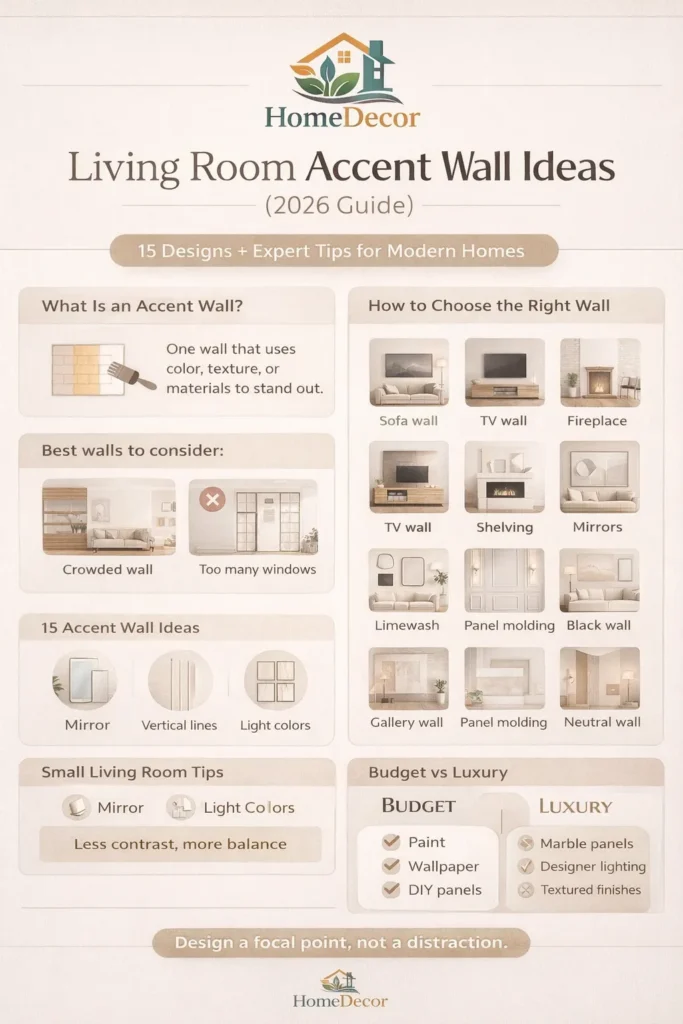
From budget paint styles to luxury feature walls, design a space that feels modern, warm, and perfectly balanced.
FAQs
The wall behind the sofa or the TV wall is usually the best choice because it already functions as a natural focal point. A strong accent wall works best when it supports a wall that already matters in the room.
Yes, but the style has become more refined. In 2026, accent walls are less about loud contrast and more about texture, warm neutrals, subtle depth, and thoughtful design. The trend feels calmer, more flexible, and more livable.
Popular accent wall colors in 2026 include deep green, navy, beige, taupe, soft gray, charcoal, and rich brown-gray. These shades are versatile, modern, and easy to coordinate with furniture and lighting.
Yes. Light colors, mirrors, vertical lines, and simple layouts can all help a living room feel more open. When used carefully, a feature wall can actually improve the sense of space instead of reducing it.
Painting is usually the most affordable option. It gives you a strong visual impact, is easy to adjust later, and does not require major labor or expensive materials.
Conclusion
One wall set apart changes Everything. Not just paint on plaster, it shifts light, mood, and shape. Because of its presence, rooms gain layers where none existed before. With color or texture, attention lands exactly where intended. Personality shows up quietly, through choice, not noise. Space begins to behave differently – smaller, larger, warmer – depending on what covers that one surface. Renovations stay untouched, yet transformation happens anyway.
Warmth hides in quiet colors by 2026 – soft taupes, gentle beiges, hints of stone. Earth shades creep in slowly, deep browns meeting dusty olives without noise. Wood slips into view, not loud but polished through time. Texture plays low, a whisper under fingers, never shouting. Contrast stays on a leash, just enough to guide eyes, not trap them. Light bends carefully around edges, shaping space without glare. One wall takes focus – not every wall demands attention. The chosen spot listens to the room first, then speaks back in harmony.
A quiet corner often stands out more than a shout. Where it sits changes how the light lands.
