
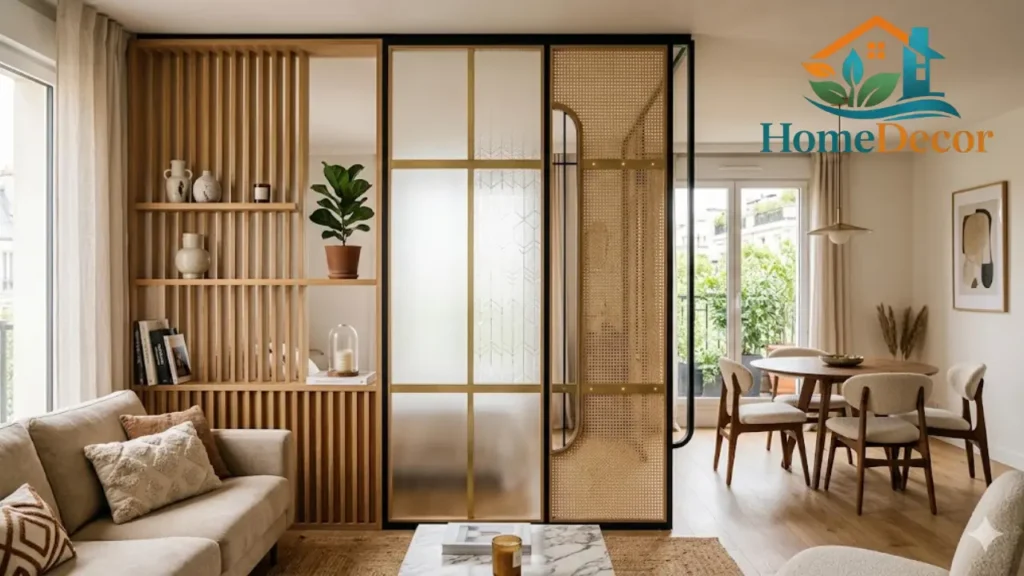
Introduction
A Room Partition Wall can transform an interior faster than almost any other design upgrade. With one well-planned divider, a single open space can become two functional zones, a quiet work corner can appear inside a bedroom, and a large living room can gain structure without losing style. A divider in today’s living rooms, work areas, coffee spots, small shops, lofts, or office corners does more than block space. Instead of merely separating zones, it shapes layouts, helps manage sound, gives quiet moments back, and even becomes a bold visual anchor within the room.
So the top resource on room dividers ought to go beyond just explaining words. Because knowing materials matters – what they handle, where they fit, how light bounces or fades, whether noise slips through. Installation surprises? Those need clarity too. Pictures can lie when real days begin. Purpose shapes smart picks, never fashion. What suits sleep might wreck focus somewhere else. A weighty wall meant for grand homes might overwhelm a smaller space. Depending on size, cost matters just as much as daily habits. Choices shift when rooms differ.
Picture how things work in everyday life – that’s what shapes this piece. Written plainly, with terms folks actually type into search bars, it mixes real-life cases plus slight shifts in phrasing to match what people look for online. Its core aim? Respect the person reading by offering complete insights, never just fragments. When someone considers splitting a space, their mind often lands on seclusion, cleaner layout flow, managing sunlight, clever use of shelves, cutting down noise, or simply making the place look nicer. Each part ahead digs deep into exactly those points.
What Is a Room Partition Wall?
A room partition wall is an internal divider used to split one area into smaller, more usable spaces. In most cases, it is non-load-bearing, which means it does not support the main structural weight of the building. Instead, it helps organize the interior. That makes it different from a main structural wall, which is designed to carry loads and support the building system.
Partition walls can be solid, semi-open, transparent, decorative, fixed, sliding, or movable. Some are built for privacy. Some are meant to preserve daylight. Some are designed to reduce noise. Others exist mainly to improve the visual flow of a room. In many homes and workplaces, the partition wall has become a hybrid element: part wall, part décor, part functional design feature.
This is important because people often think of a partition as a simple separator. In reality, it can influence circulation, acoustics, furniture placement, lighting balance, and even the emotional feel of a room. A heavy divider can make a room feel private and grounded. A glass divider can keep it airy and bright. A slatted wooden screen can add warmth while still allowing visual connection. A modular partition can support flexibility when the layout may change later.
The best room partition wall is therefore the one that matches the job the room must perform.
Why Room Partition Walls Matter in Modern Interiors
Modern spaces are expected to do more than one thing. A living room may also serve as a dining room, reading room, or work zone. A bedroom may need a dressing area and a study area. An office may need quiet meeting corners, collaboration areas, and private focused spaces. In compact homes and open-plan layouts, a room partition wall helps create order without requiring major construction.
There are several reasons partitions matter so much now:
They improve privacy without always making a room feel closed off.
They help define zones so the room feels intentional rather than cluttered.
They can support sound reduction when the wall system is properly designed.
They can preserve light flow when the divider is transparent or partially open.
They can introduce storage, display areas, texture, and architectural interest.
They often cost less and take less time than a full structural remodel.
For homeowners, the value is practical and visual at the same time. For office designers, the value is workflow and concentration. For renters, the value is flexibility. For hospitality and retail spaces, the value is atmosphere and controlled circulation. A well-designed partition wall is one of the few interior elements that can improve both function and style in a single move.
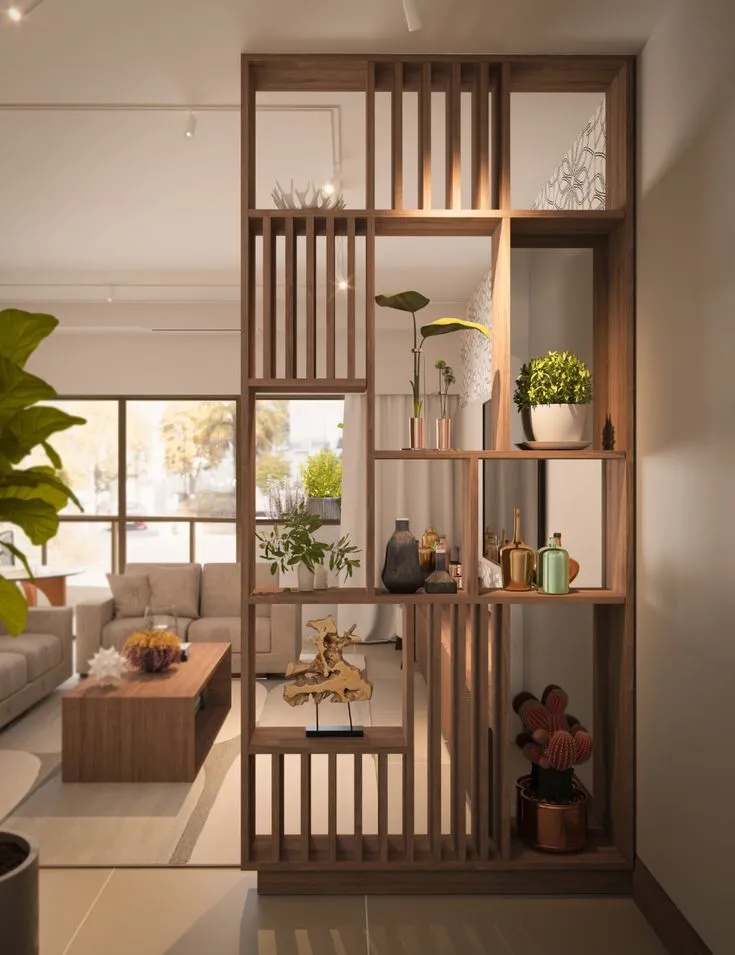
Main Types of Room Partition Walls
There is no single universal answer when it comes to partition walls. Each type has strengths, trade-offs, and ideal use cases. The best material depends on whether the priority is privacy, light, sound control, durability, cost, or flexibility.
1) Drywall or Gypsum Board Partition Walls
Drywall partitions are among the most practical and widely used internal dividers in modern interiors. They are light, relatively fast to install, easy to finish, and compatible with paint, wallpaper, paneling, or built-in storage details. They work well in homes, offices, and apartments where a clean, smooth finish is desired.
A gypsum partition is especially useful when you want hidden wiring, a flush wall surface, or a neat separation that visually blends with the rest of the interior. It is also common in spaces where fire performance and sound control matter, provided the full wall assembly is properly built. That full assembly is important: the board alone does not do all the work. Framing, insulation, sealant, joints, and detailing all affect the final result.
Best for: bedrooms, study rooms, offices, shared homes, and quiet zones.
Main advantage: versatile and clean-looking.
Main limitation: basic drywall alone does not provide top-tier sound isolation.
2) Glass Partition Walls
Glass partitions are ideal when you want separation without sacrificing brightness. They create a modern, refined, and spacious feeling that works beautifully in living rooms, office interiors, studios, and premium homes. A glass divider is often chosen not because it hides a room, but because it organizes a room while keeping visual openness.
Different glass options create different effects. Clear glass keeps the space open. Frosted glass improves privacy. Ribbed or textured glass softens visibility while still allowing light through. Tinted glass can add mood and visual depth. Framed glass systems can introduce a stronger architectural identity.
Best for: living rooms, offices, hall zones, luxury interiors, studio apartments.
Main advantage: excellent light flow.
Main limitation: sound control usually requires additional planning.
3) Brick or Block Partition Walls
Brick and block partitions are the solid, traditional choice. They feel permanent, stable, and substantial. People often choose them when they want a divider that behaves like a real wall in both form and presence. This type is common when long-term durability matters more than flexibility.
Brick partitions are strong visually and physically, and they often support a sense of privacy and permanence. At the same time, they are heavier, more labor-intensive, and less adaptable if the layout may change later. In smaller homes, they can also make a room feel more enclosed if used without careful planning.
Best for: permanent room division, long-term layouts, private rooms.
Main advantage: strong sense of solidity and privacy.
Main limitation: low flexibility and heavier construction.
4) Wooden or Timber Partition Walls
Wooden partitions add warmth, softness, and texture to an interior. They can be simple slat screens, decorative carved dividers, shelving partitions, or custom joinery elements. Wood works especially well when the goal is to define a zone without making the room feel hard or severe.
A timber divider can look like a piece of furniture rather than a fixed wall. That makes it especially attractive in living rooms, cafés, boutique interiors, and homes that lean toward Scandinavian, Japandi, rustic modern, or organic design styles. It is also a favorite material for decorative partition walls because it can look elegant, natural, and inviting.
Best for: living areas, feature walls, lounges, boutique spaces.
Main advantage: warm and visually rich.
Main limitation: usually less acoustic performance than a fully built solid wall.
5) Metal, Modular, and Movable Partition Walls
Modular and movable partitions are the most flexible solution. They are especially useful in offices, retail spaces, classrooms, event areas, and homes where the layout may need to change over time. These systems are designed to be practical, adaptable, and often easier to update than fixed masonry walls.
This category may include demountable wall systems, framed panels, hybrid partitions, or mobile room dividers. They are useful when the goal is not permanent separation but controlled flexibility. If a room needs to change function later, a modular wall can be a very smart investment.
Best for: offices, rental spaces, changing layouts, and commercial interiors.
Main advantage: high flexibility.
Main limitation: may need more planning for finish quality and performance.
Room Partition Wall Comparison Table
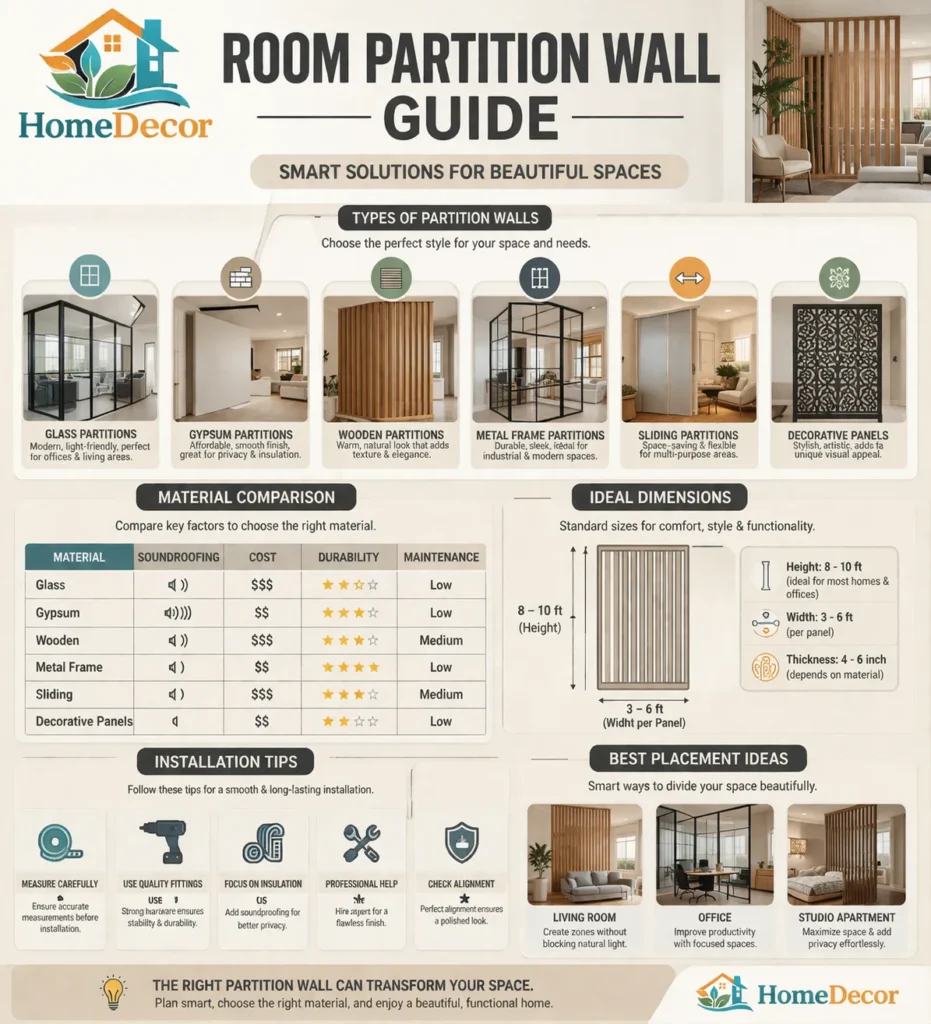
Here is a simple, practical comparison of the most common room partition wall materials. This is a design-focused guide rather than a laboratory test.
| Material | Privacy | Light Flow | Sound Control | Visual Style | Flexibility | Best For |
| Drywall / Gypsum | High | Low | Medium to High with proper build-up | Clean, simple, modern | Medium | Bedrooms, offices, study rooms |
| Glass | Medium | High | Low to Medium | Bright, premium, open | Medium | Living rooms, offices, luxury interiors |
| Brick / Block | High | Low | High | Solid, traditional | Low | Permanent room division |
| Wood / Timber | Medium | Medium | Medium | Warm, decorative, natural | Medium | Living areas, cafés, feature partitions |
| Metal / Modular | Medium to High | Medium | Medium to High with upgrades | Modern, professional | High | Offices, retail, changing layouts |
The key idea behind this comparison is that performance depends on the full wall system, not just the material name. A gypsum wall can perform very well when it is correctly assembled. A glass wall can be more private when textured or frosted. A modular wall can be highly effective when designed for the space rather than simply dropped into it.
Best Room Partition Wall Ideas by Space
The smartest partition wall is the one that solves a specific room problem. A divider should do more than exist. It should improve the space it occupies.
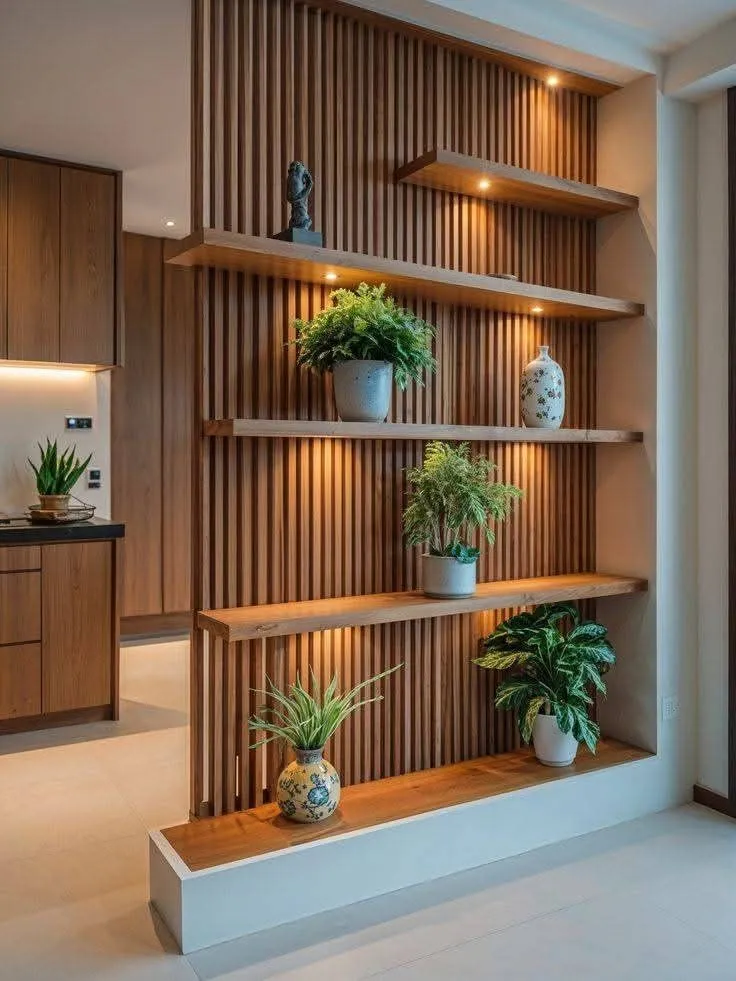
Living Room Partition Ideas
Living rooms often need the most creative partitioning because they frequently serve multiple functions. A living room may also need to hold a dining area, entry point, reading area, or home office corner. In this setting, the partition should help define zones while still keeping the room open and connected.
Popular living room partition ideas include open shelving, fluted panels, partial-height dividers, black-framed glass walls, slatted wood screens, and feature partitions with integrated décor. A good Living Room divider should ideally do at least one useful job beyond separation. It might add storage, frame the seating area, protect sightlines, or create a focal point.
For small living rooms, lightness matters. Heavy partitions can make the room feel compressed. Transparent or semi-open designs usually work better because they allow visual breathing room. If the goal is to create a sense of calm structure, a slim, elegant partition often performs better than a bulky one.
Bedroom Partition Ideas
Bedroom partitions are often used to separate sleeping, dressing, reading, or work zones. In larger bedrooms, a partition can create a quiet dressing space or a cozy study nook. In smaller bedrooms or studio apartments, it can help create privacy without making the room feel cramped.
Drywall is a strong choice when the goal is a more enclosed, restful zone. Wood slats work well when you want a softer divide. Frosted glass can be useful in shared living spaces or compact apartments where daylight still matters. A wardrobe-backed divider, headboard partition, or shelving screen can also solve two problems at once by dividing the room and providing storage.
In bedrooms, the key is balance. A divider should not overpower the room. It should support calm, comfort, and practical circulation.
Office Partition Ideas
Office partition walls need to balance privacy, focus, and collaboration. Too much openness can make concentration difficult. Too much closure can make the space feel stiff and disconnected. The right office divider gives the room structure while still supporting communication and efficiency.
Glass partitions are popular in offices because they preserve daylight and visual openness. Solid or hybrid systems are often better when noise reduction matters. For example, a lower solid section with a glazed upper section can preserve some privacy while keeping the room bright. Modular walls are especially useful in work environments that may need to be reorganized later.
For office environments, the best partition wall is usually the one that can support productivity, aesthetics, and adaptability together.
Small Space Partition Ideas
Small homes and apartments need partitions that work harder. The best small-space divider is often one that does two jobs at once. It may combine storage with separation, light with privacy, or decoration with function. In a compact layout, the wrong partition can steal too much floor area or make the room feel visually crowded.
Useful ideas for small spaces include slim slat screens, open shelving, sliding panels, transparent dividers, curtain-style separations, and low-profile gypsum walls. A partition should help the room feel more organized, not smaller. That is why light visual weight is so important in compact interiors.
Luxury Partition Ideas
Luxury partition walls are usually about detail, material contrast, and refined composition. Instead of merely dividing a room, they become part of the architectural language of the interior. Ribbed glass, brass trims, stone accents, premium timber, custom joinery, and integrated lighting are common features in high-end partition design.
A luxury partition should look intentional from both sides. The front is not enough. The back must be finished with equal care. When both sides feel complete, the divider becomes a true design object rather than a functional afterthought. In premium interiors, the partition often acts as a visual anchor that helps the entire room feel more composed.
How to Choose the Right Room Partition Wall
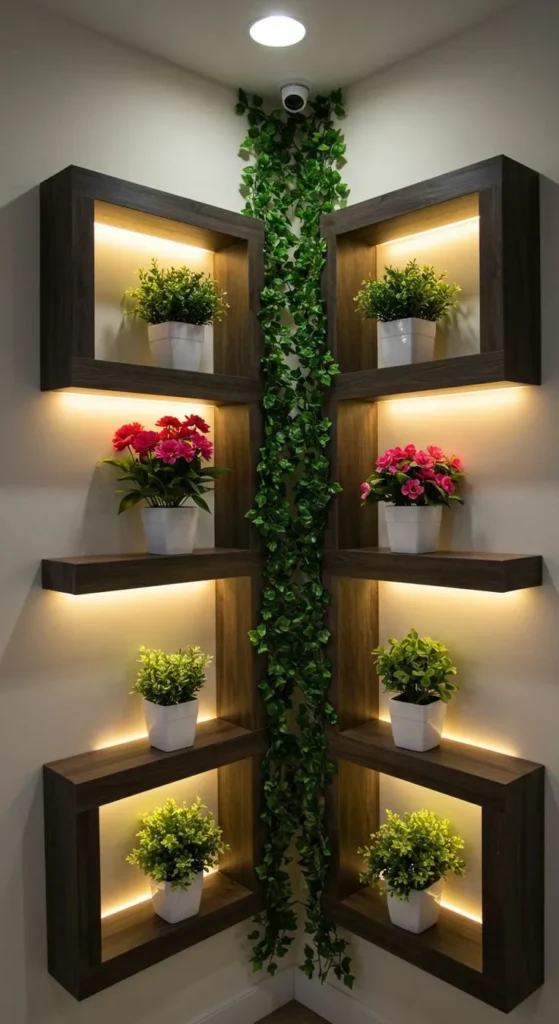
The easiest way to choose the right wall is to begin with the purpose of the space. Do not start with style alone. Start with the problem the partition must solve.
Ask these questions:
How much privacy is needed?
How much daylight should pass through?
How much sound reduction is required?
Should the wall stay fixed or remain flexible?
Should the partition disappear into the background or stand out as a feature?
Does the room need storage, display, or only separation?
Once these questions are answered, the material choice becomes much simpler.
Use this practical guide:
If the need is for strong privacy, choose drywall or brick.
If the priority is brightness, choose glass or a light, open screen.
If the goal is warmth and visual texture, choose wood.
If the layout may change later, choose modular or movable systems.
If the setting is commercial and adaptable, choose a customized partition system.
The best room partition wall is not the one with the most impressive appearance. It is the one that fits how the room is actually used.
Room Partition Wall Cost Guide
Cost depends on material, finish, labor, size, and location. Instead of looking only at exact prices, it is more helpful to think in budget levels.
| Budget Level | Typical Choices | Best Use |
| Low | Basic drywall, simple timber screen, curtain divider | Budget renovations, quick room division |
| Medium | Upgraded drywall, slatted wood, basic modular systems | Homes needing a balance of style and function |
| High | Glass systems, acoustic partitions, custom joinery, and premium modular walls | Luxury homes, offices, and showrooms |
A lower-cost option is not always the best value if it needs to be replaced quickly or does not solve the real problem. A more expensive wall may actually be smarter if it improves sound, light, flexibility, and long-term usability. In many projects, the total value comes from the whole system, not the visible surface.
Installation Tips for Room Partition Walls
Start by thinking ahead. Once measurements are taken, sketch out the layout – this happens before touching any tools. With clear notes on paper, mistakes like crammed corners or extra trips to the store tend to fade away.
Where to place the new areas comes first. After that, take a look at wires, power sockets, water lines, airflow, and how doors swing. Knowing these details makes picking the right kind of walls easier. The setup guides what goes up.
Faster setup often comes with drywall and modular setups instead of traditional bricks. Glass dividers need exact sizing along with reliable fittings to work well. Heavy Materials like brick demand attention to building limits since they stay put once built. Systems meant to shift around must operate smoothly while keeping everyone safe.
Living gets easier when a partition helps, not hinders.
Sound, Fire, and Durability Considerations
A room partition wall is not only a visual object. It also affects sound, safety, and durability. That is why material selection should go beyond appearance.
For sound control, the wall assembly matters. Mass, insulation, sealing, joints, and construction detail all influence how much sound passes through. A basic wall may look solid, but still allow noise to travel if it is not properly built. Drywall systems often perform well when designed as a complete assembly rather than as a single sheet attached to a frame.
For fire performance, the wall must be designed with the proper rated materials and installed according to the system requirements. Fire resistance is not something to guess about. It depends on the complete build-up, not just the board or panel itself.
For durability, think about how the room is used every day. A wall in a child’s room, a busy office, a kitchen-adjacent zone, or a shared apartment will face more wear than a decorative divider in a formal lounge. Moisture, impact, cleaning, and traffic all matter.
The smartest partition is one that performs well as a whole system.
Common Mistakes to Avoid
Many partition mistakes come from choosing based on appearance alone. A divider can look beautiful in an inspirational image and still be wrong for the actual room. A common problem is selecting a design that blocks too much light. Another is forgetting that a room still needs to feel spacious and breathable.
Other mistakes include:
Ignoring the need for sound control
Choosing a fixed wall when flexibility is still important
Forgetting to plan for lighting and electrical connections
Using heavy materials in a small room
Neglecting the back side of the partition design
Skipping storage opportunities when space is limited
Choosing a style that clashes with the rest of the room
A partition wall should solve a problem, not create a new one. That is the core principle to remember.
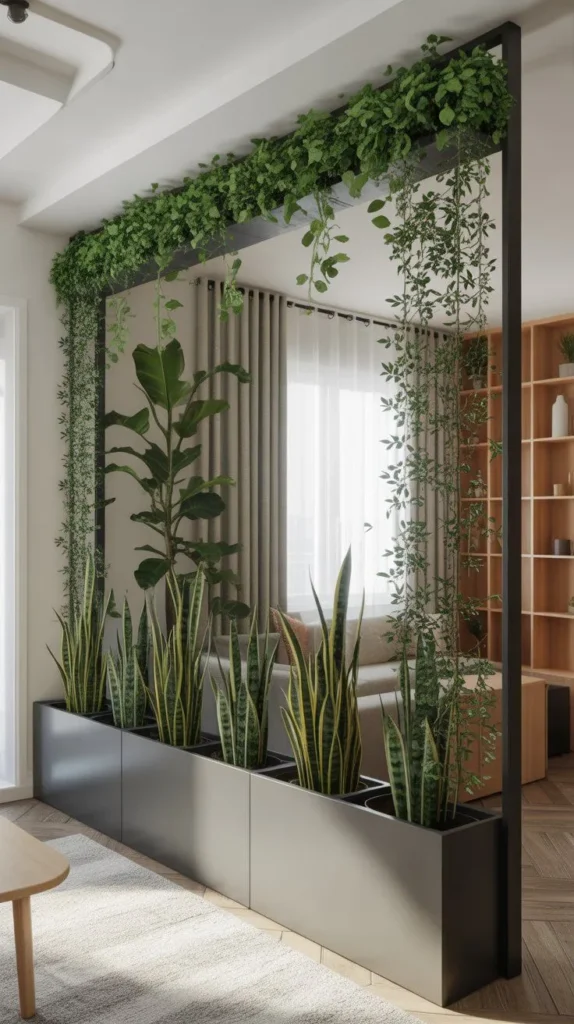
Budget-Friendly Room Partition Ideas
A budget-friendly partition does not have to look cheap. In fact, some of the best-looking room dividers are simple, restrained, and well-proportioned. Small design decisions often create the biggest impact.
Affordable ideas include:
A floor-to-ceiling curtain for temporary Privacy
A slim open shelf between the living and dining areas
A basic gypsum wall with a clean painted finish
Vertical timber slats that keep the room visually open
A partial-height divider that defines space without closing it off
A partition combined with hidden storage for extra usefulness
The best low-cost dividers are elegant because they are purposeful. They divide space clearly without overcomplicating the room.
Premium and Luxury Room Partition Ideas
Premium partitions often blend materials and finishes. Glass and brass, wood and stone, ribbed panels and lighting, or custom joinery with display niches are all common examples. The aim is not just to separate spaces, but to elevate the entire interior.
Luxury partitions usually feel architectural. They frame a view, create rhythm, and support the larger design story of the home or office. They should feel intentional from every angle. A premium partition wall should look complete on both sides, feel integrated into the architecture, and add value beyond simple separation.
In a luxury interior, the partition is often one of the most memorable design features in the room.
Maintenance and Care Tips
Different materials require different care routines. Gypsum walls may need occasional paint touch-ups. Glass partitions require regular cleaning and careful handling. Wood needs protection from moisture and wear. Brick is durable but still benefits from proper surface maintenance. Modular systems should be checked for alignment, hinges, tracks, and loose fittings.
A few simple habits help preserve the wall’s appearance and function:
Clean the surface according to the material type
Check hardware, joints, screws, hinges, and tracks regularly.
Repair chips, cracks, or scratches early
Avoid excess moisture on the timber and gypsum surface.s
Reassess the room layout if the partition no longer serves the space
A well-maintained partition can stay attractive and useful for years.
Quick Tips for Better Results
A Good Partition wall usually does at least one thing exceptionally well and often does several things well at once. It may create privacy, improve flow, increase storage, preserve light, or improve acoustic comfort. The best designs usually combine function and aesthetics instead of choosing only one.
Keep these principles in mind:
Start with the room’s purpose
Match the material to the actual use
Keep sightlines open in smaller spaces
Use lighting to soften the heavier divider
Make sure the back side of the wall is finished properly
Choose a style that fits the whole room, not just one corner
Simple, thoughtful planning usually gives the best result.
FAQs About Room Partition Walls
The best material depends on the goal. Drywall is great for privacy and flexibility, glass is best for light flow, brick is best for permanence, wood is best for warmth, and modular systems are best for changing layouts.
No, partition walls are usually non-load-bearing. They mainly divide space instead of supporting the building’s main structure.
A well-built drywall or gypsum system with insulation, sealing, and the right assembly is often a strong choice for sound control. Brick can also perform well because of mass. Glass usually needs extra acoustic planning.
Yes. A partition wall can add structure, texture, depth, and style. Modern design ideas often treat partitions as visual features, not just barriers.
Yes, especially if you want brightness and a modern feel. It works best when you want a visual divide without closing the room off completely. Frosted or textured glass can improve privacy.
Conclusion
What if a single wall could shift how a room behaves? Instead of knocking down walls, try building one that shapes light and sound differently. Glass brings airiness without blocking sight lines. Gypsum gives solid separation while staying slim on the frame. Wood warms up corners but asks for care now and then. Slide something aside when you need space to breathe wider. Modular pieces click together like grown-up puzzles – easy to adjust later. Some stop echoes; others simply draw a line in the visual chaos. Privacy shows up quietly when materials match purpose. A change in structure often means a change in mood. Different budgets find options in how things go up and what they do after.
A space changes when you add a divider – think about what it needs first. Purpose matters most; then pick something strong enough to last. Noise control becomes key if quiet matters in that area. How much upkeep you can handle might shape which materials make sense. Price tags on setup vary widely depending on choices made early. A well-thought-out layout turns walls into more than barriers – they shift how life flows inside rooms. Looks improve, daily comfort grows, and even worth rises without trying.
