
Introduction
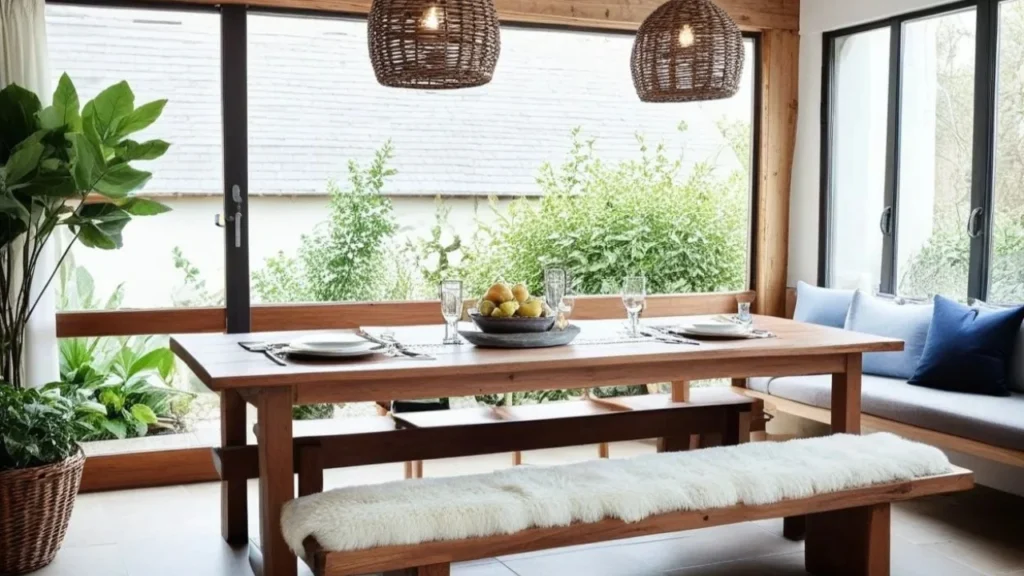
Dining Room Benches are rapidly emerging as one of the most sought-after seating options in contemporary homes worldwide. Whether you occupy compact lodgings, have a bustling family, or desire a chic dining area that feels spacious and inviting, dining benches provide a unique solution. Unlike conventional chairs, benches are elongated seats capable of accommodating multiple individuals simultaneously, optimizing space employment, and contributing to either a modern, Modest, or cozy rustic ambiance in your dining quarters.
In contemporary interior design, benches serve objectives that extend far beyond mere seating. They cultivate a sense of unity, enhance the spatial openness of your dining room, and offer a plethora of aesthetic possibilities ranging from rustic timber benches to plush, upholstered designs. With a multitude of extent, finishes, and formats available, selecting the ideal bench can feel daunting.
This comprehensive guide is designed to assist you. By the end of this guide, you will gain detailed insight into:
- What defines a dining room bench
- Reasons behind their surging popularity
- Comparative analysis with classical dining chairs
- Step-by-step tips to choose the perfect bench
- Materials, ergonomics, and style variations
- Layout and space optimization strategies
- Affordable and luxury options
- Common pitfalls and practical solutions
- Care, maintenance, and longevity tips
- Expert FAQs and insights
With these insights, you’ll be equipped to select a dining bench that not only fits seamlessly into your space but also enhances the overall dining experience, blending comfort, functionality, and style.
What Is a Dining Room Bench?
A dining room bench is a longitudinal seating piece typically fabricated from wood, metal, or upholstered textiles designed to accompany a dining table. Unlike individual chairs, which partition seating for each diner, benches allow more versatile usage of space, seating multiple people along a linear arrangement of the table.
Benches can vary significantly in design:
- Backless, streamlined, minimalistic, and ideal for space efficiency
- With backrests provides ergonomic support and greater comfort
- Upholstered padded surfaces for enhanced coziness
- Storage-integrated hidden compartments within or beneath the bench
The overarching goal is communal seating that supports meals, gatherings, and versatile daily usage.
Why benches excel:
Accommodate more diners in the same footprint than individual chairs
Provide a clean, continuous visual aesthetic
Blend effortlessly with chair arrangements for design flexibility
Ideal for both compact apartments and expansive dining halls
Key Benefits of Dining Room Benches
Dining benches are lauded by interior designers and homeowners for numerous advantages, which make them a compelling alternative to conventional seating.
| Benefit | Explanation |
| More Seats in Less Space | A single bench typically accommodates more people than several chairs occupying the same linear area. |
| Family Friendly | Children can easily slide in, fostering closeness and interaction among family members. |
| Space Efficiency | Benches slide beneath the table when idle, freeing floor space. |
| Aesthetic Versatility | Integrates seamlessly into a variety of décor styles — modern, farmhouse, rustic, industrial, and more. |
| Cost-Effective | A bench usually costs less than multiple matching chairs. |
| Multifunctionality | Can double as seating in hallways, living rooms, or bedrooms. |
| Simplified Cleaning | Fewer legs and minimal joints reduce cleaning complexity. |
Why Benches vs Chairs?
Both seating types have distinct advantages. When juxtaposed, benches provide communal, space-efficient solutions, while chairs deliver individual support and ergonomic comfort.
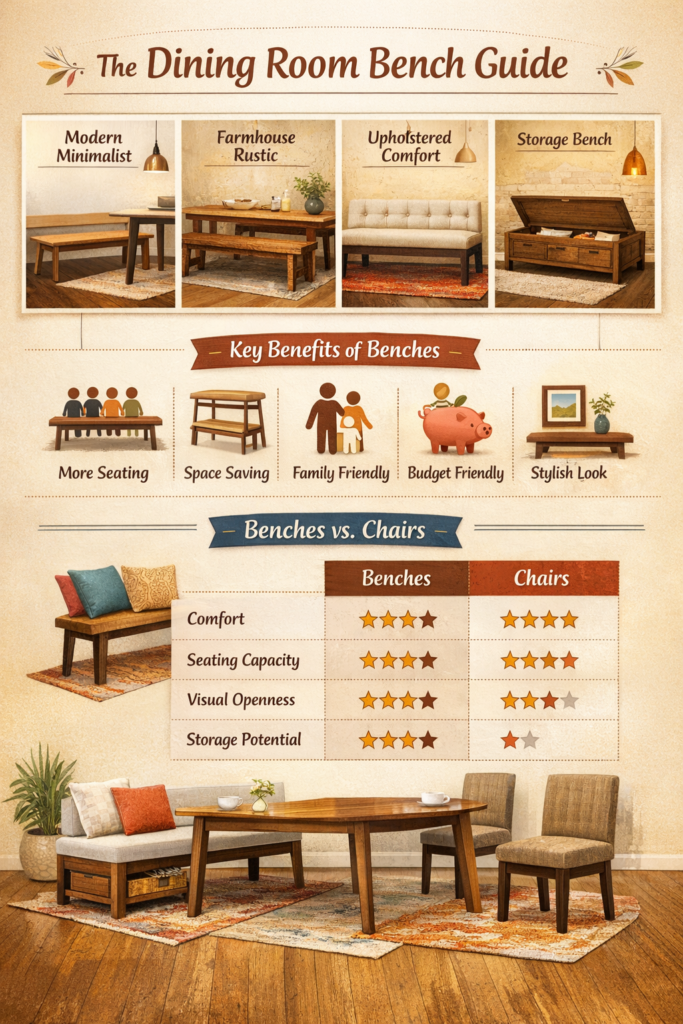
| Feature | Dining Bench | Dining Chairs |
| Seating Capacity | ⭐⭐⭐⭐⭐ | ⭐⭐⭐☆☆ |
| Comfort for Long Meals | ⭐⭐☆☆☆ | ⭐⭐⭐⭐⭐ |
| Visual Openness | ⭐⭐⭐⭐☆ | ⭐⭐⭐☆☆ |
| Storage Potential | ⭐⭐⭐☆☆ | ⭐☆☆☆☆ |
| Ease of Cleaning | ⭐⭐⭐☆☆ | ⭐⭐⭐⭐☆ |
Key Insight: Benches excel when prioritizing flexibility, openness, and multifunctionality, whereas chairs are ideal for prolonged dining comfort, individualized support, and ergonomics.
Bench vs Chairs: What’s Best for You?
Selecting between a bench and chairs hinges on your lifestyle, Entertaining Habits, and dining room dynamics.
Bench Advantages:
Seat more individuals along the table edge
Perfect for social gatherings and family celebrations
Encourages casual, relaxed dining
Reduces visual clutter, imparting a contemporary vibe
Chair Advantages:
Provides personal support and individualized comfort
Ideal for extended meals or formal occasions
Easily repositioned within the room
When to choose each:
Entertain frequently? Prioritize benches for flexible seating.
Long meals or elderly guests? Combine benches with chairs for optimum comfort.
Limited floor space? Opt for backless or slim-profile benches to maintain openness.
How to Choose the Perfect Dining Bench
Choosing an optimal dining bench requires careful consideration of size, ergonomics, materials, and spatial configuration.
Size & Measurements
Accurate dimensions are critical for comfort and practicality.
Seat Height: Standard dining tables typically pair with benches 17–19 inches from the floor. Always measure table height before selecting a bench to avoid discomfort.
Bench Length: Ideally, slightly shorter than the table to allow movement. Allocate 18–24 inches per person for comfortable seating.
Clearances: Maintain a minimum of 36 inches behind the bench to facilitate smooth ingress and egress.
Materials & Comfort Tips
Bench Materials dramatically affect aesthetics, longevity, and comfort.
| Material | Style | Durability | Comfort |
| Solid Wood | Classic, Rustic | ⭐⭐⭐⭐⭐ | ⭐⭐⭐☆☆ |
| Upholstered | Cozy, Elegant | ⭐⭐⭐⭐☆ | ⭐⭐⭐⭐☆ |
| Metal | Industrial, Modern | ⭐⭐⭐⭐☆ | ⭐⭐☆☆☆ |
| Mixed Materials | Contemporary | ⭐⭐⭐⭐☆ | ⭐⭐⭐⭐☆ |
Material Notes:
- Solid Wood: Timeless, robust, ideal for farmhouse or traditional interiors.
- Upholstered: Adds plush comfort; excellent for formal or long-duration seating.
- Metal: Sleek and contemporary; can be hard unless combined with cushions.
- Mixed Materials: Harmonizes style and comfort effectively.
Comfort Considerations:
Backrest: Essential for extended dining sessions, particularly for older guests.
Seat Depth: 15–18 inches optimal; deeper for padded designs, shallower for wooden benches.
Cushions: Removable pads or pillows enhance comfort while allowing flexibility.
Dining Bench Styles & Inspiration
Explore top bench formats to complement diverse dining environments:
Modern Minimalist:
Clean linear silhouettes, neutral tones, simplistic design; enhance light-filled contemporary interiors.
Farmhouse & Rustic:
Distressed or reclaimed wood, pronounced grain patterns, chunky proportions; evokes warmth and charm.
Upholstered Comfort:
Soft fabrics such as linen, cotton, or velvet; padded seat and optional backrest; perfect for dinner parties.
Bench with Storage:
Incorporates hidden compartments; excellent for small rooms; ideal for storing linens, tableware, or board games.
Design Ideas for Different Dining Spaces
Small Dining Rooms:
Utilize backless benches to maintain sightlines; slide them fully under the table when not in use.
Large Dining Areas:
Place two benches opposite one another; pair with upholstered chairs on ends for symmetry.
Open Floor Plans:
Mix benches with chairs to demarcate dining zones; employ area rugs to anchor seating.
Room Layout & Space Tips
Practical spatial arrangements maximize both comfort and usability.
Seating Flow:
Maintain 36–48 inches of circulation space around tables for movement.
Layout Examples:
Color Tips:
| Room Width | Seating Suggestion |
| ≤ 8 feet | Bench on one side + chairs opposite |
| 8–10 feet | Bench + chairs or dual benches |
| ≥ 10 feet | Two benches or bench + upholstered chairs |
Color, Lighting & Furniture Pairings
Warm wood tones add depth; neutral benches complement bold accents; contrasting cushions provide visual intrigue.
Lighting Ideas:
Pendant Lighting above the bench creates a sense of intentionality; warm bulbs (2700–3000K) enhance an inviting ambiance.
Furniture Pairings:
Area rugs define dining zones
Sideboards for functional storage
Mirrors or wall art for spatial depth
Budget-Friendly Ideas
You can achieve style without overspending:
DIY benches from reclaimed timber
Removable cushions for inexpensive comfort
Refurbished second-hand benches
Affordable woods like pine or engineered alternatives
Premium & Luxury Bench Ideas
For upscale interiors:
Custom upholstery with high-end fabrics
Expert joinery in solid hardwoods
Marble accents or designer metal elements
Pair with premium lighting and curated décor
Common Mistakes to Avoid
A bench that is too deep or too narrow hinders comfort
Mismatched table and bench heights affect posture
Obstructed pathways when the benches are extended
Ignoring circulation and spatial flow
Maintenance & Care
Wooden Benches:
Dust weekly; clean with mild soap and water; avoid harsh chemicals.
Upholstered Benches:
Vacuum regularly; apply fabric protector; blot spills promptly.
Hardware: Check screws every 6–12 months; avoid direct sunlight to preserve the finish.
Smart & Future-Ready Ideas
Modern bench designs incorporate innovative features:
Integrated USB/charging stations
Concealed LED lighting
Sustainable and eco-friendly materials
FAQs
A: Backless designs may lack support, but cushions or backrest-equipped benches provide superior comfort.
A: Seating depends on length; a 4-foot bench typically accommodates 2–3 individuals.
A: Yes, upholstered or refined wood benches offer elegance and sophistication.
A: Absolutely, especially slim or backless benches that tuck neatly under tables.
A: Yes, combining both maximizes comfort and introduces design variety.
Conclusion
Dining Room Benches are versatile, attractive, appealing, and practical seating solutions for nearly every home. Whether furnishing a compact breakfast nook or an expansive formal dining area, understanding dimensions, materials, ergonomics, and Style Preferences ensures that your chosen bench correlates with your space while enhancing comfort, interaction, and design. From budget-conscious DIY solutions to luxurious designer options, benches have become a needed element of contemporary dining environments.
