
Introduction
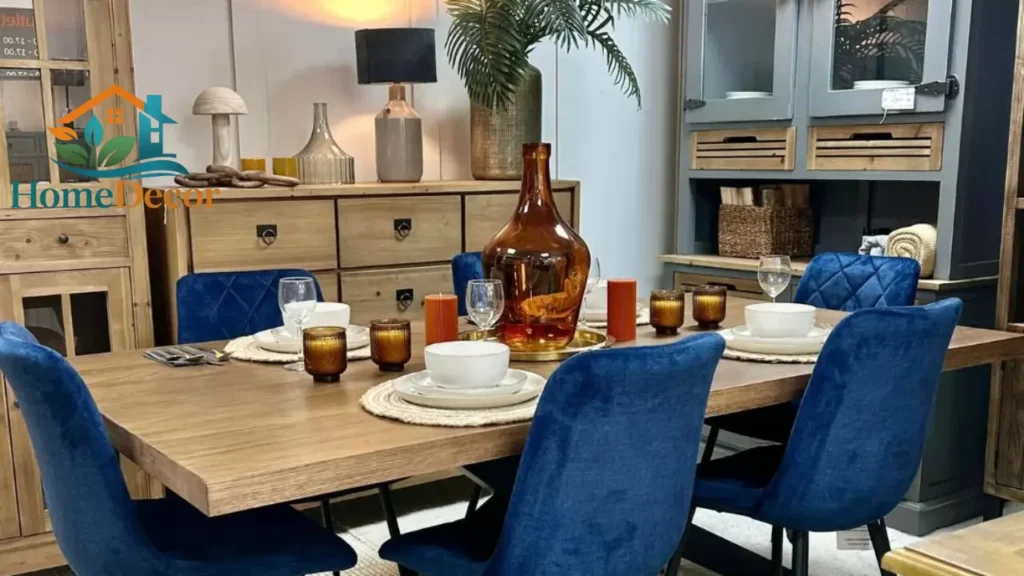
Contemporary Dining Room Chairs do far more than provide a place to sit. Mood shifts happen just because of them. Comfort at dinner? Not without the right seat. Style leans sharp, cozy, or tired based on what’s chosen. Today’s spaces push past looks alone. Eyes search for beauty that also holds up when sat on daily. Long life matters. So does fitting real routines. Because of this mix, current dining chairs keep showing up in magazines, stores, and styled corners of homes. They simply stick around.
A fresh take on seating often mixes sharp edges with gentle curves, pairing today’s fabrics and finishes in ways that sidestep fads. Sometimes covered in fabric, sometimes bare wood or metal, it might hold its form through molding or clever assembly instead of flash. Rather than shouting for attention, it sits quietly – lean, plush, shaped like art, or built like a small structure. The key isn’t any one detail standing out, but how light, line, and purpose come together into something that just fits. At home among current spaces now, it won’t feel lost when time moves forward.
Homeowners, renters, designers, and those buying their first place will find this straightforward. Useful chair types come next, followed by materials worth considering. Size matters – spacing around furniture gets explained clearly. Pairings with existing decor show what fits well together. Suggestions shift based on where the chairs go. Budgets get addressed without guesswork. Care routines keep things lasting longer. Mistakes people make appear so you skip them. Choosing modern dining chairs becomes easier when they match your table, suit how rooms are laid out, and line up with daily life.
Why contemporary dining room chairs matter in modern homes
Nowhere is the change clearer than here. Once set aside just for holiday feasts or Sunday visitors, this room hosts laptops, homework, coffee chats, game nights, quick bites, and even art projects. Sitting down means staying awhile – so comfort matters more. Chairs must slide out smoothly when needed, tuck away without fuss. Style still counts, sure – but so does how they shape the air of the place, keeping things light instead of stiff.
Lightness defines most modern dining chairs. Not only do sleek lines appear, but balanced forms also show up more than in past designs. Rather than thick carvings or bulky woodwork, smooth angles stand out alongside gentle curves. Materials play off each other quietly – no loud statements made. Style fits spaces where calm matters more than decoration. These pieces settle into rooms like something seen before yet never named.
One thing that gives these chairs value? How easily they adapt. Modern seats fit just as well in city flats or small eating corners as they do in airy open layouts or high-end dining spaces. Depending on fabric and color, one design might suit a bare-bones interior, a cozy Nordic setup, a sleek upscale house, or maybe even a laid-back warehouse-style room. This ability to shift contexts turns today’s dining chair into something you won’t need to replace soon.
What defines a contemporary dining room chair
A contemporary dining chair is not simply a modern chair in the casual sense. It usually has a deliberate balance of shape, function, and finish. Common characteristics include slim or sculpted legs, simple backs, restrained detailing, and materials that feel fresh and current. The chair may appear soft and upholstered, structured and wooden, or sleek and metal-framed. In many cases, it combines two or more materials to create contrast and visual interest.
The best contemporary chairs feel intentional. Nothing looks overworked. Nothing feels ornamental just for the sake of decoration. Instead, the design supports the function of the room. If the chair is upholstered, the padding should feel comfortable without looking bulky. If it is wooden, the frame should feel refined rather than heavy. If it is metal, the design should still feel elegant and not overly industrial unless that is the exact style you want.
Contemporary design also values proportion. That means the chair should relate well to the table height, the room size, and the overall scale of surrounding furniture. A chair may be beautifully designed, but if it overwhelms a small dining area or clashes with the table apron, it will not perform well in the space. In this category, proportion is as important as appearance.
Top contemporary dining room chair styles
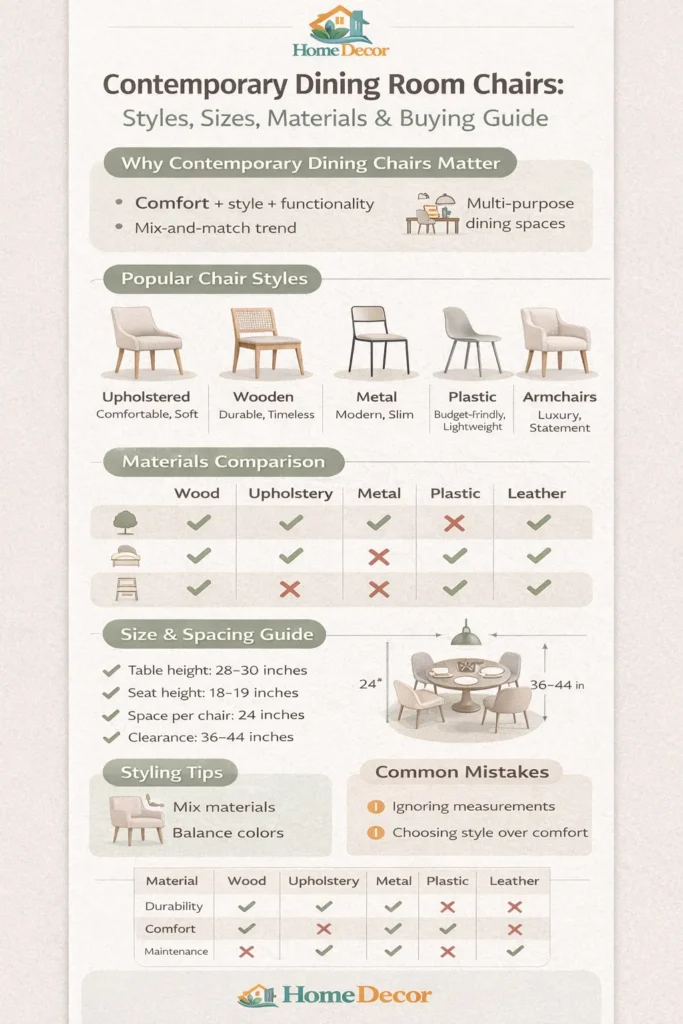
Several major chair styles fall under the contemporary umbrella. Each one has its own benefits, personality, and ideal setting.
Upholstered contemporary dining chairs
Upholstered chairs are among the most popular choices in contemporary dining spaces because they combine comfort with a soft, welcoming look. These chairs often use fabric, velvet, bouclé, microfiber, faux leather, or genuine leather. They bring a sense of warmth to the room and are especially suitable for long dinners, family gatherings, and open-plan homes where the dining area doubles as a social zone.
One of the greatest strengths of upholstered seating is comfort. A padded seat and back can make mealtimes feel more relaxed and enjoyable, especially when guests stay seated for longer periods. Upholstery also creates a more luxurious impression, which makes this style appealing in both casual and formal homes. A chair in neutral linen, textured bouclé, or smooth leather can instantly elevate the dining area.
The main trade-off is maintenance. Light-colored fabric can show stains more easily, and soft-textured materials require more regular care. For active family homes, performance fabric or stain-resistant upholstery is usually the wiser choice. This gives you the softness you want without sacrificing real-world usability.
Upholstered chairs work especially well in contemporary luxury rooms, warm minimalist interiors, and homes that prioritize hospitality and comfort. They are ideal when the dining area is meant to encourage lingering, conversation, and a more relaxed pace.
Wooden contemporary dining chairs
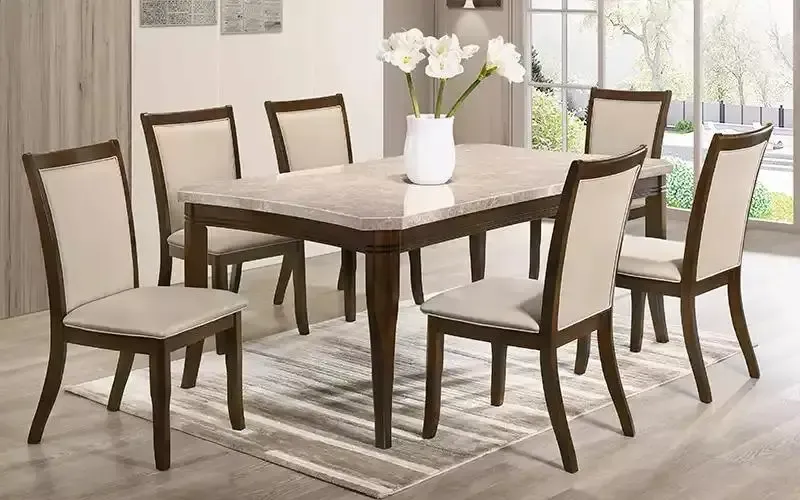
Wooden chairs remain a core choice in contemporary interiors because they offer durability, warmth, and broad styling flexibility. In contemporary design, wood is usually used in a clean, simple, and refined way. Instead of ornate carving or heavy decorative details, the frame may have tapered legs, a curved back, a rounded seat, or a sculptural profile that feels subtle and current.
Wood has a natural ability to anchor a space. It creates visual calm, pairs well with many table finishes, and complements both neutral and bold color schemes. A walnut chair can bring richness to a room. A light oak chair can create a breezy Scandinavian effect. A black-stained wood chair can feel crisp and architectural. Because of this range, wooden dining chairs are extremely adaptable.
The only limitation is comfort. Bare wood is durable and elegant, but it can feel firm during long meals. Many buyers solve this by adding a cushion or selecting a chair with a slightly contoured seat. That approach preserves the clean look while improving usability.
Wooden chairs are best for everyday dining, timeless interiors, and rooms that need warmth without visual heaviness. They are also one of the easiest styles to blend with other materials.
Metal and industrial-inspired chairs
Metal-framed dining chairs suit contemporary spaces that lean urban, modern, or industrial. They often feature slim black frames, brushed steel details, powder-coated finishes, or mixed-material combinations with leather, fabric, or wood. Their biggest advantage is visual lightness. Even when structurally strong, they tend to look less bulky than thick wooden or heavily upholstered designs.
These chairs are practical, durable, and easy to clean. That makes them valuable in compact kitchens, small apartments, loft-style homes, or spaces that need a more minimalist visual profile. They often work beautifully when paired with glass tables, concrete textures, or simple modern surfaces.
However, metal seating can sometimes feel cool or hard if the room lacks softer elements. This is easy to balance with rugs, curtains, cushions, textured lighting, or fabric accents elsewhere in the room. When styled well, metal dining chairs can feel sharp, polished, and sophisticated rather than cold.
They are a strong choice for people who want a slim profile, easy maintenance, and a more architectural mood.
Plastic and molded contemporary chairs
Plastic or molded dining chairs are often underestimated, yet they can be excellent contemporary choices when design and proportion are well handled. These chairs are usually lightweight, easy to move, and very simple to clean. That makes them especially practical for casual dining areas, renter-friendly spaces, budget refreshes, and homes where flexibility matters.
The best molded contemporary chairs do not look cheap or temporary. Good versions often feature fluid curves, ergonomic shaping, and thoughtful finishes that make them feel more refined than basic utility seating. They can create a crisp, modern look without visually crowding the room.
Their main advantage is convenience. They are ideal for families, young households, and homes that need low-maintenance seating. Their main limitation is perceived value. If the form is too basic or the material too thin, the chair may feel less premium than wood, leather, or upholstery.
These chairs are best when you want simplicity, portability, and affordability, while still keeping a contemporary design language.
Armchairs and host chairs
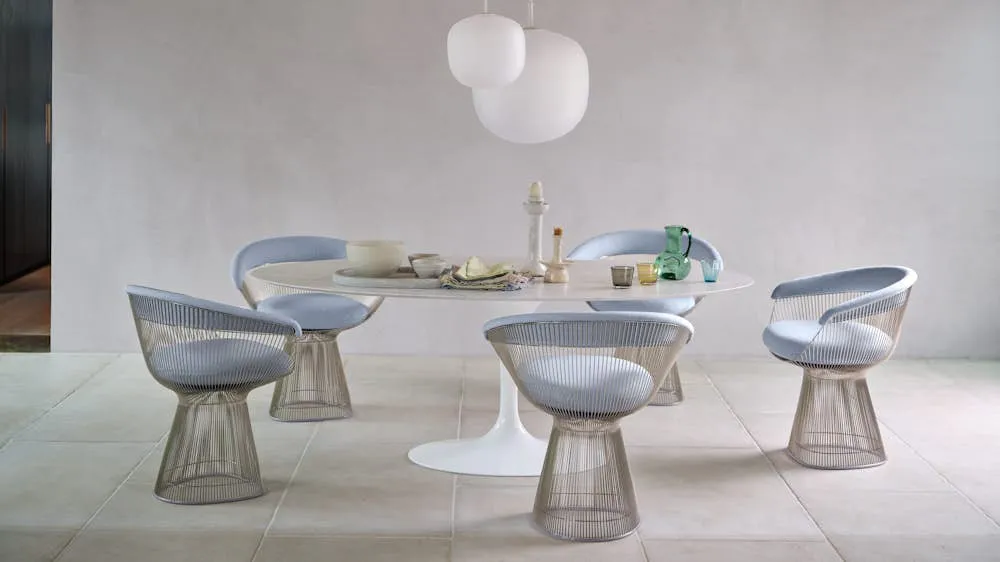
Armchairs bring more presence and comfort to a dining space. They are often used at the ends of the table, where they create a sense of structure and refinement. In contemporary dining rooms, armchairs can function as statement pieces, helping the table setting feel more intentional and elevated.
These chairs are especially effective in larger rooms or more formal dining spaces. They work well when the table has enough visual and physical breathing room. The added width, however, means they are not always suitable for compact layouts. In a small dining area, armchairs can easily make the room feel crowded if space is limited.
The big strength of armchairs is comfort and style impact. The big challenge is scale. Before choosing them, it is important to measure carefully and consider whether the table apron, nearby walls, and circulation space can handle the extra width.
Armchairs are ideal for homeowners who want a more polished, hospitality-driven look and who have enough room to support it.
Which style should you choose?
The right choice depends on how you use your dining room.
If comfort is your top priority, Upholstered Chairs are usually the strongest choice. If you want timeless appeal and easy styling, wood is a dependable option. If your room is small or modern and you want a lighter visual effect, slim metal or molded chairs may work better. If you need flexible seating for a casual home, plastic or molded chairs can be practical and stylish. If the room is large enough and you want a more elevated arrangement, armchairs at the ends of the table can provide a premium finish.
The best choice is not the one that looks most dramatic in a photograph. It is the one that fits the room, supports your habits, and remains comfortable after repeated use.
Best materials for contemporary dining room chairs
Material selection affects not just appearance, but also comfort, lifespan, cleaning effort, and how the chair ages over time. Contemporary chairs often mix materials to balance beauty and function.
Solid wood
Solid wood is one of the most reliable materials for dining chairs. It is strong, dependable, and visually warm. It suits a wide range of interiors and can last for many years when cared for properly. It is also one of the easiest materials to incorporate into contemporary spaces because it works with soft upholstery, metal accents, neutral fabrics, and most table finishes.
The downside is weight and firmness. Wood can be harder to move than molded or metal options, and it may not feel as soft for long sitting periods.
Upholstery
Upholstery gives dining chairs a more inviting, refined, and comfortable quality. It is especially useful in homes where the dining table serves as a gathering place. Fabric, velvet, bouclé, and performance materials all create different visual effects, but each can contribute to a contemporary look.
The challenge is maintenance. Upholstery needs more care than a hard surface, and some fabrics are more vulnerable to spills, marks, or wear. For that reason, stain-resistant or easy-clean fabrics are often the smartest choice.
Metal
Metal offers strength, slimness, and a modern feel. It is often used in minimalist or industrial-inspired designs, but it can also appear elegant in more refined interiors. A well-made metal chair can feel surprisingly lightweight visually while still being structurally strong.
Metal works especially well when paired with a soft seat or a textured cushion, because that combination prevents the room from feeling too stark.
Plastic and molded composites
Plastic and molded composite materials are practical, affordable, and easy to maintain. These chairs tend to be light and versatile. They are especially useful in homes where the dining area changes often or where furniture needs to be moved regularly.
The main challenge is making sure the chair has enough design quality to feel intentional rather than generic. Better molded forms solve this with strong curves and better proportions.
Leather and faux leather
Leather and faux leather both bring a polished, wipeable surface to dining chairs. They are attractive in contemporary settings because they feel smooth, clean, and sophisticated. Real leather offers a richer aging process and premium feel, while faux leather can be more budget-friendly and easier to maintain.
These surfaces are especially appealing in homes that want elegance without sacrificing practicality. They can handle spills better than many fabrics, though they still need proper care to stay looking good.
Mixed materials
Mixed-material chairs are often the most successful contemporary option because they create balance. Wood plus fabric, metal plus upholstery, or leather plus slim legs can make the chair feel more dynamic and current. Mixed materials also allow the chair to carry both comfort and visual interest.
This is one of the most important design directions in contemporary furniture because it avoids monotony. It creates a richer, more layered look without making the room feel heavy.
How to choose the right contemporary dining room chairs
Choosing dining chairs becomes much easier when you follow a clear decision process.
Start with comfort
Comfort should be your first filter. A chair may look attractive in a showroom or on a website, but if it feels awkward during a full meal, it is not the right chair for daily use. Sit in it if possible. Notice whether the seat depth feels supportive, whether the backrest encourages a natural posture, and whether the chair feels stable rather than wobbly.
For homes where dining is social and extended, padded seats and supportive backs are usually worth the investment. For occasional use, a simpler chair may be fine. The key is matching comfort level to actual use.
Match the chair with the table height
This is one of the most overlooked details in furniture shopping. A standard dining table is usually around 28 to 30 inches high. A standard dining chair seat is commonly around 18 to 19 inches high, although some chairs can sit slightly outside that range depending on their construction and intended use.
That relationship matters because it creates enough clearance for the legs and allows diners to sit comfortably without feeling cramped. If the chair is too high, the knees may bump the underside of the table. If it is too low, the dining position may feel awkward or slouched.
Consider width and spacing
Dining chairs need enough room to function properly. Wider chairs offer more comfort, but they also reduce the number of seats that can fit around the table. Slimmer chairs allow better circulation and are usually better for smaller spaces.
Think about how the chair will pull out, whether elbows will bump, and whether people can move behind seated guests without squeezing through. In real rooms, these small details make a huge difference.
Decide on a back story
Back style changes both appearance and support. High backs tend to feel more formal and structured. Low backs appear lighter and more relaxed. Curved backs soften the silhouette and are particularly effective in contemporary rooms because they introduce visual flow. Open-back or cut-out designs can also help a chair feel airier in a smaller space.
Decide whether arms are necessary
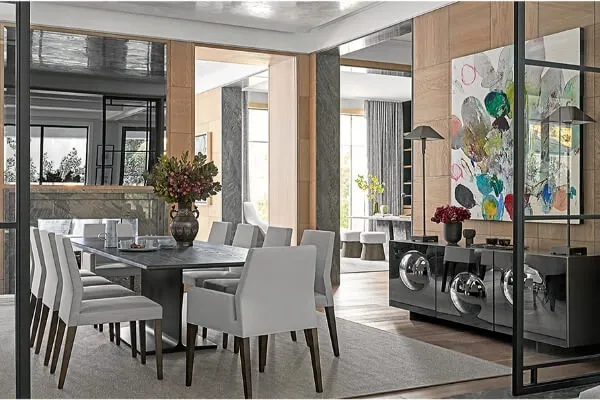
Armrests increase comfort and can make a chair feel more substantial, but they also take up more space. They are best used selectively, usually at the ends of a table or in larger layouts. In compact rooms, armless chairs usually perform better because they are easier to place, move, and store.
If the room is tight, arms can create unnecessary congestion. If the room is generous, they can add a strong sense of comfort and structure.
Dining chair sizes and dimensions guide
Getting the measurements right is essential. The best chair in the world will fail if it is too tall, too wide, or too bulky for the room.
Key measurement guide
| Measurement | Recommended range | Why it matters |
| Table height | 28 to 30 inches | Standard dining height |
| Seat height | 18 to 19 inches is very common; 18 to 23 inches is a broader standard range | Helps maintain legroom and comfort |
| Space per chair | About 24 inches or more | Prevents crowding |
| Clearance behind the chair | 36 to 44 inches | Allows easy movement and pull-out space |
| Chair width | Usually 16 to 20 inches | Supports comfortable spacing |
| Armchair width | Typically wider than side chairs | Needs more room at the table |
These numbers help you avoid the most common seating mistakes. They are not rigid rules, but they provide a dependable framework. If your room is small, slimmer chairs may still work well as long as movement is not blocked. If your room is large, you can afford broader and more expressive chair forms.
Why proportion matters so much
A chair can be stylish and still fail if it is visually too heavy for the room. A bulky frame may make a small dining area feel compressed. A tiny chair may look lost beside a large table. The goal is not only to fit the chair physically, but also to let the whole room feel balanced.
This is why proportion is such a defining principle in contemporary design. Good proportion creates visual calm. Poor proportion creates discomfort, even when the individual pieces are attractive.
How to match contemporary dining room chairs with your table
Contemporary dining chairs are often chosen specifically because they do not need to match the table exactly. In fact, many modern interiors look better when the table and chairs are Complementary rather than identical.
Wood table with upholstered chairs
This is one of the most successful combinations because it balances warmth and comfort. The wood table provides structure, while the upholstered chairs soften the room. It works especially well in homes that want a welcoming, stylish, and practical dining experience.
Glass table with metal chairs
This pairing creates a clean, airy look. Glass reduces visual bulk, and metal chairs maintain the lightweight feel. This combination works well in small rooms, urban apartments, and modern interiors that favor simplicity.
Marble table with velvet or bouclé chairs
This creates a richer, more luxurious composition. The stone surface feels refined and substantial, while the textured chairs add softness and tactile interest. It is a strong solution for premium homes and statement dining rooms.
Dark table with light chairs
This contrast adds depth and prevents the room from feeling too heavy. A dark table can anchor the space, while light chairs introduce brightness and a sense of openness. This is a strong choice in rooms that need balance and visual relief.
The safest rule for mixing
Keep one thread consistent. That thread may be color, shape, height, finish, or material. The dining room does not need to be identical. It needs to feel coordinated and deliberate. When the chair and table share at least one design language, the room feels curated rather than random.
Contemporary dining room chairs for different room types
For modern dining rooms
Modern rooms benefit from chairs with crisp lines, subtle curves, and a restrained palette. Black, white, gray, beige, walnut, taupe, and warm oak are all strong options. Avoid overly decorative or overly ornate forms if the goal is a contemporary look. Let the silhouette do the work.
For luxury dining rooms
Luxury rooms benefit from richer textures and more expressive detail. Velvet, leather, brushed metal, polished wood, bouclé, and sculpted frames all help elevate the atmosphere. In luxury spaces, one of the best strategies is to contrast a refined table with softer or more tactile chairs.
For small dining rooms
Small spaces need visual lightness. Armless chairs, slim legs, open backs, and lighter tones usually work best. Transparent or visually delicate tables can also help the room feel less congested. In compact spaces, restraint is usually more effective than drama.
For budget-friendly dining rooms
Affordable contemporary chairs can still look excellent if the proportions are right. Focus on a clean silhouette, good scale, and a finish that feels intentional. A simple molded chair, a basic wood frame, or a modest upholstered design can all look elevated when the room is thoughtfully styled.
Color, texture, and styling ideas
Color and texture play a major role in how contemporary dining room chairs feel in the room. A chair in a soft neutral color looks calm and flexible. A chair in charcoal, black, or dark walnut feels more grounded and dramatic. A chair in warm beige, sand, cream, or muted green can make the room feel inviting and current.
Texture adds depth. Bouclé introduces softness and trend-forward character. Smooth leather creates polish. Linen gives a relaxed, understated mood. Natural wood grain adds warmth and authenticity. Even if the chair shape is simple, these surface qualities can make the room feel much more layered.
When styling the dining area, try to create balance rather than competition. If the chairs are visually strong, keep the table simpler. If the table is a statement piece, let the chairs support it instead of fighting it. Contemporary interiors usually work best when every element has room to breathe.
Lighting and room composition
Dining chairs do not exist in isolation. They need to work with the lighting, table, rug, wall color, and accessories around them. A pendant light centered above the table is one of the most common and effective choices, but it should be scaled correctly. Too large, and it overwhelms the room. Too small, and it fails to anchor the setting.
Soft ambient lighting helps contemporary chairs look more refined. It highlights fabric texture, wood grain, and material contrast without making the room harsh. In dining rooms with upholstered seating, warm lighting is especially important because it enhances comfort and makes the space feel more inviting.
The surrounding furniture should support the chair design. If the chairs have strong sculptural lines, keep nearby shelving and décor clean. If the chairs are soft and rounded, the rest of the room can include similarly gentle shapes. This creates continuity and helps the room feel designed rather than assembled randomly.
Budget-friendly ways to get a contemporary look
A contemporary dining room does not require a large budget. Many affordable chairs can look stylish if chosen carefully.
Focus on these principles: clean silhouettes, controlled Color Palettes, and smart material selection. A simple chair with a well-balanced frame often looks better than a more expensive chair that feels awkward or oversized. Neutral finishes usually age better and give you more flexibility if the room changes later.
A few practical saving strategies work especially well. Buy chairs that already fit your table instead of trying to make them work later. Choose materials that are easy to maintain so you do not need to replace them quickly. Stick to one or two core finishes instead of mixing too many tones. In many cases, the most affordable chair is not the cheapest one, but the one that gives you the longest useful life.
Premium and luxury design ideas
For premium spaces, focus on craftsmanship, tactile depth, and material contrast. Chairs with stitched seams, curved backs, brushed metal accents, solid timber frames, or high-quality upholstery immediately feel more elevated. These details communicate quality even before anyone sits down.
Luxury dining chairs often work best when they show restraint. They do not need excessive decoration. They need proportion, texture, and refinement. A chair with a beautiful silhouette and a high-end fabric can feel more luxurious than one with too many embellishments.
Mixing materials is particularly effective in luxury rooms. A soft fabric seat against a sleek table, or a wood frame beside a stone top, creates a sophisticated dialogue between surfaces. That contrast keeps the room from feeling flat or overdesigned.
Common mistakes to avoid
One of the biggest mistakes in furniture shopping is buying chairs before checking measurements. It is easy to fall in love with a chair online and overlook the practical details that determine whether it will actually work in your space. Always measure the table, the clearance around it, and the width of the chair before buying.
Another common mistake is choosing style over comfort. A chair may look beautiful for a few minutes, but if it becomes tiring quickly, you will regret the purchase. That is especially true for dining areas used daily.
Oversized armchairs are another frequent problem. They can make a table feel cramped, especially in smaller rooms. Likewise, matching every chair and table too perfectly can make the room feel rigid and dated rather than contemporary.
Dark, heavy chairs in a small room can also create a closed-in effect. And delicate fabrics in a busy family home can become a maintenance burden. The smartest dining chair choice is the one that fits your space, your habits, and your level of upkeep.
Care and maintenance tips
Different materials need different maintenance routines. Wood should be wiped with a soft cloth and protected from excessive moisture. Upholstered seating should be vacuumed regularly and cleaned according to the fabric type. Leather and faux leather should be cleaned gently and quickly after spills. Metal frames need periodic checking for scratches, loose joints, or signs of wear. Plastic chairs are easier to maintain overall, but they still need inspection for stability and stress marks.
Durability begins with construction. A strong frame, stable joinery, and quality finishes matter more than a trendy silhouette. The best contemporary chair is one that keeps its shape, stays comfortable, and remains visually relevant over time.
Future-ready contemporary chair ideas
Today’s buyers increasingly want seating that is flexible, comfortable, and adaptable. That is why removable covers, performance upholstery, stackable forms, and easy-clean surfaces are becoming more popular. These practical features make it easier to live with the chair in real life, not just admire it in a photo.
Mix-and-match dining seating also continues to grow in popularity. Instead of buying a perfectly identical set, many homeowners now choose chairs that share a material, color family, or shape language while still adding variety. This makes the room feel more personal and less uniform.
Sustainability is another important direction. Natural Wood, long-lasting upholstery, repairable frames, and timeless silhouettes are all better choices than disposable furniture trends. A well-chosen contemporary chair should adapt to your home rather than become obsolete quickly.
Pros and cons of contemporary dining room chairs
Pros
They offer a clean, current appearance that fits many interior styles.
They come in a wide range of materials, finishes, and silhouettes.
They can work in small apartments or large dining rooms.
They often combine comfort with visual simplicity.
They are easier to mix and match than traditional matching sets.
Cons
Some minimalist designs sacrifice comfort for appearance.
Upholstered versions may need more maintenance.
Oversized models can crowd smaller rooms.
Trend-led designs may date faster than simple classic forms.
Cheaper versions may lack durability or stability.
Quick expert tips
Measure the table first, then buy the chairs.
Choose armless chairs when the room is tight.
Keep seat height in the standard dining range for comfort.
Leave enough room behind each chair for smooth movement.
Use mixed seating only when there is a clear visual connection.
For busy homes, choose easy-clean materials or performance fabrics.
For long dinners, prioritize support and cushioning over pure style.
FAQ
A contemporary dining chair usually has clean lines, a simple silhouette, and a current look that combines style with function. It may use wood, metal, upholstery, or a mix of materials.
Yes. Upholstered chairs are one of the best choices when comfort matters. They are especially useful for long meals, family gatherings, and formal dining rooms, though they need more care than plain wood or metal.
For most standard dining tables, a seat height of about 18 to 19 inches works very well. Wayfair also notes that standard-height dining chairs commonly range from 18 to 23 inches and pair with 28 to 30-inch tables.
Not necessarily. Current design guidance increasingly supports mixing chairs and tables thoughtfully. The key is to keep a common thread in color, shape, scale, or material.
Slim armless chairs, light-colored upholstery, open-back shapes, and visually light wood or metal frames are usually best for small dining spaces. They help the room feel less crowded.
Final thoughts
Start with how a chair fits at the table, then notice its shape. Good size matters just as much as good looks. Style helps, sure – yet sitting well throughout dinner counts more. Some pick cushioned seats for ease; others lean toward solid wood, clean steel lines, or smooth curves made for real life. A few go bold with standout designs that anchor the whole space. Whatever direction feels right, it brings balance and makes meals better without trying too hard.
Start thinking about how a chair fits into daily moments, not just looks. Picking pieces that balance design, ease, and strong materials changes their role entirely. These choices shape what the space gives back – calm, warmth, belonging. Suddenly, they’re not just seats. Life Happens around them.
