
Introduction
Lighting plays a crucial role in shaping the atmosphere, visual appeal, and comfort of any living room. A thoughtfully illuminated space instantly feels warm, inviting, and aesthetically pleasing, while poorly planned lighting can make even the most beautifully decorated room feel dull and unbalanced.
Many homeowners still rely solely on overhead lighting fixtures such as chandeliers or ceiling-mounted lights. While these provide general illumination, they rarely create the rich, layered lighting effect that professional interior designers always recommend.
Living Room Wall Sconces: 2026 Guide
This is exactly where Wall Sconces For Living Room spaces become incredibly valuable.
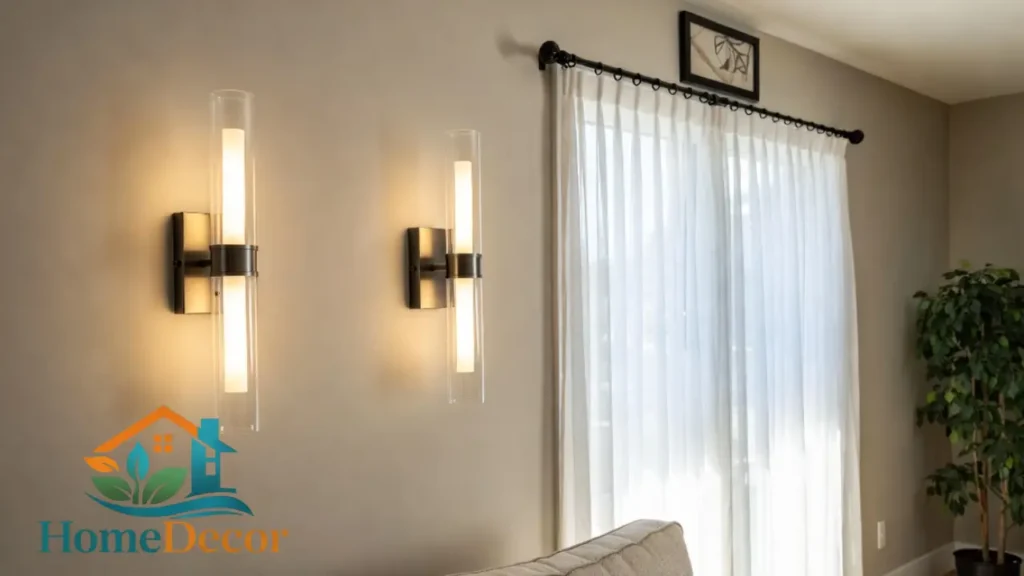
Wall sconces can really add a lot of depth and character to a room. Wall sconces can also provide you with lighting, and this can be very useful. This way, you do not have to use a lamp, whether it is a table lamp or a floor lamp, to have space on the floor and on tables. You can place wall sconces in a lot of places, such as next to a sofa or on both sides of a fireplace. Wall sconces can also be used to point to a piece of artwork or to a cozy little reading area.
Wall sconces are quite different from lamps because they can be placed directly on the wall. This can keep a room looking very tidy. This can be a very nice way to light up a room.
In modern interior design, wall sconces are no longer viewed as simple light fixtures. Instead, they function as architectural accents and decorative elements that contribute to the room’s overall aesthetic identity.
In this comprehensive 2026 guide, you will learn:
- What living room wall sconces are
- Why interior designers frequently use them in modern homes
- Different types of decorative wall sconces
- How to choose the best fixtures for your space
- Proper sconce placement height and spacing rules
- Creative wall lighting ideas for living room interiors
- Budget-friendly and luxury lighting options
- Common installation mistakes homeowners should avoid
By the end of this detailed guide, you will understand exactly how to incorporate wall sconces into your living room like a professional interior designer.
What Are Wall Sconces?
Wall sconces are lighting fixtures mounted directly onto a vertical wall surface rather than the ceiling. These fixtures project light outward, upward, downward, or in multiple directions depending on their design.
Unlike ceiling lights that distribute illumination broadly across the entire room, wall sconces often create soft, ambient lighting effects by casting light across nearby walls.
Interior designers frequently use living room wall lamps for multiple purposes:
- Highlight architectural elements
- Add layered lighting for depth
- Enhance decorative wall design
- Save space in compact rooms
- Improve lighting balance throughout the space
Because they are permanently attached to walls, decorative wall sconces help maintain an organized layout without occupying floor space or tabletops.
This makes them especially suitable for:
- Small living rooms
- Apartments or condos
- Minimalist interiors
- Modern open-concept homes
Beyond functionality, sconces also contribute to the visual personality and design language of a room.
How Wall Sconces Work
Wall sconces distribute light differently depending on their structure and orientation. Understanding how these lighting patterns function can help homeowners select the right fixture for their living room.
Different lighting directions produce different visual effects:
| Light Direction | Description | Best Use |
| Upward Lighting | Light reflects toward the ceiling | Soft ambient illumination |
| Downward Lighting | Light focuses downward | Reading or task lighting |
| Up & Down Lighting | Light spreads in both directions | Decorative accent lighting |
Each direction creates a unique atmosphere.
For example:
Upward lighting reflects light off the ceiling, producing a gentle and relaxing glow that enhances the sense of spaciousness.
Downward lighting is more focused and practical, making it ideal for reading areas or seating spaces.
Up-and-down lighting creates dramatic architectural highlights and is often used in modern interior design schemes.
Choosing the correct lighting direction can significantly influence how comfortable and visually balanced the living room feels.
Why Interior Designers Love Wall Sconces in Living Rooms
Professional interior designers rarely rely on a single light source when planning lighting for a room. Instead, they use a strategy known as layered lighting, which combines several lighting types to produce balanced illumination.
Wall sconces play a crucial role in this lighting system.
1. They Save Valuable Space
Our houses are becoming smaller and smaller. Large Lamps that can be placed on the floor or large table lamps take up a lot of space, hence interfering with our furniture.
However, lights that can be mounted on the wall in our living rooms offer a solution to our problem. The lights, being fixed to the wall, do a few things.
They:
- Free up space on the floor
- Ensure our rooms do not become cluttered
- Ensure our furniture remains in top condition, looking neat and tidy
This makes wall-mounted lights suitable for use in apartments, small rooms, and houses with simple décor. Wall sconces provide us with light without using up much space. Wall sconces are great for keeping our living rooms looking nice and spacious.
2. They Create a Cozy Atmosphere
Lighting has a powerful influence on emotional perception. Harsh overhead lighting can sometimes feel sterile or overly bright.
Wall sconces, on the other hand, distribute light gently across walls, creating a warm, diffused glow that enhances comfort. As a result, living rooms feel more relaxing, more welcoming, and more intimate. For this reason, accent lighting living room designs frequently incorporate wall sconces.
3. They Add Decorative Style
Modern decorative wall sconces are really cool because they do two things. They provide us with light. They look good. You can find wall sconces that are like little sculptures with LED lights, or you can find old-fashioned ones that are made of brass. Some people like the look of matte black lamps. And then there are the ones with frosted glass globes.
In many homes, modern decorative wall sconces are like art on the wall. They come in all sorts of shapes. They’re made of different materials. They can match the furniture and colors in the room perfectly. This is why modern decorative wall sconces are an option for people who want their home to look good. Modern decorative wall sconces can really make a room look great.
4. They Improve Lighting Balance
Effective lighting design requires a balance between three main lighting categories:
| Lighting Type | Purpose |
| Ambient Lighting | General room illumination |
| Task Lighting | Focused lighting for activities |
| Accent Lighting | Highlighting architectural or decorative elements |
Wall sconces support both ambient and accent lighting, helping create a layered, balanced lighting environment.
Types of Wall Sconces for Living Rooms
Choosing the correct type of wall sconces for living room décor can dramatically influence the overall style of your interior. Below are several popular designs commonly used by designers.
Modern Wall Sconces
Modern wall sconces feature clean lines, geometric shapes, and minimalist aesthetics. Common materials include matte black metal, brushed brass, polished chrome, and frosted or smoked glass.
These fixtures work particularly well in contemporary homes, Scandinavian interiors, and minimalist living spaces. Their simple forms create elegant illumination without overwhelming the design.
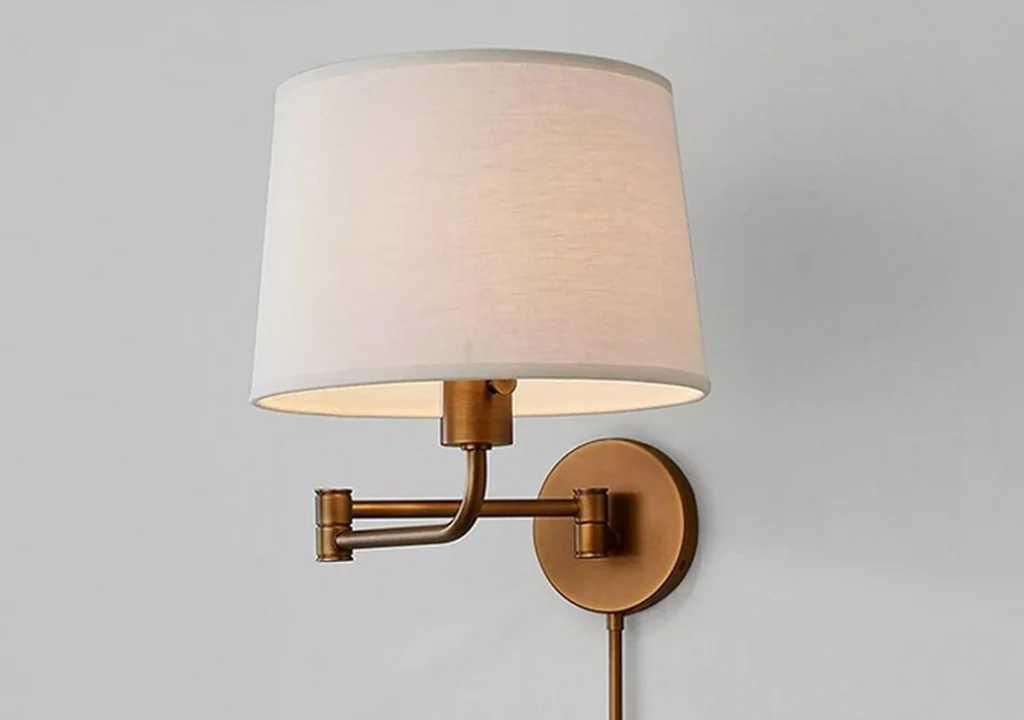
Swing Arm Wall Sconces
Swing arm wall sconces are adjustable lighting fixtures that extend outward from the wall. Their movable arms allow the light to be repositioned depending on need. This flexibility makes them excellent for task lighting.
Best locations include reading corners, beside sofas, and next to lounge chairs. Many modern apartments replace traditional table lamps with swing arm wall sconces to maximize space efficiency.
Candle Style Wall Sconces
Candle-style sconces imitate the appearance of traditional candle holders. These fixtures are especially popular in classic interiors, Farmhouse-Style Homes, and vintage-themed living rooms. They often feature warm lighting and ornate metal frames, creating a timeless and elegant ambiance.
Up & Down Lighting Sconces
These sconces emit light in both directions. Benefits include dramatic wall illumination, architectural emphasis, and balanced light distribution. Many modern homes use LED wall sconces with this design to create striking visual effects.
Picture Light Sconces
Picture lights are specialized sconces designed to illuminate artwork or decorative pieces. They are often installed above paintings, Framed Photographs, or wall sculptures. These lights create a gallery-like environment, highlighting focal points in the living room.
How to Choose the Best Wall Sconces for Your Living Room
Selecting the ideal wall sconces requires more than simply choosing an attractive design. Several practical factors influence how effective the lighting will be.
1. Size and Scale
The dimensions of the sconce should match the size of the wall and surrounding furniture. Small fixtures on a large wall may appear visually insignificant, while oversized sconces can dominate the space.
General guideline:
- Large walls → Large fixtures
- Medium walls → Medium fixtures
- Small walls → Compact sconces
Maintaining proportional scale ensures visual harmony and balance.
2. Light Direction
Different lighting directions create different moods.
- Upward → Soft ambient illumination
- Downward → Focused task lighting
- Outward → Balanced lighting distribution
For most living rooms, upward or dual-direction lighting provides the most pleasing ambiance.
3. Brightness (Lumens)
Brightness determines how much light a fixture produces.
Recommended brightness levels:
- Ambient lighting: 300–500 lumens
- Accent lighting: 200–400 lumens
- Reading areas: 500–800 lumens
Selecting the correct brightness prevents the room from feeling either dim or excessively bright.
4. Color Temperature
Color temperature influences the emotional tone of a space.
- 2700K → Warm and cozy
- 3000K → Soft warm light
- 4000K → Bright modern light
Most designers recommend 2700K–3000K lighting for living rooms because it creates a comfortable and relaxing environment.
Best Places to Install Wall Sconces in a Living Room
Strategic placement ensures the lighting looks intentional and balanced.
Beside the Sofa
Two wall sconces positioned on each side of a sofa create symmetry and frame the seating area. This arrangement highlights artwork, improves visual balance, and creates a focal point.
Around the Fireplace
Fireplaces naturally attract attention. Installing sconces on either side enhances the fireplace’s visual presence and adds warm evening illumination.
Framing Artwork
Wall sconces can highlight paintings, photographs, or wall panels. This creates a refined gallery-style display.
Entry Areas
If your living room connects to an entryway or hallway, sconces can provide welcoming illumination for guests.
Reading Corners
Adjustable swing arm wall sconces are perfect beside reading chairs because they provide focused task lighting without needing table space.
How High to Hang Wall Sconces in a Living Room
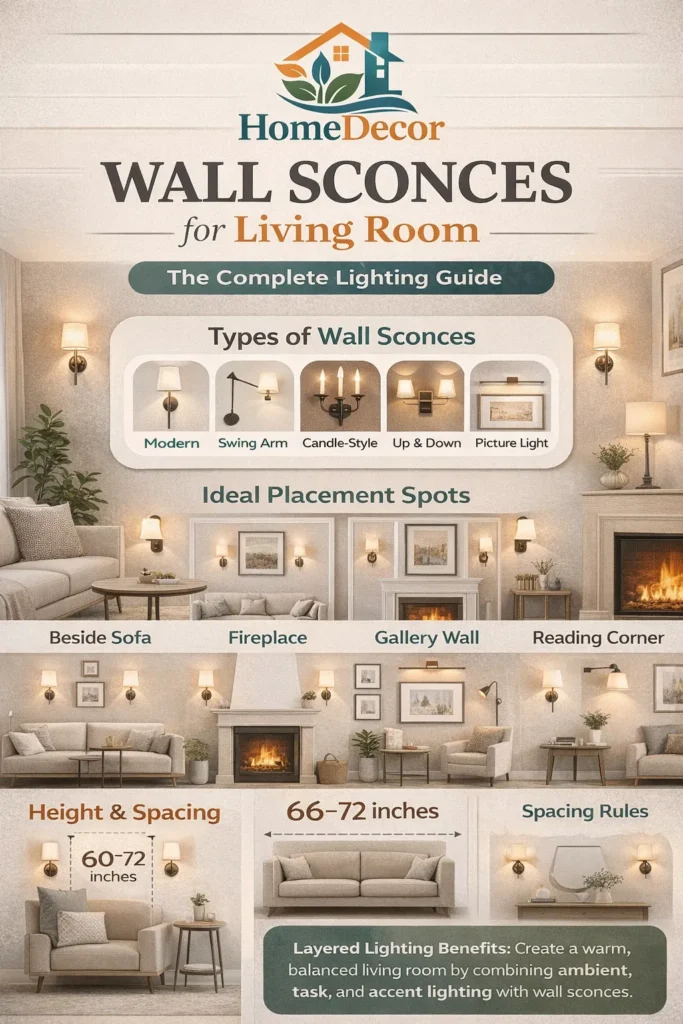
Correct placement height ensures comfortable illumination and prevents glare. Most designers recommend installing sconces 60–72 inches above the floor. This places the light close to eye level.
Adjusting Height for Ceiling Size
| Ceiling Height | Suggested Sconce Height |
| 8 ft ceiling | 60 – 66 inches |
| 9 ft ceiling | 66 – 70 inches |
| 10+ ft ceiling | 70 – 72 inches |
Following these guidelines helps maintain balanced lighting throughout the room.
Wall Sconce Spacing Rules
Spacing also influences visual symmetry. A common guideline is placing sconces 6–8 feet apart. However, placement should also consider furniture alignment, windows and doors, artwork placement, and architectural details.
Correct spacing creates a professional interior design appearance.
Living Room Wall Sconce Design Ideas
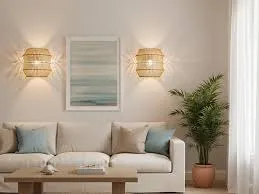
Below are popular lighting strategies designers frequently use:
- Symmetrical Sofa Lighting – Two sconces on each side of a sofa create strong visual balance.
- Fireplace Accent Lighting – Sconces flanking a fireplace emphasize the room’s focal point.
- Gallery Wall Lighting – Picture lights highlight framed artwork.
- Minimalist LED Lighting – Slim LED sconces complement modern interiors.
- Sculptural Statement Sconces – Artistic fixtures serve as decorative focal points.
Budget-Friendly Wall Sconce Ideas
Enhancing your lighting does not necessarily require expensive fixtures. Affordable options include plug-in wall sconces, basic LED fixtures, minimalist metal lamps, and DIY installations. These alternatives provide stylish illumination without major renovations.
Luxury Wall Sconce Ideas
High-end interiors often feature designer lighting pieces. Luxury options may include brass designer sconces, marble wall fixtures, sculptural LED lights, and smart lighting systems. These fixtures frequently function as functional art pieces within the room.
Wall Sconces vs Floor Lamps vs Table Lamps
Each lighting solution serves different purposes:
| Lighting Type | Advantages | Best Use |
| Wall Sconces | Space-saving and decorative | Accent lighting |
| Floor Lamps | Flexible placement | Reading areas |
| Table Lamps | Portable lighting | Side tables |
The most effective lighting schemes combine all three.
Common Wall Sconce Mistakes to Avoid
Avoid these common errors when installing living room wall lamps:
- Installing sconces too low
- Placing fixtures too close together
- Using excessively bright bulbs
- Ignoring layered lighting principles
- Choosing fixtures that are too small
Correct planning ensures both functional and aesthetic success.
Maintenance and Care Tips
Regular maintenance ensures sconces remain attractive and functional.
Cleaning
- Dust fixtures weekly
- Use a microfiber cloth
- Avoid harsh chemicals
Bulb Replacement
LED bulbs are recommended because they last longer and consume less electricity.
Electrical Inspection
Inspect wiring periodically to ensure safe operation.
Smart & Future-Ready Lighting Ideas
Smart lighting technology is becoming increasingly popular. Modern LED wall sconces may include features such as voice control, smartphone dimming controls, adjustable color temperature, and automated lighting schedules. These innovations provide both convenience and energy efficiency.
Pros and Cons of Wall Sconces
Pros
Improve room ambiance
Add decorative design
Support layered lighting
Highlight artwork and architecture
Cons
Installation may require wiring
Fixed position after installation
Some designs provide limited brightness
Quick Pro Tips for Perfect Wall Sconce Lighting
Install sconces at eye level
Use warm lighting between 2700K and 3000K
Match fixture size with wall dimensions
Combine sconces with ceiling lights
Install dimmers to control brightness
Frequently Asked Questions
Yes. Wall sconces for living room lighting provide ambient and accent lighting while saving space. They also improve interior design and create a cozy atmosphere.
Most living rooms use two to four sconces, depending on the room size and layout.
Not completely. Sconces work best as part of layered lighting, combined with ceiling lights and lamps.
Some require hardwired installation, while plug-in wall sconces can be installed without electrical work.
Warm lighting between 2700K and 3000K creates the most comfortable atmosphere.
Conclusion
Wall sconces for the living room are great for lighting. They look great. They can be used to make the living room look fancy and feel cozy.
Wall sconces can make a difference in how the living room looks. They can make the living room feel fancy and cozy if the right ones are selected and placed in the right locations.
The wall sconces can be selected in styles that are simple and contemporary or ones that resemble old candles. There are fancy ones designed by designers. The right Wall Sconces can make the living room look great and feel like a place to be. Wall sconces are a way of adding style to the lighting in the living room.
