
Introduction
Upholstered Dining Room Chairs are one of the simplest upgrades you can make when you want a dining area to feel softer, warmer, and more inviting. They do more than improve the look of the room. They change the way a table is used every day. A well-chosen chair supports long meals, conversation, homework, work calls, and family gatherings while also making the dining space feel more complete. In 2026, that matters even more because dining rooms are shifting away from purely functional setups and moving toward more intimate, textured, and personality-filled spaces. Designers are pointing to moody palettes, natural materials, ambient lighting, and tactile surfaces as major directions this year, all of which work especially well with upholstered seating.
This guide is written in clear, practical language so the buying process feels simple rather than overwhelming. It covers what upholstered dining chairs are, the main chair types, the best materials, how to measure properly, what styles fit 2026 interiors, and how to care for the chairs so they last. If you are trying to choose chairs that look beautiful, feel comfortable, and hold up in real life, this is the right order to follow.
What Are Upholstered Dining Room Chairs?
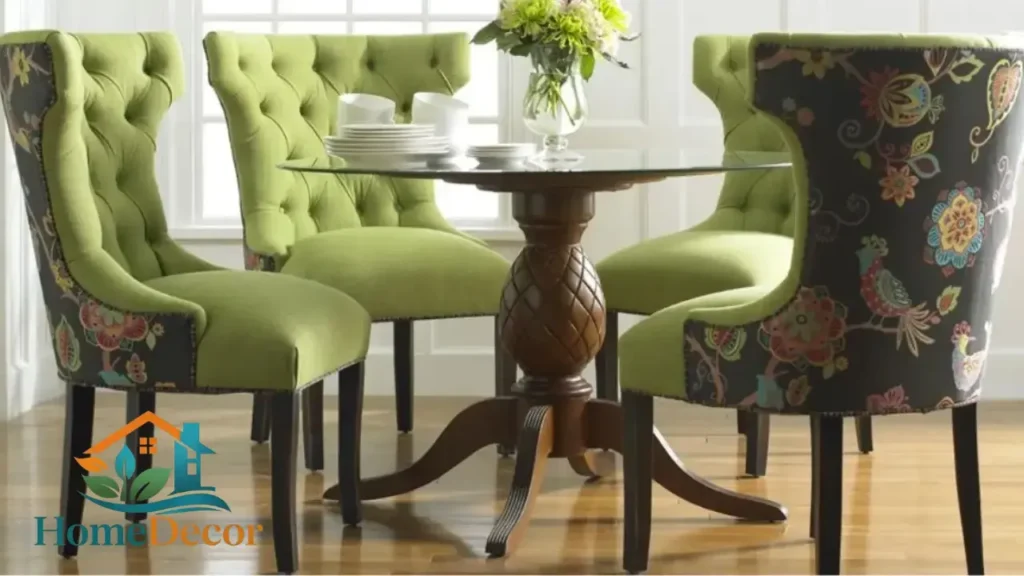
Upholstered dining room chairs are dining chairs that use padding and a soft outer covering on the seat, the back, or both. The cover can be fabric, leather, velvet, performance fabric, or another textile designed for furniture use. Compared with hard wooden or metal chairs, upholstered chairs usually feel gentler on the body, create a more finished look, and make the dining area feel more layered and comfortable. Retailers like Crate & Barrel describe upholstered seating as a way to add warmth and polish to a dining space, while Wayfair notes that different chair constructions and materials can shift the room between formal, casual, modern, and traditional moods.
These chairs are useful in many kinds of homes. They fit formal dining rooms, compact apartments, kitchen nooks, open-plan homes, and multipurpose dining areas where the table is also used for work or family routines. That flexibility is part of their appeal. You get comfort without giving up visual style, and you can adapt the same chair family to different table shapes and room sizes. Crate & Barrel also notes that dining chairs can be mixed and matched for an eclectic effect, which gives homeowners even more freedom when building a complete room.
Why upholstered chairs are still a top choice in 2026
The dining room is becoming important again as a real living space, not just a place for occasional entertaining. Many current design discussions emphasize intimate gatherings, everyday usefulness, and more defined dining zones instead of oversized open areas that feel too empty. Upholstered seating fits that shift perfectly because it makes the room feel more human, more layered, and more welcoming. The soft texture also balances today’s stronger use of wood, stone, and moody wall colors.
Why Choose Upholstered Dining Room Chairs?
The biggest reason people choose upholstered dining chairs is comfort. A padded seat and back reduce the hard, upright feel that many basic dining chairs create. That makes a clear difference during longer dinners, weekend brunches, holidays, and daily family use. Room & Board explicitly notes that upholstered dining chairs are an especially comfortable option for long meals, which explains why they continue to be such a strong category for everyday dining.
A second reason is style impact. Upholstery adds softness, color, and texture, which helps the dining room feel finished even when the rest of the furniture is simple. In 2026, that visual softness is particularly useful because dining rooms are leaning toward richer, more atmospheric design rather than flat, minimal schemes. Chocolate brown, muted green, soft charcoal, walnut, oak, and other earthy notes are showing up repeatedly in trend coverage, and upholstered chairs naturally support that direction.
A third reason is versatility. Upholstered chairs can be traditional, transitional, modern, glamorous, cozy, or formal, depending on the silhouette, material, and frame. Crate & Barrel’s dining chair guide highlights upholstered, wood, metal, faux wicker, and other material mixes, showing that the same category can be adapted to many design languages. That flexibility makes upholstered chairs one of the safest choices when you want something that will still feel right later.
Types of Upholstered Dining Room Chairs
Side Chairs
Side chairs are armless dining chairs. They are usually the easiest choice for most dining rooms because they take up less space and slide in neatly around the table. They also work with nearly every table shape, including round, square, rectangular, and oval tables. Crate & Barrel describes side chairs as versatile and suitable for both formal and casual settings, which is why they are often the default choice for everyday dining.
Best for: small dining rooms, apartment spaces, family dining rooms, and layouts where you want to seat more people without crowding the room.
Armchairs
Armchairs include side arms and create a more substantial, more formal look. They are commonly used at the head and foot of the table so the room feels balanced and slightly more elevated. Crate & Barrel’s guidance notes that armchairs create a stronger statement but require careful measuring so they fit comfortably under the tabletop and do not dominate the room. Because they are wider, armchairs need more planning than side chairs.
Best for: larger dining rooms, formal spaces, and tables where you want a more polished head-and-foot arrangement.
Wingback Chairs
Wingback chairs create a more dramatic silhouette with a taller back and more visual presence. This makes them a strong option when you want the dining room to feel special, defined, and memorable. They work especially well in rooms that already have enough scale to support a larger chair profile. In 2026’s moodier dining spaces, wingbacks can feel elegant and intentional instead of overly traditional.
Best for: formal dining rooms, statement spaces, and interiors that aim for a more luxurious, memorable look.
Parsons Chairs
Parsons chairs are one of the cleanest upholstered dining styles. They usually have straight lines, a simple form, and a fully upholstered look that works in many design schemes. Crate & Barrel describes contemporary dining chairs as useful across formal and casual rooms, and the Parsons shape is one of the easiest ways to get a refined look without visual heaviness. This makes it a dependable choice when you want the room to stay timeless.
Best for: transitional homes, modern dining rooms, and homeowners who want a classic shape with wide styling flexibility.
Best Materials for Upholstered Dining Room Chairs
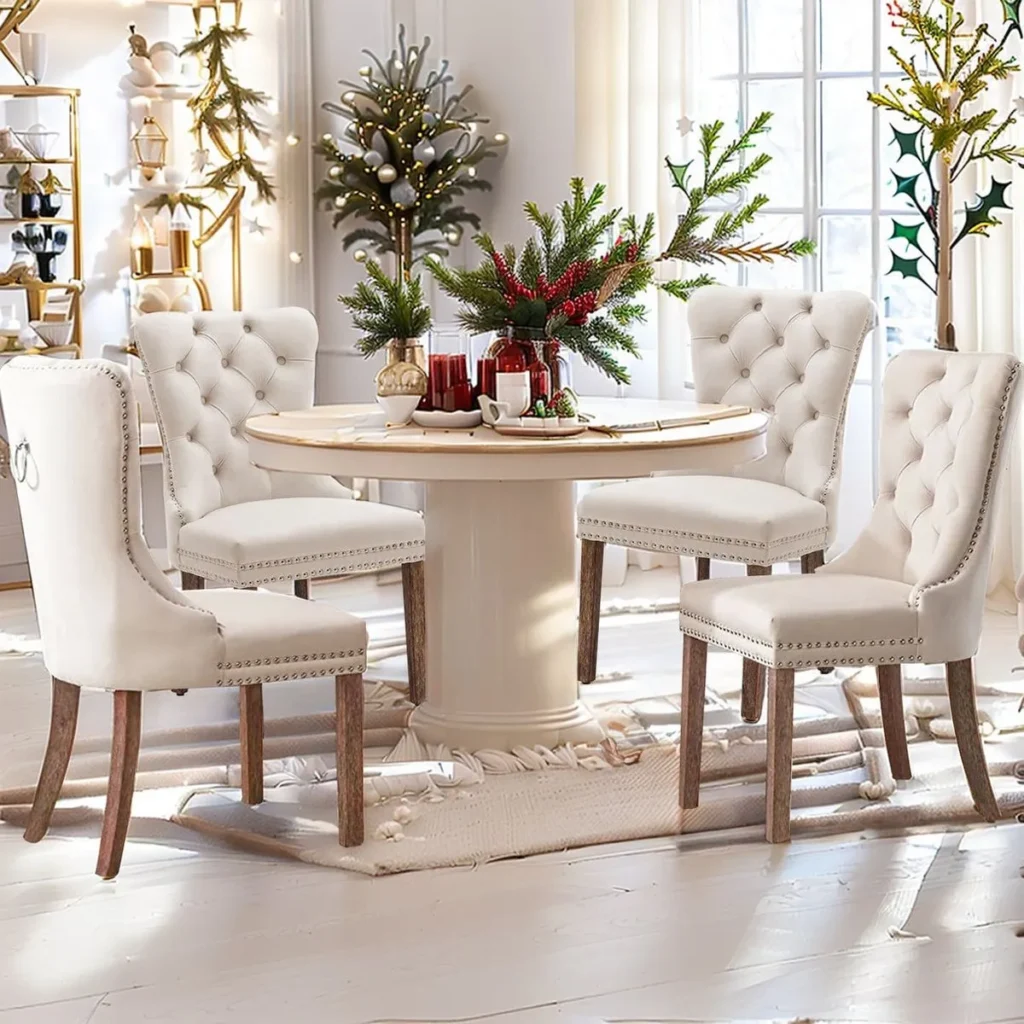
Choosing the right upholstery material is one of the most important decisions in the entire process. A chair can look beautiful in a photo and still be wrong for daily life if the fabric is too delicate, too hard to clean, or too prone to wear. Room & Board’s material guides make it clear that buyers now have a wide range of options, including plain-weave fabrics, twill, velvet, Performance Fabrics, recycled-content options, and top-grain leather. The right choice depends on how the room is used, how much maintenance you are willing to do, and what kind of visual effect you want.
Fabric
Fabric is the most flexible and customizable upholstery choice. It comes in many colors, weaves, finishes, and price levels, which makes it ideal for buyers who want broad design freedom. Room & Board highlights family-friendly fabrics, performance fabrics, and tight-weave styles that are built to handle heavier use, making fabric a strong option for homes that want softness plus practicality.
Best for: everyday homes, casual dining rooms, and buyers who want the widest range of color and texture options.
Performance Fabric
Performance fabric is the smart choice for households that use the dining table often. Room & Board explains that many of its performance fabrics are contract-grade or high-traffic ready and that these fabrics are designed to resist stains, fading, and abrasion. In real life, that means fewer worries about spills, pets, and repeated use. For families, this is often the most stress-free upholstery category.
Best for: busy homes, children, pets, frequent entertaining, and daily-use dining rooms.
Leather
Leather gives a dining room a polished, durable, and long-lasting feel. Room & Board states that its leathers are top-grain European hides, which it identifies as the highest-quality option available for upholstered furniture. The company also notes that top-grain leather is valued for strength and softness, and it can become more beautiful with age when cared for properly. Leather is therefore one of the strongest premium materials for a dining room that needs both style and resilience.
Best for: premium dining spaces, long-term investment use, and homeowners who want a refined but practical finish.
Velvet
Velvet creates a richer, softer, more dramatic mood. Room & Board describes velvet as a classic pile fabric with a plush feel that develops a patina over time. It also notes that velvet makes colors appear deeper and more vibrant. That makes it ideal for homes that want the dining room to feel cozy, elegant, and slightly more theatrical. It is beautiful, but it generally asks for more careful maintenance than performance fabric or leather.
Best for: statement dining rooms, formal settings, and interiors that want tactile luxury.
Simple comparison table
| Material | Best for | Main strengths | Main trade-off |
| Fabric | Everyday use | Soft, adaptable, many colors and textures | Some fabrics need more care |
| Performance fabric | Busy homes | Stain resistance, durability, and easy maintenance | Often costs more than basic fabric |
| Leather | Premium settings | Durable, refined, timeless, easy to wipe | Higher price point |
| Velvet | Statement rooms | Plush, elegant, deep color, rich texture | More maintenance and greater sensitivity |
Room & Board’s guides support this practical way of thinking: choose the upholstery based on real life first, then use style as the final filter. That approach helps you avoid regret later.
How to Choose the Perfect Upholstered Dining Room Chairs
The best chair is not always the most expensive or the most decorative one. It is the chair that fits the table, the room, and the way your household actually lives. The strongest buying process starts with measurements, then moves to material, then style. That order is supported again and again by major furniture retailers because comfort and fit depend on getting the basic dimensions right.
Measure your table first.
Do not start by picking a style you like online. Start with the table height and table size. Wayfair says there should be 10 to 12 inches between the top of the chair seat and the bottom of the table to give diners enough leg room. The company also notes that standard dining chairs usually measure 18 to 23 inches from the floor to the seat and pair with tables that are 28 to 30 inches high, while counter-height chairs are usually 24 to 26 inches high and pair with tables that are 34 to 36 inches high.
Check how much room each chair needs
A chair does not exist in isolation. It needs to work as part of the whole room. Wayfair recommends about 24 to 26 inches of eating space per diner and notes that many layouts also benefit from spacing between chairs so people do not feel squeezed. Room & Board recommends 18 to 24 inches of space for every chair at the table, which is another useful guideline for keeping the room comfortable and functional.
Match the chair style to the room size
If the room is tight, slimmer upholstered side chairs are usually the safest choice because they preserve movement and keep the room visually lighter. If the room is large, you can use wider chairs or armchairs at the ends to create more presence. Crate & Barrel’s style guidance shows that Different Dining Chair forms serve different room moods, from casual to formal, and that makes it easier to build a layout that feels deliberate rather than crowded.
Think about your household routine.
A family dining room needs a different upholstery strategy from a formal dining room that is used mainly for special occasions. Room & Board’s fabric and leather guides emphasize family-friendly, pet-friendly, and high-traffic materials, which is a strong signal that lifestyle should lead the decision. If children, guests, and daily use are part of the plan, durability matters more than a delicate finish that looks pretty only on day one.
Choose structure, not just softness
A chair should feel comfortable during a long meal, but it should also stay supportive over time. Hidden construction matters. Seat support, frame stability, cushioning quality, and joinery all affect how the chair will age. Retail descriptions from major furniture brands often highlight cushioned seats, slim legs, and supportive build details because the internal structure is what protects long-term comfort. The upholstery is only part of the story.
Dining Chair Size and Spacing Guide
This section matters because sizing mistakes are the fastest way to make a dining room feel awkward. A chair that is too tall, too wide, or too tightly packed can make even a beautiful space feel difficult to use. The good news is that the sizing rules are straightforward and consistent across major furniture guidance.
Quick sizing rules
| Measurement | Recommended range | Why it matters |
| Standard seat height | 18 to 23 inches | Fits standard dining tables |
| Counter-height seat height | 24 to 26 inches | Fits counter-height tables |
| Seat-to-table clearance | 10 to 12 inches | Leaves enough leg room |
| Space per chair | 18 to 24 inches | Prevents crowding |
| Space per diner | 24 to 26 inches | Supports comfort and elbow room |
Wayfair’s chair and table-height guides support these exact ranges, especially the seat-height ranges and the 10 to 12 inch clearance rule. Room & Board’s spacing guidance reinforces the need for enough room per chair so diners can move, sit, and eat without feeling compressed.
Simple spacing example
Imagine a six-seat table in a medium-sized dining room. It may be tempting to choose six oversized upholstered chairs because they look luxurious, but that can make the room feel tight fast. A better approach is often to use slimmer side chairs along the long sides and, if the room allows it, place armchairs at the ends for emphasis. That gives you a more balanced look while preserving comfort and movement. Crate & Barrel’s chair guide supports the idea of mixing chair types and materials to create a more tailored dining setup.
Best Styles and Design Ideas for 2026
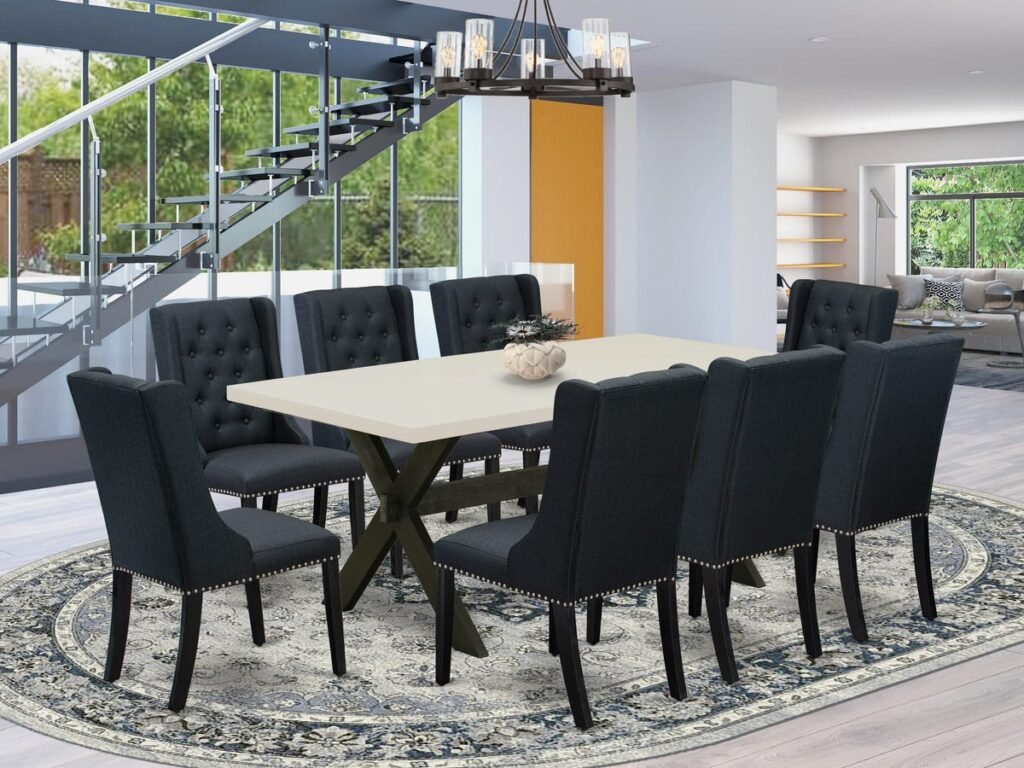
The strongest dining room direction for 2026 is comfort with character. Instead of cold minimalism, current trend coverage is leaning toward rooms that feel intimate, atmospheric, and tactile. Moody color, warm wood, soft textiles, and ambient light are all part of that shift, which makes upholstered chairs feel more relevant than ever.
Curved silhouettes
Rounded chair backs, softened edges, and gentle profiles make the dining room feel more inviting. Curved shapes are easier on the eye and often make the room feel more relaxed. They also pair nicely with today’s move toward organic forms and softer interior lines in furniture and lighting. A curved upholstered chair can make even a simple table feel more intentional.
Moody neutrals
Chocolate brown, charcoal, beige, taupe, olive, and muted green are especially strong choices for 2026 because they support the deeper, cozier look many designers are favoring. ELLE Decor’s dining room trend coverage specifically points to chocolate browns, soft charcoals, and muted greens as colors that make a room feel immersive and warm. These shades also work well with walnut and oak furniture, which are both showing up heavily in current interior trend reports.
Textured fabrics
Texture matters because it creates visual depth without needing loud patterns. Plain-weave fabrics read as clean and modern, twill adds a subtle diagonal structure, and velvet brings a plush, richer feel. Room & Board’s fabric guide lays out these differences clearly and shows how each one changes the emotional tone of the chair. If you want a room that feels layered rather than flat, texture is one of the easiest ways to get there.
Mixed materials
Mixing upholstery with wood legs, metal bases, or wood-and-fabric combinations is an easy way to make a dining room feel modern without making it cold. Wayfair’s chair guide explains that different Chair Materials can create different moods, while Crate & Barrel highlights chairs that combine upholstery with slim wood legs for a balanced contemporary look. This is a simple design move, but it can make the whole room feel more curated.
Luxury statement layout
For a more premium dining room, place armchairs at the ends of the table, use upholstered side chairs along the sides, and pair the setup with warm, dimmable lighting and a substantial wood table. Current lighting trend coverage emphasizes sculptural, statement fixtures and ambient glow, which makes a dining room feel more relaxed and refined at the same time. This kind of layout can create a strong, high-end look without needing a complete remodel.
Best Upholstered Dining Room Chairs for Different Homes
For families with children
Performance fabric and durable leather are usually the best choices. Room & Board says many of its performance fabrics are made for high-traffic use and resist stains, fading, and abrasion. Its leather guidance also identifies top-grain leather as a high-quality upholstery option that becomes more beautiful with time. For families that use the dining room daily, these two materials are typically the safest and most practical.
For small dining rooms
Choose armless side chairs with slimmer legs and a lighter profile. Crate & Barrel’s chair guide shows that side chairs are the most flexible option for compact rooms and can be used in casual eat-in kitchens as well as more formal spaces. A lighter visual footprint makes the room feel less crowded and helps the table remain the focal point.
For formal dining rooms
Choose upholstered chairs with a cleaner silhouette, richer fabric, and perhaps armchairs at the ends. Parsons chairs and tailored upholstered styles are especially useful when you want the room to feel elegant without becoming overly ornate. Crate & Barrel’s dining chair guidance supports this kind of thoughtful mix, where shape and material work together to set the tone.
For luxury interiors
Velvet, top-grain leather, broader cushioning, and stronger chair profiles work very well in more upscale settings. Room & Board describes velvet as plush and color-rich, and its leather guide positions top-grain leather as the highest-quality upholstery leather for furniture. When paired with warm lighting and natural materials, these chairs create a sophisticated dining atmosphere that feels calm but elevated.
Budget-Friendly Ideas
You do not need the most expensive chair to create a good dining room. The best budget strategy is to focus on fit and structure first. If the chair has the right height, the right proportions, and a stable frame, it will usually perform better than a more expensive chair that is oversized or awkward for the room. The major furniture guides consistently emphasize size, material, and room fit because those factors drive comfort and usefulness over time.
Another smart budget move is to choose a neutral upholstery tone that can survive future style changes. Beige, cream, brown, gray, taupe, and muted green are easy to restyle with different table finishes, rugs, and accessories. That matters in 2026 because trend coverage continues to favor grounded, earthy palettes rather than extreme colors that may feel dated faster.
A third way to save money is to avoid oversizing. Armchairs are attractive, but they use more space and often cost more. In compact or medium rooms, a set of slim upholstered side chairs often gives you a better final result for less money because the room stays open and comfortable. Wayfair’s spacing guidance makes this especially clear.
Premium and Luxury Ideas
If you want the dining room to feel more elevated, upholstered chairs are one of the strongest upgrades you can make. Richer textures, better proportions, more considered shapes, and stronger finishing details all contribute to a more luxurious experience. A dining room with a solid wood table, sculpted upholstered chairs, a large textured rug, and ambient lighting can feel far more complete than a room with hard seating and no soft contrast. Current dining and lighting trend coverage supports that richer, more immersive direction.
Luxury-friendly choices include top-grain leather, velvet, armchairs at the table ends, and curved or sculptural chair backs. Room & Board’s leather and fabric guides support top-grain leather as a premium upholstery option, while its velvet guidance highlights the richer visual depth of velvet. Crate & Barrel’s chair examples also show how upholstered pieces with tailored lines and wood legs can feel elegant without looking overly formal.
Common Mistakes to Avoid
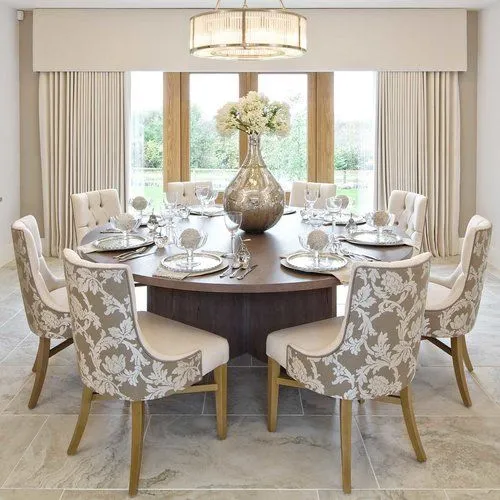
The biggest mistake is buying based on appearance alone. A chair may look beautiful in photos, but still fail in everyday use if the seat height is wrong, the width is too large, or the upholstery is too delicate for your household. That is why the measurement rules from major retailers matter so much.
The second mistake is ignoring room spacing. If chairs are packed too tightly, the dining room feels smaller and less comfortable, and even a high-end table can start to feel awkward. Room & Board and Wayfair both stress enough room per chair and enough clearance for comfortable sitting, which is a reminder that layout is part of design, not an afterthought.
The third mistake is choosing the wrong material for the lifestyle. A delicate textile in a busy family room can become frustrating very quickly, while a performance fabric or durable leather can make the same room much easier to live with. Room & Board’s material guidance is built around this exact idea: choose the upholstery according to use first.
The fourth mistake is forgetting that armchairs need more space. They add style, but they also add width. Crate & Barrel specifically points out that armchairs should be measured carefully so they fit under the table and do not overwhelm the layout. That caution is worth following because the wrong armchair can disrupt the whole room.
Pros and Cons of Upholstered Dining Room Chairs
| Pros | Cons |
| Very comfortable for long meals | Some fabrics need more care |
| Add warmth, texture, and color | Oversized chairs can crowd small rooms |
| Work in casual and formal rooms | Lower-quality upholstery may wear faster |
| Available in many styles | Armchairs use extra space |
Upholstered dining chairs stay popular because the benefits are real: comfort, style, and flexibility. The trade-offs are also real, but they are manageable when the chair is chosen carefully and matched to the room properly.
Care, Cleaning, and Durability Tips
A good upholstered chair lasts much longer when it is cleaned and maintained the right way. For fabric upholstery, Room & Board recommends spot cleaning and specifically says not to dry clean or machine wash cushion casings because that can damage the fabric, backing, or stitching. It also recommends professional cleaning for larger or stubborn stains and advises avoiding direct sunlight when possible to reduce fading.
For leather, Room & Board says to blot spills immediately, avoid rubbing, vacuum with an upholstery attachment, and use leather care products appropriate to the leather type. Its leather guide also explains that top-grain leather is valued for strength and softness and can age very well with routine care. That makes leather a strong choice for people who want something practical but still upscale.
For velvet, Room & Board notes that the fabric naturally develops patina over time and suggests regular vacuuming and gentle brushing to maintain the pile and sheen. That means velvet can be a good choice when you appreciate character and softness, as long as you are comfortable with a bit more care.
The easiest maintenance habits are simple: vacuum crumbs often, blot spills quickly, follow the maker’s care instructions, and keep chairs out of harsh sun when possible. These small actions make a noticeable difference in how long the upholstery stays attractive.
Smart Buying Checklist
Before buying, use a simple checklist so the chair works in the room instead of just looking good in a photo.
| Question | What to check |
| Does the chair fit the table? | Leave 10 to 12 inches between the seat and the tabletop |
| Does the chair fit the room? | Plan 18 to 24 inches per chair, where possible |
| Is the material practical? | Choose performance fabric, leather, or velvet based on use |
| Is the frame sturdy? | Look for solid structure and good support |
| Does the style match the room? | Match shape, color, and scale to the table and space |
This checklist works because it starts with function and ends with aesthetics. That is the best way to buy furniture that still feels right after the excitement wears off.
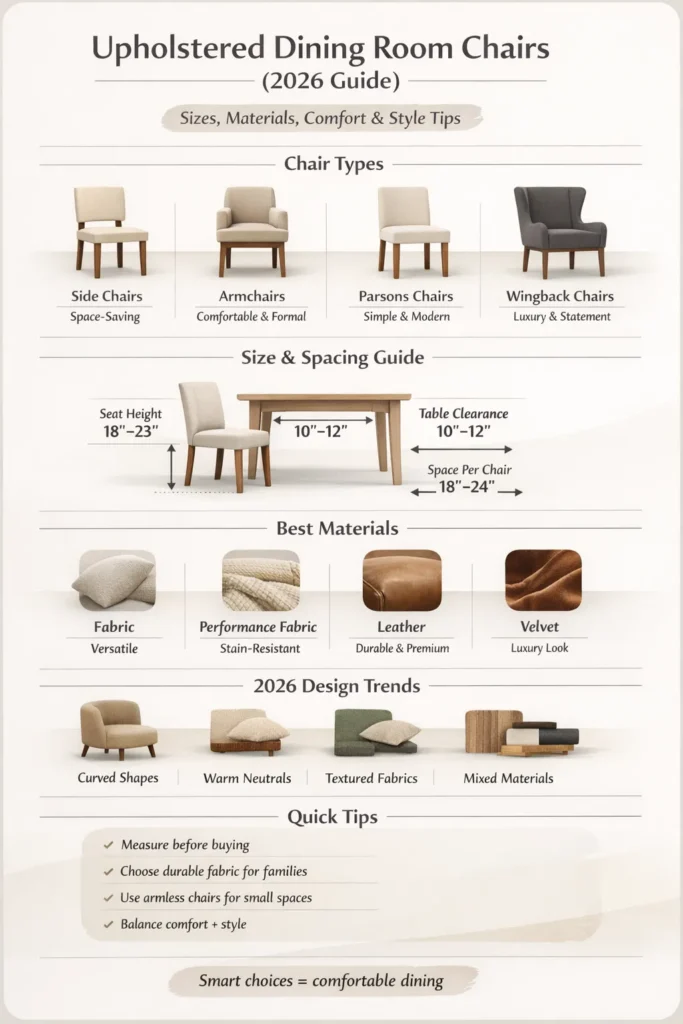
Quick Tips
Measure the table before shopping for chairs.
Keep 10 to 12 inches between the seat and the tabletop.
Use armless chairs when space is tight.
Choose performance fabric or leather for busy homes.
Use warm neutrals and textured fabrics for a 2026-friendly look.
FAQs
For standard dining tables, 18 to 23 inches is the usual seat-height range. For counter-height tables, 24 to 26 inches is the common range. Wayfair gives both measurements in its dining chair guidance.
A comfortable gap is usually 10 to 12 inches between the top of the seat and the bottom of the table. That leaves enough leg room and makes sitting down easier.
Performance fabric is usually the most practical choice because it is designed to resist stains, fading, and abrasion. Leather is also a strong option because it is durable and relatively easy to clean.
Not necessarily. Modern performance fabrics and quality leather are made for real-life use, but spills still need quick attention, and the care instructions should be followed carefully. Room & Board’s cleaning guidance shows that proper maintenance makes a major difference.
Yes. Mixing chair types is a smart way to create a more layered dining room. Crate & Barrel notes that mixing chair styles and materials can create an eclectic or cohesive look depending on how you combine them.
Final Buying Advice
The best upholstered dining room chairs are the ones that fit your table, suit your lifestyle, and feel comfortable every day. Start with size. Then choose the material. Then refine the style. That sequence prevents the most common buying mistakes and helps you create a dining space that feels practical, polished, and easy to live with for years. Major furniture guidance keeps pointing to the same truth: the best chair is the one that works in real life first.
For most homes, the most reliable all-around choice is a neutral upholstered chair with a solid frame, comfortable cushioning, and a durable finish such as performance fabric or leather. That kind of chair fits current design directions, handles everyday use well, and stays versatile if the rest of the room changes later. In a dining room that needs to feel Welcoming, modern, and easy to maintain, upholstered chairs remain one of the smartest upgrades you can make.
