
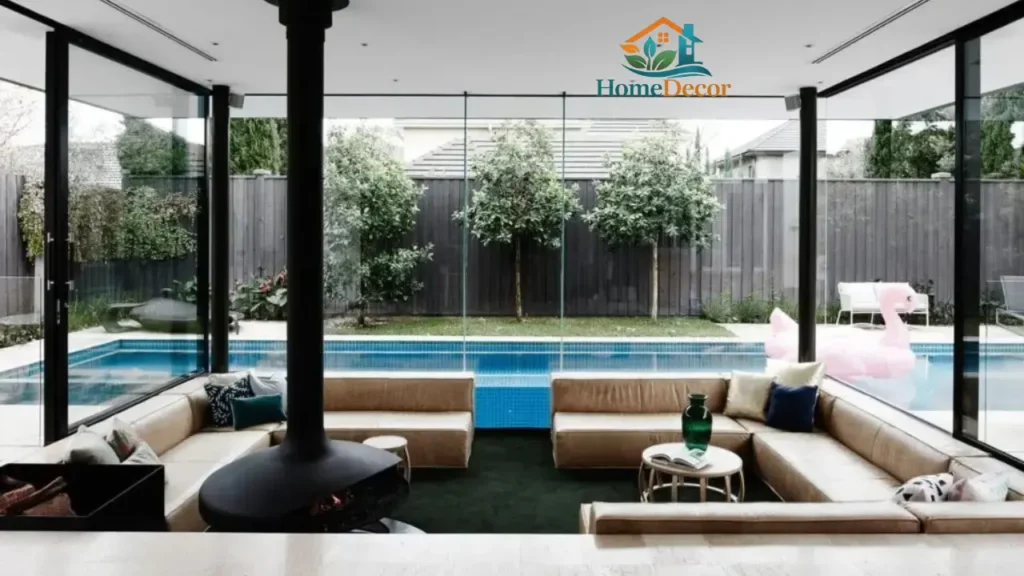
Introduction
Sunken Living Rooms are really cool again. They used to come in mid-century modern homes, you know, like the conversation pits where people used to hang out. And people are putting them in their homes again because they are so nice.
A sunken living room is an area that is lower than the rest of the house. It is old-fashioned, to a certain extent, but it is also really modern and fancy. It is nice to sit in it and read a book or watch a movie because it is so cozy.
The best thing about it, however, is that it creates different areas in the room without having to make walls in it. So, if you are renovating a house or building a new one, a sunken living room is a great idea because it makes the whole house look fancy and cozy, too.
Modern designers love living rooms. Living rooms can actually help to establish separate areas in open-plan homes. Textures, lighting, and the right furniture can transform a sunken living room into a family time party room or a simple, relaxing space.
This is a guide that will take you through the design of a living room, from the initial idea to the end product. In this guide, we’ll discuss design ideas, choosing the right furniture, lighting, safety, cost, and maintenance. You’ll learn how to transform your sunken living room into a beautiful focal point in your home.
What Is a Sunken Living Room?
A sunken living room is a section in a large room where the floor is lower.
It is 12 to 18 inches lower than the rest of the floor. This is similar to 2 to 3 steps down from the rest of the floor. The lower section of the floor helps to establish a feeling and identify the location of the living room. The sunken living room does not block the light and does not make the room feel closed in. The lower floor level helps to distinguish the living room from the rest of the room. The sunken living room and the rest of the room are still connected.
Key Characteristics
- Introduces visual depth and zoning in open-plan homes
- Enhances perception of ceiling height and spatial proportion
- Creates cozy, intimate spaces for family, guests, or media
- Offers flexibility in furniture arrangement while establishing a focal area
Historical Context
Sunken living rooms became popular in mid-century modern homes, featuring low-profile sofas, patterned rugs, and integrated shelving. Contemporary interpretations blend retro elements with Scandinavian minimalism, Japandi aesthetics, or luxurious modern finishes, providing a versatile canvas for design experimentation.
Why Choose a Sunken Living Room? Benefits Explained
Visual Separation Without Walls
The lowered floor acts as a natural divider, ideal for creating conversation pits, media corners, or reading nooks. Unlike traditional partitions, it Maintains Openness, preserves sightlines, and supports fluid circulation.
Architectural Interest & Character
A sunken area instantly becomes a statement feature, adding sophistication and elegance without heavy structural alterations. The interplay of height, floor levels, and furniture creates dynamic spatial narratives.
Enhanced Ceiling Perception

By lowering the seating plane, ceilings appear taller and more expansive. Contrasting wall hues, layered lighting, and strategic furniture placement amplify this sense of vertical spaciousness.
Cozy & Intimate Gathering Space
Sunken living rooms naturally enclose the area, fostering warmth and intimacy. They are perfect for family movie nights, quiet reading retreats, or fireplace-centered lounges.
Drawbacks & Concerns of Sunken Living Rooms
| Concern | Description | Mitigation Tips |
| Accessibility | Steps may challenge elderly or mobility-impaired individuals | Install handrails, step lighting, and contrasting edges |
| Higher Construction Costs | Excavation and structural modifications may increase budgets | Plan for modular or prefab solutions |
| Limited Layout Flexibility | Fixed step levels can restrict furniture arrangement | Use movable seating or modular sofas |
| Safety | Step edges can be tripping hazards | Add LED step lighting, textured flooring, and handrails |
Tip: Prioritize safety features before construction. They not only protect occupants but also enhance property value.
Planning Your Sunken Living Room: Step-by-Step Guide
Define the Purpose
Identify the primary function of the sunken zone:
- Cozy Corner: Ideal for reading, lounging, or family relaxation
- Conversation Pit: Low seating surrounding a central coffee table
- Media Lounge: TV-focused arrangement with layered lighting
Take Accurate Measurements
- Depth: 12–18 inches (2–3 steps) for comfort and accessibility
- Minimum Walkway: 36 inches for circulation
- Ceiling Height: Maintain visual balance with lowered floor
- Furniture Footprint: Plan for low sofas, rugs, or built-in seating
Budgeting & Cost Considerations
Costs vary based on design complexity, materials, and labor. Consider these factors:
- Structural Excavation/Framing
- Flooring: Wood, tile, carpet, or concrete
- Lighting & Electrical Work
- Custom or Modular Furniture
| Feature | Budget | Premium |
| Floor excavation | $500–$1,500 | $2,000–$5,000 |
| Flooring | $300–$1,000 | $1,500–$3,000 |
| Built-in seating | $800–$2,000 | $3,000–$6,000 |
| Lighting & electrical | $200–$800 | $1,000–$2,500 |
Lighting Design
Sunken spaces can feel dim if not illuminated properly. Consider:
- Recessed ceiling fixtures for even ambient light
- Wall sconces for accent lighting
- Floor lamps for warmth and task lighting
- LED step lights to enhance safety
- Skylights or glass partitions to maximize natural daylight
Safety Features
- Handrails or grab bars at steps
- Contrasting edges for step visibility
- Slip-resistant surfaces or rugs

Sunken Living Room Design Ideas
- Retro Conversation Pit: colors, low sofas, and designed rugs
- Minimalist Scandinavian: simple colors, Wooden Floors, clean lines
- Fire-Focused Retreat: fireplace, in the middle, fire details made of stone and metal
- Japandi Zen: a combination of Japanese and Scandinavian styles, natural colors, and real textures
- Indoor-Outdoor Connection: large glass windows, plants, patio connection
- Family-Friendly Layout: smooth edges, carpeted floor, storage spaces
- Monochrome Modern: one color throughout, new furniture in modern style, soft lighting
- 8-25. Other Concepts: seats, sofas that can be rearranged, shelves, built-in spaces, colored walls, special rugs, different materials, step lights, soft blankets, special furniture, simple designs, old and new combined, luxurious materials, house plants, water features, soft lighting, and open spaces.
Furniture & Décor Tips
- Built-in Seating: Integrates storage, saves space, and keeps sightlines clear
- Low Coffee Tables: Maintain open sightlines and intimacy
- Area Rugs: Define the lowered zone and add warmth
- Layered Textures: Cushions, throws, and rugs enhance comfort
- Lighting Accents: LED strips beneath seating or shelves
Room Layout & Space Planning
- Keep circulation unobstructed
- Integrate sunken zones with open-plan kitchens or dining areas
- Ensure proportionality: smaller rooms require shallower depressions
| Furniture | Placement Tip | Design Note |
| Sofa | Along step edges | Prefer backless designs for openness |
| Coffee Table | Centered | Maintain a low profile |
| Shelving | Surrounding walls | Floating shelves maximize space |
| Rug | Anchoring seating | Use contrast in texture and color |
Color, Lighting & Flooring Recommendations
- Colors: Warm neutrals, Soft Pastels, bold retro tones
- Lighting: Layered approach, ambient, task, accent
- Flooring: Hardwood, polished concrete, tiles, plush carpets
- Accents: Throw pillows, planters, sculptural décor
Budget-Friendly Sunken Living Room Ideas
- Prefab modular seating instead of custom-built
- Reclaimed wood or laminate flooring
- DIY LED step lighting
- Minimalist décor with impactful textures
Premium & Luxury Concepts
- Curved upholstered conversation pits
- Marble or exotic wood flooring
- Integrated smart lighting and automated blinds
- High-end built-in storage and entertainment centers
Common Mistakes to Avoid
- Excessively deep sunken areas
- Poor lighting and visibility
- Ignoring safety measures
- Neglecting furniture ergonomics
- Disrupting flow in open-plan spaces

Maintenance, Care & Longevity Tips
- Vacuum and clean rugs regularly
- Inspect step lighting and electrical fittings
- Protect wood or tile surfaces
- Rotate cushions and throws to maintain freshness
Smart, Modern & Future-Ready Ideas
- Voice-controlled lighting systems
- Hidden charging stations within built-in seating
- Modular furniture for adaptable spaces
- Sustainable and eco-friendly materials
Quick Pro Tips:
- Maintain consistent step depth
- Utilize layered lighting for ambiance control
- Low furniture enhances the perception of space
- Rugs help define sunken zones visually
FAQs
A sunken living room should be about 12 to 18 inches deep. This is like two or three steps. This is good, as it is safe and practical.
A sunken living room is safe. You just need to have lights. You also need handrails, and the edges of the steps should stand out.
You can add a room to a home that is already built. You might need to change something about the structure.
A sunken living room does not reduce the value of a home. In fact, a sunken living room can make a home appealing. It adds a touch to the home. A sunken living room makes a home stand out.
Low-profile sofas, built-in seating, coffee tables, and area rugs maximize comfort and aesthetics.
Conclusion
A sunken living room is really something. It makes a regular room look amazing. This is because it is pretty, safe, and easy to use. When you have a living room, it becomes the main part of your home that people notice.
You can make your sunken living room look any way you want it to look. You may like the fashionable look, or maybe you prefer simple and nice, or maybe you prefer fancy and expensive. Whatever you prefer, you have to consider how you want it to look, choose the Appropriate Furniture, and utilize lights in a manner that makes it look good.
When you do it in the correct manner, a sunken living room is not something that people are doing nowadays. A sunken living room is a way to show your style. It is comfortable, and it is a cool idea that people will like for a long time. A sunken living room is a thing to have in your home.
