
Introduction
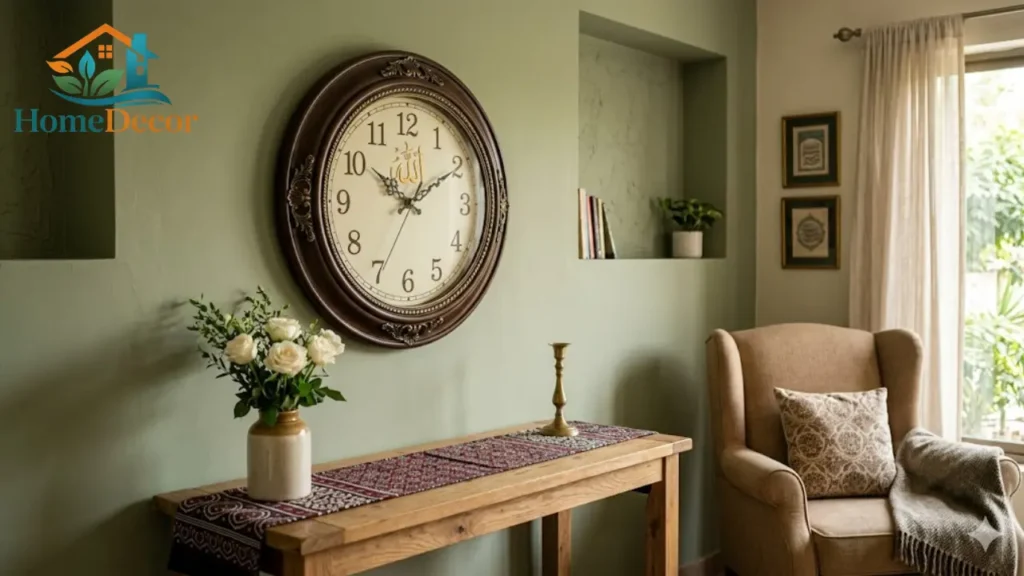
A Sitting Room Wall Clock is never just a timekeeper. In a well-designed home, it acts like a quiet anchor that brings order, rhythm, and visual character to the room. A single piece might calm an empty wall, define a sleek room, add cosiness to beige spaces, yet still bring elegance to high-end corners when chosen well. When it fits, it seems planned. If off, it reads as rushed.
A sitting room clock deserves attention that most overlook. Not just how it looks matters. Size plays a role, as well as whether you can read the time easily. Some tick too loudly, which bothers more than helps. Even pretty ones fail if they clash with the walls or furniture. The quiet ones often suit living spaces best. Placement changes everything – high, low, centred, or offbeat. The right colour connects without shouting. Wrong scale turns charm into clutter. Feeling matters as much as function. A spot up high might drain a sleek look of its strength. Getting the timepiece to fit the space – rather than fight it – is what matters.
Picture this guide as a quiet helper, tucked into your space like a well-placed timepiece. It gathers smart wall clock thoughts meant for living rooms, nothing more. Style talks come first – then sizing, where to hang it, what it’s made of, and how the hands move. Some picks cost little, others feel rich, all without pressure. Common hiccups? They’re flagged here, gently. Homes change – modern ones, old styles, tight corners or wide-open areas – and so should clock choices. Maybe you lean toward sleek designs, oversized faces, worn textures, or models that tick without sound. Every angle shows up, seen clearly, with no extra noise.
Sitting Room Wall Clocks and Their Role in Home Decor
A space for sitting often stays active, drawing eyes the moment someone walks in. Guests arrive there, relatives meet up, talks unfold, and sometimes silence settles in, too. For this reason, it must handle many roles without effort. Comfort matters, so does appeal, and harmony plays its part. Time on a wall can tie these pieces into place.
It works better right away. Telling the time fast matters when you are moving through your day. Grabbing your phone less keeps you tuned into where you are. Little things like that help the space feel smoother.
Now picture that bare stretch of wall behind your couch. Most living areas leave those spots untouched – above a side table, along a quiet corner, or right over the mantel. Something about the emptiness just sits wrong. That is where a timepiece steps in. Instead of unused square footage, you get a point of interest. The flat surface gains reason to be seen.
Out of nowhere, the mood shifts because of what hangs on the wall. Timepieces whisper quiet elegance or shout bright energy – it depends on their look. One sleek black number brings order without trying too hard. Wood grain wraps the area in soft comfort like an old habit. Big shiny faces catch light, then hold attention longer than expected. Quiet timepieces shape calm spaces. That’s the reason these living room wall clocks fit right in – useful, yet shaping the mood too.
Types of Sitting Room Wall Clocks
A clock fits only when it matches the space around it. Because of how a room looks or feels, one type might work better than another. Depending on shape and wall space, certain designs make more sense. Some tick softly while others stand silent against the paint. Each kind changes the air of a hallway, kitchen, or bedroom differently.
Modern wall clocks for sitting room spaces
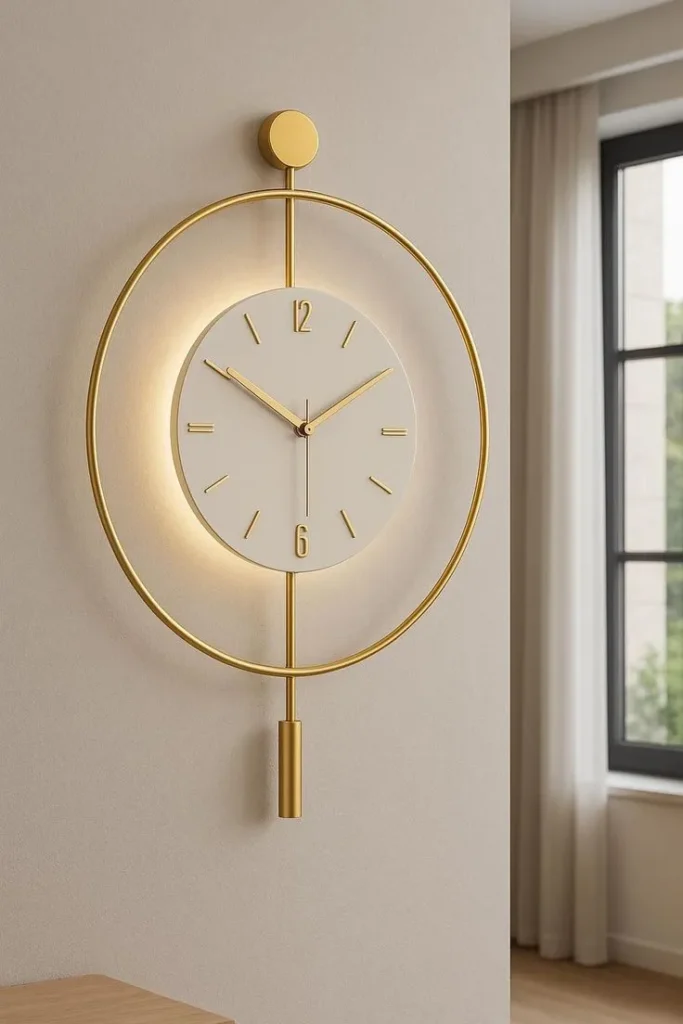
Simple spaces welcome these designs without question. Thin borders appear alongside quiet numbers, held together by understated details. Not flashy – just clear shapes in soft shades. When walls stay bare, and tones stay low, the clock fits like it was always meant to be there.
Most times, a clean clock blends right into the space instead of standing out. Slim edges meet sharp shapes, often paired with single-tone dials and quiet accents. When the area feels ordered, one of these timepieces slips in quietly – adding function while keeping things light.
Large statement wall clocks
A single piece can grab attention fast. Usually big, sometimes bold in shape, it draws the eye even from afar. Over empty stretches of wall, they settle naturally. Positioned above extended seating, their presence balances the space. In shared living areas without dividers, these fit just right. When a wall feels incomplete, one of these adds what’s missing.
A bold clock might just act like artwork on your wall. Suddenly, an ordinary room seems planned out, thanks to one striking piece breaking up blank surfaces. Instead of fading into corners, it pulls attention and lifts flat tones across a dull stretch of paint. Size matters most here – too small, and it disappears; too big without reason looks clumsy. When placed thoughtfully, like high behind a couch setup, its presence feels intentional, almost architectural.
Rustic or vintage wall clocks
Older styles tend to fit spaces that welcome you like a well-worn coat. Sometimes, cracked paint, sometimes numbers shaped in stone letters, bring them to life. Wooden looks sit beside tarnished brass or clock faces with worn edges. What shows up feels lived-in, comfortable by accident almost.
Wooden tables, bookshelves, warm lamps – these spaces breathe easier with a well-placed clock. A woven rug underfoot, layered textiles nearby, classic furniture holding steady… that is where old-style timepieces feel at home. Depth lives in the corners, character hums along the walls, so a weathered or country-made clock simply belongs.
Silent wall clocks
Stillness matters most when you want nothing but peace inside four walls. Think of spaces meant for flipping pages or just zoning out – noise has no place there. Even small sounds, like a tick repeating every second, can break the mood fast. Places built for rest need tools that respect silence. Clocks made without noise work by gliding instead of jumping, soft in their motion.
Most folks sleep better when there is no constant tick breaking the quiet. These timepieces fit well in rooms meant for rest because they work without sound.
Feature wall clocks above the sofa
What catches your eye here isn’t quiet – it demands attention. Often large, sometimes bold in shape, they might shine with metal or stack in unusual layers. Artistic forms mix with sharp angles, standing out instead of blending in. Positioned above a sofa, their job isn’t mere decoration but presence – refined, intentional, impossible to overlook.
A strong setup lets the wall talk with the furniture instead of against it. From there, the sofa holds things down while the clock adds the last note. Using Timepieces like this ranks among the sharpest moves in styling a room.
Smart or digital wall clocks
A few show extra details like the weather, not just hours and minutes. Modern households tend to prefer them because they make life a bit easier. Information appears clearly on smooth screens. Gadgets such as these fit well where simplicity meets daily usefulness.
A digital clock might seem sharp and smooth inside a brand-new-looking space. Yet in older-style rooms, its presence leans toward usefulness rather than charm.
How to Choose the Right Wall Clock for Living Room Use
Choosing the right clock becomes much easier when you follow a simple sequence. Instead of starting with style alone, think through the room first.
Match the clock to the room style
A clock should feel like part of the room’s language.
A modern room usually works best with metal, glass, black, white, or other restrained finishes.
A classic room often suits wood, bronze, brass, or Roman numerals.
A luxury room may call for gold accents, mirrored effects, marble-like finishes, or elegant sculptural forms.
A family room often benefits from warm materials and clear readability.
The point is not perfect matching. The point is visual harmony.
Think about size before anything else.
Size matters more than most people expect. A small clock on a large wall disappears. A huge clock on a compact wall can overwhelm the space. Proportion is the secret to making a clock feel intentional.
Small walls usually need compact clocks.
Medium walls usually need balanced clocks.
Large walls usually need statement clocks.
Choose the right mechanism
The mechanism matters as much as the style.
Quartz movement is accurate, affordable, and low-maintenance.
Silent sweep movement is ideal for quiet rooms.
Mechanical movement offers a traditional, crafted feel but usually needs more care.
Digital and smart options work well in modern homes that value convenience.
For most homes, quartz is the practical default. For quiet rooms, a silent sweep is often the best upgrade. These are important parts of materials and mechanisms decisions, because the inside of the clock affects how it behaves every day.
Keep readability in mind.
A clock should look good, but it should also be easy to read. Strong contrast, clear hands, and an uncluttered face make a clock useful from the sofa. If people have to squint, the design has failed in its main job.
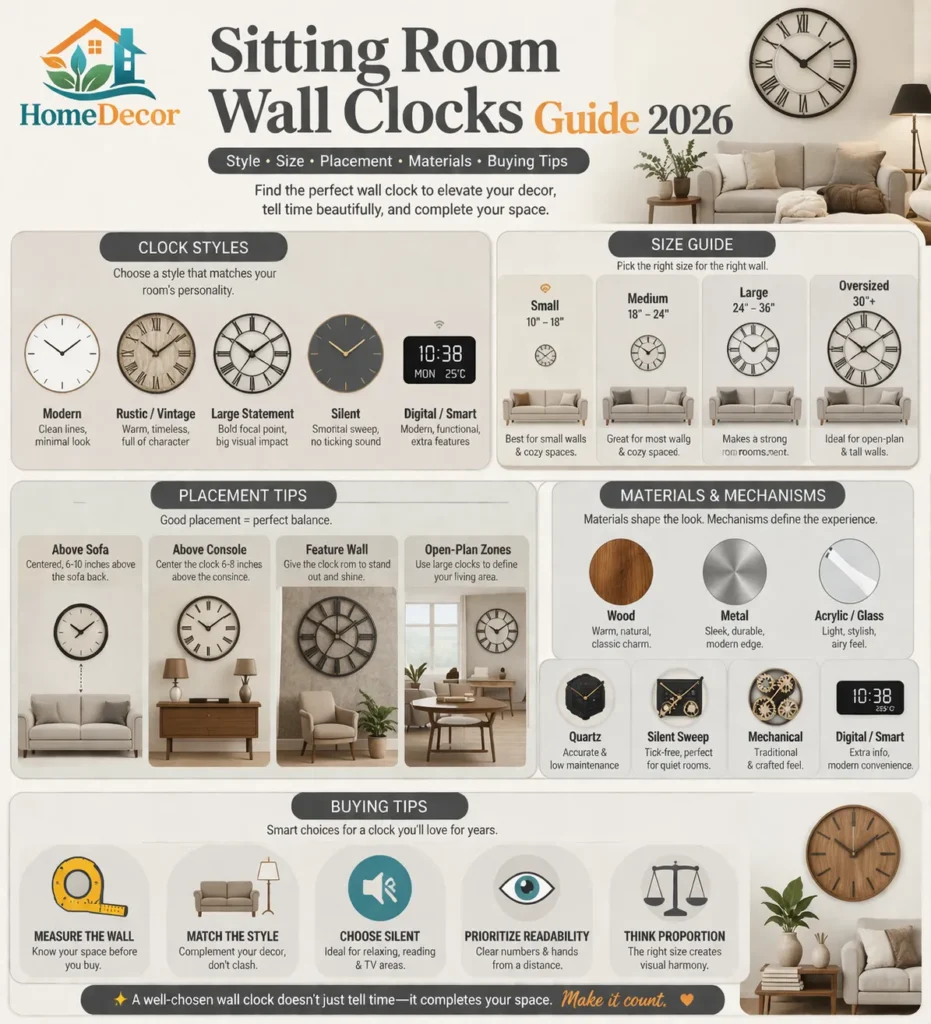
Wall Clock Size and Placement Rules That Actually Work
A wall clock only looks good when it is scaled correctly. This is where many people make mistakes. They buy the clock before measuring the wall or thinking about the furniture around it. That often leads to awkward spacing, weak balance, or a piece that feels too small to matter.
The wall clock should feel visually connected to the room. It should relate to the sofa, console, fireplace, or wall area around it. The following guide helps simplify the process.
Best placement ideas
Above the sofa
This is one of the most common and effective positions. The clock becomes part of the furniture arrangement instead of floating independently. The sofa anchors the lower part of the composition, while the clock finishes the wall above it.
For the best result, keep enough gap so the clock does not feel jammed against the furniture, but not so much that it appears disconnected. This is why feature wall clocks above sofa layouts are so popular. They provide structure and visual balance.
Above a console table
This is a smart option for medium-sized walls. The console grounds the display and gives the clock more context. Add only a few pieces around it if you want the clock to stay the star of the arrangement. A lamp, a small vase, or a tray can be enough.
On a feature wall
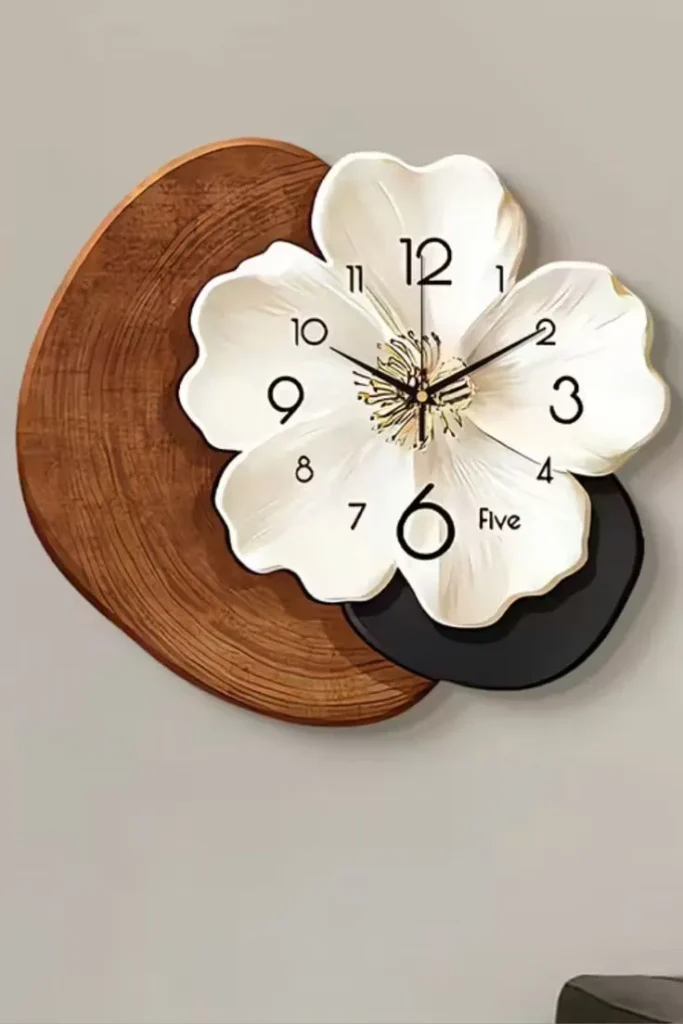
A feature wall gives the clock room to breathe. This is ideal for large or oversized clocks that need a wider visual field. The clock can stand alone and still feel complete.
Near a reading corner
A smaller clock or a silent model can make a reading corner feel finished. The space becomes more intentional without becoming crowded.
In open-plan living rooms
In open-plan family homes, a clock can help define the sitting area. It creates a visual boundary without closing the room. That makes the clock useful both stylistically and spatially.
Simple placement rules
Centre the clock in the visual area it belongs to.
Leave breathing space around it.
Avoid overcrowding the wall with too many competing items.
Make sure it is readable from the seating area.
Hang it at a height that feels natural to the eye.
A useful starting point is eye-level thinking, but the exact position should still respond to the furniture below it. In many living rooms, the best placement is the one that keeps the clock connected to the sofa or console instead of making it feel separate.
Best Wall Clocks for Living Room Décor by Interior Style
The right clock does not look right only because it is attractive. It looks right because it belongs to the room’s design vocabulary. Here is how to think about style by interior type.
Modern homes
Choose thin metal frames, Monochrome Faces, geometric layouts, and simple markers. Keep decorative elements minimal.
This works because modern rooms need calm, not noise. A clock with too many details can break the visual clarity of the space. Clean design always wins here.
Luxury interiors
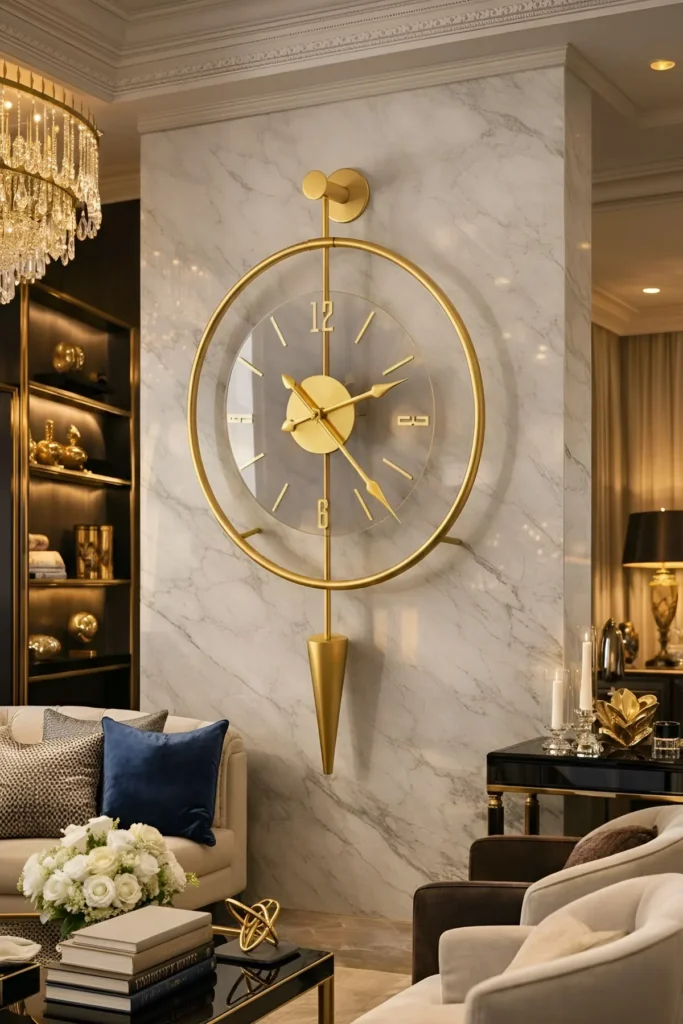
Choose polished finishes, brass or gold accents, mirror-like surfaces, elegant numerals, and artistic frames. Oversized clocks often work well in these rooms because they feel bold but still refined.
Luxury styling is strongest when the clock feels curated. It should look like a deliberate object, not a random purchase.
Small homes and apartments
Choose compact designs, light colours, slim profiles, and quiet mechanisms. A smaller room benefits from visual lightness.
In compact spaces, heavy or busy clocks can make the room feel smaller. A simple clock with good proportions often looks better than an elaborate one.
Budget homes
Choose straightforward quartz clocks, acrylic, MDF, simple metal, or plain finishes. Focus on shape, balance, and readability.
A budget-friendly wall clock idea can still look polished if the proportions are right. In many cases, good placement matters more than expensive material.
Open-plan family homes
Choose durable materials, strong visibility, and a design that connects with the room palette. The clock should hold its own from a distance.
Because these homes often have larger sightlines, a larger wall clock may work better than a small decorative one. That is especially true when the room needs one visual anchor.
Materials and Mechanisms Explained Simply
The best clock is not just about style. It is also about what it is made of and how it works. These details affect the look, feel, maintenance, and long-term usefulness of the clock.
Wood
Wood brings warmth, softness, and a natural quality to the room. It works particularly well in cosy, classic, Scandinavian, rustic, or family-oriented interiors.
Wood is a strong choice for rooms that already have timber furniture or warm textures. It feels familiar and grounded.
Metal
Metal usually gives a cleaner, sharper, and more polished finish. It can suit modern, industrial, contemporary, or luxury spaces.
Metal is often the best choice when the clock needs to feel like a statement. It brings edge and structure to the room.
Acrylic or glass
These materials feel light and clean. They can keep a room from feeling visually heavy, especially in small spaces or bright interiors.
Acrylic and glass also work well when you want a clock that blends into the room rather than dominates it.
Quartz movement
Quartz is the most common mechanism for home wall clocks. It is dependable, accurate, and easy to maintain. The battery-powered system keeps time reliably and does not demand much attention.
For everyday use, quartz is usually the simplest and most practical answer. It is a central part of the materials and mechanisms conversation because it combines performance with convenience.
Silent sweep movement
Silent sweep is the best answer when the ticking sound would be irritating. The second hand moves smoothly rather than in sharp, audible steps.
This makes it especially useful for sitting rooms, reading spaces, and entertainment zones. If you want a calm environment, this is one of the most valuable features you can choose.
Mechanical movement
Mechanical clocks often feel more traditional and more decorative. They can be elegant and charming, but they generally need more care and are less practical for everyday simplicity.
They are best for buyers who value craftsmanship, tradition, or a more heritage-inspired look.
Design Ideas for Different Sitting Rooms
The best clock depends on the mood of the room. Here are some useful design directions that match popular interior styles.
Modern minimalist living room clock ideas
Choose a black, white, beige, or grey clock with a thin frame and a simple face. Avoid decorative overload. The clock should feel calm, clean, and easy to live with.
This style suits uncluttered rooms where every piece has to earn its place.
Bold feature wall clock ideas
Choose a large design with strong contrast. Metallic finishes, layered structures, geometric shapes, and artistic details all work here.
The purpose is to make the clock feel like a design feature, not just an object that tells time.
Rustic lounge styling
Pair a wooden clock with textured rugs, Soft Curtains, warm lighting, and comfortable furniture. The result feels relaxed and welcoming.
This is one of the easiest ways to make a room feel lived-in without making it look messy.
Small sitting room styling
Choose a compact or medium-sized clock and keep the wall around it uncluttered. In a smaller room, negative space is part of the design.
A clock that is too large can make the room feel tighter. A well-scaled clock can make it feel more considered.
Premium luxury styling
Choose an elegant clock with refined details, polished finishes, and a strong silhouette. The wall around it should stay calm and open.
Luxury usually looks better when it is controlled. Too many objects can weaken the effect.
Modern minimalist living room clock ideas for open spaces
In open-plan rooms, choose a clock that can be seen from multiple angles. It should connect with the rest of the palette without becoming visually noisy.
Here, the clock works as a bridge between zones, not just a decorative item.
Budget-Friendly Wall Clock Ideas
A stylish clock does not have to be expensive. In fact, some of the best-looking rooms rely on simple pieces used intelligently. A budget clock can look far more premium when the design choices are smart.
Choose a simple silhouette instead of a complicated one.
Stick to one main finish rather than several competing materials.
Select a size that matches the wall.
Avoid shapes that feel trendy in a way that may age quickly.
Match the clock to the tone already present in the room.
A good budget-friendly wall clock idea is often about restraint. When a clock looks intentional, it feels more expensive than it is.
Premium and Luxury Wall Clock Ideas
Luxury clocks usually stand out because of finish, proportion, and presence. They are not necessarily loud. In fact, many luxury interiors rely on controlled elegance rather than excess.
Look for brushed metal, gold or brass detailing, oversized faces, sculptural frames, and premium silent movement. A luxury clock should feel like a designed object. It should contribute to the room’s atmosphere without overpowering it.
These premium and luxury wall clock ideas work especially well in large rooms, formal sitting areas, and interiors with refined furniture. The key is balance. Luxury is strongest when it feels calm.
Common Mistakes to Avoid
Even a beautiful clock can look wrong if the choice or placement is careless. These are the errors most likely to reduce the impact of the piece.
Do not buy without measuring the wall first.
Do not choose a clock that is too small for a large wall.
Do not hang it too high or too low.
Do not ignore the style of the room.
Do not overlook a ticking noise in a quiet area.
Do not crowd the wall with too many objects.
Do not choose a design only because it is currently trendy.
The biggest mistake is not the clock itself. It is forgetting to see the wall, the sofa, the console, and the whole room as one composition. A clock works best when it belongs to the room’s full visual story.
Maintenance, Care & Durability Tips
A wall clock should look good for years, not just months. Proper care keeps the finish fresh and the mechanism working well.
Dust the clock regularly with a soft cloth.
Replace batteries on time.
Avoid harsh sunlight if the finish is delicate.
Keep wooden clocks away from excess humidity.
Tighten wall fittings when necessary.
Wipe metal surfaces gently so they keep their shine.
Use strong and reliable hooks for heavier clocks.
For wood, gentle care is especially important. Wood can be sensitive to moisture, rough handling, and unsuitable cleaners. A soft, careful approach helps preserve the finish and the structure.
If the clock is large or heavy, secure mounting matters as much as design. A well-styled wall clock is only successful when it is safe and stable.
Smart, Modern & Future-Ready Wall Clock Ideas
Homes are becoming more practical, and clocks are adapting too. Today’s options go beyond the traditional hands-and-face format.
Smart display clocks
These can show time, date, temperature, or other useful information. They fit well in homes that want function along with style.
Minimal digital clocks
These suit very clean interiors where a classic dial is not necessary. They can look sleek and efficient.
Hybrid décor clocks
These combine Decorative qualities with practical features. They are useful for people who want a design piece that also performs well.
Quiet home-friendly clocks
Silent movement remains one of the most valuable upgrades for a sitting room. It keeps the atmosphere peaceful and reduces distraction.
Sustainable design choices
More homeowners now value durable, long-lasting designs that will not look dated too quickly. Simple forms and quality materials are often the most future-ready option.
Pros & Cons of Buying a Sitting Room Wall Clock
A wall clock can be one of the most useful and visually effective pieces in a room. Still, it is worth weighing the benefits and limitations before buying.
Pros
A wall clock adds style and function.
It fills the blank wall space beautifully.
It helps define the mood of the room.
It works with both small and large budgets.
It is easy to update without renovating the room.
Cons
Wrong sizing can make the wall feel awkward.
Heavy clocks need secure installation.
Loud ticking can disturb quiet rooms.
Low-quality finishes may not last long.
A mismatched design can clash with the room.
The pros usually outweigh the cons when the clock is chosen carefully. That is especially true when size, silence, and style are all considered together.
Quick Tips for Choosing the Best Sitting Room Wall Clock
Measure your wall before buying.
Keep the clock proportional to nearby furniture.
Choose a silent model for quiet rooms.
Match the finish with the rest of your décor.
Use large clocks only where the wall can support them visually.
Keep the wall around the clock uncluttered.
Choose readability over decoration when in doubt.
These small decisions often make the biggest difference. A well-chosen clock rarely feels accidental. It feels settled.
FAQs About Sitting Room Wall Clocks
The best size depends on wall space. Small rooms usually suit compact clocks, while larger sitting rooms can handle medium or oversized clocks more comfortably.
The most common places are above the sofa, above a console table, or on a feature wall. Choose a spot that feels balanced and easy to see.
Yes. Silent wall clocks are especially useful in sitting rooms, TV areas, and reading corners because they do not create ticking noise.
Wood feels warm, metal feels modern, and acrylic feels light. The best material depends on your décor style and how much visual weight you want.
It does not need to match exactly. It should complement the room. A clock can blend in quietly or act as a strong accent piece.
Final Thoughts
A Good Wall Clock in the living room does not just show hours and minutes. Instead, it fills space, works with nearby pieces, and adds quiet presence. Pick one that fits close to a shelf or above a sofa so eyes move smoothly across surfaces. It might help a tight area seem neat, give clean lines where there were none, add softness near wood beams or stone, and bring a subtle finish to high-end decor.
Start with how big it looks on the wall, then think where it sits. Quiet presence matters more than loud design. Materials blend better when they match what’s already around. Style ties it down without shouting. A quiet link forms between object and space. Belonging comes from balance, not boldness. Fit follows function, but whispers instead.
A fresh pick works best when it fits the space just right – maybe a sleek design for a living area, or something bold to anchor an accent wall. A timeworn finish might feel at home in a snug family room, while hush-tick models keep peace in still spaces. Fancy materials or high-end details can elevate a sophisticated setup, though balance matters more than price tag. The true match feels like part of the room’s own rhythm.
A proper timepiece does not just appear. Set in place, held steady, it finishes what the space began.
