
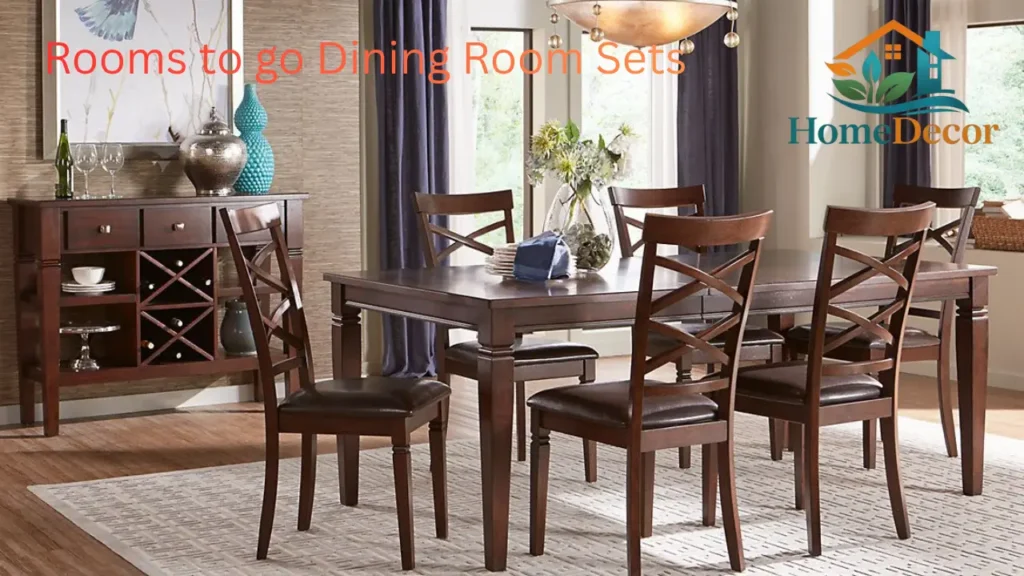
Introduction
Choosing the right Rooms To Go Dining Room Sets is not simply a visual decision. It is a spatial decision, a lifestyle decision, and, in practical terms, a user-experience decision. The set you bring home has to fit the room geometry, support daily routines, handle real-world movement, and still look cohesive when guests arrive. That is where many shoppers encounter friction. A dining set may seem ideal in a product photo, but once it enters an actual room, the scale can feel off, the chairs can feel tight, the table may dominate the space, or the style may not harmonize with the rest of the home.
A stronger buying strategy starts with context. Measure the room. Understand circulation paths. Identify how many people use the space most days. Decide whether the room is casual, formal, compact, open-plan, or multi-use. Then select the table shape, height, material, and style that align with those needs. This is where semantic clarity matters: instead of searching only for “nice dining set,” think in terms of room function, seating capacity, visual balance, and everyday comfort. That approach reduces mismatch and improves long-term satisfaction.
Dining Room Set Basics
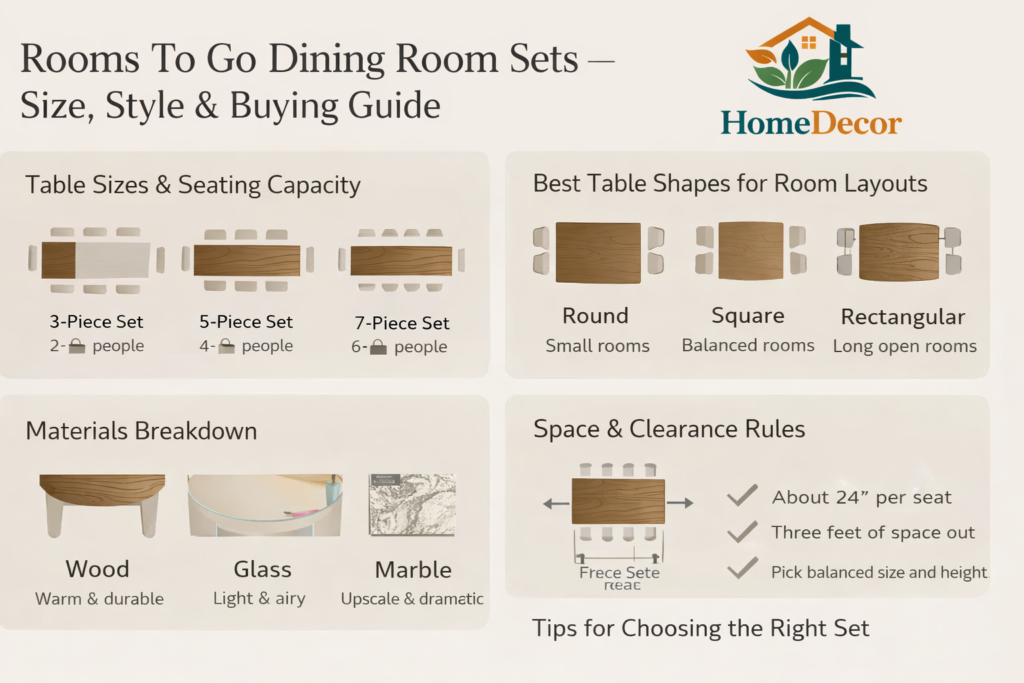
Rooms To Go’s dining guidance highlights the fundamentals well. A typical dining room set includes a table and seating such as side chairs, armchairs, or a bench. Many sets are sold as 5-piece or 7-piece combinations. Standard dining tables are around 30 inches high; counter-height sets are around 36 inches high; and roughly 24 inches of space per seat is a useful comfort guideline. Those details matter because they translate into better purchase decisions in the real world.
The best article on this topic should not stop at the category page basics. It should help readers decode the room, compare set sizes, understand spacing, choose the right height, and match material and style to daily life. That is the framework below.
What Is Included in a Rooms To Go Dining Room Set?
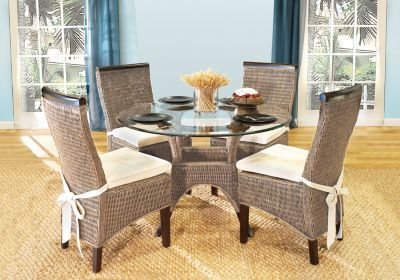
A dining room set usually contains a dining table plus coordinated seating. That seating may include side chairs, armchairs, or a bench, depending on the collection. Rooms To Go commonly presents these sets as complete groups, such as a 5-piece set with one table and four chairs or a 7-piece set with one table and six chairs.
The real advantage of buying a full set is consistency. The proportions, finish, and silhouette are already aligned. That saves time, reduces decision fatigue, and lowers the risk of mixing pieces that look disconnected or visually unbalanced. From a user-intent perspective, a full set is a convenience bundle: it solves the “what matches what” problem in one purchase.
Common set sizes and what they usually fit best
| Set size | Best for | Why it works |
| 3-piece set | Small breakfast corners, studio spaces | Compact footprint and easy placement |
| 5-piece set | Couples, small families, apartments | Efficient and versatile without taking over the room |
| 7-piece set | Everyday family dining | Good balance of seating and scale |
| 8-piece or more | Formal dining rooms, frequent hosting | Better for larger households and entertaining |
Rooms To Go also points shoppers toward related pieces such as sideboards, credenzas, china cabinets, and bar carts. Those additions help complete the room, improve storage, and create a more intentional layout.
Quick Guide: Which Dining Set Fits Which Home?
A smart purchasing decision starts with matching the set to the way the space is actually used. That is the core theme across most credible furniture guidance: measure first, then choose the shape, height, and scale that fit the room. The most effective set is not the largest one; it is the one that performs well in the room’s daily workflow.
| Home type or use case | Best set size | Best shape | Best height | Why it works |
| Studio apartment or breakfast nook | 2–4 seats | Round or square | Standard height | Small footprint and easier movement |
| Small family dining area | 4–6 seats | Round, oval, or rectangular | Standard height | Comfortable without feeling crowded |
| Open-plan living-dining space | 6–8 seats | Rectangular or oval | Standard or counter height | Anchors the room visually |
| Casual everyday kitchen dining | 4–6 seats | Round or square | Counter height | Relaxed and social |
| Formal dining room | 6–8+ seats | Rectangular or oval | Standard height | Traditional, elegant, and balanced |
| Flexible hosting space | 4–6 seats | Extendable table | Standard height | Compact day-to-day, larger for guests |
The key insight is simple: optimize for daily life first, not holiday hosting first. A set that works beautifully on a rare occasion but feels cramped every day is not really a good fit.
How to Choose the Right Dining Room Set Size
Size influences comfort, traffic flow, and the entire feel of the room once people are seated. A table is not just a flat surface; it is the center of interaction. It has to provide enough space for plates, glasses, serving dishes, elbows, and movement. It also has to leave enough room around it so people can sit down and stand up easily.
Rooms To Go suggests roughly 24 inches per seat as a comfort rule, which is a practical way to estimate personal space. DWR likewise emphasizes that a functional dining table should fit the household and occasional guests without blocking circulation. Furniture & Choice recommends measuring first and being honest about how the room is used, including whether it also serves as a workspace or gathering zone. That is important because modern dining spaces often do double duty.
A simple sizing method works well:
- Measure the full dining area.
- Subtract the walking space needed around the table.
- Decide how many people use the table most days.
- Choose the smallest size that still feels comfortable.
That sequence is useful because it keeps the room from becoming overfurnished. A six-seat table may sound appealing, but in a tighter room, a roomy four-seat table often performs much better and feels more breathable.
Clearance rules that actually help
| Source | Clearance idea | Best use |
| Rooms To Go | About 24 inches per seat | Seating comfort |
| Rooms To Go | Around 36 inches of space around the table | General movement |
| DWR | About 24 to 36 inches from the table edge to the walls or furniture | Comfortable circulation |
| Furniture & Choice | About 3 feet, or just under 1 metre | Practical planning |
| IKEA | Use extendable tables when space is tight | Flexible rooms |
DWR also notes that a minimum recommended table size for four people can be 30 by 30 inches, and that a 42-inch round table can work well for four. IKEA points to extendable tables as a practical answer when the room is compact, but occasional extra seating is needed. That is especially useful for people balancing everyday utility with occasional hosting.
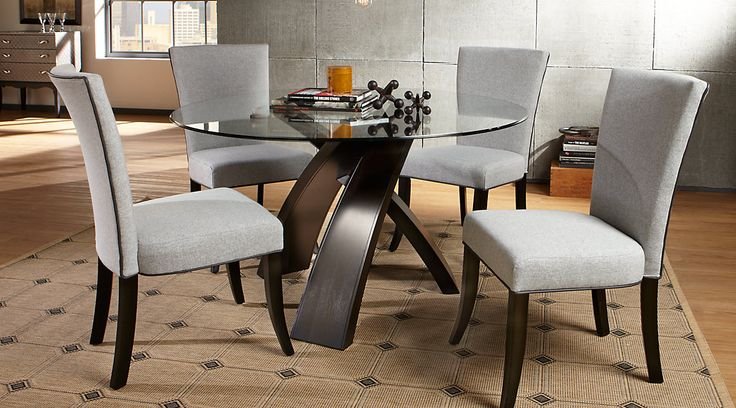
Standard Height vs Counter Height vs Bar Height
Height changes the dining experience as much as shape does. It affects posture, visual rhythm, and the overall atmosphere of the room. Rooms To Go explains that standard Dining Tables are around 30 inches high and pair best with chairs around 18 inches high. Counter height sets are about 36 inches tall and create a more relaxed, café-like setup.
DWR similarly places standard dining table height at approximately 28 to 30 inches and says seat height generally falls between 17 and 23 inches for comfort. These numbers matter because they help avoid the mismatch that often happens when shoppers choose style before ergonomics.
| Height type | Approx. table height | Best for | Main advantage | Main drawback |
| Standard height | 28–30 inches | Most homes, family meals, and formal dining | Most versatile and comfortable | Less casual feel |
| Counter height | About 36 inches | Open-plan homes, breakfast spaces, casual dining | Modern and relaxed | Less ideal for long formal meals |
| Bar height | Taller than counter height | Casual entertaining, social spaces | Bold and elevated look | Least practical for everyday dining |
When to choose the standard height
Choose standard height if the room is used for everyday meals, if people of different ages will use it, or if you want the most universal and low-risk option. Standard height is usually the safest all-around choice because it works with many chair styles and suits both classic and contemporary interiors.
When to choose counter height
Choose counter height if the dining zone is casual, if it connects to an island or open-plan kitchen, or if you want a more social, elevated look. Rooms To Go positions counter height sets as a strong option for apartments and breakfast nooks, which makes sense because the format tends to feel informal, compact, and visually fresh.
When to choose bar height
Choose bar height only if the room is very casual or the setup is mainly for quick meals and social use. It is a niche choice. Visually striking, yes. Universally practical, not as much. For most households, it is the least adaptable everyday option.
Best Dining Table Shapes for Every Room Layout
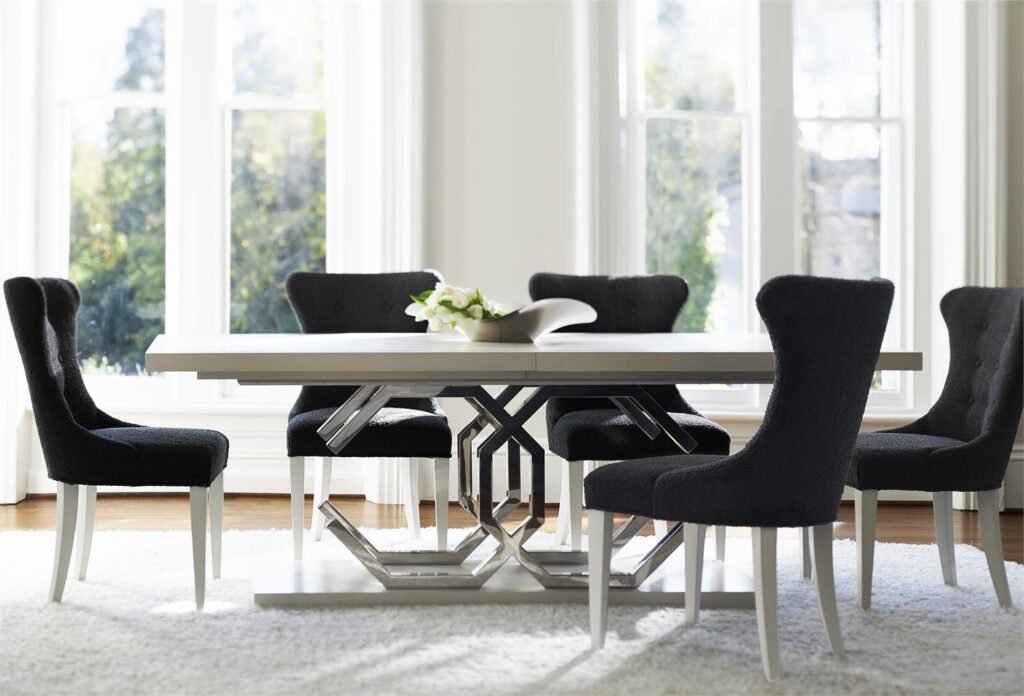
Shape should follow the room, not fight it. That is one of the most important design principles here. The room’s dimensions, traffic flow, and wall placement determine which shape will feel natural. DWR notes that small kitchen tables are typically round or square, while long oval or rectangular tables work better in larger dining rooms. It also says round tables are efficient in compact spaces, and a 42-inch round top can be ideal for four people. Furniture & Choice makes a similar point in its guidance on small dining rooms.
Round tables
Round tables are excellent for smaller rooms because they soften corners and support easier circulation. They also feel more conversational because everyone faces inward. That makes them a strong choice when the room needs both function and warmth.
Best for:
Small dining rooms
Square rooms
Breakfast nooks
Homes that want a softer social layout
Square tables
Square tables work well in balanced, compact rooms. They feel neat, symmetric, and visually tidy. If the room itself is fairly square, this shape tends to look intentional rather than forced.
Best for:
Small symmetrical rooms
Minimalist interiors
Two- to four-seat spaces
Rectangular tables
Rectangular tables are the most common choice and often the best for long rooms, formal dining rooms, and open-plan layouts. They visually extend the room and typically seat more people efficiently.
Best for:
Family dining rooms
Longer rooms
Homes that entertain often
Oval tables
Oval tables sit between round and rectangular. They offer a softer profile than rectangular tables while still providing a generous surface area and strong seating capacity. They can make a room feel less rigid and less boxy.
Best for:
Medium to large rooms
Homes that want elegance without sharp corners
Dining spaces that need a gentler silhouette
Which shape is best?
| Room layout | Best shape | Why |
| Square room | Round or square | Preserves balance |
| Narrow room | Rectangular | Uses length effectively |
| Small room | Round or square | Improves movement |
| Large formal room | Rectangular or oval | Anchors the space |
| Open-plan space | Rectangular or extendable | Defines a dining zone |
Furniture & Choice also recommends round tables for compact rooms, rectangular tables for narrow rooms, and extendable tables for spaces that need flexibility. That is a useful decision model because it aligns directly with how people live, not just how furniture looks in a catalog.
Which Material Is Best for Daily Use?
Material affects appearance, durability, upkeep, and long-term satisfaction. It is one of the most underappreciated buying variables, yet it influences everything from cleaning time to how the room ages visually.
Rooms To Go highlights wood for everyday durability, glass for a lighter modern feel, and premium-looking finishes for a stronger visual impact. IKEA’s support for extendable tables reinforces another important idea: practicality and adaptability often matter more than trendiness.
Wood
Wood is the safest everyday choice for many households. It feels warm, classic, and durable. It also works across multiple design languages, from farmhouse to traditional to transitional to contemporary.
Best for:
Busy households
Family dining
Long-term use
Glass
Glass makes a room feel lighter and visually more open. It works particularly well in small rooms and modern interiors, but it requires more maintenance because fingerprints and smudges are easier to notice.
Best for:
Small dining rooms
Modern interiors
Light, airy spaces
Marble or stone-look finishes
These finishes feel polished, upscale, and dramatic. They are ideal when the dining zone is meant to act as a focal point rather than simply a utility zone.
Best for:
Luxury interiors
Statement dining rooms
Formal settings
Metal and mixed materials
Metal, wood-and-metal combinations, and mixed finishes create a contemporary look with a cleaner visual edge. These combinations are useful when the room needs more structure and less softness.
Best for:
Modern homes
Industrial-inspired interiors
Open-plan spaces
| Lifestyle | Best material choice | Reason |
| Family with children | Wood or easy-clean finish | Durable and practical |
| Small apartment | Glass or light wood | Feels less heavy |
| Formal entertaining | Marble-look or premium wood | Strong visual impact |
| Contemporary home | Metal or mixed materials | Clean and modern |
For most homes, the right material is the one that fits real life first. Durability, maintenance, and visual compatibility usually matter more than chasing the most dramatic surface.
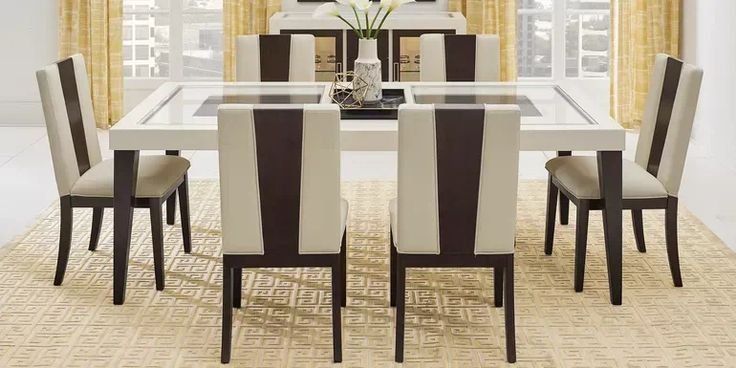
Best Dining Room Set Styles for Modern Homes
Style matters, but style should support function rather than override it. Rooms To Go notes that traditional furniture often uses richer finishes, carved details, and more elegant silhouettes, while contemporary furniture focuses on clean lines, minimalist forms, and lighter tones. It also points out that dark wood can create a classic atmosphere, light wood can suit farmhouse or coastal interiors, and black finishes can make a bold modern statement.
Traditional style
Traditional dining sets usually feel formal, warm, and established. They are a strong fit for homes that appreciate detail, structure, and a polished look.
Best for:
Separate dining rooms
Classic interiors
Formal entertaining
Modern style
Modern sets use simpler shapes, cleaner lines, and less visual clutter. They suit homes that want a calm, current, and uncluttered look.
Best for:
Open-plan homes
Minimalist interiors
Urban apartments
Contemporary style
Contemporary Style sits between traditional and modern. It often blends current shapes with practical materials, which makes it flexible and easy to live with.
Best for:
Most everyday homes
Flexible decorating styles
Buyers who want balance
Farmhouse, coastal, and transitional looks
These styles rely on lighter woods, relaxed finishes, and softer forms. They feel welcoming, approachable, and easy to coordinate with other décor.
Best for:
Family homes
Bright interiors
Casual dining rooms
Furniture & Choice also notes that light oak or lighter wood can make a room feel more open, while dark wood or black accents can add warmth and depth. That is useful because style is not only about aesthetics; it also shapes spatial perception.
How to Style a Dining Room Set So It Looks Finished
A dining set on its own is only part of the story. The room feels complete when the furniture is supported by the right surrounding elements. Rooms To Go suggests pieces such as sideboards, china cabinets, bar carts, rugs, wall art, mirrors, pendant lights, and chandeliers to finish the space.
A simple styling formula
Use this sequence:
Anchor the floor + frame the table + balance the wall
A rug grounds the dining zone.
A pendant light or chandelier frames the table from above.
A sideboard, mirror, or piece of art balances the wall behind it.
This formula works because it creates visual hierarchy. The room feels organized, not random.
Styling ideas by home type
For small spaces
Keep the look light with slim chairs, a clear glass or light-Wood Table, one compact pendant, and minimal wall décor. The goal is visual breathing room, not decoration overload.
For family homes
Focus on durability and warmth with easy-clean chairs, a sturdy rug, storage on one wall, and soft, practical lighting. The room should support everyday use without feeling overly precious.
For luxury rooms
Add more visual weight with a statement chandelier, a textured rug, larger artwork, and a rich wood or stone-look finish. In larger rooms, the dining zone benefits from stronger composition and stronger contrast.
The mistake to avoid
Do not overdecorate a small table area. A crowded dining room feels smaller, busier, and less comfortable than it actually is. Often, stronger styling is simply about restraint and balance.
Furniture & Choice also emphasizes zoning the room with a rug, using light to make the space feel larger, and keeping layouts practical for the way the room is used. That perspective is helpful because good styling should improve usability, not interfere with it.
Budget-Friendly Dining Room Set Ideas
A good dining room does not need to be expensive. A smart, economical choice is a set that delivers the right size, solid construction, and enough flexibility without paying for unnecessary extras.
What to prioritize on a budget
Choose the correct size first.
Pick a durable surface.
Avoid oversized chairs.
Use a simple shape.
Keep the style flexible so it lasts longer.
Best budget choices
Round tables for compact spaces
Rectangular tables for practical family dining
Wood or wood-look finishes for durability.
Standard-height sets for broad comfort.t
Where to save money
Skip overly decorative bases.
Choose fewer chairs if the room is small.
Use décor strategically instead of overbuying furniture.
Premium and Luxury Dining Room Set Ideas
Luxury is not only about price. It is about proportion, finish quality, comfort, and how confidently the set grounds the room.
What makes a set feel premium
Better proportions
Stronger materials
Cleaner finish details
More comfortable seating
A table shape that fits the room well
Premium looks that work well
Large rectangular tables in formal rooms
Oval tables with elegant bases
Marble-look tops with simple chairs
Dark wood with refined lighting
Mixed materials for a contemporary luxury feel
Luxury tips that matter
Keep enough breathing room around the table.
Use one statement light instead of too many small accents.
Choose chairs that look elegant but still feel comfortable.
Match the finish with nearby furniture so the room feels deliberate.
DWR’s sizing guidance is useful here because it focuses on scale, flow, and place-setting comfort rather than decoration alone. That is exactly the kind of thinking that separates a merely expensive room from a genuinely well-composed one.
Common Mistakes to Avoid Before You Buy
Many dining room problems come from rushed decisions. A visually attractive table can still fail if it does not suit the room’s dimensions, use pattern, or traffic flow.
Choosing the table before measuring the room
This is the most common mistake. The room should lead the decision, not the product photo. A table must fit the real Environment, not just the imagination.
Ignoring chair pullout space
A table may technically fit on the floor plan, but if chairs cannot slide out comfortably, the set still fails. Seating comfort depends on movement as much as on chair design.
Picking a shape that fits the room
A square table in a long, narrow room, or a large rectangular table in a tiny square room, usually looks and feels wrong. Shape needs to align with the oom geometry.
Buying for occasional use only
A set that works for holiday dinners but feels awkward on normal weekdays is not a strong purchase. Daily practicality matters more than rare scenarios.
Matching style too literally
A dining set does not need to mimic every detail in the room. It only needs to feel compatible. Compatibility is more important than exact matching.
Rooms To Go, DWR, and Furniture & Choice all point in the same direction: measure carefully, consider traffic flow, and choose the shape based on how the room functions.
Maintenance, Care, and Durability Tips
A dining set gets more use than people often realize. It supports meals, homework, laptop time, craft projects, and daily family activities. That means maintenance should be part of the buying decision, not an afterthought.
Simple care rules
Use coasters and placemats.
Wipe spills quickly.
Keep chairs level and stable.
Use a rug that supports easy chair movement.
Clean finishes according to the material type.
Material-specific care
Wood: Dust regularly and avoid harsh moisture.
Glass: Clean often to reduce fingerprints.
Stone-look or marble-look: Use gentle cleaners.
Metal: Wipe away marks and dust buildup.
The most durable dining set is not always the heaviest. It is the one that fits your lifestyle and can handle repeated use without creating constant maintenance stress.
Smart, Modern, and Future-Ready Dining Ideas
Today’s dining spaces are often multi-functional. Many homes use the dining area for eating, working, studying, and hosting. Furniture & Choice Highlights the need to consider whether the space will also function as a workspace or gathering zone, and IKEA’s extendable table recommendation is especially relevant for flexible living.
Smart ideas that make sense
Extendable tables for daily flexibility
Storage benches for compact rooms
Easy-clean surfaces for busy families
Mixed-use layouts for work and dining
Lightweight chairs that move easily
A future-ready buying mindset
Choose furniture that can adapt as your home changes. That means buying a set that works now, not just one that looks fashionable today. Good planning is not about predicting every future trend. It is about selecting a table and chairs that remain useful as needs evolve.
Pros and Cons of Buying Rooms To Go Dining Room Sets
Pros
Easy to shop for as a complete set
Matching table and seating
Many size and style options
Good for quick room planning
Useful category filters for different room types
Cons
Some category pages stay surface-level
Small-space pages can be too narrow.
Shoppers still need to self-check room clearance.e
Style choice can be overwhelming without a clear framework.
Guidance may be split across multiple pages instead of one complete roadmap.
FAQs
A dining room set usually includes a table and matching seating such as side chairs, armchairs, or a bench. Rooms To Go says many sets are sold as 5-piece or 7-piece groups.
A strong planning rule is about 36 inches around the table. Rooms To Go gives that as a general guideline, while DWR and Furniture & Choice also support roughly 3 feet of surrounding space.
Round and square tables usually work best in small rooms because they use space efficiently and allow easier movement. DWR and Rooms To Go both point to round and square shapes for compact layouts.
Yes, in the right room. Counter-height sets work well in casual dining areas, breakfast nooks, and open-plan homes, but standard height is usually better for everyday comfort and broader use.
Wood and easy-clean finishes are often the most practical for daily use. Glass and stone-look finishes can look beautiful, but they may need more care depending on how the room is used.
Conclusion
Choosing the right dining set from Rooms To Go becomes simple when you understand your space, seating needs, lifestyle, and the materials that match your daily use. Whether you’re furnishing a compact Apartment or a spacious dining room, the right table size, shape, and style can completely transform how your home feels. Always measure your space, plan your walking clearance, and pick durable materials that suit your family’s routine.
Rooms To Go offers a wide selection from modern glass tables to classic wooden sets, small 3-piece nooks to large 9-piece family sets, making it easy to find something that fits both comfort and style. With the guidance in this buying guide, you’re now fully prepared to compare sets confidently, avoid common sizing mistakes, and choose a dining room set that will look beautiful and function perfectly for years to come.
