
Introduction
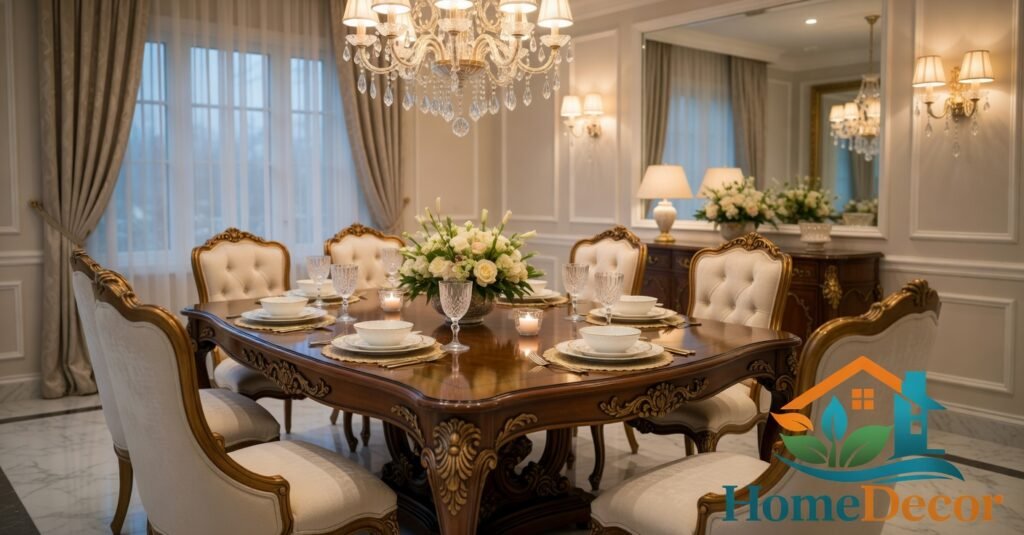
Choosing the right Dining Room Table Dimensions is one of the most important layout decisions in a home. Too big a table might dominate the space, block pathways, yet limit how easily you move through the area. When there’s too little, the piece often seems out of place, cuts down on ease, while leaving seats feeling scattered. Right proportions bring harmony instead, allow free flow around it, plus contribute to an atmosphere that feels settled, useful, and together.
Picture this guide as a clear look at dining table sizes, spelled out plainly. From there, think about typical measurements popping up again and again across homes. Seating spots depend on width – wider means more chairs fit without crowding. Most tables stand around thirty inches high, give or take an inch. Shapes change everything – a rectangle opens one way, while circles pull people close.
Space around matters just as much – walk behind, reach dishes, move freely. Rooms start taking shape once you map door swings and traffic paths. Grab a tape measure; mark every wall limit and obstacle first. Small spaces need clever fits – maybe something narrow or tucked near a window. Big areas risk feeling empty if the table is too modest in scale. Watch for traps like oversized bases or leaf mechanisms that eat legroom. Choices get easier when blind spots are gone. Mistakes fade into the background when details lead instead.
Choosing a table isn’t only about furniture. It’s matching one to how your space feels, how you move through days, what suits your way of living – clearly.
What Are Dining Room Table Dimensions?
A dining table’s size includes its length, width, and height. How long it stretches across a room shapes who fits around it. Space to rest arms depends on the spread from edge to edge. Tall enough matters when sitting without bumping heads. Moving seats in and out flows better if the proportions make sense. Appearance plays a role, yet function often weighs more. Comfort comes from smart sizing, not just looks. Room layout works more smoothly when the scale matches the space.
Most dining tables measure between 28 and 30 inches tall – just right for regular dining chairs. Still, how people fit around it matters just as much as height. Space per guest often lands near 24 inches, give or take a bit. Depending on legroom or chair design, that number might shift slightly one way or another. Table shape and seating layout play quite a role, too.
Every time someone mentions dining table size, it’s never just wood and legs. It’s how space feels when you move around it, how meals unfold, how chairs slide in without bumping walls. Comfort shows up in width, in legroom, in whether arms can stretch while laughing at dinner jokes. Function hides in corners – clear paths matter as much as surface area. Proportion decides if a room breathes or feels squeezed.
Why Table Dimensions Matter So Much
Many shoppers begin with style, finish, or color, and those things are important. But dimensions matter just as much, and often more. The right size can improve how the whole room works.
A correctly sized table can:
- keep the room open and breathable
- improve walking paths
- make chair movement smoother
- create a more relaxed dining experience
- support both everyday meals and special gatherings
- make the layout feel finished and intentional
A poorly sized table can create the opposite effect. It can block doorways, crowd the seating area, and make the entire room feel harder to use. That is why measuring before buying is always smarter than buying first and hoping it fits later.
Standard Dining Table Size Chart
Dining tables come in several shapes, and each shape works best in different room layouts. Rectangular tables are the most versatile, while round, square, and oval tables work better in certain spaces. The size ranges below are practical planning guides for common seating needs.
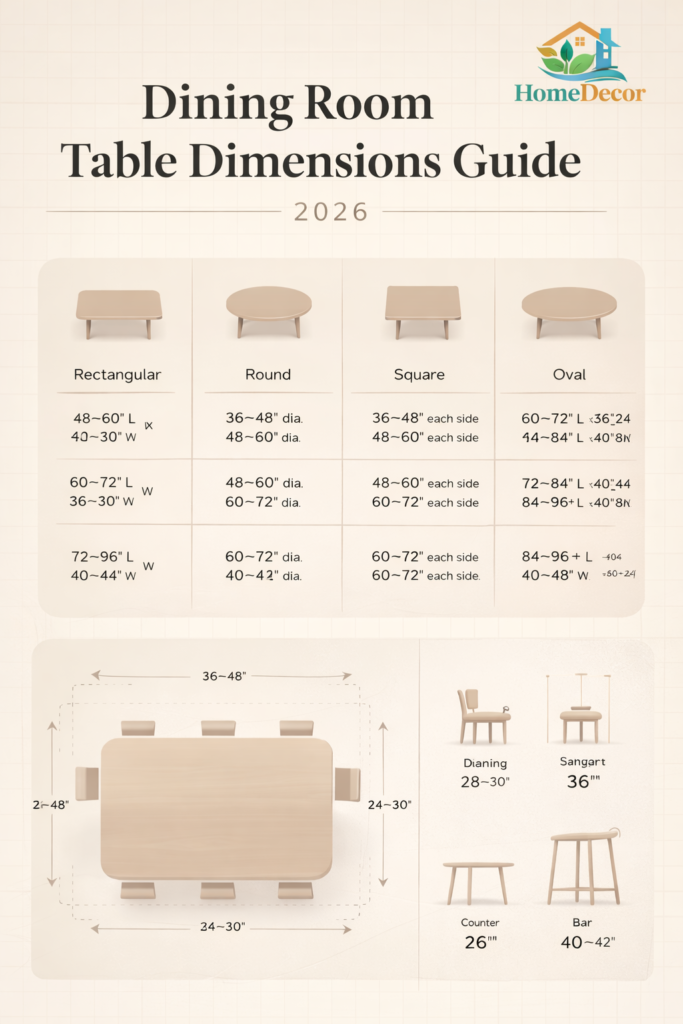
Dining Table Size Chart
| Shape | 4-Seater | 6-Seater | 8-Seater | Best For |
| Rectangular | 48–60″ L × 30–36″ W | 60–72″ L × 36–40″ W | 72–96″ L × 40–44″ W | Most dining rooms, long spaces |
| Round | 36–48″ diameter | 48–60″ diameter | 60–72″ diameter | Small rooms, conversation-friendly layouts |
| Square | 36–48″ each side | 48–60″ each side | 60–72″ each side | Square rooms, compact dining areas |
| Oval | 60–72″ L × 36–40″ W | 72–84″ L × 40–44″ W | 84–96″+ L × 40–48″ W | Narrow rooms, soft modern style |
These measurements are not rigid rules. They are practical starting points. The exact fit depends on chair width, the design of the table base, apron clearance, overhang, and how much walking space the room allows.
Rectangular Dining Tables
Rectangular tables are the most common dining table shape because they are flexible, efficient, and easy to place in many room types. They work especially well when you need to seat more people without taking up too much width.
A rectangular table is a strong choice when:
- The room is long and narrow
- You want a formal dining feel
- You host guests regularly
- You prefer benches or mixed seating styles
- You need something practical for both everyday use and entertaining
A 48-inch rectangular table can usually seat four, a 60- to 72-inch table often seats six, and an 80- to 87-inch table can comfortably seat eight when chair size and leg placement support it. Larger gatherings usually require a longer table or an extension design.
Common rectangular sizing guide
| Seating | Typical Size Range |
| 2 people | 30–36″ L × 24–30″ W |
| 4 people | 48–60″ L × 30–36″ W |
| 6 people | 60–72″ L × 36–40″ W |
| 8 people | 72–96″ L × 40–44″ W |
| 10 people | 96″+ L × 40–44″ W |
Best use case
Rectangular tables work especially well in formal dining rooms, open-plan homes, and long spaces where the furniture needs to guide movement instead of interrupting it. Their linear shape also makes it easy to center a runner, a centerpiece, or a pendant light.
Example
A 72-inch rectangular table paired with six slim chairs is a practical fit for many family dining rooms. It offers enough surface space for daily meals while still feeling polished enough for guests.
Round Dining Tables
Round tables are ideal when you want a softer, more social feel. Because there are no corners, they often make the room feel more open and less rigid. They also encourage Conversation because everyone can see one another easily.
Round tables are especially useful for:
- apartments
- breakfast corners
- square dining rooms
- small spaces that need visual lightness
- casual, friendly dining layouts
A 42- to 48-inch round table usually suits four people, while a 60-inch round table may accommodate six and sometimes eight, depending on the chairs and base style.
Common round sizing guide
| Seating | Typical Diameter |
| 2 people | 30–36″ |
| 4 people | 36–48″ |
| 6 people | 48–60″ |
| 8 people | 60–72″ |
Why do people like round tables
- Everyone faces each other
- No sharp corners to navigate
- Better flow in smaller rooms
- Softer visual footprint
- Often easier to place in compact spaces
Example
A 48-inch round pedestal table with four chairs can work beautifully in a small dining nook. It keeps the room feeling open while still providing enough space for daily meals.
Square Dining Tables
Square tables create a balanced and symmetrical look. They work best in square rooms or compact dining areas where the room shape and table shape complement each other naturally.
Square tables are a good fit for:
- breakfast areas
- square dining rooms
- modern compact layouts
- spaces where symmetry matters
For four people, a square table usually starts at around 36 inches per side. For six or eight people, a larger square table can work, though the room must be spacious enough to prevent a bulky feel.
Common square sizing guide
| Seating | Typical Size |
| 2 people | 30–36″ each side |
| 4 people | 36–48″ each side |
| 6 people | 48–60″ each side |
| 8 people | 60–72″ each side |
Things to watch
Square tables can feel heavy in narrow rooms. They are attractive and structured, but they need the right layout to avoid overwhelming the space.
Example
A 42-inch square table can look excellent in a square breakfast nook, especially when paired with slim chairs and minimal surrounding furniture.
Oval Dining Tables
Oval tables combine the elongated usefulness of rectangular tables with the softer edges of round tables. That makes them a smart middle ground for many dining rooms.
Oval tables are especially useful when you want:
- a softer silhouette
- smoother movement around the table
- a long-room solution without hard corners
- elegant styling with practical seating
Because they lack sharp corners, oval tables often feel lighter visually than rectangular ones, even when the seating capacity is similar.
Common oval sizing guide
| Seating | Typical Size Range |
| 4 people | 60–72″ L × 36–40″ W |
| 6 people | 72–84″ L × 40–44″ W |
| 8 people | 84–96″ L × 40–48″ W |
Best use case
Oval tables are a strong choice for narrow rooms, open-plan homes, and spaces where you want a refined look without hard edges.
Example
An 84-inch oval dining table can comfortably support a larger family while creating a smoother, less rigid visual line than a straight rectangular table.
Dining Table Height Guide
Table height matters just as much as length and width. Even a perfectly sized table can feel uncomfortable if the height is wrong. The table top, chair seat, and underside clearance all need to work together.
Standard table height guide
| Table Type | Standard Height | Best Use |
| Dining table | 28–30″ | Everyday meals, formal dining |
| Counter-height table | About 36″ | Casual kitchens, social dining |
| Bar-height table | About 40–42.” | Informal entertaining |
The most comfortable dining setup usually allows enough room between the chair seat and the underside of the tabletop so people can sit naturally without their knees bumping the structure below. That is why you should check not only the top height, but also the apron height and the leg clearance.
A table may technically fit the room, but if the height is awkward, it will never feel truly right.
Dining Table Dimensions by Seating Capacity
One of the easiest ways to select the correct table is to begin with the number of people you want to seat most of the time. That makes the shopping process more practical and less emotional.
Seating capacity chart
| Seating | Rectangular Table | Round Table | Square Table | Oval Table |
| 2 people | 30–36″ L × 24–30″ W | 30–36″ diameter | 30–36″ each side | 36–48″ L |
| 4 people | 48–60″ L × 30–36″ W | 36–48″ diameter | 36–48″ each side | 60–72″ L |
| 6 people | 60–72″ L × 36–40″ W | 48–60″ diameter | 48–60″ each side | 72–84″ L |
| 8 people | 72–96″ L × 40–44″ W | 60–72″ diameter | 60–72″ each side | 84–96″ L |
| 10 people | 96″+ L × 40–44″ W | 72″+ diameter | 72″+ each side | 96″+ L |
These numbers are useful, but they should always be tested against the real chair size, the leg design, and the room clearance. A table can be technically large enough and still feel too tight if the chairs are wide or the base is awkward.
How Many People Fit Comfortably?
Capacity is not only about the tabletop size. Comfort depends on how much personal space each diner has, how the chairs fit, and how the base affects legroom.
A practical comfort guide looks like this:
- 2 people: ideal for apartments, breakfast spaces, or occasional dining
- 4 people: best for compact households and small family meals
- 6 people: the most common family dining size
- 8 people: better for larger households and frequent entertaining
- 10+ people: best for formal spaces, special occasions, or extension tables
The benchmark of about 24 inches per person is a useful starting point. But wider chairs, thicker cushions, and heavy table legs can reduce usable space very quickly.
The final seating count is always a combination of tabletop size, base style, and chair design.
How to Measure Your Dining Room for a Table
Before purchasing a Dining Table, measure the room carefully. This is one of the simplest ways to avoid regret later.
Step-by-step room measuring guide
Measure the full room size
Write down the exact length and width of the dining area, not just the visible open floor.
Mark the table zone
Identify where the table will sit and account for nearby doors, sideboards, radiators, cabinets, or walkways.
Leave enough clearance around the table
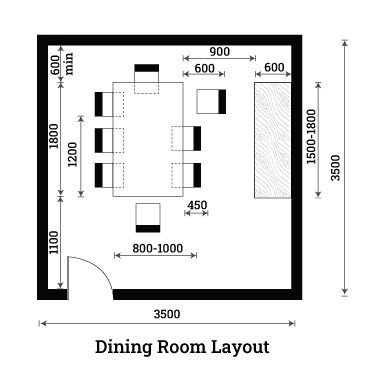
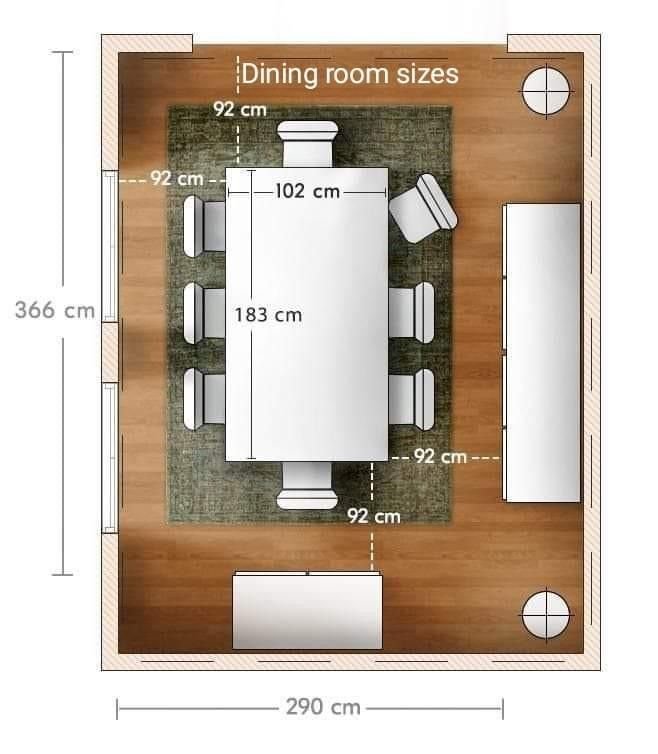
A common rule is to allow at least 36 inches around the table for walking and chair movement. If you want space for a buffet or extra furniture, more room is even better.
Check chair pull-out space
Chairs need to slide back without hitting the wall or another object.
Test the circulation path
Make sure people can still move around the room comfortably when the table is in use.
Easy room-fit formula
A simple way to estimate fit is:
Table width + (2 × clearance) = minimum usable room width
For example, if your table is 40 inches wide and you want 36 inches of clearance on both sides, the room should provide at least 112 inches of usable width.
That formula is not glamorous, but it saves money, stress, and awkward furniture arrangements.
Dining Room Clearance and Placement Rules
A dining table can physically fit into a room and still feel wrong if the surrounding clearance is too tight. Good spacing is what makes a room feel easy to use.
Clearance guide
| Area | Recommended Space |
| Between the table and the wall | 36–48 inches |
| Comfortable circulation zone | 36–60 inches total |
| Space per chair | About 24–30 inches |
| Behind a seated diner | 18–24 inches minimum |
| Between chairs | 24–30 inches |
These values help the room feel usable instead of squeezed. They also make it easier for chairs to move, for guests to pass behind seated people, and for the space to feel intentional rather than improvised.
Why clearance matters
- Chairs move more easily
- Walkways stay open
- The room feels less crowded
- The table appears more proportional
- The area is safer and more comfortable
In a small room, you may need to reduce the spacing slightly. But the trade-off is reduced comfort, so that decision should be made carefully.
Best Dining Room Table Dimensions for Different Room Types
No single table size works for every home. The best dining table is the one that matches the room shape, traffic flow, and everyday routine.
Small dining rooms
Small dining areas benefit from shapes that preserve openness and reduce visual heaviness. Round, square, and compact oval tables are often the smartest options.
Good choices include:
- 36–48 inch round table
- 36–48 inch square table
- narrow oval table with slim legs
- pedestal base for better chair flexibility
Pedestal tables are especially helpful because they remove corner legs from the seating zone, which makes the table easier to use in tight rooms.
Example
A compact apartment nook with a 42-inch round pedestal table and two chairs can feel tidy, airy, and fully functional without dominating the space.
Open-plan dining areas
Open-plan layouts need a table that creates structure without breaking the flow between the kitchen, dining, and living zones. Rectangular and oval tables are often the best fit because they help define the dining area clearly.
Good choices include:
- 6- to 8-seater rectangular table
- oval table with softened edges
- extension table for guests and holidays
Example
A long rectangular table in an open-plan home can act as an anchor point, helping the dining space feel distinct and organized without disrupting the rest of the room.
Formal dining rooms
Formal dining rooms usually need stronger proportions and a more classic visual rhythm. Rectangular tables are the most reliable choice in long or elegant formal spaces.
Good choices include:
- 72–96 inch rectangular table
- coordinated chairs
- centered pendant or chandelier
- simple, refined centerpiece
Example
A long wood table with six upholstered chairs and a centered overhead light can create a timeless formal dining look that feels balanced and welcoming.
Shape Guide: Which Dining Table Is Best?
Every table shape has strengths and limitations. The best shape depends on the room, the seating goal, and the way you plan to use the space.
| Shape | Pros | Cons |
| Rectangular | Flexible, common, efficient for groups | Can feel long in very small rooms |
| Round | Great for conversation, soft edges, space-saving | Less efficient for large groups |
| Square | Balanced and modern | Can feel bulky in narrow rooms |
| Oval | Elegant, soft, good for long rooms | Harder to find in some sizes |
Simple shape advice
- Choose rectangular for long rooms and larger households
- Choose round for small rooms and casual dining
- Choose a square for symmetrical rooms and compact layouts
- Choose oval for narrow rooms and a softer visual flow
This is where room geometry matters. The table should support the room, not fight against it.
Table Base Style Matters Too
Many people focus only on the tabletop, but the base can make a dramatic difference in usability. Base design changes legroom, chair placement, and the number of seats that can fit.
A pedestal base often creates the most flexible seating because no corner legs are getting in the way. Four-legged tables are Common and Stable, but the legs can limit where chairs go. Trestle bases are stylish and sturdy, but the central support may affect seating at the ends.
Best base choice for use
- Small room: pedestal base
- Family dining: pedestal or corner-friendly four-leg base
- Large gatherings: extension table or flexible support design
When choosing dimensions, always ask not just “How big is the top?” but also “How does the base affect real seating?”
How Chair Size Affects Table Fit
The chair is part of the sizing equation. A large or bulky chair can reduce usable seating space faster than most people expect.
Slim side chairs are easier to fit around the table. Armchairs require more room. Thick cushions can also change how the chair sits relative to the tabletop height. If the chairs are wide, the table may feel smaller even if the dimensions are technically generous.
Chair planning tips
- Slim chairs fit more easily
- Armchairs need more room than side chairs
- Wider chairs reduce seating capacity
- Cushioned seats may change the effective height
- Chairs should slide under the table smoothly
Example
A 60-inch table may technically seat six with slim chairs, but with large upholstered chairs, it may feel better for only four or five people in daily use.
Buying Tips Before You Choose a Dining Table
A good dining table should support your actual life, not just your style preference. That means thinking beyond the showroom look.
Consider these questions:
- How many people sit there most days?
- How often do you host guests?
- Is the room narrow, square, open, or compact?
- Do you want a pedestal, trestle, or four-leg base?
- Will you use slim chairs, armchairs, or a bench?
- Do you need an extension option for occasional use?
A table that works well every day is more valuable than one that only looks impressive on special occasions.
Common Mistakes to Avoid
Choosing the wrong dining table usually happens for predictable reasons. The good news is that these mistakes are easy to avoid.
Measuring only the tabletop
A table can appear to fit on paper while failing in the room because the chairs and walking space were forgotten.
Ignoring clearance
Without enough surrounding space, even a beautiful dining set can feel cramped and difficult to use.
Choosing the wrong shape
A square table in a narrow room may feel too heavy. A large rectangular table in a small room may dominate everything else.
Forgetting chair size
Large chairs can reduce the effective seating count quickly.
Buying for rare events only
The best table is one that works for daily life first. If you need extra capacity occasionally, an extension table is often smarter than oversizing the room permanently.
Maintenance, Care, and Durability Tips
A dining table should be practical to live with, not just attractive on delivery day. The material, size, finish, and base all affect long-term usability.
Care tips
- Use placemats and coasters
- Clean spills quickly
- Avoid dragging dishes or sharp objects across the surface
- Keep the table level
- Check the base and joints from time to time
Durability tips
- Wood feels warm, timeless, and familiar
- Glass looks airy, but shows fingerprints more easily
- Stone-look finishes can be durable but heavy
- Extension tables adapt better as family needs change
The best dining table dimensions are the ones that fit the room and remain practical over the years.
Smart, Modern, and Future-Ready Dining Table Ideas
Modern Homes often need flexibility. The dining area may also serve as a work space, homework zone, or gathering spot, so adaptability matters.
Good modern ideas
- Extension tables
Great for families and guests without taking up extra daily space. - Rounded edges
Safer for children and visually softer in open spaces. - Pedestal bases
Helpful in tighter rooms because they improve chair placement. - Mixed materials
Wood, metal, glass, and stone combinations can create a more current look. - Modular dining setups
Useful when the room has more than one purpose.
A smart dining table is not just well-sized. It is flexible enough to grow with the household.
Quick Tips for Choosing the Right Table
Here is the fast version of the planning logic:
- Measure the room before shopping
- Choose the shape that suits the layout
- Leave at least 36 inches around the table if possible
- Use 24 inches per person as a comfort benchmark
- Select an extension table if seating needs change often
- Match the table height to standard dining chairs
- Keep the layout simple and easy to move through
These rules solve many of the problems that make dining rooms uncomfortable or inefficient.
FAQs
The standard dining table height is usually 28 to 30 inches. This height works well with most dining chairs and gives comfortable legroom.
A good rule is to leave 36 to 48 inches around the table. Room & Board recommends at least 36 inches on all sides, and West Elm recommends 36 to 44 inches for chair pull-out space.
A common guideline is about 24 inches per person. RH uses this as a standard low-end seating allowance, and West Elm gives about 2 feet per person at a rectangular table.
A good 6-seater rectangular table is often 60–72 inches long and 36–40 inches wide. For round tables, 48–60 inches in diameter is a common range.
Often, yes. Round tables work well in small rooms because they remove corners, improve movement, and feel lighter visually. Room & Board also recommends round pedestal tables for small dining spaces.
Conclusion
A well-sized dining table shifts both comfort and flow in your space. Knowing seat counts helps, yet height matters just as much when picking one. Shape plays a quiet role – round ones soften corners, rectangles guide movement. Leave breathing room around it; walls or traffic paths need space, too. Chair gaps? They make meals less tight, more natural. With these details clear, Choosing Gets Simpler, almost automatic.
A dining table’s worth isn’t measured by width alone. Fitting the space matters more than filling it. One that lines up with how you live tends to get used most. The balance between form, clearance, and function shapes a space where people want to stay. A setup like that makes the zone feel light, sorted, even full of quiet ease.
Space shapes how we gather, more than any chair ever could. What matters most sits in the balance – room to move, light to see, a surface meant to stay. Furniture fills corners. Thought fills moments.
