
Introduction
Unique Wall Art For Living Room spaces is one of the quickest ways to transform a room from plain to polished. A blank wall can make even a Beautifully Furnished Room feel unfinished. A single well-placed object might pull every eye toward it, shaping how the room feels while quietly showing who lives inside. Sometimes just shifting things around does more than buying new stuff ever could – space breathes differently when arranged with care instead of clutter.
Now here’s a twist – today’s living rooms skip basic posters and matchy-matchy setups. Instead, they grow into layered scenes: big bold artworks take center stage while textured wall items add depth. Gallery-style arrangements pop up, built piece by piece, not bought as sets. Sculptures sit quietly in corners, drawing eyes without shouting. Custom creations show up often, made or chosen with thought. What matters? A room that feels lived-in, not staged. Art isn’t just decoration anymore; it speaks. Walls now shape mood, setting tone like lighting or furniture. Personal touches stick out, welcomed, not hidden.
A fresh look at picking wall art begins with what fits your space – style, size, color, or fabric matters more than trends. Instead of guessing where to hang pieces, think about sightlines and light shifts, because balance changes everything. From small apartments to wide-open homes, each room type brings different needs into play. Skip expensive galleries; printed canvases, handmade touches, and even repurposed frames work just as well. Cleaning dust off surfaces? A soft cloth beats harsh sprays every time. Questions pop up – how high to mount, whether mismatched styles clash, if natural tones beat bold ones – the answers depend on your walls, not rules. Traditional spaces lean toward framed classics, while open lofts welcome oversized abstracts. Renters tweak layouts often, so removable hooks and lightweight panels help avoid damage.
What Makes Wall Art “Unique” in a Living Room?
Something special on your wall isn’t odd without reason. Art stands out when it carries weight, looks unlike anything else, and fits where it hangs. Often made by hand, built for one space only, never repeated – layered materials, raised surfaces, pieces that mean something. Shapes, textures, and marks are arranged so you can follow them like sentences.
A single piece of wall decoration often stands out because it carries a distinct color mix. Yet sometimes it’s the shape that makes the difference. Sometimes an unusual material draws attention instead. Often, the story behind the artwork gives it weight. At times, location changes how it feels. Rarely does any one factor work alone
- A tale that packs a punch sits at its core
- a tactile or layered surface
- a distinctive material
- A shape not often seen. Size out of the ordinary. Rare in its form. Unusual way it takes up space
- A bond that ties you directly to the person who owns the home
A single thread pulled through fabric by hand gives warmth no factory machine ever could. One brushstroke at a time, paint holds the shape of someone’s choices. Metal bent into form carries weight beyond its size. Snapshots pinned to a wall speak in quiet voices across years. Arranging images on a surface makes space mean something. What matters is not how it looks – but why it exists.
A space starts to breathe when its walls show thought, not clutter. Uniqueness matters because it ties pieces together with purpose, giving character a quiet place to settle.
Why Unique Wall Art Matters More Than People Realize
A living room usually has several roles at once. It may be used for relaxing, reading, socializing, hosting guests, watching television, or spending time with family. Because the room serves so many functions, the walls play an important visual role. They help define the mood, direct the eye, and complete the composition of the room.
The right wall art can:
- establish a clear focal point
- add warmth and depth
- soften large empty walls
- make a room feel fully finished
- elevate a simple space without major renovation
A room with carefully chosen wall art often feels more considered, more layered, and more expressive. It can also make the furniture arrangement feel more grounded and deliberate. Even a modest home can look more refined when the art is sized correctly and placed with care.
Another reason wall art matters is that it is one of the easiest design elements to refresh. You do not need to repaint a room or buy all new furniture to update the look. A new artwork, a rotated gallery wall, or a different framing style can shift the entire atmosphere.
Top Types of Unique Wall Art for Living Room Spaces
The best wall art style depends on your room size, visual taste, existing décor, and budget. Some spaces benefit from one dramatic centerpiece. Others look best with a layered mix of frames, textures, or memories. The table below gives a simple overview.
| Wall Art Type | Best For | Why It Works | Budget Level |
| Oversized statement art | Large walls, open-plan rooms | Creates one dominant focal point | Mid to high |
| Gallery wall | Personal, layered, flexible interiors | Tells a story through multiple pieces | Low to high |
| Textured or 3D art | Contemporary or neutral rooms | Adds depth, contrast, and shadow | Mid to high |
| Handmade or artisan art | Homes that need individuality | Feels personal and uncommon | Mid to high |
| Textile wall hangings | Soft, relaxed, boho spaces | Brings warmth and texture | Low to mid |
| Murals or wall wraps | Feature walls and bold interiors | Turns the wall itself into the artwork | Low to high |
| Mixed-media art | Design-forward living rooms | Feels artistic, complex, and layered | Mid to high |
The strongest modern living rooms often use art that feels dimensional, intentional, and visually balanced. Instead of relying on one predictable print, they build a wall composition that has texture, contrast, or a stronger emotional connection.
Oversized Statement Art
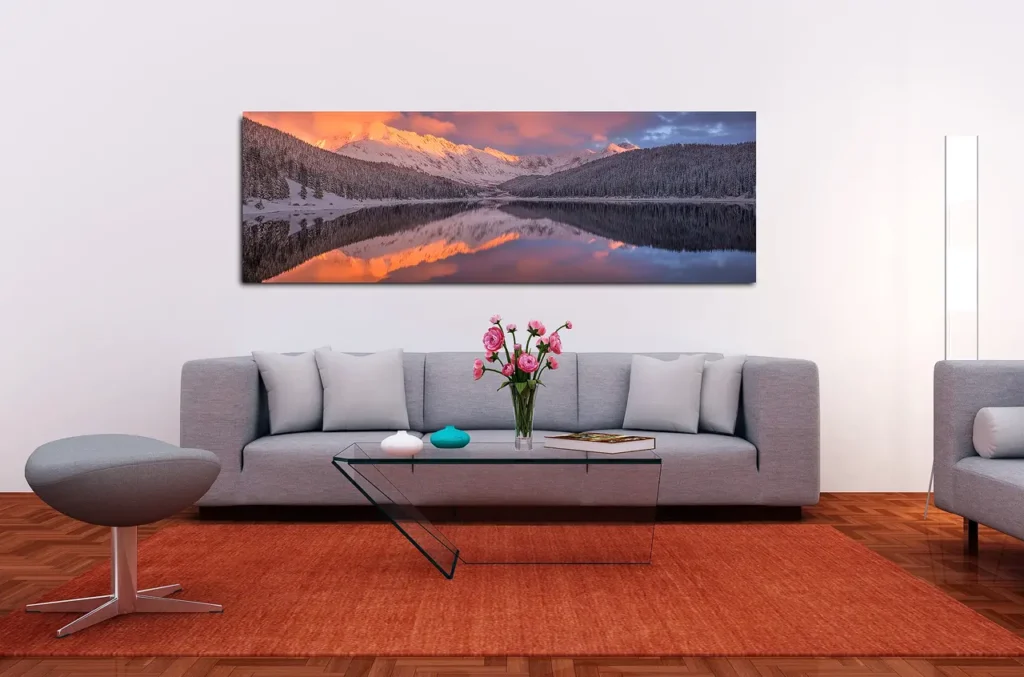
A single large artwork can anchor a living room more powerfully than several small pieces. It works beautifully above a sofa, fireplace, console table, or wide empty wall. When a room has simple furniture or a restrained palette, a large art piece can bring all the energy the space needs.
Oversized art creates impact because it reduces visual fragmentation. The eye reads it as one complete gesture, which gives the room structure and confidence. It is especially effective when the rest of the décor is minimal, and the wall needs a strong visual anchor.
This type of artwork works well in:
- modern living rooms
- open-plan layouts
- minimalist interiors
- rooms with high ceilings
- spaces that need a bold focal point
The art can be abstract, figurative, monochrome, colorful, painterly, graphic, or textural. The main requirement is scale. The wall should look intentionally filled, not crowded or underdressed.
Gallery Walls
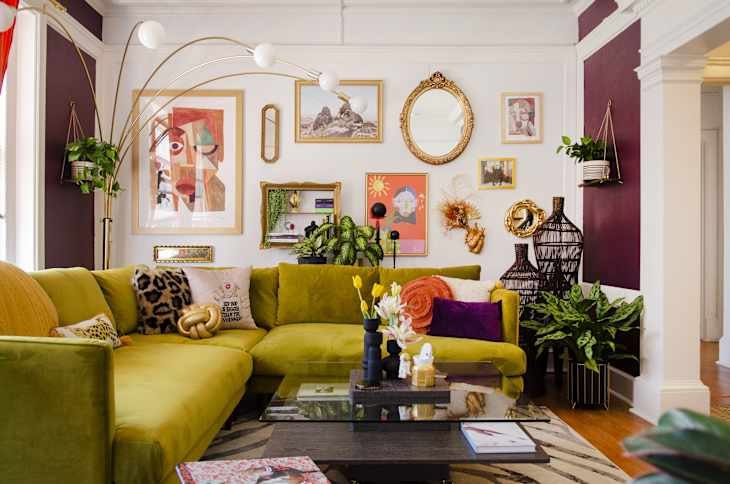
Gallery walls remain one of the most versatile ways to create unique wall art for living room spaces. They allow you to combine Multiple Images, prints, drawings, photographs, and objects into one curated composition. A strong gallery wall feels personal, layered, and visually coherent.
The key is curation. A Gallery Wall should look collected over time, not thrown together randomly. The most successful versions often share a common thread, such as:
- a specific color palette
- a matching frame style
- a consistent theme
- a repeated visual rhythm
- a balance between art and memory
Gallery walls are especially useful when you want to display family photos, travel memories, sketches, postcards, or art prints together. They can feel emotional, artistic, and sophisticated all at once.
A well-designed gallery wall can be formal or relaxed. It can follow a grid, an organic arrangement, or a linear format. What matters is that the spacing, framing, and visual weight feel balanced.
Textured and 3D Wall Art
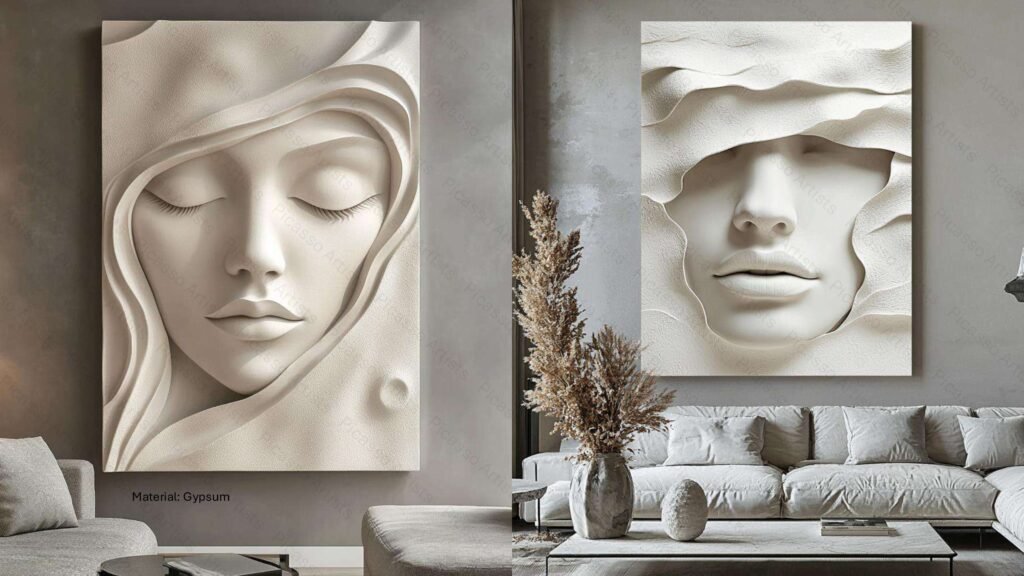
Textured wall art adds something that many flat prints cannot: depth. In a room that uses neutral colors or simple furniture, texture becomes one of the most effective ways to introduce interest without overwhelming the space.
This category includes:
- woven wall hangings
- carved wooden panels
- sculptural metal art
- layered fabric pieces
- shadow-box compositions
- ceramics mounted as wall décor
- mixed-material installations
Textured pieces are particularly effective in modern interiors because they keep a room from feeling sterile. They also work well when natural light changes throughout the day, since shadows and surface variation make the artwork appear more alive.
If you want a room to feel warm, grounded, and layered, textured wall décor can deliver that effect beautifully.
Handmade and Artisan Pieces
Handmade art often feels more memorable because you can see the labor, skill, and individuality in it. It may come from a local painter, ceramic artist, textile maker, printmaker, or craftsman. It may also be a commissioned piece made specifically for your room.
Artisan-made décor tends to stand out because it is less generic. It carries a sense of place and human touch. That makes it especially suitable for homeowners who want their living room to feel expressive rather than showroom-like.
This type of art can include:
- original paintings
- handmade ceramics
- stitched wall hangings
- carved décor pieces
- custom-framed works
- locally made mixed-media art
The appeal here is not only aesthetic. It is also emotional. Handmade wall art often creates a stronger connection between the room and the people who live in it.
Murals and Wall Wraps
Murals and Wall Wraps Are Excellent when you want the wall itself to become the statement. Rather than adding a framed piece to the wall, you use the wall as the canvas.
This option works well for:
- accent walls
- bold feature spaces
- modern interiors
- creative rooms
- renters who want a temporary transformation
Murals can range from soft abstract washes to botanical patterns, Scenic Imagery, geometric forms, or large-scale artistic graphics. A mural can make a living room feel more expansive, more dramatic, or more immersive, depending on the design.
Wall wraps are especially useful when you want a big effect without hanging multiple pieces. They can completely redefine the mood of a room.
How to Choose the Right Unique Wall Art for Your Living Room
Choosing the right wall art becomes much easier when you break the decision into a few simple categories. Instead of asking only, “What looks nice?” ask:
- What size does this wall need?
- What mood should the room have?
- What colors already exist here?
- Which material suits the space?
- How much should I spend?
Thinking this way makes the selection process much clearer and much more effective.
Start With the Wall Size
The most common mistake is buying art before measuring the space. When that happens, the piece often ends up too small or too high, which makes the wall feel disconnected.
A strong sizing rule for art above a sofa is to choose a piece, or grouping of pieces, that is roughly 60% to 75% of the sofa’s width. That ratio helps the wall and furniture feel visually linked.
Examples:
- A sofa that is 210 cm wide may look best with artwork around 125–155 cm wide.
- A loveseat may suit one medium-sized piece or a balanced two-piece arrangement.
- A very wide wall may need a large canvas, triptych, or gallery composition.
As a design principle, scale matters more than many people realize. Even an affordable piece can look impressive if the proportions are correct.
Match the Mood of the Room
Art should support the atmosphere of the living room. Ask yourself what the space should feel like when you walk in.
- Calm and airy: soft abstracts, landscapes, neutral line work
- Warm and cosy: woven pieces, natural textures, earthy palettes
- Bold and modern: graphic forms, monochrome pieces, sculptural accents
- Elegant and classic: framed art, traditional subjects, refined compositions
This is where wall art becomes more than décor. It becomes an emotional design. The best piece is the one that reinforces the feeling you want from the room.
Use Color With Intention
Color can either blend, contrast, or bridge the room.
A strong wall art palette may:
- Repeat colors already present in the furniture and textiles
- introduce a controlled accent color
- soften a room with high contrast pieces
- Add energy to a neutral interior
In a neutral room, art can provide the spark. In a colorful room, art can unify the palette. The goal is not always to match perfectly. Sometimes the best choice is a piece that echoes the room without becoming too obvious.
Pick the Right Material
Material affects the atmosphere more than many people expect. The same image can feel completely different depending on whether it is printed on canvas, framed behind glass, stitched into fabric, or built from metal and wood.
- Canvas feels casual and versatile.
- Framed paper art feels crisp and classic
- Metal art feels modern and sharp
- Textile art feels soft and welcoming
- Wood, ceramic, and mixed-media pieces add warmth and tactile richness
Materials influence how light behaves, how formal the piece feels, and how it interacts with the rest of the room.
Be Realistic About Budget
A budget does not limit style as much as it limits options. A thoughtfully framed print hung in the right place can look better than an expensive piece that is badly proportioned or poorly installed.
Spend strategically on:
- size
- framing
- placement
- visual cohesion
- durability
Those factors often matter more than price alone.
Wall Art Placement Rules That Instantly Improve the Room
Placement is the point where many living rooms lose their balance. Even a beautiful artwork can look awkward if it is hung too high, too small, or too disconnected from the furniture below it.
Use These Basic Placement Rules
- Hang the center of the artwork around eye level.
- Leave roughly 15 cm between the top of the sofa and the bottom of the artwork.
- Keep gallery wall spacing consistent.
- Center art over furniture, not only over the full wall.
- Maintain visual alignment with the room’s main seating area.
These rules create visual order. And visual order makes a room look calmer, more polished, and more expensive.
What Works Best by Wall Type
Above the Sofa
This is the easiest place to create balance. Good Options include one large piece, a triptych, a wide pair of artworks, or a neatly composed gallery arrangement.
Blank Feature Wall
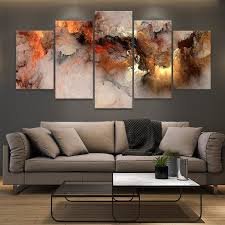
A large empty wall can carry more visual drama. Oversized art, murals, symmetrical arrangements, or multi-panel works often perform well here.
Narrow Wall
A narrow wall suits vertical art, stacked frames, or a slim pair of Coordinated Pieces. The height can help elongate the space.
Small Living Room
In smaller rooms, restraint usually wins. One strong artwork often works better than many tiny pieces because it keeps the room from feeling crowded.
The general principle is simple: the right placement makes the room feel composed. The wrong placement can make the wall seem accidental, no matter how beautiful the art is.
Best Unique Wall Art Ideas for Different Living Room Styles
Different interiors call for different artistic solutions. A piece that looks perfect in a contemporary apartment may not suit a warm traditional sitting room. The art should feel like part of the architecture of the room, not an afterthought.
Modern Living Room Wall Art
Modern living rooms usually benefit from art with clean edges, restrained palettes, simple compositions, and abstract forms. Black-and-white pieces, geometric shapes, or minimal line work can work especially well.
The goal in modern spaces is often visual clarity. The art should add sophistication without creating clutter.
Luxury Living Room Wall Art
Luxury is less about excess and more about refinement. In a high-end living room, the best wall art often feels spacious, deliberate, and premium in quality.
Luxury-friendly choices include:
- large original paintings
- custom commissions
- textured panels
- gallery-quality framing
- subtle accent lighting
- sculptural wall décor
A luxurious room usually feels edited rather than crowded.
Small Living Room Wall Art
Small spaces need art that expands the room rather than shrinking it visually. One stronger piece can make a small room feel more open than several small items arranged too tightly.
Good choices include:
- one large artwork
- vertical compositions
- lighter frames
- simplified gallery walls
- reflective elements used carefully
The objective is to preserve openness while still adding character.
Large Living Room Wall Art
Large rooms have more freedom, but they also demand stronger visual balance. A tiny piece on a big wall can look lost. Scale is essential.
Good options for large rooms include:
- oversized canvases
- large triptychs
- wide gallery walls
- multi-panel installations
- dramatic mixed-media works
A bigger room can handle bolder artistic gestures and richer layering.
Rent-Friendly Wall Art Ideas
Renters often need options that are flexible, low-damage, and easy to change. Fortunately, there are many.
Good renter-friendly ideas include:
- peel-and-stick mural panels
- adhesive hanging solutions
- lightweight framed prints
- leaning oversized art
- textile wall décor
- modular arrangements that can be moved easily
This style of decorating is ideal when you want personalization without committing to permanent changes.
Budget-Friendly Unique Wall Art Ideas
Unique wall art does not need a luxury budget. In fact, many of the most memorable living rooms combine affordable art with careful presentation.
Affordable Ideas That Still Look Elevated
- Frame a simple poster in a larger, cleaner frame.
- Combine thrifted frames with modern prints.
- Use one oversized budget canvas instead of many tiny pieces.
- Build a gallery wall from family photos, sketches, and downloaded art.
- Buy from emerging artists rather than only high-profile names.
- Make your own textured or abstract wall décor.
A limited budget can still produce a sophisticated result if you focus on the things people notice first: proportion, framing, and placement.
Best Budget Strategy
When funds are tight, spend less on quantity and more on presentation. A small piece in a strong frame at the proper height can look more refined than several mismatched items with no structure.
The smartest low-cost wall art usually has:
- good scale
- consistent color logic
- clean framing
- balanced spacing
- a clear relationship to the furniture
Premium and Luxury Wall Art Ideas
A premium living room wall often feels calm, elevated, and highly intentional. It does not need to be loud. In fact, many luxury interiors gain their strength from restraint.
Luxury Choices That Work Beautifully
- original paintings
- commissioned works
- handwoven textiles
- large sculptural pieces
- museum-style framing
- curated wall lighting
- double-height or oversized compositions
Luxury wall décor is often about atmosphere. It should make the room feel richer, not busier.
How to Make Premium Art Feel Even Better
- Give it breathing room.
- Let it be the hero of the wall.
- Keep nearby accessories simple.
- Use warm lighting where possible.
- Avoid overcrowding the surrounding space.
In refined interiors, editing is often more powerful than addition.
DIY Unique Wall Art Projects You Can Actually Do
DIY wall art works best when it feels deliberate. The aim is not to imitate expensive art. The aim is to create something personal, attractive, and well finished.
Abstract Canvas Art
You need:
- blank canvas
- acrylic paint
- painter’s tape
- brush or palette knife
Simple method:
- Choose a color palette.
- Tape off areas or paint freely.
- Build the composition in layers.
- Let each section dry before adding the next.
- Seal it if needed for durability.
This can create a bold, modern piece that looks custom rather than homemade.
Framed Fabric or Textile Art
A piece of patterned cloth, linen, or woven fabric in a simple frame can add softness and depth very quickly. It is easy to do and often looks elegant.
Shadow Box Memory Art
Shadow boxes let you display meaningful objects like postcards, dried leaves, travel keepsakes, or other small items in a polished way. The key is restraint. Too many objects can feel cluttered.
Minimal Line Art
Minimal line drawings printed on quality paper and framed in a repeated style can create a striking result. They are simple, modern, and easy to coordinate.
Painted Panel Set
Instead of one large piece, create two or three small panels that share a color family or visual rhythm. This is especially effective for narrow walls or smaller rooms.
DIY art is a strong choice for renters, beginners, and anyone who wants a deeper personal connection to the room.
Pros and Cons of Unique Wall Art for Living Room Décor
Pros
- Adds personality quickly
- Improves focal points and balance
- Makes a room feel complete
- Works for many budgets
- Can be updated seasonally or stylistically
- Helps a home feel memorable and lived in
Cons
- The wrong size can make the wall look awkward
- Too many pieces can feel cluttered
- Poor framing can weaken the design
- Hanging too high is a common mistake
- Matching style, scale, and color requires planning
Most wall art issues are not art issues. They are planning issues. Once the proportions are right, even a simple piece can look excellent.
Common Mistakes to Avoid
Hanging Art Too High
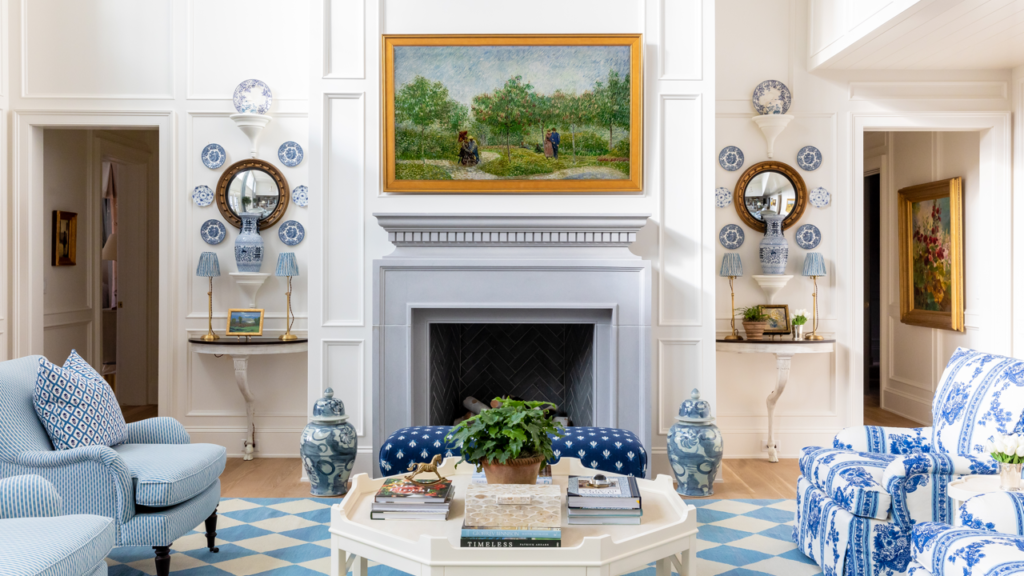
One of the most common errors is placing the artwork too close to the ceiling. This creates a disconnected look. The center should usually sit close to eye level.
Buying Art That Is Too Small
Small art on a large wall often looks accidental. It rarely feels intentional unless it is part of a carefully planned grouping.
Using Too Many Unrelated Styles
Mixing styles can work, but only when there is a shared link, such as a color thread, material connection, or consistent frame finish.
Ignoring the Room’s Function
A formal lounge, A Family Room, and a TV-heavy space all need slightly different visual treatment. Art should work with daily use, not against it.
Forgetting Light and Reflection
Glass, mirrors, and glossy frames can reflect light in distracting ways. Always check how the wall looks during the day and at night.
Maintenance, Care, and Durability Tips
Unique Wall art should stay attractive for years, not just on installation day. Good care extends both visual quality and physical life.
Basic Care Tips
- Dust frames and surfaces gently
- Keep artwork away from direct sunlight where possible
- Avoid humid, moisture-heavy zones
- Do not hang delicate pieces near vents or radiators
- Use quality framing for long-term protection
Best Durability Choices
If your living room gets strong sunlight or fluctuating humidity, consider:
- UV-protective glazing
- archival framing
- canvas with a protective finish
- wood or metal artwork
- removable décor in high-change spaces
These choices help preserve color, texture, and surface quality over time.
Smart, Modern, and Future-Ready Wall Art Ideas
The future of living room wall décor is flexible, personal, and layered. People are moving away from rigid, matching sets and toward walls that tell a story. That story may include art, memory, texture, lighting, or even a mix of all four.
Smart Ideas to Try
- Add picture lights to highlight important pieces.
- Choose modular art that can be rearranged.
- Mix mirrors with framed art for depth.
- Create a dedicated art zone in an open-plan space.
- Rotate artwork seasonally to keep the room feeling fresh.
- Combine art with shelves, books, or sculptural objects.
This makes the wall feel alive rather than fixed. It also gives you more freedom to evolve the room over time.
FAQs
A reliable rule is to choose artwork that is about 60% to 75% of the sofa width and hang it roughly 15 cm above the sofa back.
A common guideline is to place the center of the artwork around 145–155 cm from the floor so it sits near eye level.
Yes. Gallery walls remain highly stylish, especially when they look curated, textured, and intentional rather than overly busy.
Large-scale original art, thoughtful framing, textured pieces, and well-planned lighting often create the most premium effect.
Yes. DIY wall art can look excellent when it is simple, well-made, properly framed, and placed with confidence.
Conclusion
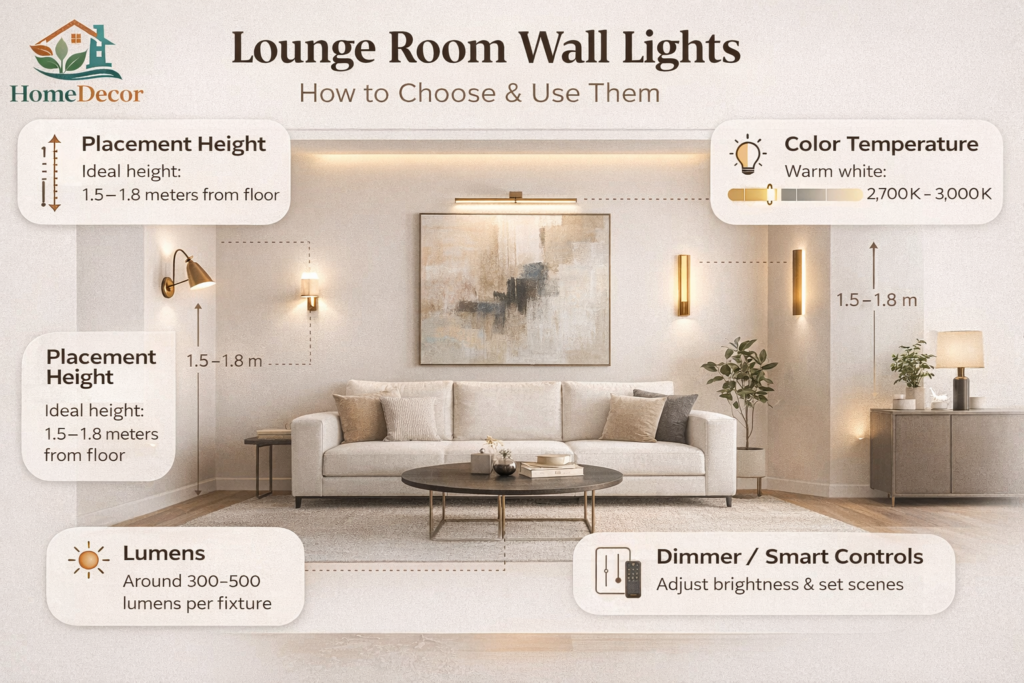
Choosing the right wall lights for your lounge room can completely transform the atmosphere, functionality, and overall aesthetic of your space. From modern LED wall sconces to picture lights and ambient mood lighting, the key is to balance Style, Comfort, and practical illumination. By selecting the right height, brightness, colour temperature, and placement, you can create a warm, Inviting Environment that feels both luxurious and personal.
Whether you’re upgrading a single feature wall or planning a full lighting makeover, thoughtful lounge room wall lighting ensures your space looks stunning day and night. Use the tips, styles, and ideas in this guide to make confident, stylish decisions and build a lounge room that truly glows.
